BoredomBusted — Find Your Next Favorite Thing To Do
Discover hobbies, activities, places, and ideas that spark joy. Whether you're looking for something creative, active, social, or relaxing, BoredomBusted helps you find your next favorite thing to do.
Browse our hobby guides, things-to-do collections, and place ideas to never be bored again.
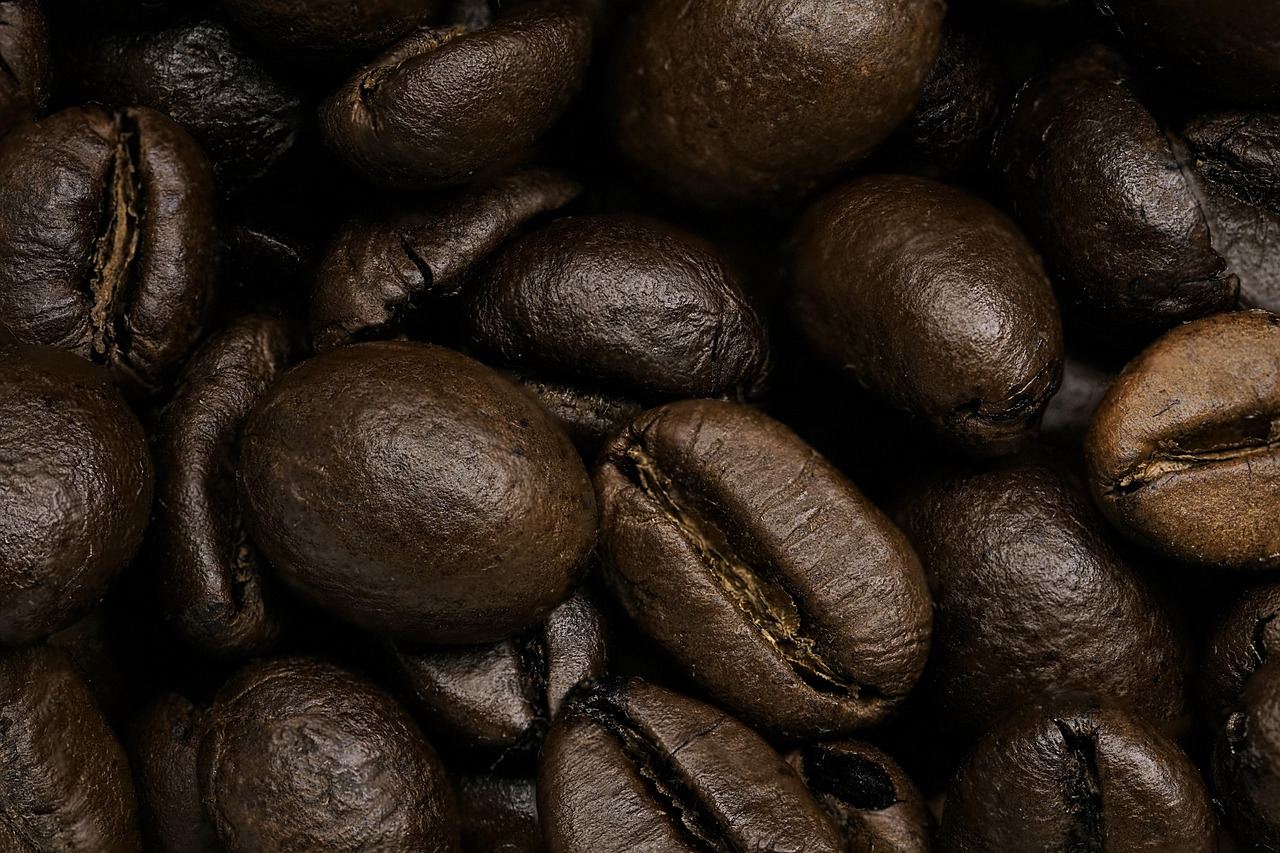
Coffee roasting is not just about heat — it's a complex dance of airflow and chemistry, where timing can make or break your flavor, even before you start the roast.
Learning coffee roasting as a beginner involves understanding how to apply heat to raw green beans, leading to the transformation into the aromatic, drinkable product you recognize.
A drum, a pan, or a popcorn maker does the job – the craft is knowing when to stop.
Unlike brewing or grinding, roasting changes the bean itself, not just how you use it.
In coffee roasting, hobbyists heat green coffee beans in home setups like popcorn poppers or drum roasters, monitoring the roasting process for 10-30 minutes by observing color changes, listening for cracks, and smelling evolving aromas, then cooling the beans and cleaning after roasting while logging tasting notes for future improvement.
Coffee roasting induces a flow state through intense sensory monitoring and skill mastery, providing immediate feedback on flavor profiles and a sense of accomplishment as hobbyists transform raw beans into superior brews, while fostering social connections through shared tastings and community engagement.
You believe roasting coffee is all about managing heat and timing. Get green beans, apply fire, avoid burning – simple enough.
That mindset leaves most first-timers puzzled when their coffee still tastes flat.
Green coffee beans aren't just passive objects – they're living, reactive elements. Your roast is a dynamic dialog between heat, airflow, and chemistry. It's more than setting a dial and waiting.
Beginners often stare at bean color as their guide, but color trails flavor development by 30–60 seconds. When the bean looks perfect, the flavor window might have already passed.
Maillard reactions lay the groundwork, and caramelization adds sweetness. These are two distinct phases inside every roast.
Consider a home roaster who attempted a consistent light roast. They nailed the end temperature three times, yet each batch's taste varied.
Two minutes. Just two minutes of varied preheat time ruined consistency. It wasn't the roast time itself that caused issues.
Your setup dictates what you control. That's where many go wrong immediately.
At first, roasting looks easy and even calming. A video shows swirling beans and a rich coffee aroma wafting through the air.
Reality hits with smoke alarms and coffee that tastes like burnt wood. Your first attempt might leave you questioning how something so fragrant can go so wrong.
Roasting feels like popcorn popping — but with unexpected smoke and beans that deceive by appearance. It's when you start realizing that timing is everything in this process.
Burnt batch. Sour batch. Beans that almost made it and then didn't. Learning to roast means embracing these so-called failures as essential lessons — they teach you how to sense the moment where close is almost right.
Another surprise? Fresh-roasted coffee needs 12–24 hours to breathe before the taste settles into what it's meant to be. Rushing to taste it right away will mislead you.
Next, let's explore the mistakes that keep roasters stuck in the frustrating early stages.
When to start: Early morning
Duration: 1 hour
Cost to try: $20
Success criteria: if you finished without burning beans or causing a smoke alarm, do session 2.
Timing your roast by the clock feels precise, but your timer won't capture the roast's true state.
Let the first crack guide you, adjusting based on sound rather than time elapsed.
Rushing a roast with high heat can ruin flavor, leaving it scorched and underdeveloped.
Target 9–12 minutes for the roast, and lower heat after first crack for better results.
Heavy, high-altitude beans aren't the same as lighter, low-altitude ones. Treating them alike leads to uneven roasting.
Find out the altitude or density of your beans, starting 10–15°F lower for denser types.
Removing beans from heat doesn't mean they're done—residual heat cooks them further.
Spread them on a tray with a box fan on them, cooling to room temp in under five minutes.
Fresh coffee may taste sharp right away, leading you to question your roast.
Hold off on tasting; wait 24–48 hours, then re-evaluate if adjustments are needed.
Where the Action Is
Most coffee roasting happens at home. Your kitchen, garage, or back porch is where 90% of hobbyists do their thing. Some specialty coffee shops and community kitchens host open roasting nights or classes to help you get your feet wet.
or "coffee roasting enthusiasts [your state]". These groups are active and local connections are easily made.
Check the Specialty Coffee Association's chapter locator at sca.coffee. Local chapters often host cuppings and roasting meetups that welcome new faces.
— you'll often get invited to more active, private Discord groups.
Look up local specialty roasters on Google Maps and reach out directly.
Many offer beginner workshops that fly under the radar.
Speak up about being a beginner eager to learn the process. You'll likely end up at the roaster, hands-on, rather than just in the audience.
Skip purchasing a dedicated roaster. Use a heavy skillet or wok over an open flame instead. This method is fast, but mistakes are easy. It's the quickest path to understanding heat control. Ideal for absolute beginners eager to grasp the basics without investing in equipment upfront.
Try using a $20 popcorn maker. It moves beans with hot air, ensuring an even roast. This is the actual beginner recommendation as it's cheap, forgiving, and makes hearing the cracks easy. Keep it simple by choosing one without a butter tray.
Most dedicated home roasters use a rotating drum. It provides even heat and control over roast profiles. Perfect for enthusiasts who want consistency, not just drinkable coffee. Investing $150–$600 will get you a solid, entry-level drum roaster.
Fluid bed (hot air) roasters offer more control. Unlike popcorn poppers, these machines provide temperature and timing precision. Roasts are faster and perfect for emphasizing delicate notes in beans. A great choice for those who prefer light roasts.
Use a long-handled basket over an open fire. Ideal for outdoor enthusiasts who embrace smoke and unpredictability. It's the most unpredictable method — perfect if you crave the ritual as much as the result. Best suited for those who find adventure in the process.
If the texture of this appeals to you, Mead Making is built on similar bones.
Readers who enjoy this often gravitate toward Home Brewing next.
Another variant that pulls from the same roots is Baking.
Many beginners focus on roast profiles—time and temperature curves, drum speed—and find their coffee lacks depth. The profile isn't the problem. Instead, it's about where you focus.
Pay attention to crack timing with intention. Not just hearing the first crack, but understanding the pace of cracking tells you about bean development in real time.
Crack timing isn't just an event. It's a conversation that reveals more than any thermocouple reading ever could.
When you understand crack pace, you stop relying on temperature numbers and start responding to the beans.
Roasters who miss this skill often blame the green coffee, pulling at arbitrary times. In truth, they're ignoring what the beans are already telling them. Without this listening, every profile change becomes a guess masquerading as precision.
This auditory focus sets a new direction for your roasting.
Four sessions over 30 days. One roast per week, giving you time to taste and reflect on each batch before diving into the next.
Planning the next roast before the current one cools signals something deeper. You're drawn to the sensory feedback loop this hobby offers. Your next move is to get a green coffee subscription and start a roasting log.
Sessions felt flat and forgettable? That's a hint. Before leaving it, try a completely different roasting method or bean origin. If the fifth session still doesn't excite you, it's time to move on.
If smoke and precision felt unpleasant, take that seriously. This hobby requires precision under load and doesn't become more relaxing. If that's not appealing, coffee roasting isn't your match.
Watch for when you're intrigued by flavor details. If you're checking out different beans online like it's a personal quest, that's a sign the hobby has its hooks in you.
For quicker fixes, see our roundup of things to do when you're bored.
Entry-level home roasters range from $100–$300 for basic drum or air roasters, though you can start even cheaper with manual methods like a pan or popcorn machine. Green coffee beans typically cost $4–$7 per pound, making it affordable to experiment with multiple origins and profiles.
Most home roasts take 10–20 minutes from start to finish, depending on your roaster type and desired roast level. Light roasts finish faster (around 12 minutes), while darker roasts require additional time for flavor development.
While technically possible, ovens aren't ideal because they can't achieve even heat distribution and proper airflow needed for consistent roasting. A dedicated home roaster gives you much better control over temperature and roast progression.
Light roasts preserve more origin flavors and acidity, medium roasts balance origin characteristics with roasted notes, and dark roasts develop bold, smoky flavors that mask the bean's origin. Your preference determines which roast level suits your taste, and experimenting with all three is part of the fun.
The basics are accessible—most beginners can produce drinkable coffee within their first few attempts. However, achieving consistent, quality roasts with specific flavor profiles takes practice and attention to temperature, timing, and sensory cues like color and sound.
Start with 1–2 pounds each of 3–4 different origins to explore flavor variety without overcommitting. This gives you enough for multiple roasts per origin to refine your technique while keeping costs low and preventing bean spoilage.