BoredomBusted — Find Your Next Favorite Thing To Do
Discover hobbies, activities, places, and ideas that spark joy. Whether you're looking for something creative, active, social, or relaxing, BoredomBusted helps you find your next favorite thing to do.
Browse our hobby guides, things-to-do collections, and place ideas to never be bored again.
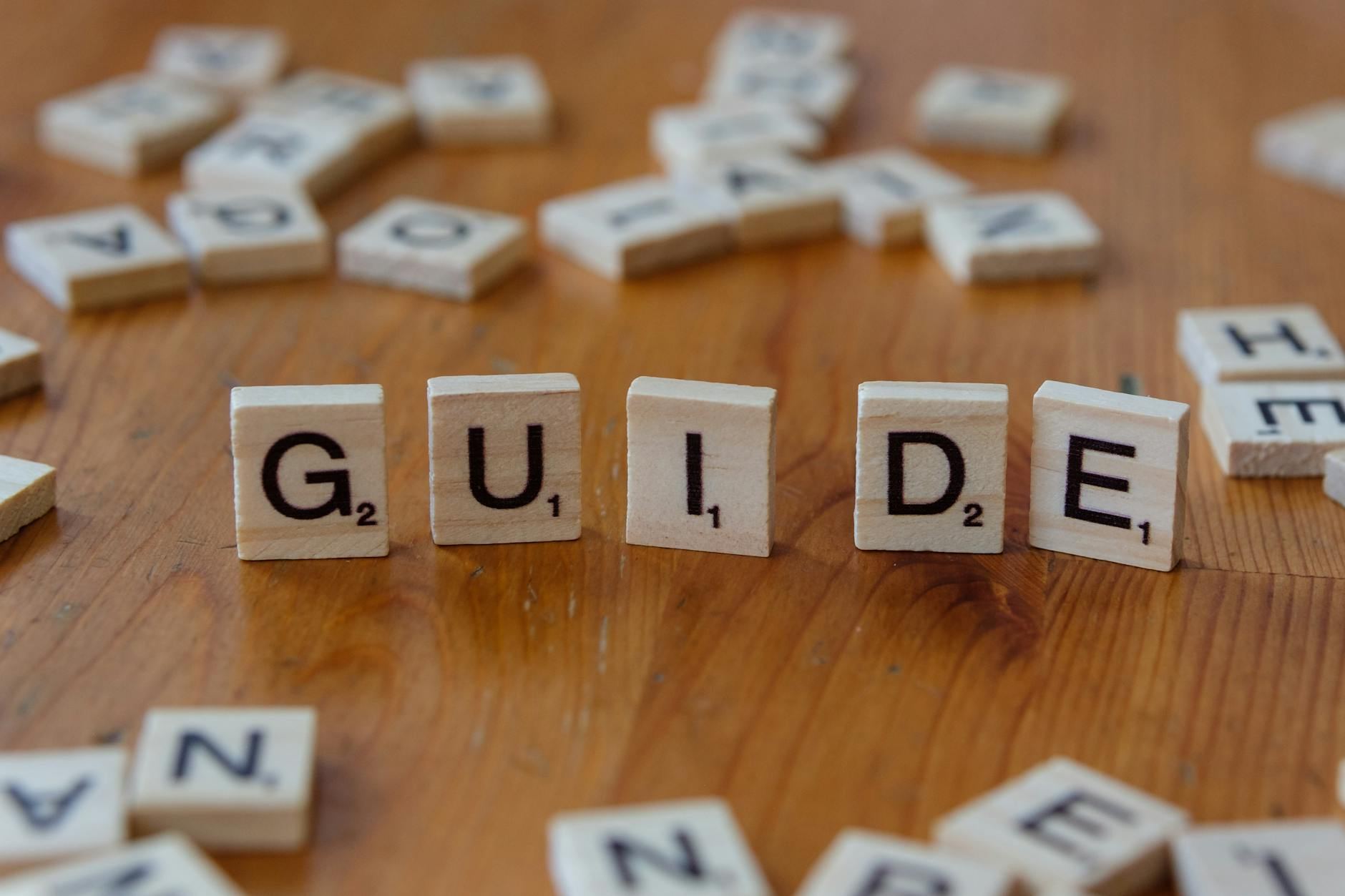
Classic board games aren't just for kids — they're brain workouts that enhance cognitive skills like planning and adaptability in a social setting.
Getting started with classic board games as a beginner creates an engaging environment for strategic thinking and friendly competition. Chess and Monopoly make this possible in a fun, relaxed setting.
Affordable and accessible, they offer games for both casual players and serious strategists.
In classic board games, players gather around a table to engage in structured, turn-based sessions lasting 30 minutes to 2 hours, where they physically manipulate game components like boards, tokens, and cards while analyzing positions, anticipating opponents' moves, and tracking scores throughout the game.
Classic board games combat boredom through skill feedback loops, where immediate outcomes from strategic moves provide tangible progress and rewards, fostering a flow state that matches skill with challenge while promoting social belonging and a sense of accomplishment through competitive interaction.
Board games are dismissed as kid's stuff or a backup for when the internet fails. But that view skirts the truth.
Classic board games are a rich world of strategy and skill, providing mental stimulation and social bonding. These games have stood the test of time precisely because they offer more than just entertainment.
Some see them as outdated. But when you dive into games like chess or navigate Monopoly's economic tactics, you see their impact on cognitive skills persists.
Think of them as a workout for your brain. Planning. Foresight. Adaptability. All tested with each move you make.
Playing a classic board game can feel like stepping back in time. You feel the pieces in your hands and wait in quiet concentration. The anticipation builds as each player takes their turn.
There's more to learn than just the rules. Strategy comes with practice and might take a few rounds. Enjoy the progression; it's highly rewarding.
Many are taken aback by the conversations these games spark. Family and friends become part of the fun as stories and strategies unfold.
When to start: Morning
Duration: 1-2 hours
Cost to try: $20
Success criteria: If you can set up the game, complete a full round, and record each player’s turn time, do session 2.
Skimming the rules feels quicker, but often leaves you confused mid-game. Read them thoroughly and watch a tutorial if needed.
Invest time upfront for a smoother, more enjoyable experience.
Jumping into complex strategies can trip you up as you start. Focus on simple tactics first to build a strong foundation.
Master the basics before advancing to ensure steady progress.
Hurrying through turns can cause you to overlook important moves. Slow down.
Take time to think about your options and set up your next steps effectively.
Winning is exciting, but it shouldn't be everything. Pay attention to what you can learn from each game and how you connect with others.
Value learning and interaction to enrich every game experience.
Game nights at local stores are where the magic happens. Enthusiasts gather to play and explore new board games together.
Dive into BoardGameGeek's forums to connect with gamers worldwide. Discuss strategies, share experiences, and even organize virtual game sessions.
Local clubs or meetups bring people together to learn new games and meet fellow board game fans.
Chess demands careful planning and strategic thinking. Enjoyable casually or in serious competition, it's the ultimate test for strategic minds.
Monopoly offers a blend of luck and strategic decision-making. It's ideal for family nights and teaches negotiation and asset management skills.
Scrabble is perfect for those who enjoy wordplay. Crafting words from letter tiles boosts both vocabulary and strategic skills.
Checkers is simpler than chess but still offers strategy. Ideal for quick play and perfect for beginners or young players.
Readers who enjoy this often gravitate toward Party Board Gaming next.
If the texture of this appeals to you, Solo Board Gaming is built on similar bones.
In classic board games, the essential skill is strategic thinking. It's not just making a single move.
It's seeing the entire board and anticipating your opponent's future moves.
Predict how each piece interacts. Notice patterns. Think multiple steps ahead. Realize how each decision changes the board.
Adaptability separates good players from the great ones. Flexibility to change plans mid-game is crucial.
Try playing four different classic board games over the next month. Aim for one session each week to give yourself space to think about each game.
If you're planning the next game night before the current one ends, this hobby is for you. The next step is to explore game expansions or join a board game club for more variety.
If sessions felt slow and you didn't look forward to them, that's honest feedback. Try shorter games like Codenames before deciding it's not your thing.
If being around a game board felt tedious, don't see it as a failure. Some enjoy the community, while others find the structure confining.
The one sign you shouldn't ignore is finding yourself researching game strategies at odd hours.
Classic Board Games is a deeper commitment than most boredom cures — for lighter options, check things to do when bored.
Games like Checkers, Tic-Tac-Toe, and Chutes & Ladders are perfect for absolute beginners due to simple rules. If you want something with slightly more strategy, try Catan or Ticket to Ride, which are engaging but easy to learn in under 15 minutes.
Most quality classic board games cost between $10-$50, making them very affordable. A single purchase provides hours of entertainment for multiple players, so the cost-per-play is extremely low compared to other hobbies.
Most classic board games take 20-60 minutes to play, though some quick games like Checkers can finish in 10-15 minutes. Longer strategy games like Chess can take 30 minutes to an hour or more depending on player skill level.
Yes, many classic board games work great with two players, including Chess, Checkers, and Backgammon. However, some games like Monopoly and Catan are more enjoyable with 3-4+ players, so check the minimum player count before buying.
No special skills are required to start—most games teach you as you play. Board games actually help build skills like strategic thinking, problem-solving, and decision-making naturally over time.
Casual play focuses on fun and social interaction without worrying about winning or optimal strategy. Competitive play involves studying strategies, remembering rules carefully, and playing to win—both styles can be enjoyed with the same games depending on how you approach them.