BoredomBusted — Find Your Next Favorite Thing To Do
Discover hobbies, activities, places, and ideas that spark joy. Whether you're looking for something creative, active, social, or relaxing, BoredomBusted helps you find your next favorite thing to do.
Browse our hobby guides, things-to-do collections, and place ideas to never be bored again.
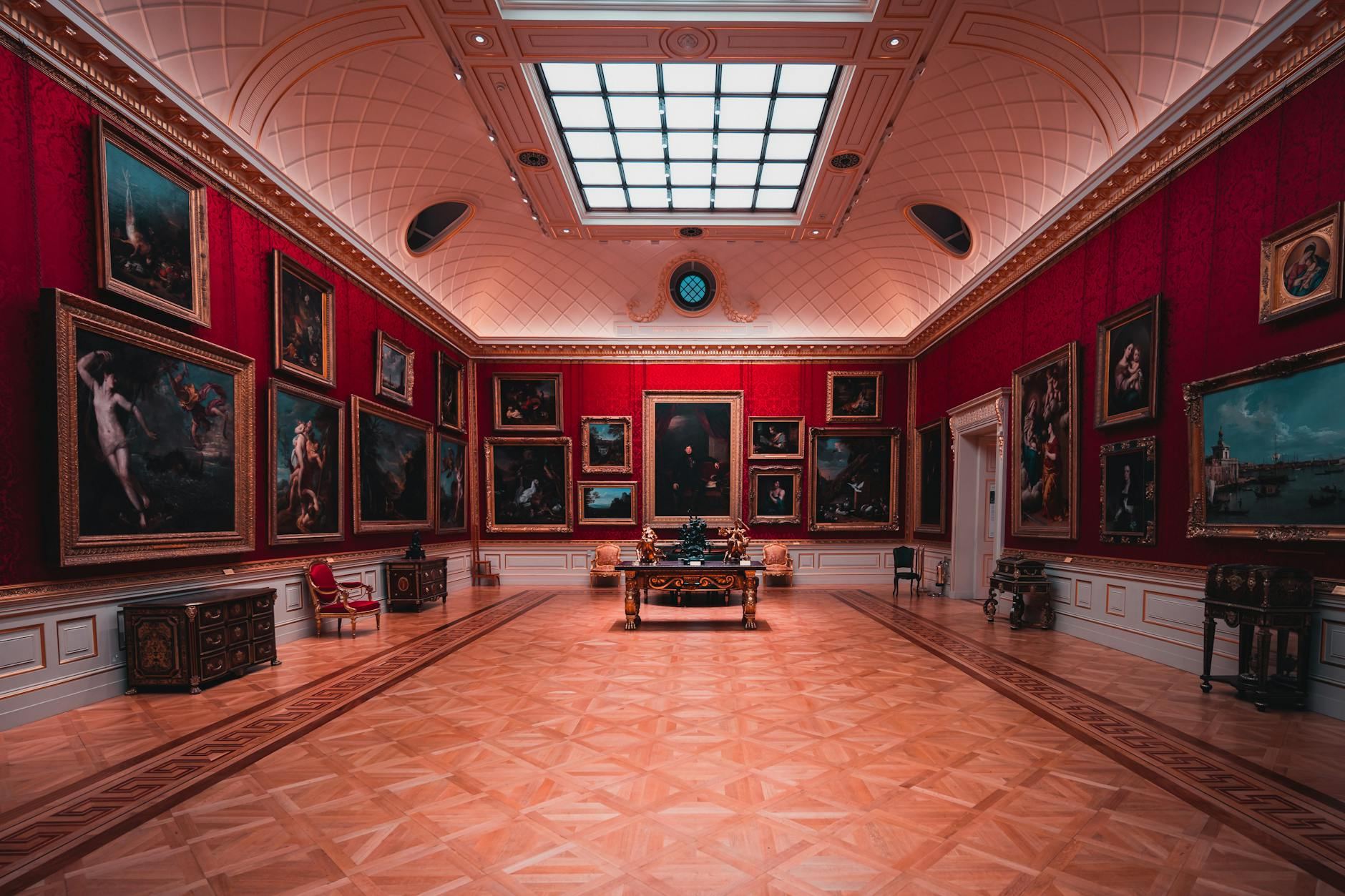
Art collecting isn’t just for the elite; Sarah snagged a $50 piece from an unknown artist that now hangs in a national gallery, proving great finds happen in local galleries.
Getting started with art collecting as a beginner allows you to engage with human creativity while potentially acquiring valuable pieces over time. — and unlike most hobbies, the objects you accumulate can appreciate in value while you enjoy them.
Collectors work across wildly different categories — oil paintings, photography, sculpture, illustration, ceramics. The medium doesn't define the hobby. Your collection ends up being a self-portrait made from other people's work.
The financial angle is real but unpredictable. A piece bought for $200 from an unknown artist can be worth multiples of that a decade later. Most collectors who profit didn't buy with profit in mind — they just bought what they genuinely loved.
Art collecting involves physically searching for and evaluating artworks like paintings and prints, acquiring pieces based on personal taste, and curating them at home. Hobbyists visit galleries, fairs, and studios to discover unique works, negotiate purchases, and then catalog and display their collections, reflecting their evolving identity.
Art collecting combats boredom through a hunt-and-victory feedback loop, providing a sense of accomplishment and deep engagement as collectors refine their taste and build expertise. This immersive process also fosters social belonging and creative expression, transforming each acquisition into a personal narrative that prevents routine stagnation.
You think art collecting is a playground for the wealthy. Million-dollar auction bids, white-glove handlers, names you recognize from textbooks. That picture is keeping you out of a hobby that regularly starts at $50.
Sarah bought an original painting from an unknown artist for $50 at a local gallery on a Saturday with nothing planned. That artist's work now hangs in national galleries. Sarah didn't spot a future star — she just bought something she loved at a price that felt reasonable.
A $50 painting. A national gallery.
No auction. No insider knowledge. The gap between those two things is just time — and the decision to walk into a local gallery instead of assuming it wasn't for you.
The next section covers exactly where to find those galleries, online markets, and the communities around them.
Your first gallery visit feels quieter than you expect. There's no obvious instruction. You walk slowly past pieces, unsure whether you're spending too long on one or not long enough on another. Something catches you — you stop. You don't know why yet. That pull toward a specific piece, before you can articulate a reason, is the actual beginning of your eye developing.
The part nobody warns you about is the paralysis. Once you've decided to actually buy something, the stakes feel absurd for the price tag. You'll second-guess a $90 print in a way you'd never second-guess a $90 dinner. The discomfort isn't a sign you're doing it wrong — it's what buying something permanent feels like the first time. Most people walk out empty-handed two or three times before committing to anything.
When you do bring something home, the placement process is its own frustration. Lighting changes how a piece looks entirely. What worked in the gallery looks flat above the couch. You'll move it. Then move it again. The collection starts shaping the room, not the other way around — and that's when the hobby stops feeling like shopping and starts feeling like curation.
The early sessions also expose a gap in your own taste you didn't know existed. You'll buy something you love, then see something better three weeks later and feel a flicker of regret. That's not buyer's remorse — that's your taste advancing faster than your collection, which means you're learning. The next section covers the specific mistakes that slow that process down unnecessarily.
When to start: Morning
Duration: 1-2 hours
Cost to try: $0
Success criteria: If you identified 5 artworks, wrote 1 note on each, and posted one feedback request in an art forum, do session 2.
Most beginners buy fast. They walk into a gallery, feel something, and pull the trigger before they've developed any real sense of their own taste. The problem isn't enthusiasm — it's that early purchases often feel hollow six months later when your eye has moved on.
Spend your first few months looking without buying. Visit galleries, browse fairs, save images, follow artists online. The pieces you keep returning to after two weeks are the ones worth owning. Impulsive first purchases rarely survive a collection's evolution.
New collectors often equate expensive with good and cheap with amateur. That logic gets expensive fast — and it's usually wrong. An unknown artist selling originals for $80 at a local fair can produce work that outlasts a $2,000 print from a well-marketed name.
Price reflects market position, not artistic merit. Buy what moves you at a price that doesn't hurt. The collectors who find standout work early are the ones who ignored the price tag and trusted their own reaction.
One landscape painting, one abstract print, one ceramic sculpture, one portrait photograph. A collection with no throughline feels like a waiting room. Beginners often grab whatever catches them in the moment, and end up with a group of objects that don't talk to each other.
You don't need a rigid theme. But a loose focus — a medium, a mood, a subject, an era — gives your collection identity and makes each new acquisition feel like a decision rather than an accident. That focus will shift over time. Let it. But start with one.
A lot of new collectors browse in silence, afraid to seem uninformed. They buy a piece, take it home, and know almost nothing about it beyond what the label said. That's a missed half of the hobby.
The story behind a piece is part of what you're acquiring. Ask the artist why they made it. Ask the gallerist who else is looking at this work. Those conversations build your knowledge faster than any book — and they're the relationships that give you early access to new work down the line.
Once you own five or six pieces, the logistics catch up with you. Receipts disappear. You forget where you bought something. A print left leaning against a wall for a year develops a crease. None of this feels urgent until it is.
Start a simple catalog from your very first purchase — artist name, title, date, price, where you bought it, and a photo. A spreadsheet works fine. Proper storage matters too: keep works away from direct sunlight and humidity. These habits are far easier to build early than to retrofit onto a collection that's already ten pieces deep.
Reddit's r/ArtCollecting is the most active starting point for new collectors. You'll find pricing questions, acquisition stories, and people showing off recent finds. For broader taste development, r/Art and r/WeAreTheMusicMakers (for art-adjacent creative communities) round out the Reddit side of things.
Instagram remains the dominant platform where artists and collectors intersect in real time. Search hashtags like #artcollector, #emergingartist, or #affordableart — then follow the collectors who comment, not just the artists. The fastest way to find your collecting community is to engage publicly on Instagram posts from galleries you already follow. Replies and saves signal your taste, and other collectors notice.
Commercial galleries, open studio events, and artist-run spaces are where real-world collecting communities form. Art fairs specifically — like Superfine Art Fair, NADA Art Fair, or locally run pop-up art markets — are dense with both collectors and artists at approachable price points. These aren't the intimidating auction-house scenes. They're weekend events where conversation is expected.
For structured community, look up your regional chapter of the Young Collectors Circle (run through many established museums) or collector groups affiliated with local art museums. Many museums run dedicated programs that mix talks, studio visits, and social events specifically for collectors who are still building.
This is casual collecting — buying original works or limited prints because something stopped you in your tracks. No strategy, no spreadsheet.
It's the most common entry point, and it suits people who want a home that reflects who they are rather than what a decorator chose. Budget can be as low as $30–$100 per piece.
Some collectors focus — one movement, one medium, one emerging artist they believe in. The collection starts to feel like a body of research rather than a random accumulation.
The hunt becomes more specific, which makes it more satisfying. You develop real expertise in a narrow area, and other collectors notice.
Gallery openings, art fairs, studio visits, estate sales — this variant is as much about the places as the pieces. You're not browsing a website; you're moving through a room where something might surprise you.
It suits people who want a reason to explore their city and talk to the people making things in it. The social side of collecting runs through this version most visibly.
Platforms like Artsy, Saatchi Art, and even Instagram have made it possible to build a serious collection without ever walking into a gallery. Artists from other countries, niche styles, work you'd never stumble across locally — it's all accessible.
The tradeoff is that you're buying without seeing the piece in person. Sizing, texture, and color can all read differently on a screen. Most seasoned online collectors have a story about a piece that arrived slightly unexpected.
Investment-minded collecting means researching auction records, tracking artists through career stages, and thinking about resale before you buy. It requires more homework than the other variants.
It's worth knowing that no credible collector treats art purely as a financial instrument — taste and genuine interest still drive the best decisions. The collectors who profit most are usually the ones who actually cared about what they bought.
Photography collectors, print collectors, ceramics collectors — medium-specific collecting develops fast because the community is smaller and more connected. You start recognizing names, understanding edition sizes, knowing what fair prices look like.
Prints and photography are the most accessible entry points in this category — limited edition prints from established artists regularly sell for $100–$500, and the works are designed to be collected.
The skill that separates collectors who improve from those who stall is learning to trust your eye over other people's opinions of value.
Most beginners walk into a gallery and immediately look for external cues — price tags, artist bios, how other people react. They're outsourcing their judgment before they've even formed one. That habit makes you a follower of taste, not a builder of it. And followers buy what's already been validated, which means they consistently pay more for less interesting work.
Training your eye means spending time with a piece before you know anything about it. You stand there. You notice what pulls your attention and what doesn't. You ask yourself why — not to impress anyone, just to get clearer. Collectors who do this consistently develop a point of view, and a point of view is what makes a collection coherent instead of random. A coherent collection tells a story. A random one is just stuff on walls.
The practical version of this looks simple: look first, read second. Every time. It feels slow at first. Then it becomes the thing you rely on most.
The next section covers where to actually put that eye to work — the galleries, fairs, and online spaces where real collectors spend their time.
Run four to six gallery visits over the next month — roughly once or twice a week. Keep them short. You're not buying anything yet, just looking.
That mental tug — replaying a piece hours after you left — is the clearest signal this hobby has a hold on you. If you caught yourself wondering who made it, what it would look like on your wall, or whether it was still there, that's the pull collectors describe. Start small: pick one piece under $100 and buy it.
Commercial galleries skew toward certain aesthetics — often safe, saleable work. Indifference after gallery visits doesn't rule out art collecting; it might just mean you haven't found your category yet. Try an open studio event, a print fair, or browse a platform like Artsy for a completely different slice of what's out there.
That's useful information. If looking at physical art felt like a chore rather than a pause, the collecting side of this hobby won't fix that. The hunt only rewards people who actually enjoy looking. Photography, ceramics-making, or illustration — hobbies where you create rather than curate — might be the better fit.
If you find yourself scrolling an artist's back catalog at 11pm because you wanted to see more of their work, you're already a collector. That's not casual interest — that's the obsessive curiosity the hobby runs on.
If art collecting feels like too much to commit to right now, browse what to do when you're bored for lower-stakes ideas.
Starting an art collection can begin at any budget—you can find affordable original pieces, prints, or emerging artist works for under $100, or invest thousands in established artists. The key is to start small, educate yourself on what resonates with you, and gradually build as your knowledge and budget grow. There's no minimum investment required to become a legitimate collector.
Investment-focused collecting emphasizes artist reputation, market trends, provenance, and potential resale value, while personal collecting prioritizes emotional connection and aesthetic enjoyment. Many collectors blend both approaches—choosing pieces they love that also hold historical or market significance. The best collections are built on genuine interest rather than purely financial speculation.
No, you can begin as a complete beginner by visiting galleries, museums, and art fairs to develop your eye and learn about different styles and periods. Reading books, following art publications, and consulting with gallery owners or curators helps build knowledge over time. Many successful collectors started with pure passion and learned the technical aspects gradually.
Authentication involves examining the artist's signature, provenance documentation, materials, and technique—ideally verified by certificates of authenticity, expert appraisals, or auction house records. Always buy from reputable galleries, dealers, or auction houses that guarantee authenticity and provide detailed provenance. For expensive pieces, independent expert verification is a worthwhile investment.
Proper care includes storing or displaying the piece in a climate-controlled environment away from direct sunlight, extreme humidity, and temperature fluctuations. Document everything with photos, purchase receipts, and certificates of authenticity, and consider insurance for valuable pieces. Having your collection professionally appraised periodically helps track its value and supports insurance claims if needed.
Art is available through galleries, art fairs, auction houses, online platforms like Artsy and Saatchi Art, estate sales, and directly from artists' studios. Local museums and artist communities are excellent places to discover emerging talent at accessible price points. Each venue offers different advantages—galleries provide expertise, auctions offer rare pieces, and artist studios often provide better prices.