BoredomBusted — Find Your Next Favorite Thing To Do
Discover hobbies, activities, places, and ideas that spark joy. Whether you're looking for something creative, active, social, or relaxing, BoredomBusted helps you find your next favorite thing to do.
Browse our hobby guides, things-to-do collections, and place ideas to never be bored again.
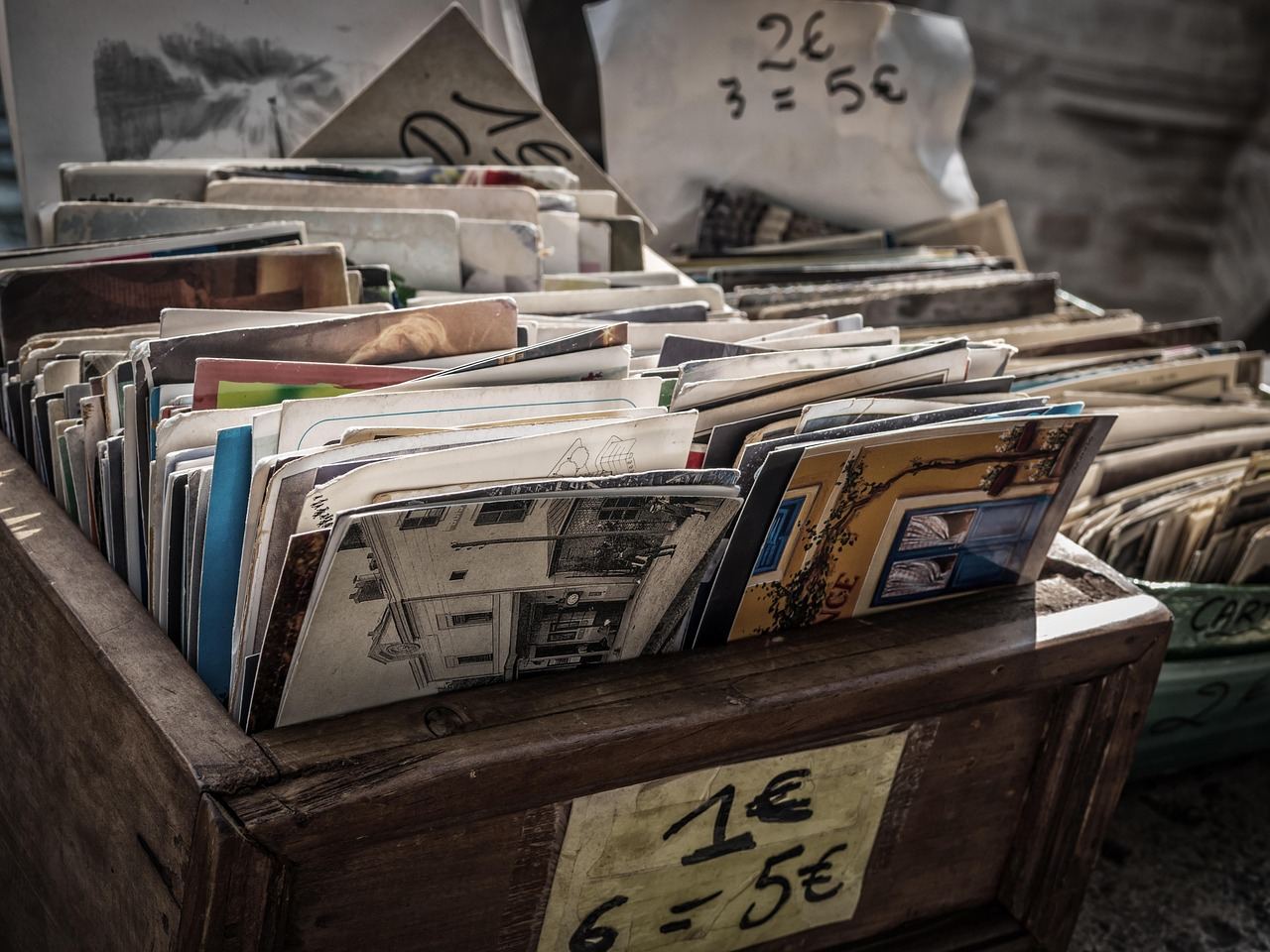
Card collecting isn't just about making money; it's a nostalgic journey that fosters community and personal connection more than profit.
Getting started with card collecting as a beginner involves understanding how to acquire and organize cards that hold personal, historical, or monetary value. This can mean sports cards, trading cards, or even vintage playing cards. While some focus on profit, many collectors are drawn to the art of curating collections based on themes or rarity.
Start by buying packs, trading, or visiting card shows. Acquiring cards involves sifting through boxes or browsing online. Organizing is where the real work begins, sorting them by year, team, or set to build a collection that reflects your passion.
People often think it's just for kids or sports fans. Card collecting spans many interests like fantasy, anime, and historical events. Both young beginners and seasoned collectors find something to love.
Maintenance is crucial. Proper storage in sleeves, binders, or boxes prevents damage. A card's condition impacts value, so preservation is essential.
Above all, card collecting is about discovery and connection. Finding that elusive card or sharing a rare find with others brings nostalgia and community together in one hobby.
Card collecting involves acquiring, organizing, and maintaining a collection of cards, typically featuring sports figures, game characters, or historical events. Collectors often trade and sell cards to refine their collections.
Card collecting engages both the mind and the senses, providing a sense of achievement and discovery as you expand your collection and learn more about the cards you own.
You might think card collecting is just a way to make money. High-profile auctions and stories about valuable finds make it seem all about profit. But focusing only on financial gain misses what makes it truly appealing.
Card collecting is deeply personal, not just profitable. Many collectors cherish the nostalgia and joy of having a collection that reflects their unique interests, like a favorite player or team. The real value often isn't in dollar signs—it's in the memories and stories.
The process itself can be therapeutic. Carefully sorting and organizing cards is soothing for some. It grows appreciation for the craft and stories behind each card, often sparking curiosity about the history they capture.
Card collecting is also about community. Local card shows and online forums offer spaces to connect with others. Shared interests build bonds that make the hobby as much about people as it is about the cards.
It's about detail, persistence, and curiosity. Finding a rare card isn't just good luck; it's a triumph of passion and perseverance. Moving forward, let's dive deeper into the social aspect.
The thrill of cracking open a fresh pack of cards is unforgettable. That unique smell of printed cardboard fills the air, and your senses are alive with excitement. Exploring your first collection feels like a treasure hunt, with each card revealing something new.
Curiosity takes over in week two. You start sorting cards by year or theme, slowly building a picture of what you've got. The sheer scope of the collecting world can be overwhelming. Suddenly, there are protective sleeves, binders, and a mountain of information to absorb.
By week three, the complexity of card values and rarity hits hard. You spend hours online, tangled in grading nuances and pricing mysteries. This is where frustration often begins because appraising your cards accurately isn't simple.
Talking to other collectors can turn things around. Local card shops or online forums are goldmines for advice and camaraderie. Most people are eager to help newbies find their way.
By week four, things start to make sense. The terminology becomes familiar, and you find your groove. Completing a small set or tracking down a rare card brings a rush of pride. The chaos fades into a newfound rhythm as decisions feel more informed.
Handling your collection feels satisfying, each card a piece of history you're proud to own. And with knowledge growing, your hobby journey feels richer and more rewarding.
When to start: Any afternoon
Duration: 1 hour
Cost to try: $10
Success criteria: If you enjoy the process and want to expand your collection, plan your next purchase or trading session.
Beginners often overlook the need for sleeves and binders. Without them, cards can end up with bent corners or scratches, killing their value.
Start by investing in protective gear. It's a simple fix that preserves your collection's worth.
New collectors often purchase cards without a plan, swept up in the thrill. This excitement can blind them to true value.
Set a budget and stick to themes or sets that truly interest you. This focuses your spending and builds a meaningful collection.
Without market knowledge, paying too much for common cards or misjudging rare ones is easy. This happens because of unawareness about trends and grading.
Spend time learning about values and fluctuations online. Forums and resources can provide crucial insights.
Some beginners avoid engaging with other collectors, missing loads of valuable tips. Shyness or assuming groups are unwelcoming often stops them.
Join local clubs or online groups. Asking questions and sharing experiences are essential for growth.
Piling cards randomly leads to chaos as collections grow. Tracking your inventory becomes frustrating, if not impossible.
Set up an organizing system by year, theme, or rarity. Keep it updated to enjoy a more manageable collection.
Your first stop should be local card shops. They often hold events or swap meets, perfect for meeting other collectors.
Facebook Groups and Reddit are must-visit online platforms. Connect with groups focused on sports cards or trading card games and join a global community to trade tips and participate in events.
Discover local clubs via Meetup.com by searching your interests. These clubs offer chances to network and learn from seasoned collectors.
Consider attending the National Sports Collectors Convention. It's a major gathering that lets you dive deep into the hobby and meet kindred spirits.
At your first club meeting, share a story about your most intriguing card. This sparks conversation and builds connections quickly.
Sports card collecting centers on cards featuring sports figures and teams. Ideal for sports lovers tracking player stats and game history.
Trading card games like Magic: The Gathering or Pokémon involve both collecting and gaming. Perfect for those who thrive on social and competitive gaming experiences.
Non-sports trading cards feature themes like movies and TV shows. Great for enthusiasts of culture and art over sports or games.
Vintage card collecting seeks older cards with historical value. Perfect for those who love the hunt for rare, nostalgic finds.
Digital card collecting happens online with NFTs and digital assets. Great for those blending tech interest with collecting.
Genealogy is a sibling pursuit and often surfaces the same kind of curiosity.
Accurately assessing card condition is the most important skill in card collecting. A card's worth is closely tied to its condition. Even tiny flaws can heavily impact its value. Without mastering this, you might overpay for damaged cards or fail to recognize the value of a pristine one.
Understanding grading scales and card flaws is vital. Examine corners, edges, surfaces, and centering carefully. Learn these to ensure you're getting value from your collection.
Practice with lower-value cards first. Study them under various lighting to spot flaws. Develop a keen eye for detail without risking high-value cards.
Compare your evaluations with professional grading services. Send in a few cards and see how your grades match up. This feedback will pinpoint accuracy gaps and areas to improve. Reassess any cards that differ significantly from the professional grade.
Seek advice from seasoned collectors, both in person and online. Observe their evaluation methods. Books might miss the nuances experts can provide. After a while, identifying card condition will feel effortless. The rest of the collecting process becomes much easier.
Try attending three card-related events or meet-ups over the next month. This might be a local card show, gathering at a card shop, or an online forum chat.
If you can't wait to dive into the stories behind each card, it's more than just a hobby — you're hooked. The next step is deepening your knowledge by organizing meet-ups or researching card history.
When the social interactions are fun but collecting feels less thrilling, you're in a middle ground. Consider keeping it as an occasional hobby and explore connecting through online communities focused on card trading.
If acquiring or organizing cards feels tedious, that's a clear sign it's not for you. Rather than forcing it, look into hobbies that better match your interests.
The one sign you shouldn't ignore is browsing for cards at midnight. That shows a genuine passion for card collecting.
If nothing here clicks, our guide to what to do when bored covers shorter, lower-commitment options.
Starting costs can be low, with packs available for a few dollars. However, serious collecting can become expensive, especially when purchasing rare cards.
Begin by choosing a theme or type of card that interests you. Purchase a few starter packs, and consider joining online forums or local clubs to learn from experienced collectors.
It varies based on your goals. Casual collectors might spend an hour a week, while those looking to build a significant collection will invest several hours each week.
The difficulty depends on your objectives. Understanding card values and market trends can be challenging, but casual collecting is straightforward and accessible.
Beginners often struggle with identifying valuable cards and managing their collections. Learning market trends and condition grading can also be challenging.
While some collectors do profit, it requires knowledge and patience. Not all cards appreciate in value, and the market can be unpredictable.