BoredomBusted — Find Your Next Favorite Thing To Do
Discover hobbies, activities, places, and ideas that spark joy. Whether you're looking for something creative, active, social, or relaxing, BoredomBusted helps you find your next favorite thing to do.
Browse our hobby guides, things-to-do collections, and place ideas to never be bored again.
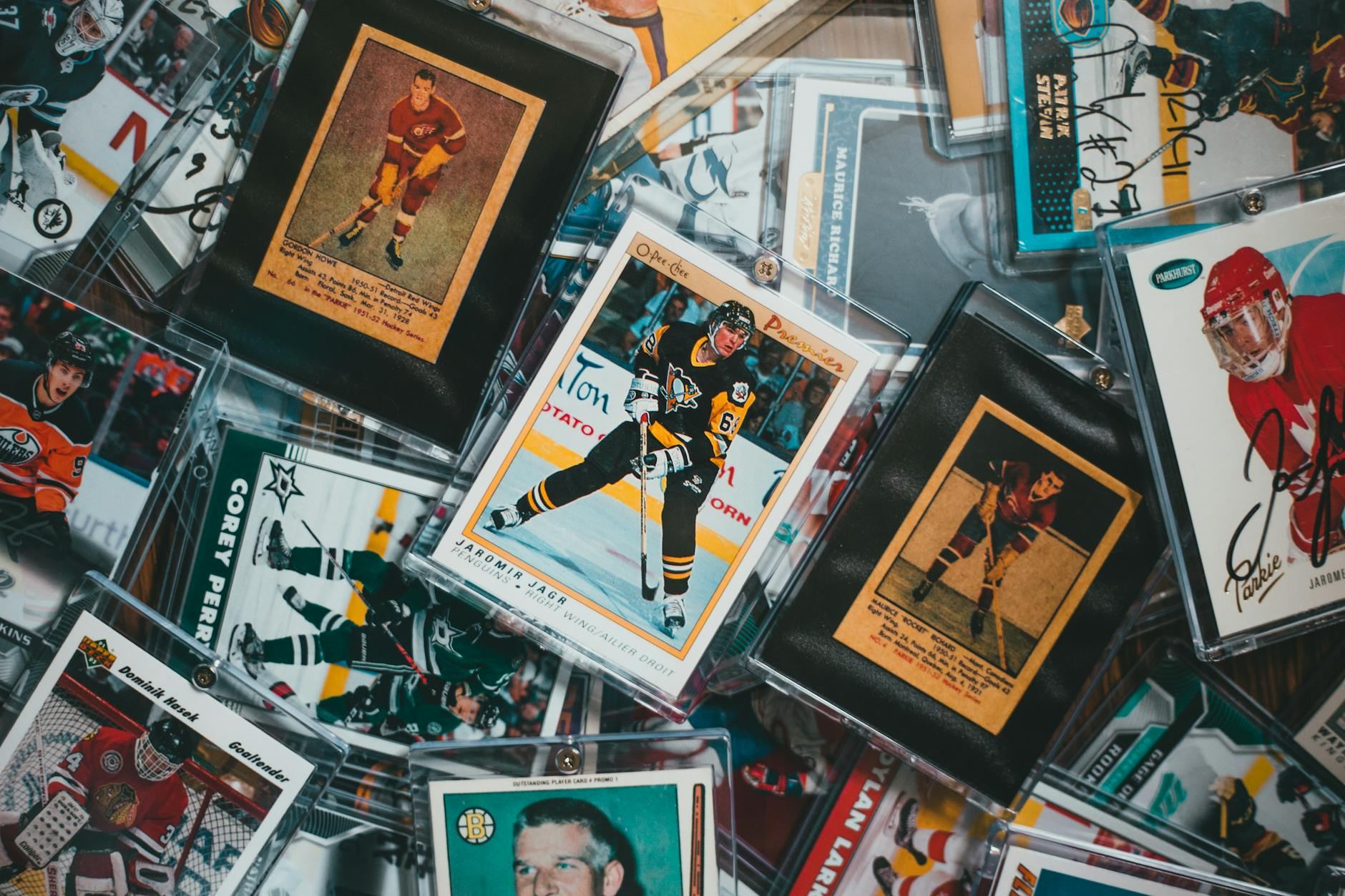
Autograph collecting isn't just for kids — it transforms into a sophisticated pursuit of history, culture, and personal stories that may appreciate in value.
Getting started with autograph collecting as a beginner offers a unique opportunity to connect with history and pop culture through tangible memorabilia. The item in your hand once passed through the hands of someone who shaped culture — that's the pull.
Conventions and signings are a big part of the hobby. Meeting fellow collectors often becomes as valuable as anything you bring home. The community tends to be serious, knowledgeable, and genuinely generous with information.
Building a meaningful collection takes time and real research. Skipping the work on authentication is how collectors lose hundreds of dollars to forgeries. Patience isn't optional here — it's the price of doing it right.
If you expect fast wins, this hobby will frustrate you. The payoff is a collection that grows in both monetary value and personal significance — but that only happens after years of deliberate, patient acquisition.
In autograph collecting, you actively seek out signatures from celebrities or historical figures by attending events, sending requests through the mail, or researching appearances. You curate your collection based on specific interests, verify the authenticity of signatures, and organize your memorabilia for display. This involves ongoing research to find addresses and opportunities, making it a …
This hobby satisfies a psychological need for uniqueness and connection by allowing you to own irreplaceable pieces of history, while the thrill of the hunt and ongoing research provide incremental challenges that engage your mind and create a sense of accomplishment. Additionally, the nostalgia triggered by your collection can evoke positive emotions, enhancing your mood.
You probably wrote off autograph collecting somewhere around age twelve. A few scribbles from athletes you no longer follow, stuffed in a shoebox. That's the version most adults carry.
The reality is different. Serious collectors like Kevin Keating — who spent decades assembling a verified collection of U.S. presidential signatures — treat this as archival work. Authentication alone can run $50 to $300 per item through services like PSA or JSA. The hobby selects for patience and research, not nostalgia.
A rare signature.
A verified provenance.
A documented chain of custody back to the moment it was signed.
That's what separates a shoebox from a collection worth protecting — and eventually, worth passing on. What you're actually building is a physical record of history you care about, and that starts with knowing exactly what to look for before you spend a dollar.
Your first session will probably involve a lot of staring at a screen. You'll search for a celebrity's fan mail address, find three different results, and have no idea which one is current. You'll draft a letter, second-guess the wording, rewrite it twice, and mail it feeling like you've done something — then wait. The dominant experience of early autograph collecting is uncertainty, not excitement. Nothing is instant. Most of the work happens before anything arrives in your mailbox.
The part beginners don't expect is how much the hobby lives in the research. Tracking down a verified address for a retired athlete, cross-referencing an appearance schedule, figuring out which signing events are worth attending — that's the actual work. Your first autograph will likely come from someone you contacted on a hunch, not from a polished strategy. That randomness is frustrating at first, but it's also what makes the eventual response feel disproportionately satisfying.
Early on, you'll also make a purchase you'll later question. Maybe it's a signed photo from an online marketplace with no authentication paperwork. You'll hold it and feel genuinely unsure whether it's real. That discomfort is the hobby teaching you its most important lesson before you've spent serious money. Authentication isn't a formality — it's the difference between a collection and a box of expensive guesses.
None of this means the early phase isn't worth pushing through. The first letter that comes back signed — even from someone mid-tier on your list — hits differently than almost anything you can buy off a shelf. The physical weight of a real signature from someone whose work you respect is genuinely hard to replicate. Before you get there, though, you'll need to know which early mistakes cost collectors the most — and how to sidestep them.
When to start: Early morning
Duration: 1 hour
Cost to try: $0
Success criteria: If you can build a folder with 3 researched names, 2 autograph images, and a 5-name wish list, do session 2.
New collectors grab whatever they can get. A baseball player here, a TV actor there, a musician from a signing table. It feels productive. A collection without a focus is just a pile of signed stuff — and it's nearly impossible to build depth or real value that way.
Pick a lane first. One era of film, one sport, one field of history — anything with a boundary. A focused collection is easier to research, easier to authenticate, and far more satisfying to grow.
Forgeries are not rare. They show up in auction listings, at conventions, and on resale marketplaces with certificates that look official but mean nothing. A certificate of authenticity from an unknown third party is essentially worthless.
The two names that actually matter in authentication are PSA and JSA. Before you spend serious money on any piece, verify it carries a PSA or JSA cert — or budget for third-party authentication before you buy.
TTM (through-the-mail) requests are one of the best tools a beginner has — postage cost, genuine signature, direct from the source. But most first attempts fail because collectors send to outdated addresses or skip the basics entirely. A request with no SASE (self-addressed stamped envelope), no brief personal note, and no clean item to sign almost always goes unanswered.
Resources like Fan Mail 2.0 and the TTM threads on collector forums maintain regularly updated address lists. Spend twenty minutes on research before mailing anything — it's the difference between a response rate of near-zero and something that actually works.
UV light, humidity, and acidic materials degrade ink faster than most collectors expect. A signed photo left in direct sunlight or stored in a regular plastic sleeve can fade significantly within a few years. The damage is usually invisible until it's already done — and there's no fixing a faded signature.
The fix is straightforward: acid-free sleeves, UV-protective frames, and stable storage away from light and moisture. Spend a few dollars on proper materials now, or spend much more later replacing pieces that didn't survive your storage choices.
A lot of beginners stall. They want to attend the right convention, find the right celebrity, land the right piece before they really start. Meanwhile, solid opportunities are sitting right in front of them. Local sports teams, regional authors, minor-league athletes — these are some of the easiest and most rewarding early acquisitions a new collector can make.
Starting accessible also means starting cheap enough to make early mistakes without serious cost. The skills you build on low-stakes pieces — verifying, storing, researching — are exactly what protect you when you eventually spend real money.
Start with Reddit. r/Autographs is the fastest way to get real answers from experienced collectors — authentication questions, TTM (through-the-mail) success reports, and forgery warnings all live there. It's active daily and genuinely useful.
For in-person connection, sports memorabilia shows and comic conventions are your two main venues. The National Sports Collectors Convention runs annually and draws serious dealers and collectors from across the country. Celebrity signing conventions like Hollywood Show (Los Angeles) or Chiller Theatre (New Jersey) are built specifically around autograph access. These events put you in the same room as both signers and collectors who have been doing this for decades.
Sportscollectors.net has been the dedicated forum for autograph and memorabilia collectors for over two decades. It carries deep archives on TTM addresses, signing schedules, and authentication red flags. Facebook Groups like "Autograph Collectors" and niche groups organized by category — actors, athletes, musicians — are also worth joining. The niche groups move faster and tend to attract more knowledgeable members than general collecting spaces.
Historical autograph collecting focuses on signatures from figures who shaped politics, science, literature, or war. Think presidents, explorers, inventors, authors. These items often come through auction houses, estate sales, or specialist dealers.
This is the most research-intensive version of the hobby. Authentication is non-negotiable — a signed Lincoln letter and a forgery can look identical to an untrained eye. It suits collectors who enjoy archival research as much as the acquisition itself.
Sports autograph collecting is the most accessible entry point for most people. Signed jerseys, balls, cards, and photos are widely available at conventions, through TTM (through-the-mail) requests, and via memorabilia dealers.
The personal connection to a team or era is what gives the collection meaning — not just the monetary value. This path works well for people who already have deep knowledge of a sport, since that knowledge directly helps with research and valuation.
In-person collecting means attending signings, conventions, premieres, and public appearances to get signatures directly from the source. Comic-Cons, sports expos, and book tours are prime hunting grounds.
The signatures carry a story you were actually there for. For collectors who value the experience as much as the item, this format delivers something no dealer transaction can replicate. The trade-off is that your collection is limited by geography and schedule.
Through-the-mail (TTM) collecting involves writing letters to celebrities, athletes, or public figures at verified addresses and requesting a signed item in return. Some collectors send photos or cards; others include a self-addressed stamped envelope.
The success rate varies wildly, and waiting weeks or months for a response is normal — but so is the surprise of finding a signed piece in your mailbox. This version suits patient collectors who enjoy the research side of tracking down addresses and response histories.
Entertainment autograph collecting centers on film, television, and music. Signed posters, album covers, scripts, and photographs from actors, directors, and musicians make up the core of this approach.
Values in this category can shift fast — a cast member from a cult film might be affordable today and hard to find tomorrow. Collectors who are already plugged into fan communities have a real advantage, since those networks surface opportunities early.
Thematic collecting means building around a defined concept — every Nobel Prize winner in physics, every Apollo astronaut, every Wimbledon champion. The collection has a clear goal and a clear end point.
Having a defined theme turns the hobby into a puzzle, and completing it carries a satisfaction that general collecting rarely delivers. It also makes authentication and valuation easier, since you quickly become a specialist in exactly one area.
Vintage Toy Collecting is a sibling pursuit and often surfaces the same kind of curiosity.
For something adjacent, see Action Figure Collecting.
The skill that separates collectors who improve from those who stall is learning to read a signature's context, not just its appearance.
Most beginners focus on how a signature looks. They compare loops, slants, and letter forms against a reference image and call it done. But forgers study those same reference images. A signature can look right and still be fake — because it was copied from the same photo everyone else is using.
Experienced collectors think differently. They ask: where was this signed, when, and by whom was it obtained? A photo-op signature from a convention signing looks different from one dashed off at an airport — and both look different from a secretarial signature a celebrity's assistant handled. Knowing what circumstance produces what kind of signature is what makes authentication intuitive rather than just a checklist.
This is a slow skill to build. It comes from handling items, studying provenance documentation, and spending real time in collector communities where people talk through specific examples. Once it clicks, you stop reacting to signatures and start reading them. That shift — from looking to actually seeing — is what the next part of this hobby demands from you.
Give it four sessions over 30 days — one to browse signatures online and set a focus, two to send your first TTM requests or attend a local signing, and one to review what came back and research authentication. That's enough to know.
You're already drafting your next TTM letter before the first one arrives. You've started a spreadsheet of addresses. That forward momentum — before you've even held a single return — is the clearest sign this hobby fits the way your brain works. Start narrowing your focus to a specific era, person, or field, and look into PSA or JSA so you understand authentication before the collection grows.
Indifference at this stage usually means the focus is wrong, not the hobby. A generic "celebrity signatures" collection rarely hooks anyone — a collection built around one director, one era of baseball, or one political period almost always does. Spend one more session getting specific before walking away. Swap the category entirely if you have to.
This hobby is mostly research, correspondence, and patience — the signature itself is almost the smallest part. If the in-between felt like dead time rather than anticipation, that's a real signal about how you're wired, not a discipline problem. Hobbies with faster feedback loops — photography, model building, even trading cards — give you the tactile and collecting satisfaction without the extended wait.
If you've pulled up a celebrity's upcoming appearance schedule or checked a signing convention calendar at an odd hour — late at night, during lunch — that's not casual interest. That's the hobby already running in the background of your brain, which is exactly how collectors describe when it clicked for them.
Still looking for something to do? Browse things to do when bored for more ideas.
Starting costs can range from under $20 for common autographs to $100+ for authenticated celebrity signatures, depending on who you want to collect. You can begin affordably with unsigned items or cheaper autographs from local events, then invest more as your collection grows and your interests narrow.
Authentic autographs are available from reputable dealers, auction houses like Heritage Auctions, signed memorabilia at conventions and fan events, and official signings by celebrities. Always verify authenticity through certificates of authenticity (COA) or third-party grading companies like PSA or JSA.
Store autographs in acid-free, UV-protective sleeves or frames away from direct sunlight, moisture, and extreme temperatures. Handle signed items with clean hands or gloves, and avoid placing them in contact with tape, adhesives, or other materials that can cause permanent damage.
Authentic autographs are personally signed by the individual, while pre-printed signatures are reproduced mechanically during manufacturing and have no collector value. Authentic signatures show natural variations in pen pressure and style, making each one unique.
Purchase from reputable sellers with COA (Certificate of Authenticity) and check third-party authentication services like PSA/DNA or JSA. Compare the signature against known exemplars, look for inconsistencies in handwriting, and research the seller's reputation and return policies.
Yes, authenticated autographs can appreciate in value over time, especially from famous athletes, actors, or historical figures. However, profits depend on condition, authenticity, market demand, and rarity—common autographs may not increase in value significantly.