BoredomBusted — Find Your Next Favorite Thing To Do
Discover hobbies, activities, places, and ideas that spark joy. Whether you're looking for something creative, active, social, or relaxing, BoredomBusted helps you find your next favorite thing to do.
Browse our hobby guides, things-to-do collections, and place ideas to never be bored again.
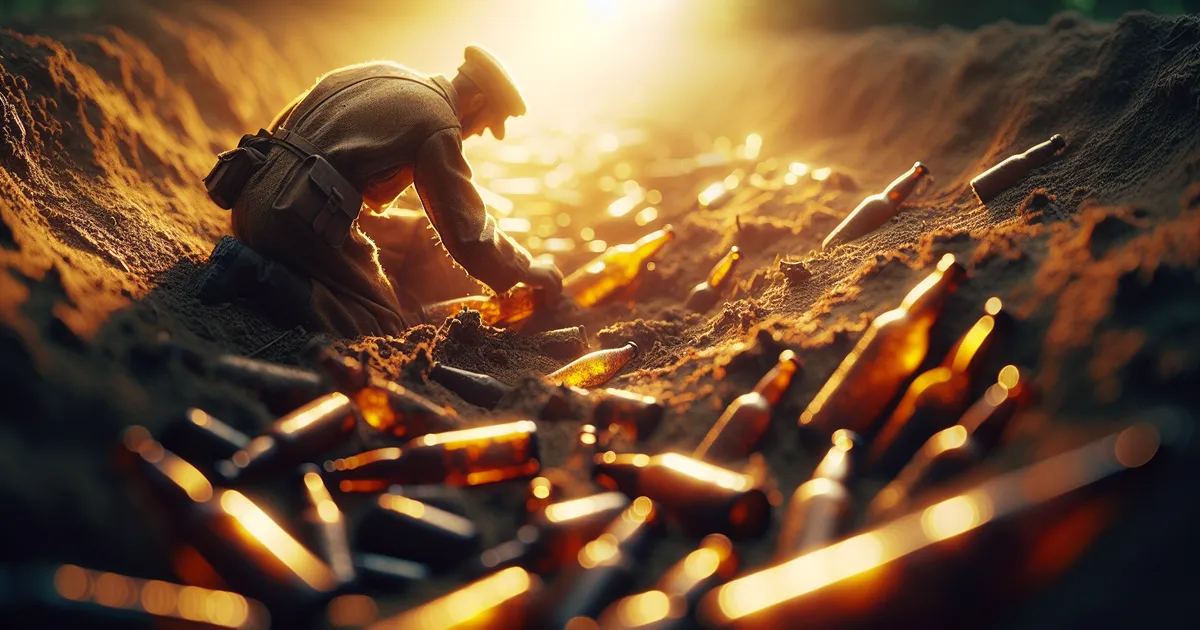
Bottle digging isn’t just for eccentric unlces; it's a serious archaeological pursuit where historical research often takes longer than the actual dig.
Getting started with bottle digging as a beginner can be an exciting adventure, uncovering hidden treasures buried in old privies, dumps, and cellar holes – then digging them out by hand.
Unlike metal detecting or mudlarking, the targets are fragile, non-metallic, and often a century underground, which means you're reading soil layers and historical maps, not sweeping a sensor.
Bottle digging involves locating, excavating, and recovering antique glass bottles from historical dump sites or privies, using specialized tools like bottle probes and modified forks, and requires manual digging and careful handling of fragile artifacts.
This hobby induces a flow state through physically demanding tasks and skill challenges, providing immediate feedback as you unearth bottles, fostering a sense of accomplishment and social belonging during group digs and shared experiences.
You assume this is about rummaging through trash. People find old bottles, post online, and it screams "eccentric uncle energy."
That image hides the real story beneath – history uncovered through shards.
It's less garbage picking and more material archaeology.
Pre-1900 bottles are unique due to color variations and imperfections. Two bottles from the same manufacturer are never truly identical.
Diggers often spend more time on historical research than on digging.
A detectorist in upstate New York spent weeks pouring over property records before digging behind an 1870s tavern. He unearthed a bright teal blob-top soda bottle—an unrecorded color for that bottler—now loaned to a historical society.
That's not digging through refuse—it's primary source research with a shovel.
So, where do you discover these historical sites without accidentally digging through someone's backyard?
The thrill of seeing someone pull a rare hand-blown bottle from the ground on YouTube doesn't match the reality. Your first session will be two hours of digging, a broken bottle, and the nagging thought you're in the wrong spot.
There's the romantic vision, fueled by videos and antique shop dreams. You buy the right gear, pick your site from historical maps, and head out with high hopes. Then come wet boots, a modern Pepsi bottle, clay with an unfamiliar smell, and doubt about whether the map was fifty feet off.
In your first week, you'll likely spend an hour probing before hitting something that turns out to be an old ketchup bottle. By week two, finding your first piece of genuine old glass feels major, even if it's cloudy and chipped.
Week three might bring a dead pit, a spot that's been raided or caved in, leaving you with rusty remnants and a lesson on what to avoid. By week four, you'll start reading the ground differently. This shift marks the transition from frustrating attempts to honing a skill.
You might quit now, or after a few tough weeks, or you might realize what sets persistent diggers apart isn't luck, but recognizing that a 'bad' session is just as informative. It helps map where treasures aren't hidden.
Before setting out, remember this: old outhouse pits often look like subtle ground depressions. They're sometimes just six inches lower than their surroundings. Walk the area first—your eyes can reveal more clues than your probe can.
When to start: Early morning
Duration: 1-2 hours
Cost to try: $10
Success criteria: If you finished without injury and found at least one bottle, do session 2.
Most beginners dive in without consulting old maps. They end up finding twentieth-century junk.Check Sanborn fire insurance maps or local archives. You need to know where outhouses and privies were before digging.
Digging straight down seems fast, but it's risky.
Dig around the perimeter first.
Then work inward, letting bottles stay supported.
Pressure changes and tap water can damage fresh-dug bottles.Let them air dry for 24 hours first. Then soak in distilled water before cleaning.
Color and shape don't tell the full story.A rough pontil scar means pre-1860s. Always flip bottles to check before deciding their worth.
Layer depth changes the story of your finds.Photograph each find with a measuring tape for depth before removing.
Bottle digging thrives where history hides beneath the surface. Abandoned properties, old farmland, and historical sites are hotspots. Rural lands untouched by development in over a century are also prime locations.
Urban privy pits, the remnants of old outhouse sites, hold incredible finds. Cities built over them often forgot they existed.
Tell the group you're a beginner and ask to join a dig. You could quickly find a mentor with the landowner's permission and gain insights on valuable finds.
The FHBC is your gateway to organized digs. They host the annual National Antique Bottle Show and connect you to regional digging opportunities.
Outhouses served as trash bins in the 1800s. People tossed everything in, including bottles.
Rich digs come from old privy pits— they're full of better-preserved glass, with fewer broken shards than open dumps. Best for diggers who want higher-quality finds and don't mind the historical detective work of locating old homesteads.
You'll need to do your research upfront: old maps and land records are your friend, sometimes aided by a probe rod to pinpoint the pit.
Bottles often ended up near water, where erosion keeps revealing them. Waterways preserve glass well.
Perfect for beginners— you often don't need permits, and can simply wade and spot bottles.
Rubber boots or waders are your tools of the trade here.
Old municipal and household dumps from the late 1800s to early 1900s hold glass, ceramics, and stoneware.
Ideal for absolute beginners— these sites are easier to find and more forgiving of technique mishaps.
Collapsed basements and cellar holes on old urban lots can have bottles preserved for a century.
Best for experienced diggerscomfortable with getting permissions, as these are often on private or municipal lands.
The treasures can be amazing, but securing legal access is often more challenging than the actual digging.
Walk tidal riverbanks at low tide to surface-collect exposed finds—no shovel required.
Great for testing the hobbywithout investing in gear. Popular along the Thames in the UK, but also fruitful in tidal rivers across the US and Canada.
Readers who enjoy this often gravitate toward Mushroom Foraging next.
Another variant that pulls from the same roots is Scuba Diving.
The key skill: reading soil disturbance with a hand probe. Not maps or old records. Before you dig, push a thin steel rod into the ground and interpret the feel. Detect the slight give of disturbed soil or the firm resistance of undisturbed clay. This tells you where to start digging without wasting time and effort.
When you can't read a probe, you're guessing. You might spend hours digging in the wrong spot. Learn to map your target underground first—the digging then becomes a reveal, not a gamble.
Start by probing a familiar area repeatedly. Record each sensation until patterns emerge—what disturbed soil feels like in your neighborhood. Always compare your probe readings to what you find after digging. This refines your sensitivity to subtle differences underground.
Probe around the edges of each pit to outline the full shape before digging sideways. This enhances your ability to visualize underground structures in three dimensions, changing how you dig forever.
Plan for four sessions over 30 days. One dig a week, ideally outdoors and on an interesting site.
If you find yourself researching more sites before finishing the first dig, you're not just curious; you're committed. Start compiling a list of potential spots and consider joining your local historical society. There's an established community out there trading leads.
If those digs left you feeling indifferent, take it seriously. Indifference at a basic site doesn't mean you're indifferent to it all. Before walking away, try a spot with more history or known activity – sometimes location matters more than you think.
If watching the clock is your primary activity at each session, take note. Spending hours unearthing nothing but broken glass and dirt is central to this hobby. If that's felt punishing rather than intriguing, this might not be the path for you.
The real clue is finding yourself looking at old neighborhood photos without a need for immediate purpose. That underlying curiosity points to a long-term engagement with this hobby.
When you don't want to commit, things to do when bored is a better starting point.
Bottle diggers typically uncover vintage glass bottles from the 1800s to mid-1900s, often with embossed brand names, dates, or colorful designs that reveal historical manufacturing practices. You may also find pottery shards, old jars, antique hardware, and other discarded items that tell stories about past communities. Rarer finds include hand-blown bottles, rare color variants, and items that appreciate in value among collectors.
Getting started is relatively affordable—you'll need basic tools like a shovel, digging fork, and bucket for $30–$50 total. Additional recommended items include gloves, safety goggles, and a small sifter (another $20–$30), making a complete beginner setup around $50–$80. Once established, ongoing costs are minimal unless you invest in specialized tools or travel to distant dig sites.
Old dump sites, ghost towns, abandoned homesteads, and areas of historical settlement are prime locations for bottle digging. Always get permission from landowners before digging, and check local regulations—some areas require permits or have protected archaeological sites. Online resources and local historical societies can help identify promising dig locations in your region.
Finding your first bottles can happen within a single dig session, though you might encounter common modern glass initially. Building a collection of rare or valuable pieces typically takes weeks or months of regular digging as you learn where to look and develop an eye for quality finds. Patience and persistence are key—some diggers find premium bottles on their first outing, while others build value through quantity and variety.
Broken glass, rusty metal, and sharp artifacts pose the main hazards, which are mitigated by wearing cut-resistant gloves and safety goggles. Digging also risks falls or collapses in unstable soil, so avoiding steep dig sites and using proper digging techniques keeps you safe. Always tell someone where you're digging and be cautious around old structures or contaminated areas.
Value depends on age, rarity, color, condition, and maker's mark—bottles from the 1800s with embossed text or unusual colors typically command higher prices. Consulting price guides, joining collector forums, and checking completed eBay listings helps you gauge worth. Condition matters significantly; intact bottles with no chips or cracks are worth substantially more than damaged pieces.