BoredomBusted — Find Your Next Favorite Thing To Do
Discover hobbies, activities, places, and ideas that spark joy. Whether you're looking for something creative, active, social, or relaxing, BoredomBusted helps you find your next favorite thing to do.
Browse our hobby guides, things-to-do collections, and place ideas to never be bored again.
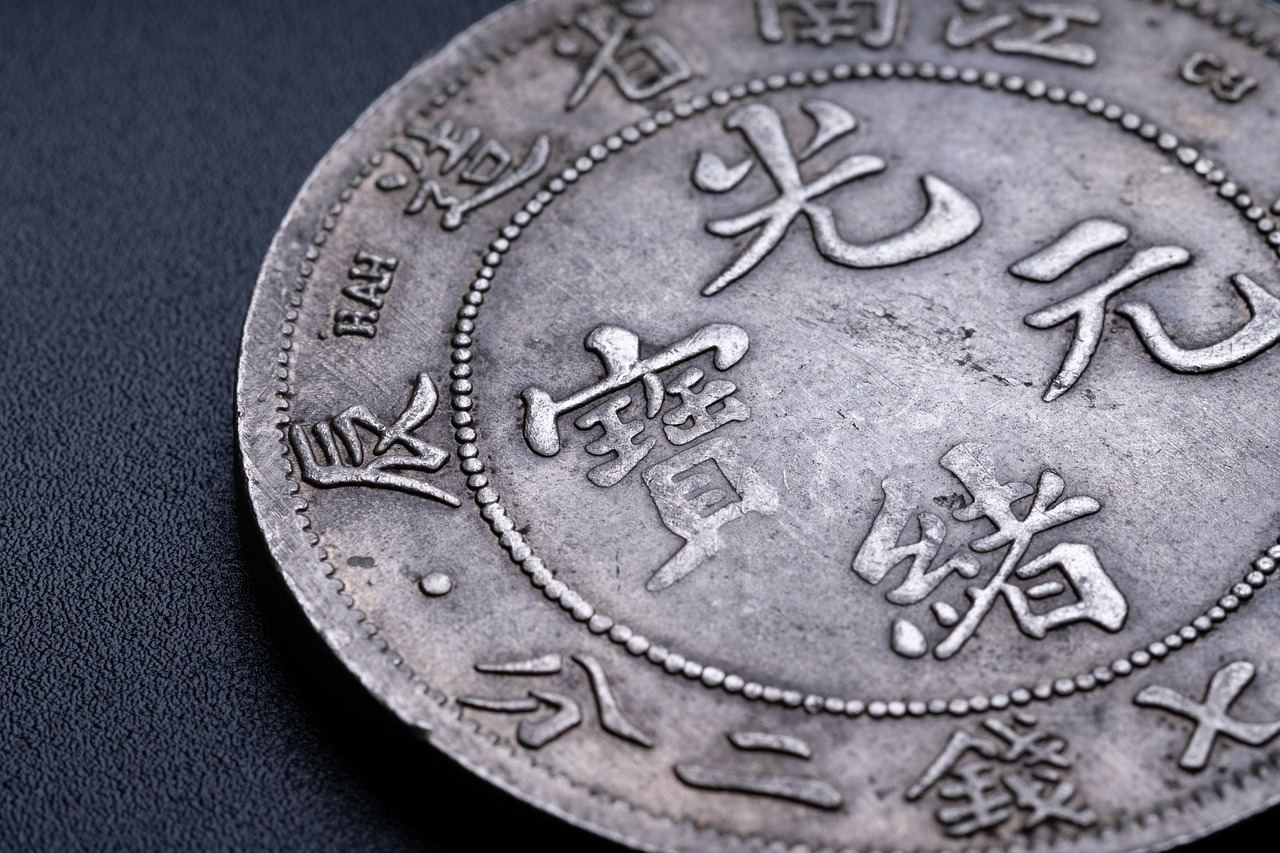
Coin collecting isn’t a treasure hunt for riches—it's a thrilling detective game focused on finding significance in common coins.
Starting out in coin collecting as a beginner can transform your small change into a treasure trove of rare finds. You dig through bank rolls, pocket change, and estate sale finds, searching for rare dates and mint marks.
Under magnifying glasses, collectors analyze each coin, using guides to value and catalog them. It's about assembling complete sets, from every penny of a specific year to hard-to-find silver dollars.
Many start by saving coins from circulation. Some coins could be worth more than you'd expect.
In coin collecting, you actively acquire and organize coins, engage in type set collecting, or pursue specific years and mint marks, while also curating and storing your collection. This involves researching historical contexts, identifying valuable coins through practices like coin roll hunting, and participating in coin clubs to share your discoveries.
Coin collecting can create a flow state as you focus intently on the details of coins and the thrill of discovery, while the incremental skill feedback from learning about coin values and historical significance fosters a sense of mastery and accomplishment.
Coin collecting is detective work with everyday currency, not a pursuit for rare, expensive coins.
Most collectors curate fascinating collections from common coins that cost pennies or dollars. It's about spotting what's scarce, like a 1969-S penny, and hunting for it across rolls and dealer lots.
The thrill is the hunt.The pleasure is in the knowledge.The price tag isn't the goal, just a byproduct of discovery.
Next, we'll dive into how to enhance your detective skills and build your collection.
Your first hour with a bulk coin lot from eBay might feel more like panning for gold. Expect worn Buffalo nickels and foreign currency, not rare treasures. Your fingers will surprise you by getting dirty from years of pocket grime and oxidation. Identifying coins is harder than it looks. Is that a mint mark or just damage? You'll see the need for a magnifying glass and a price guide you hadn't considered.
Then comes the thrill of spotting a coin with unexpected luster or a known error. The object in your hand suddenly feels significant, and that's when coin collecting starts to feel addictive.
When to start: Early morning
Duration: 1 hour
Cost to try: $0
Success criteria: If you identify at least 3 different coins, photograph them clearly, and write one fact plus one question for each, do session 2.
Most beginners don't quit coin collecting because it's hard. They quit because they made a few fixable mistakes early on and didn't know it until the damage was done.
New collectors browse dealer tables or eBay listings with no price baseline — and pay too much, or pass on something genuinely rare. The Whitman Red Book costs under $15 and lists mintages, grades, and values for virtually every U.S. coin. Read it before your first purchase, not after.
Fingerprints are permanent. The oils from your skin etch into a coin's surface within hours, and no amount of storage fixes it afterward. Hold every coin by its edge — never touch the face — and use cotton gloves or freshly washed hands.
Plastic sandwich bags, rubber bands, cardboard boxes — beginners use all of them, and all of them cause damage. PVC in cheap plastic holders leaches onto coin surfaces over time, leaving a green film that destroys value. Spend on archival-quality holders from the start.
Mylar flips, inert plastic slabs, and acid-free cardboard 2x2s are the standard options. They're cheap insurance against damage that can't be undone.
This is the single most common way collectors destroy value without realizing it. A coin that looks dull or dirty still has its original mint surface — and that surface is exactly what graders and buyers are paying for. Cleaning a coin removes that surface permanently and can cut its value by 50–90%.
A cleaned coin is flagged as "damaged" by PCGS and NGC, the two major grading services. That label follows it forever. Leave the toning alone.
Impulse buying feels like collecting. It isn't. You end up with a random pile of coins that don't build toward anything — and a budget that disappears fast. Write a want list before you visit any show, shop, or listing.
Keep a simple log with the coin, target grade, and max price you'll pay. It takes five minutes and stops you from buying the same date twice or overpaying because something looked appealing in the moment.
Coin collecting (numismatics) is buzzing in 2026. It's a mix of vibrant online discussions and bustling in-person events. Shows like FUN, ANA events, and regional meets create peak activity periods. Online chatter often links to US Mint releases, market trends, and collector themes like WWII or 2026 commemoratives.
For online engagement, Coin Community Forum stands out. It's packed with threads on US Mint buys and show recaps. With 100k+ posts a year, beginners are welcomed warmly.
American Numismatic Association's network of nearly 400 clubs is another key player. Perfect for networking, sharing best practices, and engaging in youth programs. Their forums buzz with expo preparations.
The Numismatic News Coin Show Calendar Forums focus on event-driven discussions. Shows like the Texas Numismatic Association spark lively planning threads.
David Lawrence Rare Coins Blog offers insights into the market and collector highlights. Auctions and show previews, like the FUN Show, are common themes.
On Reddit, r/coins is ideal for casual Q&A. Posts dive into Mint offerings and show attendance, engaging a community of over 200k.
Type collecting means grabbing one coin from each major design era — one Shield Nickel, one Buffalo Nickel, one Jefferson Nickel — rather than hunting every year and mint. You get a broad sweep of history without needing hundreds of coins.
This is the lowest-pressure way to start — no chasing rare dates, no stressing about mintmarks. Budget collectors and total beginners land here most often.
Series collecting means owning every year and every mint that produced a coin — every Lincoln Cent, every date, every facility. The Whitman folders exist for this. So do the rabbit holes that swallow your evenings.
One or two key dates in a popular series can cost more than everything else combined. Completing a full series is a years-long financial commitment, not a casual weekend project.
Thematic collecting is organized around an idea — coins from every country you've visited, coins featuring animals, coins from ancient Rome. The rules are yours. The finish line is yours too.
This approach works especially well for people who find catalog-driven collecting too rigid. No official checklist tells you when you're done — which is either freeing or maddening, depending on your personality.
Error and variety collecting focuses on coins the mint got wrong — doubled dies, off-center strikes, missing design elements. The 1955 Double Die Lincoln Cent and the Three-Legged Buffalo Nickel are the famous names. Early American copper coins are particularly rich territory because dies were hand-cut.
You need to know die states, die marriages, and how to spot fakes — authentication expertise isn't optional here, it's the whole game.
Mint-specific collecting means focusing on coins from one facility — Carson City, New Orleans, San Francisco. These mints operated during distinct periods of American history, so the coins carry real geographic and economic context.
It pairs naturally with type or series collecting as a way to narrow focus. Carson City coins carry a significant price premium over equivalent coins from Philadelphia or Denver — know that before you commit.
A close neighbor worth considering: Genealogy.
For something adjacent, see Modern Coin Collecting.
Learning to grade coins for mint state without having a reference collection changes everything. It's not about buying expensive coins right away.
Instead, focus on recognizing microscopic wear patterns. Spot tiny friction marks on high points. Notice the original luster in protected areas. Study museum photos and grading guides.
This skill transforms you from a buyer into a discoverer. It lets you spot the overlooked gem in a $5 bin at an estate sale.
Try coin collecting with at least three dedicated sessions over a month. Spend time exploring different sources and studying your finds during this period.
If you find joy in acquiring unique coins and anticipate your next purchase, it's clear you're hooked. Keep researching mint marks or production years, and start cataloging your collection to track its growth.
If the sessions feel repetitious or you lose interest in detailed research, coin collecting may not be the best fit right now. Consider focusing on a niche area, such as coins from a specific era, to reignite enthusiasm before calling it quits.
If handling coins and their history feels tedious, that's your cue. Collecting might not align with your interests if value isn't tangible enough for your taste.
Checking antique listings late at night signals genuine interest. That's your green light to dive deeper into the hobby.
If coin collecting feels like too much to commit to right now, browse what to do when you're bored for lower-stakes ideas.
You can start collecting coins with as little as $10–$20 by purchasing common coins from circulation or affordable vintage coins online. As your interest grows, you can expand your budget and focus on specific eras, countries, or rare pieces that match your financial goals.
Beginners typically start with circulating coins from their own country, error coins, or affordable vintage coins from the 1960s–1980s. Focus on coins that interest you visually or historically rather than chasing expensive rarities—this helps you develop knowledge while staying within budget.
Check a coin's value by examining its mint mark, date, condition, and rarity using online price guides, auction results, or professional grading services like PCGS or NGC. Coins in excellent condition, with lower mintage numbers, or from key dates typically command higher prices.
Coin collecting can be as affordable or expensive as you want—you can build a meaningful collection on a modest $10–$100 budget by starting with common coins and gradually adding better pieces. The key is setting a personal budget and collecting strategically rather than buying randomly.
Store coins in acid-free holders, plastic sleeves, or certified slabs to prevent damage from moisture and oxidation. Keep them in a cool, dry place—ideally a safe deposit box or home safe—to protect your investment from theft and environmental damage.
Building a meaningful collection takes patience; most collectors spend 2–5 years developing knowledge and acquiring quality pieces before seeing significant appreciation. Focus on learning and enjoying the hobby rather than rushing—the education and enjoyment are often worth more than immediate financial returns.