BoredomBusted — Find Your Next Favorite Thing To Do
Discover hobbies, activities, places, and ideas that spark joy. Whether you're looking for something creative, active, social, or relaxing, BoredomBusted helps you find your next favorite thing to do.
Browse our hobby guides, things-to-do collections, and place ideas to never be bored again.
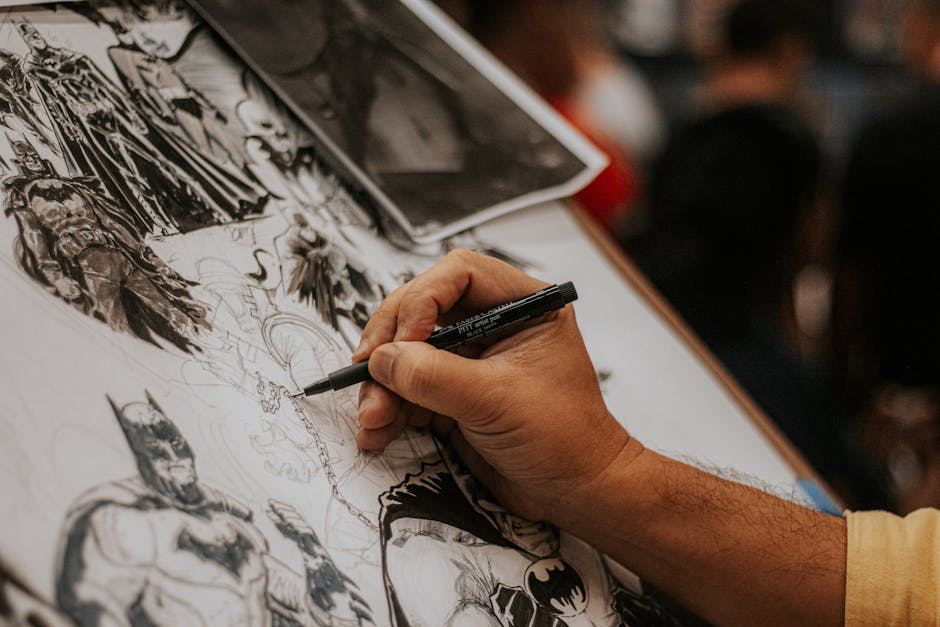
Modern comics are undervalued by collectors — mastering the market today can lead to big returns on tomorrow's key first appearances.
Getting started with modern comic collecting as a beginner involves understanding the nuances of buying, storing, and trading issues while paying attention to condition, print runs, and potential value.
Tracking scarcity and trends is key. You want to know what's heating up and what deserves protection in a bag and board.
The grading system, variant covers, and key issues make comic book collecting a unique and obsessive ecosystem.
Modern comic collecting involves acquiring comics from various sources like shops, conventions, and sales, organizing them by themes or series, and evaluating their condition and value. Collectors engage in the tactile experience of searching through bins, comparing issues, and making strategic decisions about what to add to their collection. This practice can also include attending events to con…
The hobby engages the mind through the thrill of the hunt and the satisfaction of discovering unexpected finds, which can lead to a sense of accomplishment when completing collections or uncovering rare items. Collecting fosters community and social belonging, as collectors share insights and experiences at conventions, helping to alleviate feelings of boredom through meaningful interaction.
Think modern comics aren't for "real" collectors? You're missing out.
Modern comics are one of the easiest ways to dive into collecting.
It's not just about the latest releases. It's about predicting demand faster than others. First prints and key appearances often become hot items within days.
Skills transfer effortlessly. Grading modern books builds expertise that applies to vintage ones, all while minimizing costly errors.
Variant cover culture has sparked a thriving secondary market. Spotting potential means a $4.99 comic could trade for $80 within months.
Consider the first appearance of a character slated for a Marvel or DC film. It can leap from cover price to triple digits overnight. Donny Cates' run on Venom did exactly this, moving books from dollar bins to hot commodities after a single Disney+ mention.
The real question isn't about modern books' value. It's understanding why one copy is ten times more valuable than another, and that's where it gets intriguing.
Standing in a comic shop isn't as easy as the pros make it look. You're not sure how to judge the value of what's in your hands or even what you're really looking at. The first time in the shop can feel like holding a story you can't begin to read.
That flashy cover might not be just a regular copy. Modern comics have ratio variants, like 1:10 or 1:50. Their cover price might say $4.99, but they can sell for $30 to $80 depending on the artist. Recognizing these isn't about the cover design alone; you need to check the indicia or use Key Collector or ComicsPriceGuide.
Feeling overwhelmed by the variants is normal. You might leave with something overpriced in your bag, but you'll also find yourself drawn back. The hook isn't in the clean slabs and neatly organized lists but rather the complexity and potential hidden in those long boxes.
You'll face confusion, and at times it might seem like the variants are a scam designed to trip you up. Stay long enough, though, and the complexity becomes clear. That's what makes the discovery of a $5 bin find truly rewarding. Next, we'll dive into common mistakes that make the learning curve steeper.
When to start: Morning
Duration: 1-2 hours
Cost to try: $0-10
Success criteria: If you identify 3 new issues, note their issue numbers, variant covers, and current prices, do session 2.
Collectors often reach for the coolest-looking variant right away. But without knowing about limited editions like a 1:25 retailer incentive variant, you could miss a more valuable option.
Look up the complete variant list on CBCS or Key Collector Comics before you buy.
Grabbing generic polypropylene bags from Amazon might seem economical. But these off-brand options can damage your comics faster than time. By the time you notice yellowing, it's too late.
Opt for Mylar-D bags and acid-free boards like those from BCW and E. Gerber.
Collectors often assume their comic is pristine and worthy of a 9.8 grade. But a small spine bend can reduce the grade significantly. CGC fees don't come with a refund if you're disappointed.
Inspect your comic with a loupe and raking light, using CGC's grading standards.
Rumors of movie adaptations can cause comic prices to skyrocket. A casting change can make them crash just as fast. This kind of speculative buying often leaves you with costly comics that rapidly lose value.
Stick to buying comics you'd love, no matter what happens.
Concrete floors add humidity to cardboard boxes, damaging your comics over time. This hidden problem can warp the bottom tier of your collection without you even realizing.
Raise boxes on pallets or shelving. Add a hygrometer to monitor humidity.
Comic collecting thrives in places filled with physical copies. Comic book stores, conventions, and even flea markets are where the magic happens.
Hands-on experience is vital first to understand grading and condition. Even serious collectors start by feeling the pages before venturing into online buys.
Say you're new to collecting. Asking for advice on popular issues shows you're eager to learn and often leads to valuable recommendations.
This is the baseline – buying individual floppies as they release and chasing first appearances.
Great for readers who want to stay current and build a sellable collection over time.
Costs escalate quickly if you follow multiple titles, so decide on a focus before your comic habit inflates your spending.
Instead of singles, you collect compiled story arcs in paperback or hardcover format.
Perfect for readers more interested in stories than investment returns.
As a beginner, you'll read more and spend less, with no need to worry about storage.
Publishers release the same issue with different covers – think retailer exclusives and artist editions.
Ideal for collectors who seek aesthetic value or speculate on limited print runs.
Costs can surge – a 1:100 ratio variant might cost $50–$200+ early on.
Submit comics to a third-party grader like CGC for condition scoring and sealed protection.
Ideal for preserving value in keys and resell options.
Grading fees usually start at about $25 per book, plus shipping, so choose your slabbing carefully.
Anchored in the Modern Age (1992–present), with late Copper Age keys (mid-80s to early 90s) for added depth.
Ideal for collectors building on Modern basics and reaching for more without diving into Silver Age costs.
This is a progression, not a separate hobby – budget for variability in older stock conditions.
Another variant that pulls from the same roots is Golden Age Comic Collecting.
Mastering modern comic collecting hinges on spotting market signals before others do.
Many beginners focus on first appearances, rare variants, and other popular picks.
The real advantage is reading between the lines of the print numbers. Not every limited edition or variant is truly scarce. Understanding print runs, including orders and returns, helps reveal what's actually rare.
The secret is to find what's quietly circulating versus what's hyped. That's where collectors make smart choices.
Noticing the undervalued $4 comic with a modest print run is the game-changer. It's these quiet finds, often overlooked, that offer true value.
Reacting only to online buzz means you're a step behind.
Commit to 8 sessions over 30 days – roughly two per week. That's enough time to hit a local shop, sort through a new haul, read what you've grabbed, and decide if the curation instinct feels natural or forced.
You're already building a pull list and cross-referencing first appearances. You're hooked. The research loop is the hobby. Start tracking your collection in a spreadsheet and set a monthly budget.
You enjoyed the reading but forgot about the collecting. You might just be a comics reader. That's a cheaper and valid angle without the collector pressure.
You found browsing tedious and pricing conversations exhausting. That's the hobby telling you it's not a fit. Modern collecting demands patience and market awareness. Balking at this early won't ease with time.
You keep checking eBay sold listings for books you don't own, not to buy – just to know. That insightful curiosity keeps the hobby alive long-term, beyond the initial buzz.
Budgets matter. If you can't comfortably spend $50–$100 monthly, the financial stress will spoil the fun. If you live in a rural area with no local shops, shipping hassles and surprises will frustrate you.
Mind the clutter. This hobby generates physical items that require organization and space, which may bother minimalists who struggle with accumulating things.
When you don't want to commit, things to do when bored is a better starting point.
You can start with as little as $10–$20 per month by collecting single issues at your local comic shop or online. However, many collectors budget $50–$100+ monthly to pursue variant covers, first editions, or key issues that appreciate in value. Your starting cost depends entirely on which titles interest you and whether you're collecting for enjoyment or investment.
Variant covers are alternative artwork versions of the same comic released simultaneously, often in limited quantities, and typically cost slightly more than standard covers. Publishers use variants to drive sales and create collectible value, making them popular with investors and fans seeking unique versions. Regular issues feature the main cover art and are widely available and more affordable.
Building a modest collection of 50–100 comics takes 3–6 months of regular purchasing, while developing a valuable, curated collection with key issues and variants can take 1–3 years. The timeline depends on your budget, knowledge of which comics appreciate, and hunting for specific titles. Patience and research matter more than speed—many collectors find the gradual process is part of the hobby's appeal.
Some modern comics do appreciate in value, especially first appearances, limited variant covers, and issues tied to upcoming films or shows. However, success requires knowledge of market trends, careful condition storage, and realistic expectations—most casual collecting breaks even or operates at a loss. Treat it primarily as a hobby you enjoy; any financial returns should be a bonus, not the main goal.
Essential supplies include acid-free comic bags, backing boards, and storage boxes to prevent damage from moisture, sunlight, and handling. Many collectors invest in temperature-controlled storage and consider professional grading for high-value items. Proper storage directly impacts condition and resale value, so these initial investments pay off over time.
Watch for first appearances of characters, limited print runs, low-distribution variant covers, and issues tied to upcoming movies or TV adaptations. Online communities, price tracking sites, and comic shop staff can help you identify trending titles before demand spikes. However, no purchase is guaranteed—research current market activity and avoid chasing hype blindly.