BoredomBusted — Find Your Next Favorite Thing To Do
Discover hobbies, activities, places, and ideas that spark joy. Whether you're looking for something creative, active, social, or relaxing, BoredomBusted helps you find your next favorite thing to do.
Browse our hobby guides, things-to-do collections, and place ideas to never be bored again.
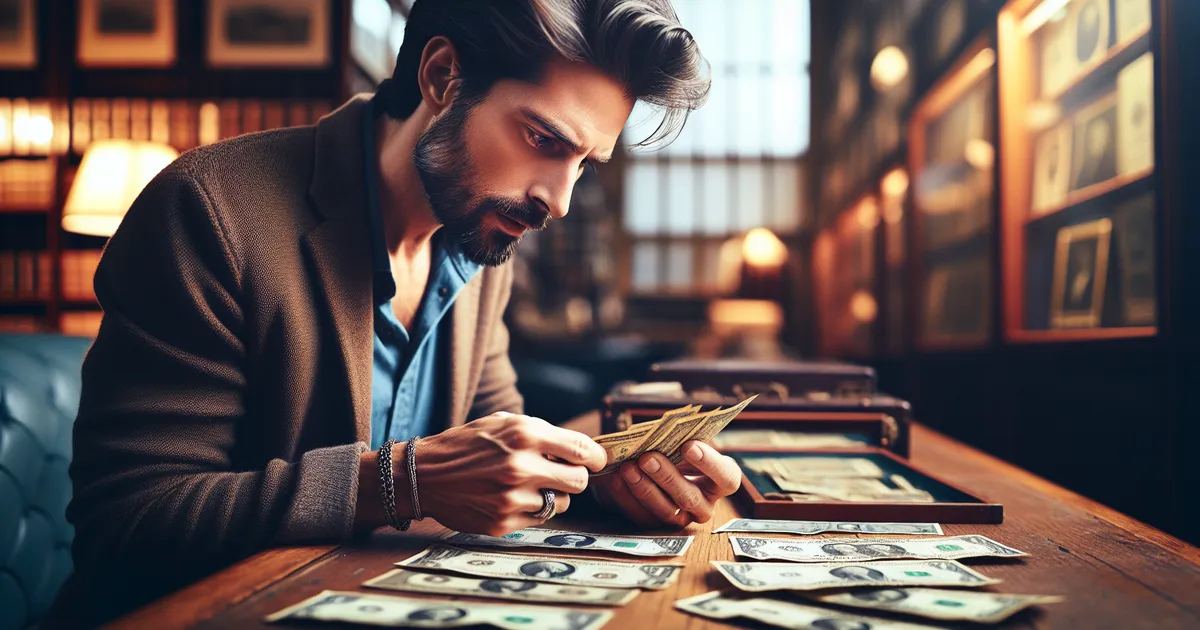
Paper money collecting isn't just for nostalgia; it's a dynamic study of history, with a grading system that can dramatically affect value based on tiny differences.
Getting started with paper money collecting as a beginner means immersing yourself in the fascinating world of banknotes and their unique stories.
Collectors often categorize their finds by country, era, or theme.
Focus on the printed design and paper condition rather than metal shine or weight.
Paper money collecting, or notaphily, involves acquiring, evaluating, and organizing banknotes. Practitioners handle notes, inspect them for condition and rarity, catalog them meticulously, and engage in research to verify authenticity and value. This hobby includes trading at local clubs or conventions, cleaning and preserving notes, and curating themed collections based on historical and artist…
This hobby offers rapid skill feedback through the immediate assessment of note conditions, fostering a sense of accomplishment with each discovery. Collectors experience a flow state while immersed in the intricate details of notes, providing novelty and engagement. Additionally, it builds social connections through community interactions, countering feelings of isolation.
You think this is a grandpa hobby. Dusty albums, plastic sleeves, old men at folding tables – that's the image, and it's wrong in ways that actually matter.
You're picturing someone collecting for nostalgia. But it's really about reading the stories told by currency, one bill at a time.
A 1969 $100 Federal Reserve Note in Fine condition sells for face value. The same note with a dramatic ink fold error that made it through printing? Closer to $900 on a quiet auction day.
Same paper. Same year. Just knowing what you've got makes all the difference.
The next challenge isn't just the thrill of discovery. It's figuring out if you need a hefty wallet to dive in.
The first hour feels like a mess. There's a stack of unsorted notes, tabs open on grading scales, and no clear understanding of what you actually own. It's overwhelming at first but part of the process.
In front of a well-organized binder, it's easy to underestimate the task. Watching is simple, but doing is rife with small details you never noticed before.
In those initial sessions, you shift from thinking bills are just bills to recognizing folds and series dates. You'll spot value in a bill you used to overlook. Condition starts to mean everything, and suddenly, history isn't just extra—it's critical.
The real turning point comes when you get specific about your interests, whether it's a series, era, or country. That's when the hobby transforms and you begin developing opinions on what matters most to you. But remember, never clean a note. It might seem harmless, but it screams inexperience to collectors and kills value faster than folds.
When to start: Morning
Duration: 1 hour
Cost to try: $10
Success criteria: If you identify a note’s country, date, denomination, and 3 design details, do session 2.
A shiny PMG 65 label looks like a guarantee of quality. It isn\t if you can't evaluate the note yourself. Relying solely on slab labels leaves new collectors vulnerable to overpaying.
Grade raw notes by hand for a month before buying slabbed notes. Compare your assessments to third-party grades to develop your skills.
Beginners often chase all notes from a favorite country, resulting in a scattered collection. This method makes research, storage, and resale difficult without focus on a particular series.
Select one series within a country to concentrate your efforts. Start with a specific Federal Reserve note or colonial issue.
PVC-based flips might seem fine, but they cause slow, irreversible damage. One day your notes develop brown halos and oily surfaces that ruin their value.
Switch to Mylar D or polypropylene sleeves made for paper currency. Avoid sleeves designed for other collectibles or labeled 'archival quality' without specifics.
A circulated 1935 Silver Certificate might seem valuable at first glance. However, the age doesn't mean scarcity. Many such notes are only worth a few dollars.
Verify series, seal, and signature through reliable sources like the Standard Catalog of United States Paper Money. Don't trust the note's outward appeal.
Beginners focus on folds and pinholes, missing centering issues that dealers prioritize. A note skewed left or right impacts its structural integrity and perceived value.
Examine all four margins at arm's length before judging a note's condition. Tighter centering restrictions limit a note's grade regardless of other qualities.
You can start paper money collecting right at your kitchen table with just a binder and a loupe.
Coin and currency shows and local coin shops are where you'll meet fellow collectors. These venues are perfect for honing your skills and getting advice in person.
Want a fast-track introduction? Walk into a local show and say, "I'm just starting out – I've been focusing on [small notes / large-size nationals / Federal Reserve errors], but I don't really know what I'm looking at yet."
That will get you insights and stories no book can offer, as collectors are keen to share their knowledge.
Collect currency from around the globe. Different governments and eras offer a wide range of unique printing styles.
World notes are often more affordable than U.S. counterparts. Starter sets can be found for under $20.
Before 1928, American bills were large and ornately designed. The craftsmanship in these notes is extraordinary and forms much of their appeal.
Ideal for those drawn to history and design. Prices range from $50 to over $200 for worn pieces.
Error notes are misprints that escaped quality control. Look for missing ink, misaligned cuts, or double impressions.
For those who enjoy a treasure hunt. Prices vary significantly with some still in circulation and others fetching hundreds.
Focus on bills with notable serial numbers like low digits, radars, repeaters, and solids.
Perfect for those who want to start without spending. Use cash in your wallet, no extra cost.
Military Payment Certificates (MPCs) were issued to U.S. troops to prevent local currency disruption, used from WWII through Vietnam.
Great for history buffs interested in the military. Most common series cost between $30 and $100 per note.
For something adjacent, see Antique Collecting.
Comic Book Collecting lives in the same world — different mechanics, similar appeal.
Most beginners obsess over what to buy – chasing rare notes, hunting serial numbers, building a wishlist.
The collection grows, but the collector doesn't.
The one skill is condition grading by eye – specifically, training yourself to detect paper quality, fold patterns, and circulation wear before you ever check a certified grade or ask a dealer.
Not memorizing the grading scale. Actually seeing the difference between a VF-30 and an EF-40 in your hands, under light, before anyone tells you the answer.
Grade by eye, and the whole game changes. Stop paying retail for notes pre-assessed by someone else. Start spotting undergraded pieces the market hasn't caught.
Without it, you're permanently dependent on slabs and seller descriptions, always buying someone else's conclusion instead of forming your own.
Collectors who build genuinely valuable collections quickly are not the ones with the biggest budgets. They're the ones who walk a coin show and know in thirty seconds if a raw note is worth picking up.
Pull ten notes from your current collection. Grade each one blind and write it down. Cross-check against PCGS or PMG population reports to see where your eye is off.
Study the same denomination across five grades side-by-side using Heritage Auction archives. Filter by grade, screenshot the images, and look for the exact fold or sheen difference between each step.
Before buying any raw note, describe its condition in writing first – fiber loss, corner crispness, center fold depth – then get a second opinion and track where your reads diverge.
This approach transforms your collecting skill, making you sharper with each note. Next, we'll uncover common pitfalls while honing your grading ability.
Commit to 6 sessions over 30 days – roughly one every five days. Paper money reveals itself slowly, rewarding patience and gradual familiarity. Six sessions provide the chance to handle various notes, research them, and see if that curiosity grows or diminishes.
You found yourself getting lost in research without realizing how much time had passed. Maybe you enjoyed a deep dive into Weimar Republic hyperinflation or started categorizing notes by serial number. This means the hobby captivates you. Start an album now and establish a modest monthly budget before enthusiasm leads you into overspending.
You completed the sessions but didn't think about them unless you had to. This indicates indifference likely tied to the subject, not the format. Try a different focus for your next rotation, like errors or notes from the depression-era U.S., before deciding it's not for you.
You felt a sense of obligation rather than interest before each session. This isn't boredom; it's telling you the hobby's nature doesn't suit you. The quiet examination of old paper, solitary research, and slow collection pace aren't flaws — they define the experience. If these felt burdensome, this hobby may not be your match.
When you instinctively gravitate toward a box of old bills at an antique shop, consider that pull significant. Picking one up and examining it without hesitation shows genuine interest — the hobby subtly drawing you in without effort.
Paper money value depends on rarity, condition, historical significance, and design uniqueness. Some notes are worth far more than face value due to limited print runs, printing errors, or demand from collectors worldwide. Older or discontinued currencies from defunct countries are often highly sought after.
You can begin with just $20–50 by purchasing affordable vintage or foreign notes from online marketplaces, auctions, or local coin and currency dealers. As you progress, prices range from a few dollars per note to hundreds or thousands for rare pieces, depending on your collecting focus and budget.
Examine the note's condition (no tears, fading, or stains), check for authenticity markings and security features, and research its rarity and collector demand. Learning grading standards and using reputable sellers helps you avoid counterfeits and overpaying for common varieties.
Keep notes in acid-free sleeves or holders in a cool, dry place away from direct sunlight, moisture, and extreme temperature changes. Handle them carefully by the edges, avoid plastic bags that trap moisture, and consider a safety deposit box or safe for high-value pieces.
Not at all—it's very beginner-friendly since you can start by collecting currencies from countries you've visited or historical periods that interest you. Online communities, catalogs, and collecting guides make it easy to research notes and connect with other enthusiasts for advice and trades.
Paper money collecting is a broad term covering all currency notes, while banknote collecting typically emphasizes rare, valuable, or historically significant notes with specialized grading and authentication. Both hobbies overlap, but banknote collectors often focus on investment-grade pieces and technical numismatic details.