BoredomBusted — Find Your Next Favorite Thing To Do
Discover hobbies, activities, places, and ideas that spark joy. Whether you're looking for something creative, active, social, or relaxing, BoredomBusted helps you find your next favorite thing to do.
Browse our hobby guides, things-to-do collections, and place ideas to never be bored again.
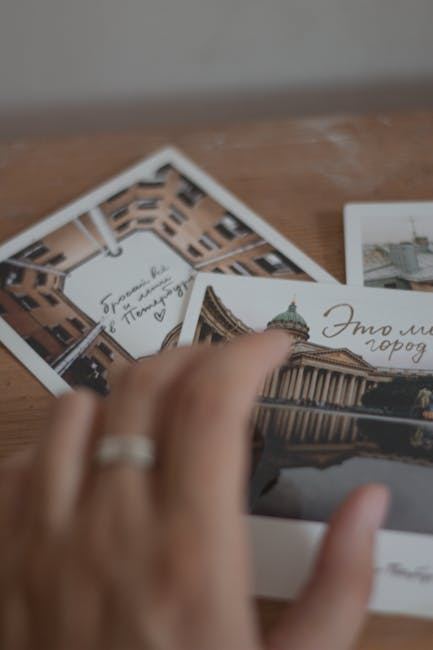
Postcard collecting isn't just nostalgia — it's a time capsule of social history revealing personal stories and rich market inefficiencies you can exploit.
Getting started with postcard collecting as a beginner introduces you to a fascinating world of history and art that few people fully appreciate.
You hunt, trade, and archive postcards (printed or real-photo) organized by:
Unlike stamp collecting, the image itself is the point – and unlike general paper ephemera, postcards carry both visual history and a human message on the back.
In postcard collecting, adults actively search for postcards through various sources like antique shops and online marketplaces, evaluate their condition and significance, document details about each card, and engage in trading with other collectors.
This hobby satisfies a creative drive and offers incremental skill feedback through the focused search for cards, social belonging from community engagement, and personal expression by curating a unique collection that reflects individual interests.
You think postcard collecting is something your grandmother did. Dusty shoeboxes. Faded seaside greetings from people nobody remembers.
That assumption is blinding you to a treasure trove of historical intrigue.
Postcards capture compressed social history. A single 4x6 inch card can show you what a town looked like before it changed forever.
But it's not just the image, it's the message. The handwritten notes are unfiltered snapshots of ordinary life in 1910.
The market is a playground for the savvy. A card valued at $80 can turn up for $2 at an estate sale.
A collector in Ohio once bought a postcard for $3. It showed a small-town Main Street in 1908. She identified the photographer, traced six more cards from the series, and sold the lot for $400. The card wasn't rare. The story she built was.
Next, think about what kind of collector you want to be — it's all about your area of focus.
Admiring someone's collection looks so smooth and effortless. They flip through boxes with a practiced eye and always land a gem.
Your early attempts won't feel like that. Instead, you'll stand bewildered in front of stacks of postcards, wondering if the endless street scenes will ever make sense.
The reality check hits hard. At first, those simple visual cues and prices seem obvious. But soon you'll learn terms like "real photo" and realize publishers and condition matter way more than you thought.
Week two is tough. You're swamped by how much there is to learn and no clear direction. But success isn't about knowing everything upfront – it's about handling enough cards that patterns and insights start to stick.
Surprisingly, postmark and stamp placement reveal a lot. An undivided-back card with a message on the image side likely predates 1907, which bolts its value in new directions.
When to start: Morning
Duration: 1.5 hrs
Cost to try: $5
Success criteria: If you choose 2 postcards, record each title/postmark/publisher, and research 1 card’s history, do session 2.
Skip the stamp box, and you might overpay for reprints. The box shapes date real photo postcards (RPPCs) to a specific decade.
Familiarize yourself with AZO, ARTURA, and KODAK stamp box styles before buying.
Temporary solutions like rubber bands and shoeboxes cause damage fast. Bands leave dents, and shoeboxes yellow your cards.
Use polyester card sleeves and a rigid binder for storage before you accumulate more than 20 cards.
Focusing on perfect corners can leave you with mint cards you barely care about. It's easy to end up with expensive items that don't hold any personal significance.
Choose a theme first, like roadside diners or Halloween cards, then assess the condition within that focus.
Older isn't always better. A postcard from 1905 might be worthless if it was mass-produced. Meanwhile, a less common 1940s scene might be more valuable.
Check completed eBay sales to understand actual value, not just the seller's asking price.
The reverse side is often neglected, yet it holds significant value. A 1918 postmarked card with a soldier's note is worth much more.
Always check the back before purchasing; it's an essential part of the story.
Postcard collecting blooms wherever people gather—antique markets, flea markets, estate sales, or dedicated paper ephemera shows.
Some collectors stick to online platforms, but meeting fellow enthusiasts in person is critical. Local shows let you touch the past and join a true community.
In the US, the Postcard History Society serves as the national hub, offering a journal and tracking show listings nationwide.
Ask the experts: "I'm just starting out," and inquire about what you should seek given your budget. This approach shows you're serious and often results in valuable guidance and invitations to explore with seasoned collectors.
Zero in on one theme like cats or World's Fairs. Let your passion guide you. With a focused theme, your collection takes shape naturally.
Ideal for those who find open-ended browsing overwhelming
Real Photo Postcards (RPPCs) are unique, actual photos on postcards. Each card is a snapshot of a stranger's life, not a print run. Perfect for history enthusiasts who value personal stories over visuals. Price range: $5 to $50+.
In deltiology, only pre-1970 postcards matter. Old printing styles, personal notes, the fading charm of time. Perfect for those who enjoy the discovery at flea markets over obvious eBay finds.
Artist-signed postcards are a bridge between art and postcards. Great for design buffs who crave the stories behind the names, like Ellen Clapsaddle. Prices rise quickly for these collector favorites.
Explore modern options like PostSecret or Kickstarter cards. Join swapping groups like Postcrossing to start immediately. Perfect for newbies who aren't ready to dive into vintage yet.
A close neighbor worth considering: Antique Collecting.
Most beginners hunt for rare cards by age, publisher, or unique postmark. The collection expands, but they often miss what truly matters.
Reading topographical context is the real game-changer. It means looking at a card's image, postmark, publisher, and message together. This unveils value, authenticity, and significance.
You've moved beyond facts. Now, you're triangulating clues like a detective. A so-called ordinary card can suddenly shine as a regional rarity worth much more.
Mastering this helps distinguish truly significant postcards from mere antiques. Otherwise, you're left buying just aesthetics, enabling dealers to dictate your collection's quality.
Commit to 6 sessions over 30 days. That's about one every five days, enough time to find your first few cards and feel a collection growing.
If you're finding excuses to look at your cards again and again, that's the hobby taking root. Pulling them out, re-sorting, reading the backs shows enthusiasm. Next step? Focus your theme and aim for a specific acquisition goal in the next 30 days.
Did the six sessions leave you feeling nothing? That's data. Generally, indifference shows that while postcards don't click, it's not about the content. Try one intense hunt at a flea market or online auction first. If that falls flat, let it go.
If you watched the clock, that's not a good match. Postcard collecting is all about slow, deliberate enjoyment. If sitting still and handling cards felt wasted, it's not going to change. Trust what that tells you.
If you're saving images of old postcards just because they're intriguing, pay attention. That attraction to printed ephemera points to genuine interest. Don't second-guess it as a mere quirk.
For ideas that take five minutes instead of five weeks, see things to do when you're bored.
You can start collecting postcards for very little money—vintage postcards typically range from $0.50 to $5 each, though rare or antique cards can cost more. Many collectors begin by purchasing affordable mixed lots online or at local antique shops, then focus on specific themes or eras as their collection grows and budget allows.
Postcard value depends on age, rarity, condition, artist, historical significance, and subject matter. Hand-painted cards from the early 1900s, cards from specific regions, or those featuring famous artists command higher prices, while cards in excellent condition (unused or with minimal writing) are generally more sought after.
You can find postcards at antique shops, estate sales, online marketplaces like eBay and Etsy, postcard collector forums and swaps, and local vintage stores. Many collectors also trade with other enthusiasts or attend collector conventions dedicated to postcards and ephemera.
Store postcards in archival sleeves or acid-free storage boxes in a cool, dry place away from direct sunlight to prevent fading and deterioration. Avoid bending, stacking too heavily, or using tape or adhesive on the cards, as these damage their condition and value.
Postcard collecting is beginner-friendly with no special skills required—you simply start by buying cards that interest you and organizing them by theme, era, or region. The hobby is flexible; you can collect casually or dive deep into research and specialized categories based on your passion level.
You can build a meaningful collection of 100–500 cards within a few months of casual collecting, depending on your budget and hunting effort. Many collectors develop focused collections over years, discovering rare pieces and learning the stories behind their cards as their knowledge deepens.