BoredomBusted — Find Your Next Favorite Thing To Do
Discover hobbies, activities, places, and ideas that spark joy. Whether you're looking for something creative, active, social, or relaxing, BoredomBusted helps you find your next favorite thing to do.
Browse our hobby guides, things-to-do collections, and place ideas to never be bored again.
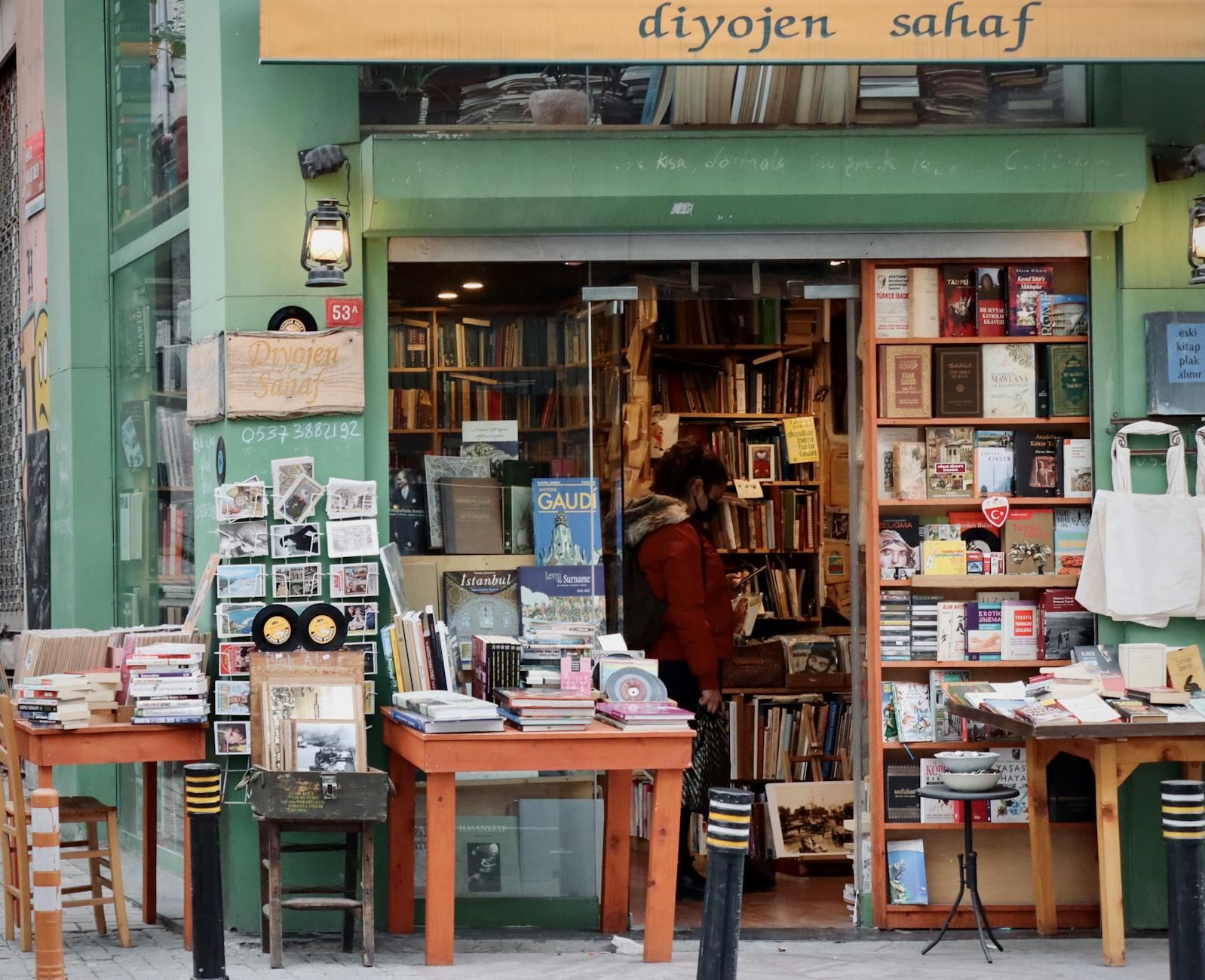
Rare book collecting isn't just for the wealthy — with patience and research, budget-friendly gems abound at book fairs and auctions.
Learning about rare book collecting as a beginner involves understanding how to identify and preserve valuable books based on their age, scarcity, or historical significance.
It involves more than just acquiring books. You need to understand their provenance and condition to create a meaningful collection.
In rare book collecting, hobbyists engage in targeted research to create a master list of desired books, physically hunt for rare finds in used bookshops and antique malls, evaluate condition and provenance, and curate their collections by arranging books thematically and cataloging them.
This hobby fosters a flow state through the thrill of the hunt, creating incremental skill feedback as collectors refine their expertise, achieve a sense of accomplishment through acquisitions, and gain social belonging within bibliophilic communities.
You think rare book collecting is just for the wealthy with deep pockets.
You're imagining eye-watering auctions and exclusive libraries. The truth is that starting a collection doesn't have to cost a fortune.
Consider John, who started his collection with just $50 at a small-town estate sale. He snagged a first edition of a classic poetry book that was overlooked by others. With patience and savvy shopping, he built a respectable collection without breaking the bank.
It's all about knowing where to look. Book fairs, estate sales, and online auctions offer plenty of opportunities.
Start small – your budget, your collection, your focus. Find a niche, or pick an author and dive in. The next section will guide you on building expertise strategically.
Your first time in a used bookshop with collecting in mind feels different from browsing. You're scanning spines, pulling books out, checking copyright pages for edition numbers, squinting at foxing on yellowed paper. The physical act of handling old books is slower and more deliberate than most beginners expect. Your hands learn to feel the difference between cloth bindings and later reprints. Your eyes start catching dust jacket condition before your brain consciously registers it.
The part that catches most people off guard is how little they can confidently identify at first. You'll pick up a book that looks old, maybe even important, and have no idea what you're holding. Not knowing whether something is valuable — and having no quick way to find out — is the defining frustration of early collecting. Cell signal is patchy in basement bookshops. The seller doesn't always know either. You'll put the book down and second-guess that decision for a week.
The first few sessions will probably produce nothing worth keeping. That's normal. What you're actually building in those early visits is pattern recognition — and it only comes from handling a lot of books. Each trip sharpens your instincts a little. You start noticing which publishers used certain binding styles in which decades. You get faster at spotting a first edition statement on the copyright page. The skill compounds quietly, even when it doesn't feel like it.
When you do find something real — a true first edition sitting in a $4 bin because nobody recognized it — the feeling is disproportionately satisfying. **That moment is what the whole hobby runs on.** It doesn't happen every trip. Sometimes it doesn't happen for months. But knowing the mistakes that kill your chances before you even get there will help you find it faster.
When to start: Early morning
Duration: 1 hour
Cost to try: $0
Success criteria: If you finished without completing a book purchase, do session 2.
Most beginners walk into their first used bookshop with no focus and walk out with a pile of vaguely old-looking books. It feels productive. It isn't. Without a niche — an author, a period, a genre — you end up with a scattered shelf that's hard to build on and even harder to sell if you change direction.
Before you spend a single dollar, spend two hours deciding what you actually care about collecting. A focused collection of 20 books on one subject is worth more — financially and intellectually — than 100 random acquisitions.
Age doesn't equal value. A book printed in 1890 can be worth $5 if it was mass-produced and nobody particularly wants it. Beginners overpay constantly because they assume that a cracked spine and yellowed pages signal something special.
What actually drives value is the combination of scarcity, demand, and condition. Check completed sales on AbeBooks or eBay before buying anything — that's the real market, not the price a seller wrote in pencil. Ten minutes of research will save you from a lot of expensive disappointments.
Condition is everything in rare book collecting, and beginners routinely underestimate how much a few flaws matter. A first edition with a missing dust jacket can lose 50–80% of its value compared to a complete copy. Ex-library stamps, writing in margins, and repaired spines all chip away at desirability.
Learn the standard grading terms before you shop: Fine, Very Good, Good, Fair, Poor. A single copy in Fine condition is a better investment than three copies in Good — even if it costs more upfront. When you're evaluating a book, check the binding, every page, and the dust jacket separately.
New collectors often skip provenance research because it sounds like something only academics bother with. That's a mistake. Provenance — the documented history of who owned a book — can dramatically increase its value or flag it as a forgery or stolen item.
You don't need to be a historian. Just ask the seller where the book came from and look for bookplates, inscriptions, or receipts tucked inside. Those details are your first clues — and sometimes they're what makes an otherwise ordinary book genuinely interesting.
People spend real money on a rare find and then stack it horizontally in a humid basement. Light, moisture, and heat are the three enemies of old paper and binding glue. Damage from poor storage is irreversible — and it happens gradually, so you don't notice until it's too late.
The fix is straightforward: store books upright, away from exterior walls, out of direct light, and in a room with stable temperature and low humidity. Acid-free clamshell boxes are worth the cost for anything genuinely valuable. Getting storage right early protects everything you've already built.
Reddit's r/rarebooks is the most active free resource for new collectors. Members post identification questions, share recent finds, and flag scams. Post a photo of an unknown book there and you'll usually have an answer within hours.
The Antiquarian Booksellers' Association of America (ABAA) runs member book fairs in cities like New York, San Francisco, and Boston. These fairs put you in the same room as vetted dealers and serious collectors. Attending one ABAA fair will teach you more about condition and pricing than months of solo research.
The Bibliographical Society of America is worth a look if you want to go deeper on provenance and scholarly research. Their events and publications connect you with people who treat collecting as a serious discipline.
Specialty antiquarian bookshops are the obvious starting point — staff there are usually collectors themselves. Estate sale preview days at auction houses like Heritage Auctions also draw experienced collectors who are often happy to talk. Strike up a conversation at the shelves — most collectors love talking about their niche.
For online buying and community overlap, AbeBooks and Biblio both have seller forums and active ecosystems. Facebook Groups like "Rare Book Collectors" and "First Edition Book Collectors" have tens of thousands of members posting daily finds and asking for appraisals.
This is the most focused path in rare book collecting. You pick a single author, movement, or time period and go deep — tracking down every significant edition, variant, and related piece of ephemera.
It suits readers who already have a literary obsession and want to turn it into something tangible. Your existing passion becomes the expertise that helps you spot things casual buyers miss.
Some collectors care less about what the books are and more about the thrill of finding them. Estate sales, thrift stores, antique malls — the joy is in the dig.
The hunt itself is the hobby here, not the destination. You'll develop a sharp eye over time, but you're in it for the rush of stumbling onto something valuable that everyone else walked past.
Provenance collecting means you're drawn to books with a documented past — inscriptions, ownership stamps, marginalia from notable hands, or a verifiable chain of custody.
This appeals to collectors who treat each book as a historical artifact, not just a printed object. A modest book with the right previous owner can be worth far more than a pristine copy without a story.
Affordable collecting focuses on overlooked niches — regional authors, niche genres, mid-century paperbacks — where competition is low and prices haven't caught up to real value yet.
The edge here is knowing more than the seller, not spending more than the next buyer. With research and patience, a $50 find at an estate sale can anchor a collection that grows meaningfully over time.
Some collectors focus heavily on condition, storage, and restoration — treating their shelves as a small-scale archive. The cataloging and curation side of the hobby is just as satisfying as the finding.
This works best for methodical, detail-oriented people who find satisfaction in maintaining things properly. If a well-organized catalog gives you the same pleasure as a great find, this angle will keep you engaged long-term.
Book fairs, collector clubs, and bibliophile communities are a genuine subculture. Some collectors are as motivated by the people they meet as the books they find.
This path suits anyone who wants the hobby to open doors to a community, not just a personal collection. Shared knowledge travels fast in these circles, and the relationships often lead to the best finds anyway.
The skill that separates collectors who improve from those who stall is learning to read condition critically — not just notice it.
Most beginners look at a book and think: old, intact, probably worth something. That's not condition assessment — that's a guess. True condition reading means knowing exactly which flaws destroy value and which ones barely matter. A faded spine on a first edition can cut its value in half. A small ownership inscription sometimes adds to it.
Here's where the gap opens up. Two collectors stand in front of the same book at an estate sale. One sees a dusty old hardback priced at $20. The other sees a solid Very Good copy of a collectible first printing that catalogs for $200. Same book. Completely different outcome.
This is the skill that makes the hunt actually work. Without it, you're just browsing. The next section covers where to find books worth evaluating in the first place.
Visit four used bookshops, estate sales, or book fairs over the next month — roughly once a week. Each time, spend at least an hour browsing with a specific title or author in mind.
You left the shop empty-handed but already planning your next visit. That pull — the unfinished hunt — is the core engine of this hobby. Start narrowing your focus: pick one author, one era, or one subject and build your want list around it. Join a bibliophilic society or online community and let collectors who've been doing this for decades compress your learning curve.
Mild interest without real excitement usually means the context is wrong, not the hobby. Try shifting your target material — if you browsed general fiction, try hunting for something personally meaningful, like a first edition from your favorite childhood author or a book tied to a historical event you care about. The hunt gets sharper when the prize actually matters to you.
Dusty shelves and slow browsing genuinely energize some people and genuinely drain others. If the physical hunt felt like a chore, that's real information. Your boredom-busting instinct might be better matched to something with faster feedback loops — like antique map collecting, where the research is similar but the visual payoff is immediate.
If you caught yourself checking rare book listings at midnight — or photographing a spine in a shop just to research it later — this hobby already has its hooks in you. That involuntary behavior is the tell.
You can start with a modest budget of $50–$200 per book, focusing on first editions, signed copies, or out-of-print titles from used dealers and online marketplaces. As you learn, you'll discover opportunities at estate sales and auctions where finds range from affordable to premium, depending on rarity and condition.
Rarity is determined by factors like first edition status, author signature, publication date, print run size, condition, and historical significance. A book is typically considered rare if it's out of print, has limited copies in circulation, or is highly sought after by collectors.
Check the book's publication details, printing marks, and binding style against reference guides and sold comparables on sites like AbeBooks or ViaLibri. For high-value purchases, consider hiring a professional book appraiser or authentication service to verify authenticity and condition.
Store books upright or flat in a climate-controlled environment (50–70°F, 30–50% humidity) away from direct sunlight, heat, and moisture. Use acid-free archival boxes or shelving, handle with clean hands, and avoid writing or marking pages to protect their long-term value.
Search specialized online platforms like AbeBooks, Alibris, and ViaLibri, browse local antiquarian bookshops and estate sales, or attend rare book fairs and auctions. Each venue offers different price points and discovery opportunities, so exploring multiple sources helps you build a diverse collection.
Building a focused collection of 20–50 quality books typically takes 1–3 years, depending on budget, research time, and access to inventory. Many collectors develop their expertise and expand collections over decades, continuously refining their focus and acquiring higher-value pieces as they gain knowledge.