BoredomBusted — Find Your Next Favorite Thing To Do
Discover hobbies, activities, places, and ideas that spark joy. Whether you're looking for something creative, active, social, or relaxing, BoredomBusted helps you find your next favorite thing to do.
Browse our hobby guides, things-to-do collections, and place ideas to never be bored again.
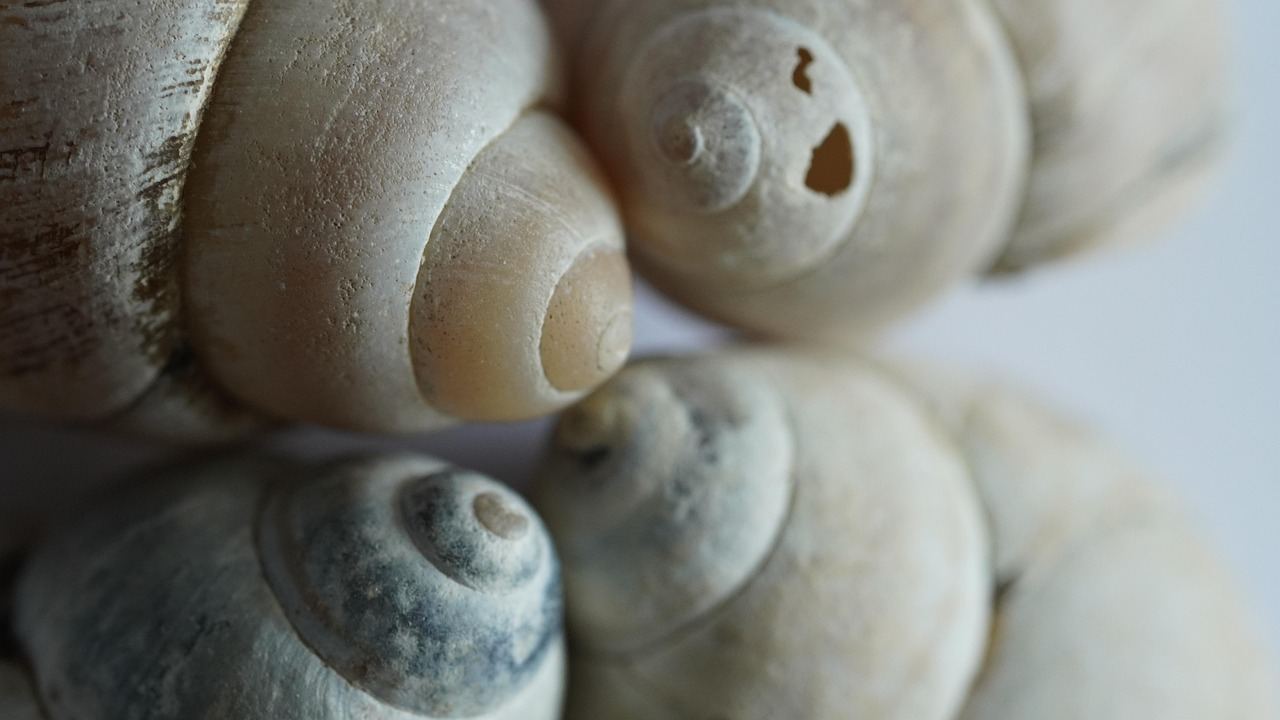
Seashell collecting isn’t just about the shells — it's a creativity booster that transforms search into a meditative process filled with surprises.
Learning seashell collecting as a beginner opens up a world of discovery, allowing you to find, identify, and curate the beautiful shells of mollusks — snails, clams, oysters, and their relatives.
You source them from:
Then clean, catalog, and display them.
Unlike rock collecting, the appeal is biological: every shell is a record of a living animal, with species, habitat, and age you can actually decode.
In seashell collecting, adults systematically explore beaches, carefully examining and selecting shells based on their condition, color, and rarity. This involves physically searching the shoreline, gathering preferred specimens, and later curating the collection through washing, drying, and organizing shells by type or origin. Many collectors also engage in creative transformation projects, craf…
Seashell collecting combats boredom through therapeutic engagement with nature, fostering mindfulness and reducing stress during the search process. The unpredictability of each beach visit creates novelty and discovery loops, while the act of preserving collections provides a sense of accomplishment and memory. Additionally, the creative projects involved offer structured skill development, enha…
You think seashell collecting is for retirees on vacation. Bend over, pick up a shell, and that's it.
Collectors see a different picture entirely.
Karen Talbot learned this firsthand. She shifted from casual hunter to passionate collector after realizing there were over 100,000 mollusk species. Spotting the difference between a true tulip and a banded tulip changed her beach walks entirely.
The reward? A single olive shell might be worth under a dollar or over two hundred. Same species, but collectors know different subspecies and conditions drive value.
Condition grading transforms collections, turning what others see as a pile into something thoughtful.
The gear and setup are simpler than you'd expect. And that's where beginners often falter.
It's not as meditative as the videos suggest. You spend forty-five minutes sorting through broken fragments before finding a shell worth keeping.
The high tide line looks full of promise. Every shape seems like a potential treasure. Pockets fill quickly as excitement drives you on.
Half turn out chipped. Two are just rocks. But finding even one keeper tells you something: you're starting to learn what makes a shell worth keeping.
The best shells aren't at the waterline – they're higher up in the wrack line, tangled in seaweed and debris. That's where the last high tide leaves its treasures.
Being empty-handed after a long walk isn't a failure. It just means you're learning the subtle difference between promising beaches and empty ones.
When to start: Early morning
Duration: 1-2 hours
Cost to try: $0
Success criteria: If you come home with at least 5 empty shells in 3 different shapes and can identify one by name, do session 2.
That beautiful shell might still be home to a live mollusk. Removing it could be illegal, not to mention unkind.
Before taking any shell, check for a bad smell or signs of life. If you spot a retreating foot or operculum, or if you're unsure, put it back in the water.
Bleach strips away the periostracum – the thin outer layer enhancing a shell's color.
Soak shells briefly in a 50/50 water-and-bleach mix, then recover the finish with mineral oil. Limit the soak to an hour to avoid damage.
Just showing up anytime leads to disappointment. Better shells appear when the tide is low.
Check tide schedules with a free app like Tide Alert. Aim to be there an hour before and after low tide for the best finds.
Loose shells grind against each other, causing chips and cracks that ruin their appearance and value.
Protect them by wrapping individual shells in tissue or storing them in compartments. Try using egg cartons temporarily before getting a display case.
Jumping straight to rare shells can backfire. Mistaking a common Atlantic Slipper Shell for something rare might get you embarrassed in collecting circles.
Start by identifying every shell with a guide like Tucker Abbott's 'Shells of the Atlantic and Gulf Coasts.' Once you're confident with common shells, then look for rarities.
Seashell collecting thrives in outdoor spaces. Beaches and tidal flats are prime spots. But try nature preserves and marine sanctuary access points too. You'll find rarer shells there without much competition.
Saying, "I'm just starting out – mostly interested in learning to identify what I find," opens doors. You'll often get both a regional ID guide and a new shell hunting buddy.
This shifts focus from collecting to observing. Watch mollusks in tide pools, not just collect shells. Pairs well with marine biology projects and offers more than just trophies. Perfect for those who get bored collecting and want something thought-provoking. A field guide and macro lens are useful, but no extra permits required.
You're after shells that are thousands to millions of years old. Found in creek beds, road cuts, or cliffs. These fossils won't disappear with the next tide. Ideal for those who enjoy doing research and don't mind a bit of digging. Remember, permits may be needed for some sites.
Organized shell clubs hold niche competitions. Specimens are judged on condition, rarity, and presentation. The community is serious and knowledgeable. This is for collectors with a solid collection seeking external feedback.
Broaden your finds beyond shells. Collect sea glass, driftwood, coral, bones. Great for beginners not ready to focus solely on shells. No extra gear needed, making it the easiest way to start.
You're targeting shells under 5mm. These tiny treasures are often overlooked. Perfect for those facing heavily picked beaches looking for a new challenge. A loupe or USB microscope and storage vials are needed, adding a small upfront cost.
Shoreline pattern recognition is the skill separating novice collectors from pros. Beginners often dash down the beach, picking up anything that catches their eye, but this approach is flawed. The secret isn't about how far you walk, but how you read the shoreline.
It's reading tide wrack lines, slope angle, and sand texture to predict accumulation zones – not scanning randomly and hoping.
Spotting productive zones from 20 feet away shifts your strategy from chance to choice. Without understanding patterns, you'll collect the same broken fragments others do, as you're all searching the obvious middle sections. Recognizing patterns lets you discover whole specimens where others see only sand.
These skills help you spot hidden treasures while others walk by blindly. Next, we'll explore how different tools enhance or hinder this skill.
Four sessions over 30 days is the right test for seashell collecting – one per week, each at a different tide or time of day.
You're not testing whether you enjoy a single walk; you're testing whether the hunt itself holds up across various conditions.
If you're eager to return and find yourself saving photos, identifying species, or rinsing shells on the shore, this is not casual interest. Starting a reference log and exploring your regional shell guide makes sense now.
If the walks were enjoyable but the shells didn't enthrall you, this usually means you enjoy the beach atmosphere over collecting in particular.
Did you find the search boring or repetitive? This is a sign that collecting isn't your thing. Some are drawn to the ocean without wanting a specific purpose.
You find yourself somewhere completely ordinary—a restaurant, a shop, a friend's house—and spot a seashell. Without thinking, you pick it up and inspect its underside.
That reflex for identification and touch is the heart of seashell collecting.
Want broader ideas first? Our list of hobbies gives you the lay of the land.
The best time to collect seashells is after storms or during low tide, when waves churn up shells and expose more of the shoreline. Fall and winter often produce better shell availability due to rougher ocean conditions, though spring and summer offer more pleasant collecting weather.
Seashell collecting is nearly free to start—you only need a bucket, mesh bag, or canvas tote to carry shells home. Optional tools like a small shovel, magnifying glass, or field guide range from $10–$50, making this hobby very affordable for beginners.
You'll only need a bucket or bag to carry shells, comfortable walking shoes, and perhaps a small brush to clean shells on-site. A field guide or mobile app helps identify species, and a magnifying glass can enhance your appreciation of shell details.
Start by examining the shell's shape, color, texture, and size, then use a field guide or online shell identification database to narrow down possibilities. Local beaches often have specific shells, so learning about your region's marine life helps with faster identification.
Most public beaches allow shell collecting, but some protected areas, marine reserves, or private beaches may have restrictions. Always check local regulations and avoid collecting if you see any warning signs about protected species or closed beaches.
Rinse shells gently with fresh water and a soft brush to remove sand and algae, then air-dry them completely. Store shells in a cool, dry place away from direct sunlight, and handle delicate shells carefully to prevent cracking or fading.