BoredomBusted — Find Your Next Favorite Thing To Do
Discover hobbies, activities, places, and ideas that spark joy. Whether you're looking for something creative, active, social, or relaxing, BoredomBusted helps you find your next favorite thing to do.
Browse our hobby guides, things-to-do collections, and place ideas to never be bored again.
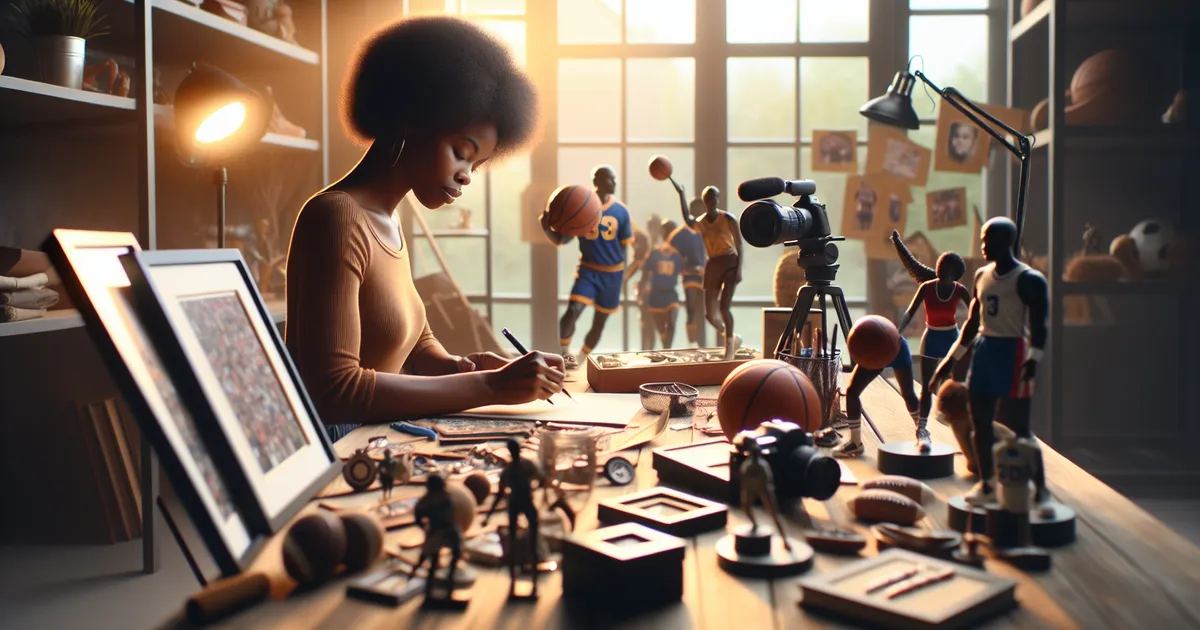
The real thrill in sports memorabilia collecting isn't the splurging, but the research—authentication and market timing are your true tools, even on a budget.
Getting started with sports memorabilia collecting as a beginner is an exciting way to connect with your favorite athletes and relive memorable sports moments. Think cards, signed jerseys, game-used equipment, tickets, and photos.
Authenticity is crucial. You find pieces through auctions, dealers, or private sellers. Verifying their authenticity ensures they hold real value.
Value goes beyond age. A rookie card isn't just old; it reflects a career unfolding in real time and carries emotional weight.
Sports memorabilia collecting involves researching, acquiring, authenticating, and curating items like autographed jerseys, trading cards, and game-used gear. Collectors visit online marketplaces, attend sports events, and negotiate purchases, often focusing on specific athletes or teams. They verify authenticity through certificates and physical examination, catalog their collections, and displa…
This hobby creates a flow state by narrowing focus on specific collections or players, which reduces mental noise and fosters deep engagement. The skill feedback loop offers a sense of accomplishment when completing challenging sets, while social belonging develops through community interactions at forums and conventions. Additionally, the pursuit of unique items sparks novelty and creative expre…
You probably think collecting is all about wealthy people hoarding signed memorabilia behind glass.
Or maybe someone splurging $40,000 on a rookie card. That thought keeps you from seeing the real hobby.
The chase is where the excitement lies. Most collectors invest more time in researching provenance and auction history than in the actual purchase.
You develop rare skills. Authentication and market timing aren't taught formally, but are essential here.
Cost isn't the barrier you imagine. Collectible items often go for $10–$30; a good find depends on research, not money.
Consider the Ohio collector who built a Pete Rose autograph collection on a modest budget of under $500.
He didn't just stumble into it. He mastered what others missed.
The real question isn't about budget.
It's about knowing enough to make smart choices—which you'll learn in the next section.
Seeing someone effortlessly pull a graded PSA 10 rookie card and mention its worth can look easy.
You imagine browsing shows, spotting great deals, and building a collection.
Sitting down to start is where the reality hits. The prices are confusing, and you quickly realize you don't know what anything should cost.
At first, the excitement reigns. Opportunities seem clear, and history feels within reach.
But soon you feel overwhelmed by grading scales and suspicious of sellers. Hours might go into a single $15 decision, leaving you unsure if you chose wisely.
During your first week, browsing outweighs buying. The price gap is paralyzing because verifying fairness is hard.
In week two, you make a purchase, but it's likely listed cheaper elsewhere.
By the third week, you start grasping why raw versus graded means everything for value.
Approaching week four, you second-guess less and start recognizing your niche in the market.
Before diving in, know that authentication grading is complex. PSA, BGS, and SGC grades differ and don't share the same resale weight, even with matching numbers.
It's naturally confusing and slower than expected.
Collectors who persist don't find it easy—they get obsessed. They dig into why prices feel random and continue until everything makes sense.
When to start: Morning
Duration: 30 min
Cost to try: $0
Success criteria: If you found at least 3 items to consider buying, do session 2.
Trusting a seller or a signature without verifying it leads to risky purchases. Getting credible authentication is crucial. Always obtain a certificate from PSA, JSA, or Beckett for signed items, and steer clear of sellers who avoid this step.
A famous player won't add value to a damaged card. Condition matters much more than star power. Check every card through PSA or BGS grading to truly know its worth.
One over-enthusiastic buyer's choice doesn't reflect true market value.
Check median prices over the last 90 days from at least ten sales, not just the top sale.
It's tempting to grab whatever catches your eye, but this spreads your collection thin.
Don't let heat, humidity, or UV light damage your collection.
Collecting kicks off wherever items change hands.
Sports card shows, antique markets, and dedicated memorabilia shops are where to start your hunt.
Online is another key arena. Use eBay and PWCC Marketplace to track prices and find deals.
Ask seasoned collectors, "What's the worst mistake you made in your first year?" and get priceless insights not found online.
Professional Sports Authenticator (PSA) is critical.
While they don't govern collectors, their grading standards are the industry rulebook. Learn the scale before investing.
Instead of game-used items, collect signatures on anything an athlete signed: cards, photos, jerseys.Avoid fakes at all costs. Authentication is crucial, so budget for PSA, JSA, or Beckett right away.
Perfect for those wanting a personal connection to athletes
Collect gear actually used in games: bats, jerseys, helmets.Provenance is everything. Without team documentation, items are impossible to verify and resell.
Best for collectors who prefer tangible history over autographs.
Trading cards are your entry point, featuring a busy resale market.Dip your toes with rookie cards. A lower cost means easier buys and flips without hefty shipping needs.
Choose just one sport or team for your entire collection.This strategy is smarter long-term. Gain quick expertise, and avoid overspending.
Pursue vintage items like old programs and tobacco-era cards.Grading is strict and fakes abound. This path suits collectors focused on eras over single athletes.
Most beginners focus on chasing rare pieces like flashy rookie cards and low serial numbers. But they miss a crucial skill that costs them real money.
The real game-changer is provenance evaluation. This skill involves tracing an item's ownership history and authenticating its paper trail before you fall for its appeal.
It's not about spotting fakes by feel. It's about asking the right questions: who owned this, how did it change hands, and does the documentation hold up at every step?
A jersey with a clean chain of custody is exponentially more valuable than one with a sketchy backstory. Without this skill, you treat memorabilia as if all items are equal. The market exploits that oversight.
Collectors who master provenance stop overpaying for beautiful items with weak histories. They start recognizing overlooked gems others miss.
The following section will show you how to develop this critical skill.
Devote six sessions over 30 days to sports memorabilia collecting. That's one session a week with a couple to spare, enough for research, attending shows, browsing markets, and handling items.
If you find yourself diving into auction results and researching player histories, you're beyond casual interest. Watching grading videos at midnight means your collector's brain is active. Focus on building a niche instead of randomly buying.
If you feel indifferent after your sessions, sports memorabilia isn't grabbing you. Enjoying sports doesn't always translate to a passion for collecting. Extending the timeline won't change this; it'll just cost more money to confirm your lack of interest.
If handling pieces feels like a chore, pay attention. The magic of collecting is in the moment you feel an item's history. If that falls flat, the hobby may not fit you, and no amount of habit-building will replace that missing instinct.
You're already cross-referencing PSA populations and BGS subgrades before buying. That obsession with condition and rarity shows true collector interest. Most casual fans ignore these details completely.
Sports Memorabilia Collecting is a deeper commitment than most boredom cures — for lighter options, check things to do when bored.
You can start with as little as $20–$50 on common trading cards or signed photographs, though serious collectors often invest hundreds or thousands for rare items. The budget depends entirely on which athletes, eras, or types of memorabilia appeal to you most.
The most sought-after items include autographed jerseys, vintage trading cards, game-worn equipment, and signed balls from legendary athletes. Rarity, condition, and the athlete's fame directly impact value and desirability.
Look for certificates of authenticity (COA) from reputable third-party graders like PSA, JSA, or Beckett, and research the seller's credentials before purchasing. Examine provenance documentation and compare signatures or materials against known examples to spot forgeries.
High-quality, rare pieces from iconic moments or legendary athletes can appreciate significantly over time, but not all memorabilia gains value. Success depends on choosing items with strong historical significance, maintaining excellent condition, and buying from reliable sources.
Keep items in climate-controlled environments away from direct sunlight, moisture, and temperature fluctuations to prevent deterioration. Use archival-quality cases, frames, or storage boxes designed specifically for memorabilia preservation.
Reputable auction houses, certified online dealers, sports card shops, and collector conventions offer vetted selections and authentication guarantees. Building relationships with local collectors and joining online communities can also help you discover valuable pieces and get expert advice.