BoredomBusted — Find Your Next Favorite Thing To Do
Discover hobbies, activities, places, and ideas that spark joy. Whether you're looking for something creative, active, social, or relaxing, BoredomBusted helps you find your next favorite thing to do.
Browse our hobby guides, things-to-do collections, and place ideas to never be bored again.
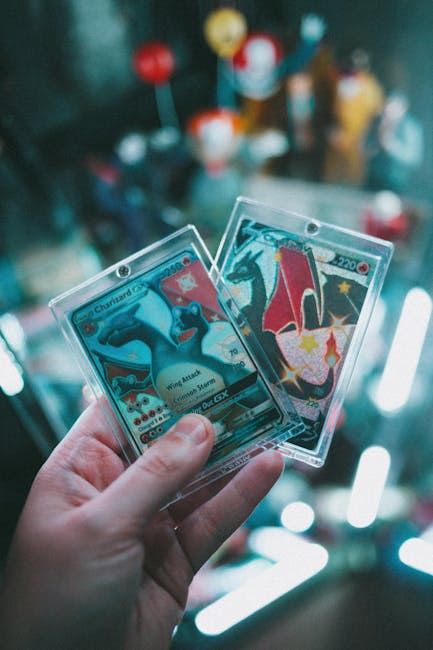
Trading card collecting isn't just for kids; understanding grading can turn a $12 card into a $400 gem, making it a savvy investment realm for adults.
Starting out in trading card collecting as a beginner can be an exciting way to engage with your favorite sports, games, or entertainment franchises. Collectors acquire, organize, and trade physical cards – sports, gaming, or entertainment – building sets or targeting specific high-value singles.
Unlike stamp or coin collecting, the market moves in real time: card prices shift with player performance, tournament results, and cultural moments, making condition and timing matter as much as the cards themselves.
In trading card collecting, adults purchase individual cards or sealed packs, open them to discover what cards they contain, and organize their collections into binders or displays. Collectors often attend trading card shows to buy, sell, and trade cards with others, while also engaging in research to understand market values and trends related to their collections.
This hobby stimulates nostalgia and personal connection, as collectors experience emotional resonance with cards that represent cherished memories. It also fosters goal-directed achievement through the structured process of completing sets, while providing community belonging as collectors bond over shared interests and engage in trading.
You think this is a kids' hobby. Boxes of cardboard under a bed, grown adults trading Pokémon in a convention hall – the image alone is doing most of the damage.
You're missing a hobby that rewards knowledge, strategy, and taste.
A 1986 Garbage Pail Kids Series 3 card sells for $400 in PSA 9 condition. The same card, ungraded, moves for $12. That gap isn't random – it's the product of someone knowing exactly what they were holding.
You're already wondering what PSA grading actually means. That's the next piece.
Opening a pack yourself is different from YouTube. You feel lost among print runs and set names. And buying a card that costs $40 more than it should have stings.
Your first few packs feel random. Everything blurs together, and it's hard to spot what's worth keeping.
Over time, symbols become familiar. Soon, condition grading clicks into place. You'll start filling a binder and forming opinions.
By your second week, it might feel like more research than fun.Too many sets, too many abbreviations, and advice from veterans can be overwhelming.
That annoyance is brief. Soon after, the pieces fall into place and it becomes enjoyable.
When to start: Morning
Duration: 1-2 hours
Cost to try: $10
Success criteria: If you open one pack, sleeve your best card, and record at least 5 cards on your checklist or trade list, do session 2.
Ripping open packs is exciting, but the odds are against you like a slot machine.
Skip packs and buy singles instead. Get exactly what you want from TCGPlayer or eBay for market price.
New collectors use one type of penny sleeve for everything.
Use a toploader or semi-rigid for items worth over $20. Soft sleeves offer little protection against bends and humidity.
The endless options lead beginners to chase everything and catch nothing meaningful.
Choose a single focus like a Pokémon or NFL player. Let this guide your purchases and build a coherent collection.
Beginners spot surface flaws but miss misalignment, which lowers the grade potential.
Check border alignment before buying cards for grading. Off-center items won't grade higher than PSA 6.
Beginners mess up pricing by averaging sale prices, despite different conditions.
Filter eBay sales by the specific condition of your card. Ignore mismatched auction photos and titles.
Card shops, hobby stores, and game cafes run regular trade nights and events. Open collections let you explore in person. These venues are the heart of the community.
For local groups, Facebook is your best bet. Search "[your city] trading cards" to connect with communities that meet offline.
Use Card Kingdom's and Wizards of the Coast's store locators. Filter by "event supported" to find where structured play happens. These stores host weekly nights.
On Meetup.com, search for "card collecting" or "sports cards." Especially for vintage and sports cards, this platform finds gatherings that aren't on Discord.
The National Sports Collectors Convention (NSCC) offers a list of regional shows and dealer events year-round. It's the best for sports card enthusiasts.
Walk in and ask, "I'm just starting to build a collection – can I watch a trade night before I jump in?" This one question opens doors to understanding trades, knowing hot sets from traps, and getting insider tips.
Baseball, basketball, football, hockey — these are the classic cards. Player stats and rookie cards, along with the potential for real resale value, make this the standard choice.
Perfect for sports enthusiasts who want a hobby connected to what they already love.
Rookie cards and graded cards can range from $5 to thousands. It's your budget, nothing else, that sets the limits.
Pokémon, Magic: The Gathering, Yu-Gi-Oh — these cards are made for gameplay. But many collectors never play.
Great for people who love community. Players and collectors often meet up at local game stores, creating built-in social scenes.
Avoid sealed products at first. Booster boxes and vintage packs can be expensive. Test your interest before diving in.
Third-party grading services like PSA, BGS, and SGC seal cards in hard cases with official condition scores.
Ideal for those focused on long-term value instead of just collecting physical cards.
Grading fees start at $20–$50 per card — worth it only when the card's value merits the cost.
Cards featuring movies, TV shows, art, and historical figures divert away from athletics entirely.
For collectors who want the structure of a collection but not the sports angle.
Prices are all over the map, with a weaker resale market. Buy these for passion, not profit.
Instead of pursuing valuable one-offs, completing every card in a defined series is the goal.
Ideal for people who love chasing a clear goal and the satisfaction of finishing a set.
The most beginner-friendly option. Sets are easy to track and progress is visible. No stakes on card value changes.
Most beginners obsess over which cards to buy.
The real bottleneck is never the cards – it's not knowing what you actually paid for them versus what the market will bear.
The key skill: reading price memory over time, not just looking at the spot price.
Track what a card sold for (not listed for) over 90-day windows. Recognize a spike versus a card with a rising floor.
Spot price shows an asking price.Sold history reveals what the market actually believes.
Master this skill to stop overpaying at peaks. You'll start identifying true undervaluation opportunities.
Without it, you're perpetually behind, chasing cards everyone's already hyped about at the wrong time.
Dedicate 8 sessions over 30 days. Aim for about twice a week to navigate the initial learning curve, face decisions like buying and trading, and see if the cycle of researching cards draws you in or drains you.
You find yourself deep-diving into card forums at odd hours. You're checking set release calendars and watching endless pack-opening videos. That's not just interest—it's the curiosity this hobby thrives on. Consider narrowing your focus to building a collection around a specific set or player.
You're not enthused but not entirely bored either. The collecting angle alone might not hook you. Try attending a local trade night or card show for the social experience; it could be the interaction that sparks your interest.
You dislike even thinking about sorting cards or checking prices. This unease isn't just a mood—it's insight. If the hobby's inherent financial management stresses you out, it's a good sign to step back.
The one sign you shouldn't ignore: stumbling upon detailed histories of a specific set or player late at night. That kind of specific curiosity reveals who's likely to create a meaningful collection versus who'll lose interest.
You can start with as little as $10–20 by buying a single booster pack or starter deck, but most collectors budget $50–100 monthly for a sustainable hobby. Costs vary widely depending on which card game you choose and whether you're collecting casually or competitively.
Booster packs contain random assortments of cards and offer the thrill of discovery, but you may get duplicates. Buying individual cards lets you target specific cards for your collection or deck, though it's often more expensive per card.
Rarity is indicated by symbols on the card itself (usually a star, diamond, or other icon in the corner), and condition, age, and demand determine market value. You can check current prices on platforms like TCGPlayer, eBay, or card-specific databases for your specific game.
Completing a set typically takes anywhere from a few months to several years, depending on set size and your budget. Actively hunting for missing cards speeds the process, while casual collecting naturally takes longer.
Some cards appreciate significantly in value, especially rare vintage cards in excellent condition, but most cards depreciate or stay flat. Success as an investment requires research, patience, and knowledge of market trends—treat it as a hobby first and potential investment second.
Start with a popular game like Pokémon, Magic: The Gathering, or Yu-Gi-Oh to ensure liquidity and trading communities. Choose sets that interest you aesthetically and budget-wise, then decide if you want to collect casually for fun or competitively for play.