BoredomBusted — Find Your Next Favorite Thing To Do
Discover hobbies, activities, places, and ideas that spark joy. Whether you're looking for something creative, active, social, or relaxing, BoredomBusted helps you find your next favorite thing to do.
Browse our hobby guides, things-to-do collections, and place ideas to never be bored again.
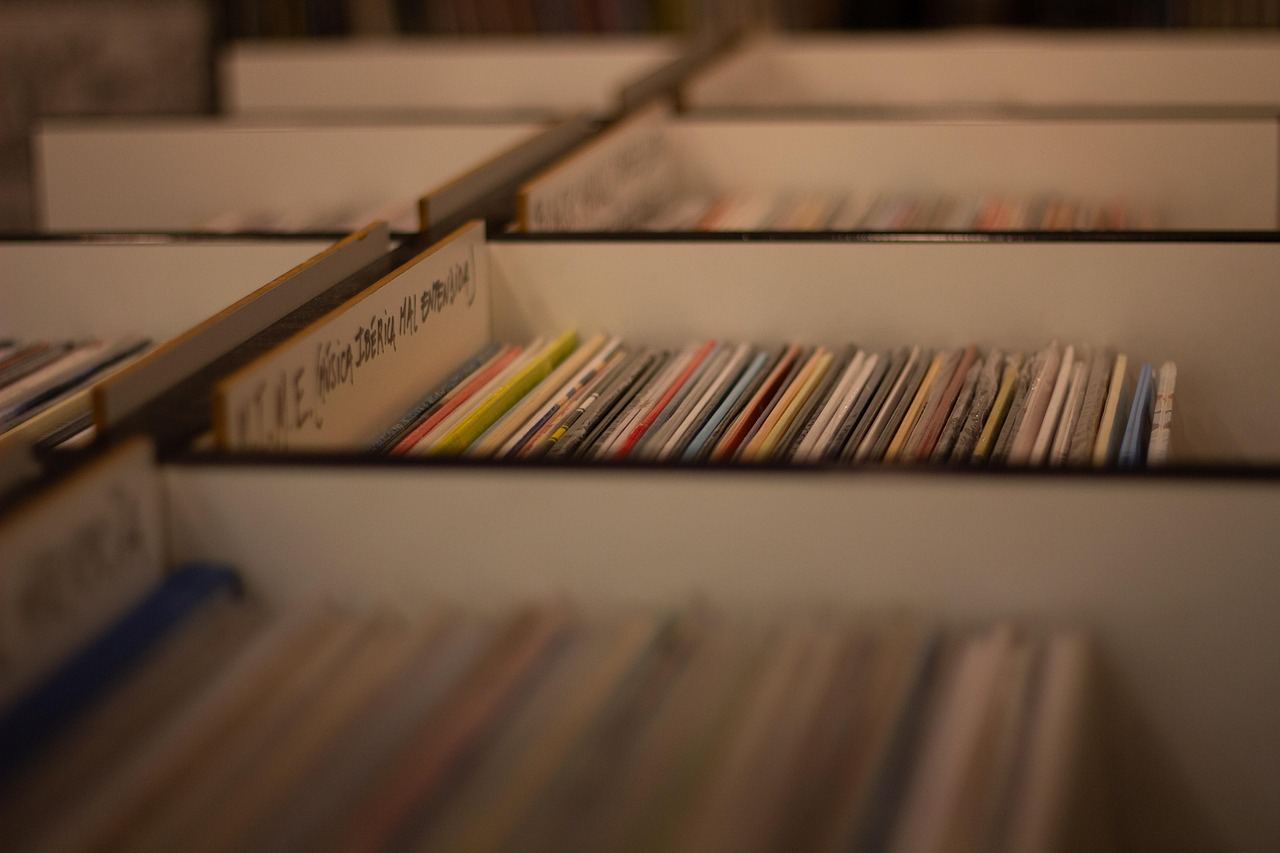
Vinyl collecting isn’t just nostalgia; it’s a unique journey that rewards curiosity and deeper engagement with music, far beyond playlists.
Getting started with vinyl record collecting as a beginner opens up a world of music exploration through hunting, buying, and curating physical releases pressed onto 12-inch (or 7-inch) discs – then playing them on a turntable.
Unlike streaming or CD collecting, the format itself is part of the experience: analog sound, large-format artwork, and a tangible object with its own history all matter as much as the music.
Vinyl record collecting involves physically searching for records in vintage stores and flea markets, evaluating their condition, and curating a personal collection based on aesthetic and historical value. Collectors take part in ritualistic playback, carefully handling records, placing them on turntables, and immersively listening to full albums, often organizing their collections by artwork and…
This hobby cultivates a flow state through ritualistic handling and focused listening, enhancing immersion and presence. The treasure-hunting aspect provides incremental skill feedback as collectors learn to identify rare finds, while social interactions at events foster a sense of belonging and community. Curating collections allows for creative expression, evoking nostalgia and personal connect…
You think vinyl is a nostalgia trip for people who own too many candles and argue about speaker wire.
Maybe you picture a guy in a turtleneck explaining why everything sounds "warmer." That's the assumption — and it's costing you the actual point.
A collector in Austin picked up a 1971 pressing of Marvin Gaye's What's Going On for $4 at an estate sale. She didn't know its value; she just liked the cover.
Later, she discovered that first pressings of that album sell for hundreds. That wasn't her goal.
Vinyl rewards curiosity in a way playlists never can.
You're thinking about what gear you actually need to start. That's next, and the answer is simpler than audiophile forums let on.
Flipping through crates on film looks effortless. Seasoned collectors seem to know the right pick in seconds.
Your initial dive into vinyl won't be as smooth. A sea of records, each indistinguishable from the next, will face you. No album stands out. Every price tag might as well be written in a foreign language.
Frustration is normal. The cover art will deceive, leading to unwanted purchases. You'll fall for eye-catching designs only to realize your mistake later. Instead of striking gold, you end up with typical reissues.
Crates seem endless. There's an itch to abandon the hunt and order online. But suddenly, something shifts. Your hindsight becomes insight and you recognize patterns through all those bad picks. This is the shift from browsing to collecting.
Before stepping into your first shop, learn to read the dead wax. This is the hand-etched text near the label. It can reveal who cut the lacquer and the pressing plant location. This small detail could mean the difference between an original gem and a common reprint. Rarely will a shopkeeper volunteer this info, so take this tip to heart for smoother hunting.
When to start: Early morning
Duration: 1-2 hours
Cost to try: $20
Success criteria: If you picked one record you’d genuinely play at home and noted its title, pressing, price, and condition, do session 2.
A bad needle doesn't just sound poor – it physically destroys the grooves on every record you play.
Skip the $60 suitcase player entirely and start with an Audio-Technica AT-LP120 or similar direct-drive deck with a replaceable stylus.
Beginners see the right album cover and assume every copy sounds the same – but a 1970s original pressing and a 2015 reissue can sound worlds apart.
Check the matrix number etched into the dead wax before buying, and cross-reference it on Discogs to confirm exactly what pressing you're holding.
That snap and crackle on a used buy is usually surface dirt, not damage – and most beginners just live with it when a $30 fix exists.
Run new records through a carbon fiber brush and used records through a wet cleaning system like the Spin-Clean before they ever touch your stylus.
The cover looks pristine so the record must be too – this is how you pay VG+ prices for a VG disc.
Always remove the record and inspect the playing surface under a direct light source at an angle before committing to any purchase.
Rare original pressings are genuinely special, but spending $200 on a debut pressing when you can't yet hear what makes it better is just collector cosplay.
Build your ear first – buy a well-reviewed modern audiophile reissue like an ORG or Analogue Productions release, then compare it to an original later when you actually know what you're listening for.
Vinyl collecting thrives where records gather. Think flea markets, estate sales, or record stores. These spaces are treasure troves. Crates are all you need to dive in.
Check Discogs forums under "Groups" – search by your country or city. Local groups often post meetups for collectors here.
Facebook Groups are excellent for finding events. Try searching "[your city] vinyl collectors" or "[your city] record swap" to locate active communities.
Visit independent record stores and ask about listening nights or events. These venues are prime spots for meeting fellow collectors.
Record Store Day events bring the community together. Check recordstoreday.com for participating stores. April and Black Friday events are major gatherings.
There's no official body for vinyl collecting. The scene thrives on local stores, fairs, and Discogs connections.
Talk to the record store staff with a budget in mind. Ask what's worth buying.
You'll leave with knowledge, a stack of records, and plans to return. Collectors love newcomers who show genuine interest.
These are the thick, shellac discs from the 1920s–1950s, predating vinyl. They require special equipment.
Perfect for history lovers and jazz or blues fans who want to dive into musical roots. You'll need to spend more on gear, as most turntables aren't 78-compatible without mods.
First pressings are the first batch made when an album is released. Some prefer these due to perceived sound quality or rarity.
Ideal for audiophiles and financial collectors. Prices can be steep, sometimes 10 times a reissue, though reissues can sound better.
Colored and picture discs are heavily marketed for collectors. Picture discs, however, have worse sound quality.
Designed for those who prioritize aesthetics. Prices vary; colored discs often cost a bit more than black vinyl.
Some collectors limit themselves to specific genres, like soul or classic rock.
Smartest starting point for newbies. A focused collection is more cohesive and budget-friendly.
This isn't about collecting trophies, but finding tracks to play.
Great for budding DJs. You're focused on grooves over rarity, making this a cheaper entry.
Grading records by ear, not just by rarity, is the skill that changes everything.
Most beginners spend months focused on how rare a record is. They often miss how it actually sounds. Rarity and quality are often confused. This is what stalls progress.
Playing two copies of the same record side by side reveals the differences. Listen for better midrange presence, reduced surface noise, and stereo imaging. Knowing how to describe these elements is crucial.
Skip overpaying for clean-looking but dull-sounding records. Trust your ears. You'll unearth underpriced gems others overlook. Otherwise, others decide what sounds good for you, and you might miss treasures right in front of you.
A $15 beat-up original pressing might outshine a $40 reissue. Price can mislead you.
Commit to six record store visits or listening sessions over 30 days. That's one every five days, enough to truly experience the browsing, buying, and the unique satisfaction of sitting down to listen without distraction.
If you found yourself hitting the shops before the 30 days were up, that's the real sign. When vinyl pulls you without reminders, you're hooked. Midnight searches for pressing variants or reordering your small collection means you're already in deeper than you think. Embrace it and consider documenting your finds.
If the sessions were just okay, maybe even enjoyable at times, but nothing you'd miss, you might like the concept more than actual vinyl. Try zoning in on one specific area, like a genre or artist, before deciding if it's worth continuing.
If you felt the ritual was tedious or too slow, that's telling. You might enjoy quicker music experiences more. Streaming fits that lifestyle perfectly – no need to push vinyl collecting if it's not resonating.
Drifting toward record bins at thrift stores when you didn't plan to is the sign you can't ignore. That low-key draw to physical music, the covers, and the liner notes is the essence of vinyl collecting. If you feel it, you're already on the path, regardless of your gear knowledge.
Curious what else is out there? Skim our list of hobbies for ideas that go in a different direction.
Sometimes you just need something for the next ten minutes — that's what things to do when bored is for.
You can start with a basic turntable ($100–$300), speakers ($50–$200), and a few records ($10–$30 each). Initial setup typically runs $200–$500, though you can spend more as your collection and equipment grow. Many collectors find used gear at thrift stores and online marketplaces to reduce startup costs.
You need a turntable, speakers or headphones, and records. A preamp (often built into turntables or speakers) amplifies the signal from the needle. Quality varies widely, so beginners can start with all-in-one setups designed for easy listening before investing in higher-end components.
Hunt at local thrift stores, estate sales, record shops, and online platforms like Discogs, eBay, and Reverb. Building knowledge about pressing editions, release years, and conditions helps you spot valuable finds. Joining vinyl collecting communities online or in person also tips you off to upcoming sales and trades.
Collecting can be as affordable or expensive as you want. Casual collecting of common albums costs little, while hunting rare pressings or upgrading audio equipment gets pricey fast. Most hobbyists spend $20–$100 monthly, though serious collectors invest significantly more.
Store records vertically in a cool, dry place away from direct sunlight and heat sources. Use proper sleeves, handle records by the edges only, and clean them regularly with a soft brush or dedicated vinyl cleaner. Proper storage protects your collection from warping, dust, and damage.
Factors include pressing year, country of origin, label variations, and condition. First pressings are usually more sought-after, as are limited editions and pressings from specific eras or factories. Collectors use reference guides like Discogs to research pressing details and market values.