BoredomBusted — Find Your Next Favorite Thing To Do
Discover hobbies, activities, places, and ideas that spark joy. Whether you're looking for something creative, active, social, or relaxing, BoredomBusted helps you find your next favorite thing to do.
Browse our hobby guides, things-to-do collections, and place ideas to never be bored again.
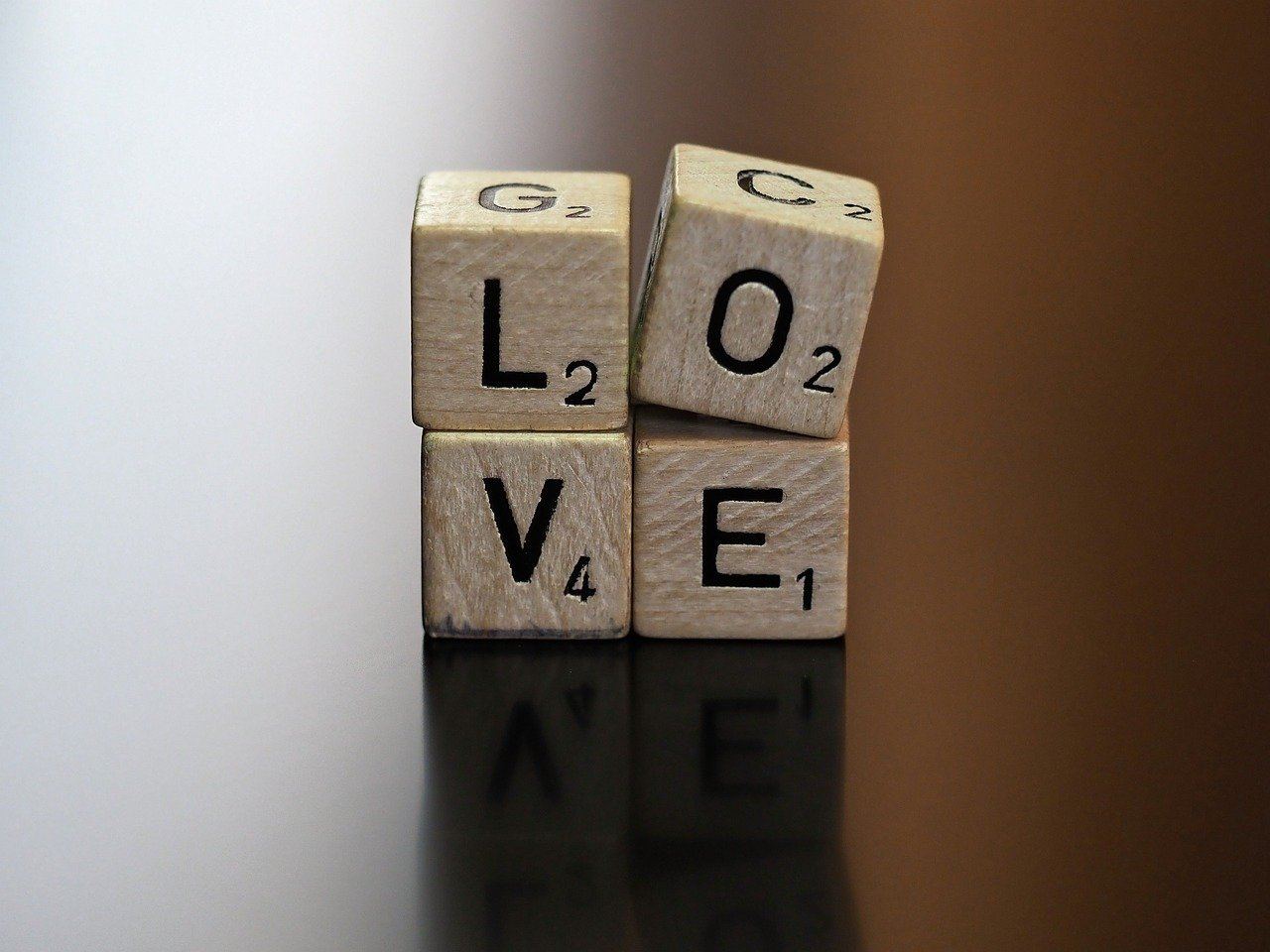
Scrabble is more than just words—it's about achieving a flow state through strategic thinking that sharpens your cognitive skills.
Getting started with Scrabble as a beginner involves understanding the basic rules and strategies to effectively place words on the board. 2–4 players build interlocking words on a 15×15 grid using lettered tiles, each scored by point value and board position.
Unlike crosswords, you're not solving a puzzle – you're outmaneuvering a live opponent while managing a random hand of seven letters.
In Scrabble, players engage in word-building by drawing letter tiles from a bag, arranging them on a 15x15 grid to form valid words while calculating scores based on tile values and board positions, requiring strategic thinking to maximize points and block opponents.
Scrabble induces a flow state by demanding deep cognitive immersion through strategic choices and word recognition, providing immediate feedback on performance and fostering a sense of accomplishment as cognitive skills improve over time.
You think Scrabble is a spelling test. A vocabulary flex for people who read dictionaries for fun.
That assumption is costing you a genuinely interesting game.
A strong player passes on a 40-point word because playing it opens a triple-word lane for their opponent. They score 18 points instead.
That decision is deliberate and it hurts a little. Leaving points on the board on purpose is what separates someone playing Scrabble from someone playing at Scrabble.
You're not here to impress anyone with your vocabulary.
You're here to win.
Once that clicks, Scrabble stops being a word game and starts being a resource management game that just happens to use letters.
The next question is whether you're actually set up to play it – and that starts with knowing what a real beginner kit looks like.
Watching Scrabble might seem like a vocabulary duel, but playing it feels like tackling an unexpected math challenge. Managing tiles, board positioning, and multipliers feels overwhelming at first.
You'll quickly realize word knowledge isn't the only key. It's far from the main skill you need, and strategy is what you have to build.
It starts with blank stares at your tile rack. You're using obvious words without thinking of positioning. Score gaps widen as you focus on your letters.
As you improve, you'll scan for advantageous squares before forming words. Seeing parallel plays transforms your approach immediately, and you lose with more understanding.
Memorizing the two-letter word list feels less like trivia and more like essential strategy. Words like 'QI', 'ZA', and 'XI' let you make moves in tight spots, bridging gaps without using all your tiles.
The urge to quit hits hard mid-way. The game feels too slow, too focused on numbers rather than words. It doesn't match what you expected. But this challenging phase is right before breakthroughs happen.
Next up, let's tackle the mistakes that usually keep beginners from progressing.
When to start: Morning
Duration: 1 hour
Cost to try: $0
Success criteria: if you finished without completely understanding every rule, do session 2.
Beginners often hang onto Q, Z, and X waiting for the perfect spot. But sometimes, that perfect spot never comes.
Dump these tiles early if no premium square is available. A 20-point play now is better than a 40-point play you never take.
That triple-word square feels like a win at first. But it often leads to your opponent scoring 60 points by using the lane you just opened.
Check if your word opens big scoring opportunities for your opponent. If it does, consider a smaller, safer play.
New players often skip two-letter words, seeing them as borderline cheating. They leave tight board spots unplayable.
Learn the 15 most common two-letter words (AA, QI, ZA, XI, AX). Mastering these reveals new moves where none seemed possible.
Stuck with a blank tile, beginners might use it for a 14-point word.
Save blanks for 40-point plays or bingos. Waiting one more turn usually yields better results than spending a blank in panic.
Beginners look at their tiles only in a left-to-right order. This blinds them to potential bingos hiding in other arrangements.
Physically shuffle your rack into different orders before playing. New patterns reveal the seven-letter words hiding from you.
Scrabble enthusiasts gather at community centers, libraries, and board game cafés for competitive play. This is where you find real challenges beyond the kitchen table.
For organized club action, look to the North American Scrabble Players Association (NASPA) if you're in the US or Canada. Those in the UK should connect with the Scrabble Players Association (SPA).
Tell the organizer you're a beginner. This sets you up for a relaxed first game, with a patient partner and an easy introduction to the game clock.
Scrabble GO is your official app for digital plays. Same rules apply, with some twists like timed modes and solo puzzles. Ideal for practice without a partner, and you can play anyone, anywhere. It's free to download, but expect cosmetic purchases that won't mess with gameplay.
Words With Friends isn't just Scrabble; it's a cousin. Expect a different board layout and scoring system. Your instincts might get confused due to these changes. But it's popular and your friends likely already play it.
Super Scrabble ramps up the game with a board twice the size and double the tiles. Perfect for those who crave extended sessions and beefy scores. It costs $40–$50, so it's for those already committed to playing more.
In Scrabble Duplicate, everyone draws from the same letters, leveling the playing field. Great for mixed-skill groups, as no one gets an unlucky rack. Widely played in France and catching on elsewhere.
With Speed Scrabble, all tiles start face-down. Build your grid fast, no board sharing blocking, or bidding for the best spots. It's just rapid wordplay, and you only need your existing Scrabble set.
If this resonates, Whist explores a similar direction.
If the texture of this appeals to you, Party Board Gaming is built on similar bones.
Readers who enjoy this often gravitate toward Tabletop Skirmish Gaming next.
Beginners often chase big words. It's more like a spelling bee than Scrabble. The real skill is in board vision. You need to see "hot" squares like open triple-word lanes and spots for parallel play.
Every move costs two things: your score and your position. Each turn can either strengthen your game or hand the board to your opponent.
If you lack board vision, you might hit 250 points but still lose. It's not about finding longer words. It's about denying your opponent the best board positions.
They weren't finding better words – they were denying you the board.
Even a four-letter 18-point play can trump a seven-letter 28-point play. How? By closing off a triple lane your opponent was eyeing.
Eight sessions over 30 days should do it. That's two games a week, enough to move past basic plays into more strategic thinking.
If you're dwelling on missed plays and perfecting specific word setups, you're already caught by the game's complexity. This is a sign to start tracking scores and find a regular partner or club.
Feeling indifferent after all eight games doesn't mean you're done. Try extending by four more sessions, but change things up—switch your opponent, change the format, or adjust the stakes. Subtle shifts can make a big difference in how the game feels.
If you played all eight games and just wanted it over with, there's no shame in that. Some games aren't for everyone. Scrabble requires a love for language, but if neither strategy nor social play resonated, it's okay to let it go.
Keep an eye out for something: you're reading a word somewhere and mentally rearranging its letters without trying. That's your brain engaging with Scrabble even outside the game. That's the real sign you're meant for this hobby.
If scrabble feels like too much to commit to right now, browse what to do when you're bored for lower-stakes ideas.
A casual game between two players usually takes 30–60 minutes, while competitive matches can extend to 2–3 hours depending on player skill level and time controls. If you're learning or playing with multiple players, expect closer to 90 minutes.
You can start playing Scrabble with everyday English vocabulary—there's no prerequisite skill level. However, knowing a wider range of words (especially 2–3 letter words and uncommon high-value tiles) will improve your score as you progress.
A physical board game costs $15–$30, while digital versions on apps like Words With Friends or Scrabble Go are free or cost $5–$10 for premium versions. You can also play online for free at websites like Scrabble.com or lichess-style platforms.
The basic rules take 10–15 minutes to learn, making it accessible to beginners of all ages. Mastering strategy and building a strong vocabulary takes much longer, but the game rewards both casual play and serious study.
Yes—there are local, national, and international Scrabble tournaments organized by clubs and official bodies like the North American Scrabble Players Association. Competitive games use standardized word lists (like OSPD or Collins), time controls, and rating systems similar to chess.
Scrabble builds vocabulary, spelling, pattern recognition, spatial reasoning, and strategic planning. It also improves critical thinking under pressure and memory for word combinations and board positioning.