BoredomBusted — Find Your Next Favorite Thing To Do
Discover hobbies, activities, places, and ideas that spark joy. Whether you're looking for something creative, active, social, or relaxing, BoredomBusted helps you find your next favorite thing to do.
Browse our hobby guides, things-to-do collections, and place ideas to never be bored again.
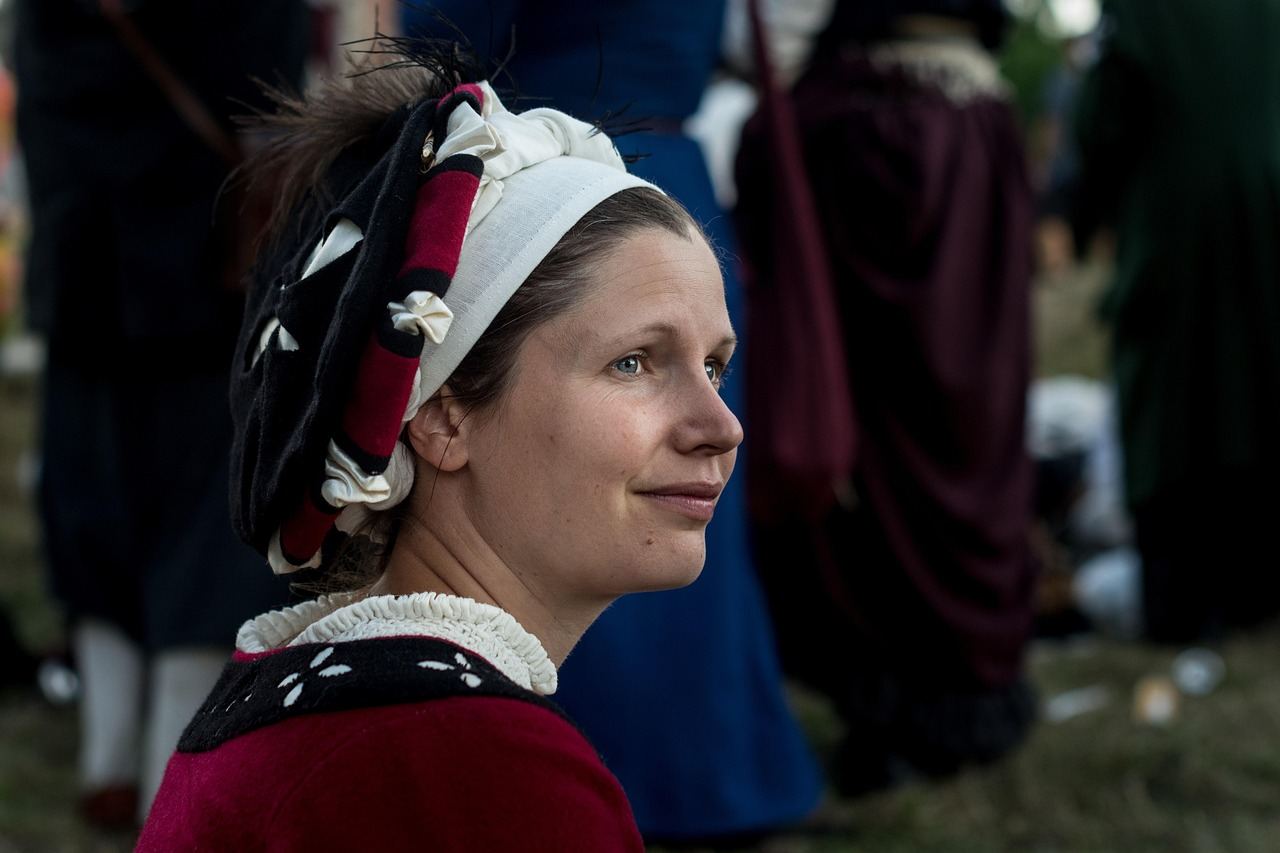
Live Action Roleplaying isn't just fantasy dress-up; it's immersive storytelling where players actively shape narratives and alliances in real-time.
Getting started with live action roleplaying (LARP) as a beginner immerses you in a unique experience where you can act out characters in a shared fictional world – moving through real spaces, speaking in-character, and resolving conflicts through agreed rules or combat systems.
Unlike tabletop RPGs, you're not describing actions at a table. You're doing them.
In Live Action Roleplaying (LARP), participants create and embody their own characters, engaging in real-time improvisation and collaborative storytelling through physical activities like simulated combat, negotiation, and quest completion in diverse settings.
LARP combats boredom by inducing a flow state through the balance of physical challenges and skill-matched improvisation, offering instant feedback that enhances social belonging, creative expression, and a profound sense of accomplishment from character evolution and narrative impact.
You probably imagine grown adults in capes, swinging foam swords while someone shouts in an elf voice. That's the stereotype.
Live action roleplaying is immersive storytelling in motion. It's more like improv theater than dressing up for fantasy, and it's perfect for those who hate being mere spectators.
Unlike online gaming, the social dynamics are tangible. You read faces, forge alliances, and make decisions with real people standing right there.
Most events have a narrative crafted by seasoned game designers. It's an experience where you truly impact the story.
At a LARP event in upstate New York, a first-timer found herself negotiating a truce between factions within two hours. No script, just a chance she seized.
That's the part you miss as an outsider.
The foam sword isn't the point. The thrill comes when you stop being a spectator in your own imagination, and the next section reveals just how fast you can dive in.
Watching LARP footage makes it look like a battle scene from a fantasy film. Showing up is more like improv theater in a park, where you forgot most of your lines and your foam sword keeps wobbling.
The gap between what you expect and the reality is where many quit. But you just need to survive the gap.
Nervous energy makes your costume feel silly. You forget the lore and your character's name midsentence, standing awkwardly near the snack table.
Muscle memory kicks in after a few sessions. Your character's voice becomes natural. Friends even call you by your fake name without a trace of irony, and you're already planning your next costume.
Feeling embarrassed and confused at first is normal. It's not just the first session, but the whole month. Those who last are the ones who stop performing "doing LARP" and just start doing it.
Learn your game's hit-call system before starting. LARP combat uses verbal calls like "body," "double," "by my voice." Hesitating breaks immersion and marks you as unprepared. Twenty minutes with the glossary is the difference between fumbling and playing.
When to start: Morning
Duration: 2 hours
Cost to try: $20
Success criteria: If you finished without overthinking the character portrayal, do session 2.
Many beginners think buying expensive gear is a must to start LARPing. But often, the group can provide the basics for your first experience.
Borrow or thrift a neutral outfit (dark pants, plain tunic), attend an event, and then invest once you know what your chapter values.
Taking the easy route leads to poor immersion. If your character mirrors you too closely, it can break the magic quickly.
List three beliefs your character holds that you don't share. Use these to steer your initial interactions.
LARP combat relies on verbal calls, and they're not explained during battles. To avoid freezing, familiarize yourself with the combat calls ahead of time.
Get the list of combat calls from your rulebook before the event. Practice them aloud until they come naturally.
Focusing only on gaining loot and XP misses the point. Plot teams are more invested in players who contribute to the story's creation.
Draft a short rumor about your character before the event and share it with a GM. They'll integrate it into the story for you.
The LARP social scene can feel impenetrable. Many newbies hesitate, waiting for others to include them.
Approach an experienced player in-character to ask for a task, favor, or information at the event's start.
Meetup.com is your starting point. Search for "LARP [your city/region]" to find active communities.
Reddit's r/LARP is another strong option. Post your location there to get connected quickly to local groups.
Several places host LARP events. Public parks for day games, campgrounds for full weekends, and community halls or rented rural properties offer more controlled environments for big immersions.
Try searching "[your state/country] LARP alliance" for broader options. In the US, check LARP Alliance and niche networks like Amtgard or NERO International, each with their own chapter finders.
On Facebook, look for "[city] LARP" or "[city] foam fighting" groups. Many small local groups are only active there.
Expect system-specific networks. Bodies like Amtgard, Dagorhir, and Mind's Eye Theatre manage their own chapter connections and events.
First-time participants often worry about gear. Mention you're new, and most groups will provide a loaner weapon, simplify your character, and assign someone to guide you. They welcome newcomers and prepare for beginners to keep things smooth.
Padded foam weapons replace real contact – you swing, they block, nobody goes to urgent care. Beginner-friendly combat without formal training. Foam weapons run $20–$80, and most established groups loan gear to newcomers.
No combat or foam swords here – this is pure character and politics in a single room. Imagine murder mysteries, vampire courts, or diplomatic intrigue driven by conversation and card draws. Ideal for storytelling enthusiasts. Costume budget matters here more than gear.
Reconstruct specific battles, periods, or cultures with accuracy. Gear standards are strict and costs are high – a convincing kit can run several hundred dollars. Perfect for history lovers craving authenticity.
Prominent in Scandinavia, this format focuses on emotional realism over game mechanics. Rules are minimal; it's about feeling, not winning. Great for theatre-minded individuals comfortable with vulnerability. Not beginner-friendly – know yourself reasonably well before diving in.
Multi-weekend stories with persistent characters, factions, and lasting consequences. What happens in April still matters in October. For those seeking long-term investment and community. Costs compound – travel, camping, costume upgrades – so try as a guest first before committing.
Readers who enjoy this often gravitate toward Trainspotting next.
Physical listening is the skill that makes Live Action Roleplaying thrive.
Beginners often focus too much on costumes and character backstories. Weeks get spent on lore that might never see the light of day.
The real difference isn't preparation. It's in honing the art of physical listening.
Track the emotional pulse in real time. Notice when players toss you a narrative lifeline, and adjust to the scene's reality instead of your script.
Become a player others seek out because you enhance their scenes. Everyone loves a partner who makes the moment shine.
Skip this skill, and your interactions end up feeling empty. They may be technically correct, but they'll lack depth.
Aim for four LARP sessions over 30 days if possible. Three if your local group only meets monthly.
If you're already dreaming up your next character build, that's your brain voluntarily engaging. That's not fleeting enthusiasm—it's real involvement. Sign up with a crew, start investing in your kit, and look for larger events to attend.
If you had fun but don't feel the pull to return, it's still promising. LARP often rewards deep investment, so consider giving it another shot with a plan in mind. Aim to connect with one person and run a scene together to see if that sparks anything.
Counting the minutes until you could leave signals something important. The costume-and-character element might just be friction rather than fun for you. Consider exploring tabletop RPGs or improv theater for a similar but potentially more comfortable creative outlet.
Watching LARP recap videos late at night is a sign you can't ignore. This quiet, persistent intrigue suggests you want to dive deeper into character play, not just observe it.
No weekends to spare? LARP is tough. Most events require full Saturdays or even entire weekends. Rare are the short evening drop-in games.
Physical distress with combat? Boffer combat and physical roleplay are so integral that opting out may leave you isolated from the core experience.
Live in the middle of nowhere? Without a nearby community, starting LARP is a full project, possibly more about building a local group than just picking up a hobby.
Still looking for something to do? Browse things to do when bored for more ideas.
To begin, you need a basic costume fitting your character, comfortable clothing and footwear suitable for outdoor activity, and a willingness to roleplay. Most LARP communities provide beginner-friendly guidelines and gear recommendations, so you don't need expensive equipment right away—many new players borrow or improvise gear for their first event.
Event fees typically range from $20–$100 depending on duration and location, though some free community events exist. Initial costume and gear can cost $50–$500 depending on detail level, but you can start with minimal investment and upgrade over time as your interest grows.
Most LARP events last a weekend (Friday evening through Sunday afternoon), though some run as short as a single evening session or as long as a full week. The duration varies by game system and organizer, so you can choose events matching your schedule and availability.
LARP combat is choreographed and consensual—players use foam weapons and follow specific rules to simulate combat safely without actual contact. Both players agree on outcomes, and safety is always the priority to ensure everyone enjoys the experience without injury.
Yes, LARP welcomes players of all experience levels, and roleplay skills develop naturally through participation. Many communities have mentor players and structured beginner events specifically designed to help newcomers feel comfortable and confident in their first adventure.
Search online for LARP groups in your region, check gaming forums and social media groups dedicated to tabletop and live action gaming, or visit official LARP convention websites. Attending a gaming convention or local meetup is also a great way to connect with experienced players and learn about events in your area.