BoredomBusted — Find Your Next Favorite Thing To Do
Discover hobbies, activities, places, and ideas that spark joy. Whether you're looking for something creative, active, social, or relaxing, BoredomBusted helps you find your next favorite thing to do.
Browse our hobby guides, things-to-do collections, and place ideas to never be bored again.
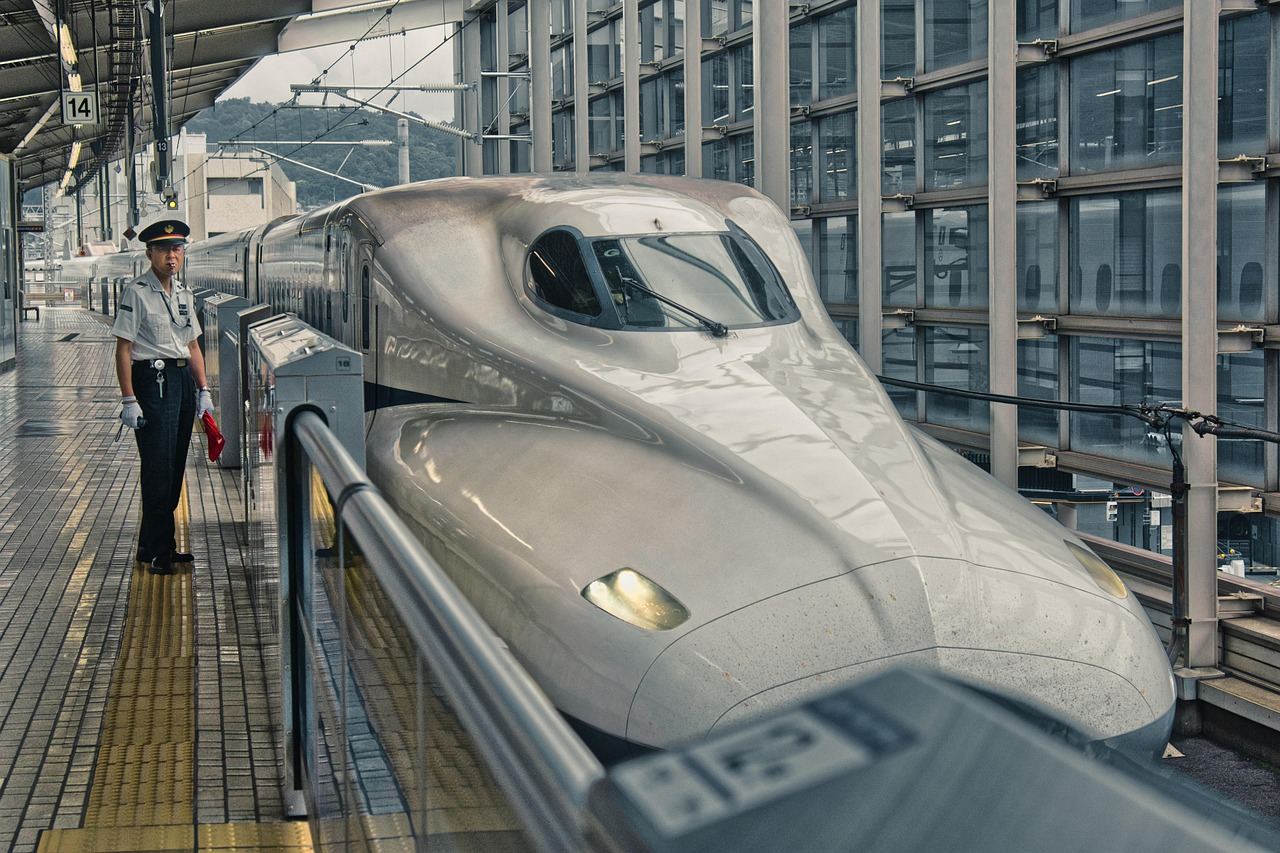
Trainspotting isn't just about cataloging numbers; it's an exhilarating live puzzle revealing the intricate dynamics of railway logistics and delays.
Getting started with trainspotting as a beginner involves learning how to identify and record the unique numbers of locomotives and rolling stock you see on your journeys.
You carry a book (or app), note each number, and chase completion across a fleet or region.
Unlike railfanning or photography,, the core reward is the list itself – the systematic hunt for every number, not the image or the experience.
In trainspotting, enthusiasts engage in hands-on observation and documentation of trains at specific locations, waiting with notebooks and cameras to record locomotive numbers, types, and schedules. They analyze train timetables to predict arrivals, capture photographs or videos of trains, and log sightings, sometimes collecting memorabilia to enrich their records.
Trainspotting fosters mindfulness and a flow state through focused observation and documentation, providing immediate gratification from mastering train identification and capturing perfect shots. This structured activity generates a sense of accomplishment as enthusiasts build personal logs of their sightings, while the unpredictable nature of train arrivals introduces an element of novelty to o…
You think trainspotting is standing on a cold platform writing down numbers. Sad anorak. Flask of lukewarm tea. That assumption is so widespread it's practically a personality assigned to the hobby before anyone's tried it.
A Class 37 from the 1960s gets dragged out of storage to cover a broken-down modern unit on a commuter route. To a casual observer, it's just an old train. To someone three weeks into this hobby, it's a cascading equipment failure made visible – and they've already posted about it before the delay boards update.
That kind of thing doesn't happen in a vacuum. There's an entire language for reading it – and the next section covers exactly how to start learning it.
Watching someone else do it looks almost meditative – a thermos, a notebook, a train sliding past on cue.
Then you're standing on a cold platform with a printed timetable you don't fully understand, and the first train that passes isn't in your book at all. That gap between spectating and doing is bigger than it looks.
The first session hands you a few hard truths fast. Trains are trains. Numbers mean nothing. The platform feels pointless. Everyone else looks like they know something you don't.
By session three, those same numbers stop being noise. That number means a specific locomotive – one you knew was coming, logged when it passed, and are already cross-referencing against what's due in twelve minutes. The timetable goes from a mystery to a tool.
The weeks in between are mostly mistakes. You'll log three trains correctly in week one and spend the rest of the session figuring out why your timetable doesn't match what's running. Week two, you start recognising rolling stock classes by shape before you read the number – and that's the first moment it registers as a real skill. Week three hands you a bad location call: too much glare, wrong angle, freight running instead of passenger. You'll learn more from that single wrong call than from any guide.
Patience. Stillness. A lot of nothing.
Then a class you've never seen before rolls through and you're moving before you've thought about it. The hobby just ran faster than your doubt did. That's the moment it sticks.
One thing to know before session one: not every train carries a visible TOPS number from the platform, especially on faster mainline passes. Bring binoculars even if you think you won't need them. You will – on the third train, when it actually matters. The next section covers the mistakes that keep beginners stuck longer than any of this needs to be.
When to start: Early morning
Duration: 1.5 hours
Cost to try: $0
Success criteria: If you log at least 10 train numbers, with 3 matching photos and one note on each train’s type or operator, do session 2.
Beginners assume trains will just appear. A quiet platform means nothing if you missed the interesting workings by 20 minutes.
A bare number with no location, date, or service tells you almost nothing six months later.
Log the headcode, the time, the location, and the service it was working — every single time, from day one. The number alone is a dead end.
The online forums make it feel urgent. Newcomers burn a Saturday travelling 90 miles for a haulage move they can't yet fully appreciate.
Spend your first month learning to identify your local fleet on sight — rarity means nothing if you can't read the scene around it.
New spotters default to wherever the crowd is. The consist, the light, and the cab shot all depend on which direction the train is running.
Check the working direction beforehand so you're already at the end the loco will pass last — that's your clearest, slowest view.
Passenger timetables are obvious, so freight gets treated as a bonus rather than a core part of the hobby. That's a mistake.
Use Freightmaster or a freight-specific working timetable to find paths in your area. Some of the most interesting traction moves will never appear on a passenger board — and most spotters at your local station won't even know they're running.
Trainspotting happens wherever trains move. Railway stations, lineside locations with public access, and heritage railway sites are the three you'll use most. Some spotters also work from road bridges and footpaths that overlook mainline routes.
RailForums.co.uk is the UK's most active community. Search your region in the location-specific subforums and you'll find threads listing exactly where local groups meet.
The fastest route to an actual meet is a Facebook Group search for "[county name] railway enthusiasts" or "[city name] trainspotters." That's where the real local organising happens — not the big forums.
For structured outings, look up your nearest Locomotive Club of Great Britain (LCGB) branch. It's the closest thing to a national governing body, with regional chapters that run organised trips. Experienced members tend to share timing sheets and flag which classes are worth chasing that season — that knowledge is hard to find anywhere else.
Before you go anywhere, check Railtalk.co.uk's "Spotting Locations" section. It's crowd-sourced, and it'll tell you exactly where to stand, what lines you'll see, and what times are worth showing up for.
Trainspotting isn't one hobby. It branches into genuinely different activities — some overlap, most don't.
Linesiders position themselves at bridges, cuttings, and open stretches to photograph trains in motion. You're not logging — you're composing.
This is best for people who already shoot photography and want a fast-moving subject with real technical challenge. Budget for a telephoto lens — that's where the cost gap opens up versus standard platform spotting.
Railtours are special charter trains hauled by heritage or rare locomotives you'd never see in normal service. You're riding the train, not watching it — which changes the experience completely.
Tickets typically run £50–£150 depending on route and locomotive. Best for spotters who want to tick rare traction without standing in the cold waiting on a maybe.
Heritage railway volunteering puts you to work on preserved steam or diesel locomotives at heritage lines. You get closer to the machines than any platform ever allows.
This is the path for people who want something to maintain and restore, not just observe.
Gricers chase specific locomotives — unusual classes, last-in-service examples, one-off workings. It will take over your calendar if you let it.
Travel costs are real — some chasers clock hundreds of miles for a single working. Not a starting point; this is where experienced spotters end up.
Some spotters extend naturally into buses, trams, or ferries — same methodology, different vehicle. If you're drawn to the logging and the hunt, the traction type matters less than you'd think.
No extra gear required. Same notebook, different stop.
Live Action Roleplaying lives in the same world — different mechanics, similar appeal.
Most beginners spend their energy memorizing liveries and rolling stock numbers – and then wonder why experienced spotters always seem to know something they don't. The gap isn't knowledge. It's listening.
Learn to read a train's approach before it's visible.
Experienced spotters don't wait to see the train. They're already tracking it – engine note pitch, the rhythm of wheel-on-rail clatter, the way sound bounces differently off a diesel versus electric unit.
That audio signature, matched to the line and time of day, tells you what's coming before it rounds the bend.
When you can pre-identify from audio cues, you're already in position, notebook open, camera ready – instead of scrambling when the train appears.
Without it, you'll keep missing the clean shots and the cab numbers, because you're always reacting a second too late.
Commit to 6 sessions over 30 days – roughly one and a half per week, spread across different times of day and different locations if you can manage it.
That matters because train traffic isn't the same at 7am as it is at midday, and a quiet rural crossing will teach you something a busy interchange won't.
Six sessions gives you enough variation to know whether it's the environment you're responding to, or the hobby itself.
You keep noticing train sounds before you see the train – and you actually pause to look. That involuntary attention is specific and it's real.
If you're already cataloguing what you see without trying to, you're already doing this.
The resources section ahead covers where to start depending on your location, what kit is actually worth buying first, and which communities won't make you feel stupid for asking basic questions.
You'll need a notebook and pen to record locomotive numbers, a camera or smartphone to document sightings, and binoculars for identifying details from a distance. Many enthusiasts also use trainspotting apps to log their sightings and check real-time schedules, but these are optional as you build your hobby.
Trainspotting can be virtually free if you start with just a notebook and pen, documenting trains from public locations. Upgrading to a decent camera, binoculars, and a rail guide or app subscription might run £50–£200 depending on how serious you become, but there's no mandatory expense.
Yes, trainspotting is legal when done from public spaces like railway stations, bridges, and public footpaths. Always respect private property, follow station rules, and never trespass on railway lines or restricted areas—safety and permission are essential.
This varies widely depending on your location and the rail lines nearby. You might spot interesting trains on your first outing, but documenting rare or historic locomotives can take weeks or months of regular visits and patience. Joining a local trainspotting group can speed up your chances of finding valuable sightings.
Casual trainspotting is simply enjoying watching and photographing trains you encounter, while serious collectors maintain detailed logs, hunt for specific locomotive numbers, and travel to witness historic or rare trains. The hobby scales entirely to your interest level—you can enjoy it as a relaxing outdoor activity or dive into the competitive aspects of tracking down elusive engines.
No prior knowledge is required—trainspotting is perfect for beginners who are curious about trains. As you spot and log locomotives, you'll naturally learn about different classes, histories, and engineering details, making the hobby educational and rewarding as you progress.