BoredomBusted — Find Your Next Favorite Thing To Do
Discover hobbies, activities, places, and ideas that spark joy. Whether you're looking for something creative, active, social, or relaxing, BoredomBusted helps you find your next favorite thing to do.
Browse our hobby guides, things-to-do collections, and place ideas to never be bored again.
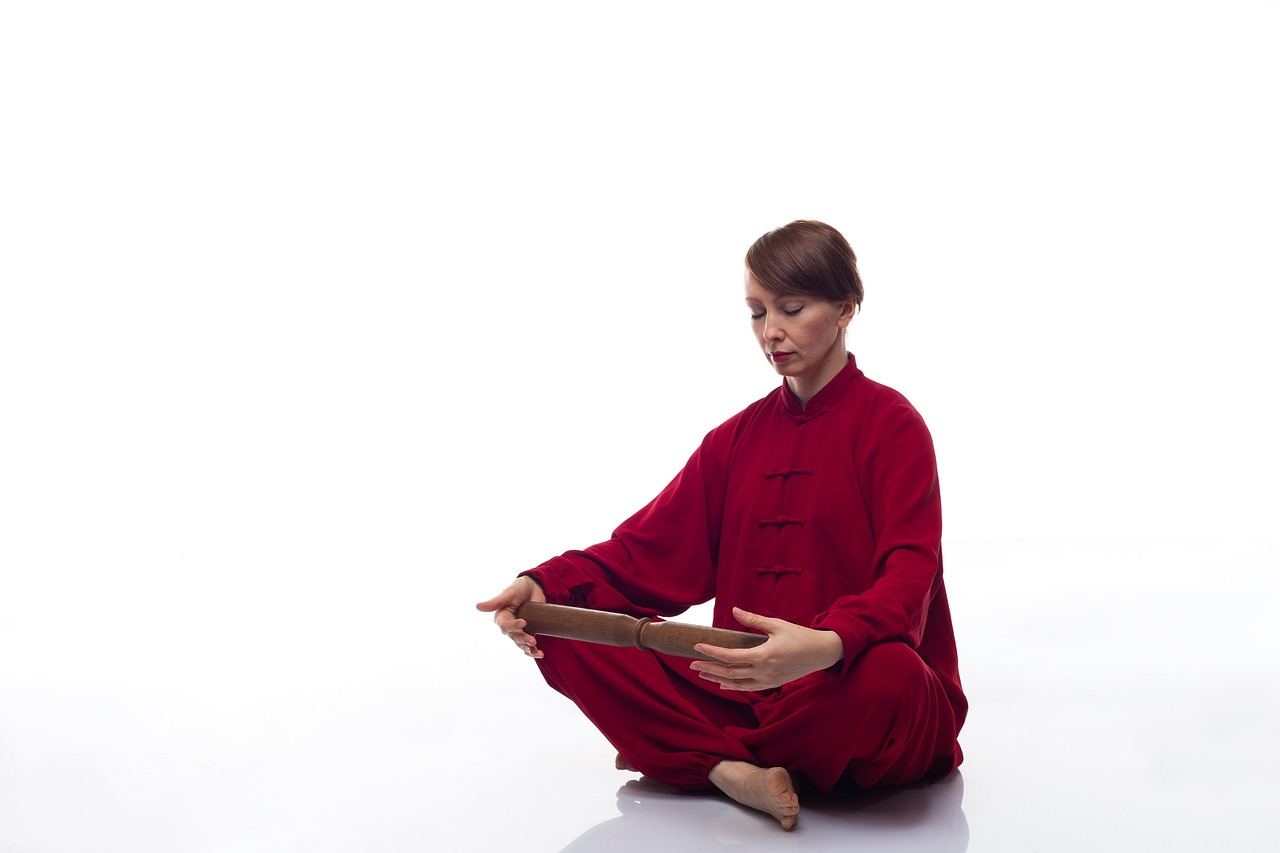
Qigong's 'qi' isn't some mystical force — it's the science of breath and movement that enhances your nervous system and well-being.
Getting started with qigong as a beginner involves positioning your feet shoulder-width apart. Knees slightly bent. Your arms move in slow, deliberate circles. You're breathing deeply from your belly.
Qigong combines flowing movements with controlled breathing and mental focus. This practice aims to cultivate and balance your body's energy, or qi.
Practitioners perform sequences lasting from ten minutes to an hour. Each gentle motion repeats until effort and ease become indistinguishable.
In Qigong, practitioners perform slow, deliberate sequences of flowing postures, coordinated breathing, and gentle movements, engaging in exercises like static stances, dynamic flows, and breath-movement coordination, typically in solo sessions lasting 10-15 minutes.
Qigong induces flow states through the mindful coordination of movement and breath, allowing practitioners to focus completely on their actions and sensations, which prevents mental drift and cultivates a sense of mastery and accomplishment through incremental skill progression.
You probably picture robed practitioners channeling invisible energy. Qigong is biomechanical breathing paired with deliberate movement to regulate your nervous system — nothing more mystical than that.
Every exercise combines specific breath patterns with precise postures. Together, they activate your parasympathetic nervous system, lower cortisol, and improve proprioception.
The "qi" isn't supernatural. It's oxygen distribution, lymphatic flow, and neural signaling — made tangible through sustained practice.
You'll arrive expecting mystery, and leave with instructions on standing properly. Your pelvis tilts wrong, your shoulders tense, knees not bent enough. Suddenly, your legs tremble.
It's not failure; it's engagement. Shaking muscles you've never used. Deliberate arm movements come next. They feel almost dull until you realize your breathing aligns and your mind quiets effortlessly.
Feeling foolish yet calm is normal. It's all part of the process.
When to start: Early morning
Duration: 1 hour
Cost to try: $0
Success criteria: If you complete a full beginner qigong video and keep your movements smooth enough to follow all the way through, do session 2.
It's easy to hold your breath while focusing intensely on the movements in Qigong. This unconscious habit disrupts the flow of energy.
Allow your breath to be slow and smooth, like a quiet river. This natural rhythm supports your practice.
Rushing or pushing through the motions turns Qigong into something it's not. It's tempting to force movements like you're at the gym.
Move with minimal effort, imagining you're gliding through water. This approach keeps the flow gentle and effective.
Trying too hard to perfect each form can catch beginners in a loop of doubt. This focus on 'right' distracts from the actual experience.
Focus on how it feels rather than how it looks. If your mind wanders, simply come back to your breath.
Initial enthusiasm wanes quickly if sessions are too infrequent. Inconsistency breaks the habit before it's formed.
Commit to 5–10 minutes daily, linking it to something you already do. This makes practice a natural part of your routine.
Incorrect pelvis and knee alignment causes strain and disrupts energy flow. Locking the body creates blockages instead of relaxation.
Align your posture as if gently seated on the edge of a chair. Let your weight sink naturally into your feet.
The National Qigong Association (NQA) offers beginner-friendly sessions. Join them every Friday at 11am EST for continuous practice since 2006. Dress comfortably and arrive a few minutes early. No registration is necessary. Find more details on their website, nqa.org/events.
Across the U.S., regional classes provide diverse options. Head to Palm Desert Community Center on Wednesdays at 11am for sessions with Renate Bodden. In Agoura Hills, CA, and Rockland, ME, Tai Chi and Qigong classes take place throughout August 2026. These are great spots to connect with local practitioners.
YouTube is a treasure trove for Qigong enthusiasts. New popular channels like Yoqi Yoga and Qigong, Qigong with Kseny, and White Tiger Qigong offer tutorials and community support. These channels make it easy to follow along from anywhere.
For social media interaction, Twitter/X is a good starting point. Follow @healingourearth for Qigong inspiration and community engagement.
To further dive into discussions, visit subreddits like r/qigong or r/taichi. While Discord servers aren't listed here, searching directly on Reddit and Discord will yield more community insights and real-time conversations.
Tai Chi offers a gentle introduction
Ba Duan Jin is ideal for new practitioners
Wu Qin Xi brings out your playful side
Yi Jin Jing focuses on building muscle and tendon strength
Microcosmic Orbit is for those ready to dive deep
If this resonates, Ashtanga Yoga explores a similar direction.
If you want a related angle, Pilates is the natural next stop.
Feeling the subtle difference between muscular tension and energetic expansion. This is the real skill you need in qigong.
Most beginners tense up or hold their breath when they try to "build qi." They don't relax.
The real progress comes from relaxing completely while expanding your awareness into your dantian. It's paradoxical—nothing feels forced, yet everything is engaged. Once you can tell the difference between genuine energetic sensation and mere muscular effort, your practice changes.
Each qigong form becomes a conversation with your own life force, not just a series of slow movements.
Three to four sessions over the next month. Aim for one session per week, giving yourself time to reflect in between.
If you catch yourself feeling more at ease while still, and start looking forward to the next session, you're onto something. That's the calming effect of the practice and a genuine draw to it. Consider exploring more detailed techniques or attending a local class to deepen your experience.
If you find these sessions don't shift your mood or perspective, it's okay. Before deciding it's not for you, try a guided session with an instructor or a different style that might offer the feedback you're missing.
If the sessions feel too abstract or lack the tangible progress you seek, don't sweat it. This practice might sound appealing but feel empty without the visible changes you're after. That's your signal to move on.
The one sign you shouldn't ignore: finding yourself checking out spiritual philosophies or meditative apps late at night without planning to.
If qigong sounds close but not quite right, our hobby list might surface something better suited.
For ideas that take five minutes instead of five weeks, see things to do when you're bored.
Qigong is a Chinese practice combining slow movements, breathing, and meditation to cultivate and balance qi (life energy) in the body. Unlike yoga, which focuses on physical poses and flexibility, qigong emphasizes internal energy flow and is often considered more meditative, with gentler movements suitable for all ages and fitness levels.
Most practitioners report noticeable benefits like reduced stress and improved relaxation within 2–4 weeks of consistent practice. Physical benefits such as better flexibility and energy levels typically develop over 2–3 months of regular sessions.
Yes, qigong is designed to be accessible to beginners of all ages and fitness levels. There's no special equipment needed, and basic routines can be learned from instructors, videos, or classes—most people can grasp fundamental techniques in their first session.
Even 10–15 minutes of daily qigong practice can provide meaningful benefits, though 20–30 minutes is ideal for more noticeable results. Consistency matters more than duration, so starting with whatever time fits your schedule and building gradually is recommended.
You need comfortable, loose clothing and a quiet space with enough room to move (indoors or outdoors). No special equipment, gym membership, or prior training is required—just a willingness to learn and practice.
Qigong is not difficult to learn, though it requires patience and mindfulness rather than physical strength or athleticism. Most basic techniques can be understood within a few sessions, and improvement comes naturally with regular practice.