BoredomBusted — Find Your Next Favorite Thing To Do
Discover hobbies, activities, places, and ideas that spark joy. Whether you're looking for something creative, active, social, or relaxing, BoredomBusted helps you find your next favorite thing to do.
Browse our hobby guides, things-to-do collections, and place ideas to never be bored again.
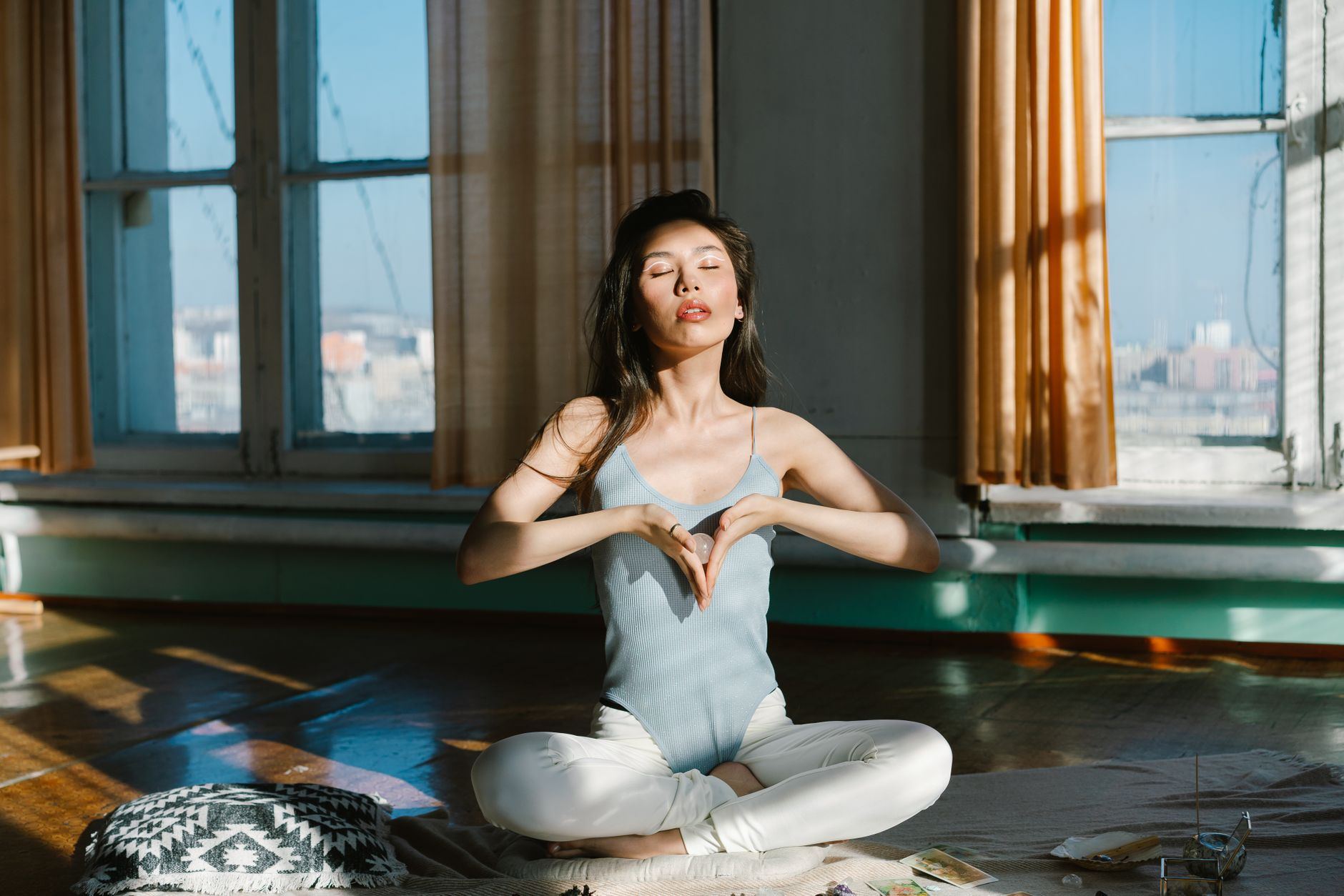
Restorative yoga is misunderstood as easy — it's actually a powerful practice that addresses longstanding tension and resets your nervous system.
Getting started with restorative yoga as a beginner involves understanding how to hold passive poses for 5–20 minutes, fully supported by props like backs up, blankets, and blocks.
Your nervous system does the work – the goal is complete physical release, not stretch or strength.
Unlike yin yoga, which targets connective tissue, restorative yoga is purely about signaling your body that it's safe to stop bracing.
In restorative yoga, you arrange props like bolsters and blankets on a mat to support your body in passive poses, holding each for 5-10 minutes while focusing on deep breathing and allowing your muscles to release tension without active effort.
Restorative yoga induces prolonged stillness that activates the parasympathetic nervous system, creating a calming trance-like state that helps to release tension and fosters a deep sense of accomplishment as you progressively deepen relaxation in each pose.
Restorative yoga is often dismissed by those who believe it's for people avoiding real exercise. It sounds too passive — blankets, shores up, and lying still seem like little more than an extended nap. But this assumption keeps those who would benefit most from considering it.
Restorative yoga deliberately activates the parasympathetic system — your body actively works to downregulate constant stress responses.
Holding stillness is not about doing nothing. It deeply affects connective tissues in ways active stretching cannot. Your body learns to release tension held in places like your jaw and hips, unlike any vinyasa class you've taken.
One student entered skeptical, sleepless for months. By the third session, she wept in Supta Baddha Konasana. Not from pain.
You aren't stretching. You are showing your body stillness is safe.
So how do you practice this on a regular night at home? And what simple gear do you need to make it work?
Lying down in restorative yoga feels like doing nothing. That changes quickly. Ten minutes in, supported in a forward fold, and your mind audits everything unresolved in your life.
The space between 'passive' and 'still' surprises beginners. You live in that space during the first month. Fidgeting, checking the clock, convinced you're doing it wrong.
Week one is restless. Your mind floods you with grocery lists instead of calm. By week two, staying still becomes more challenging than any stretch.
In week three, a pose like supported fish clicks. You grasp the purpose of practice. Then by week four, you adjust props mid-pose. This shift means you're no longer just a passive participant.
Props aren't training wheels; they're integral. A blanket two inches off can change everything. Before class, ask the instructor to guide you through setting up a pose – not just your position, but the 'why' of each prop.
Expectations mislead. It's quiet and slow, and feels like nothing happens. That feeling signals it's working. You're breaking the habit of filling every gap with action. This is about embracing stillness.
When to start: Early morning
Duration: 1 hour
Cost to try: $0
Success criteria: If you held Supported Child’s Pose and Savasana for 5 minutes each, using the blanket so your body stayed fully supported, do session 2.
A rolled blanket on a mat feels enough for beginners. But relying on it makes you fidgety instead of truly relaxed.
Arrange your props before entering the pose. Adjust until you feel your belly naturally soften on the exhale.
Restorative poses aren't just long stretches. Leaving at three minutes means exiting before the real magic happens.
Use a timer for at least eight minutes. This bypasses your internal debate and lets your nervous system fully relax.
Opened eyes keep you alert when you're aiming for calm. You'll end up restless in a pose designed for deep rest.
Cover your eyes with an eye pillow or a sock. This darkness switches off alert mode faster than trying to cue your breath.
Being cold stiffens your muscles to conserve heat, which defeats every relaxation goal you set.
Warm the room to 72–75°F before starting. Use a lightweight blanket from the beginning, not when you're already cold.
Old habits from vinyasa may have you counting breaths like an assignment, making it impossible to switch off.
Allow your breath to flow freely. If focus is needed, notice where your breath lands naturally without directing it.
Restorative yoga can take place anywhere – yoga studios, community centers, gyms, or even someone's living room or a rented church hall.
Yoga Alliance is the closest thing restorative yoga has to a national governing body. It certifies teachers, helping you choose the right instructor.
Let the instructor know you're coming for the stillness, not just a gentle workout. This usually ensures a prop orientation before class and a helpful check on your setup during poses.
Restorative yoga offers various styles to match different needs. Choosing the right one early can prevent unnecessary backtracking.
Standard restorative yoga focuses on comfort, but this style uses props to perfect body alignment. Ideal for those with chronic pain or injuries who need more support than a typical class offers.
Expect to invest in props like strengthens, blankets, wooden blocks, and straps.
Yoga Nidra involves guided meditation while lying still. Perfect for those who need a nervous system reset but find moving even gently frustrating or difficult.
You won't need more than a mat and something to cover your eyes – making it a low-barrier option.
This version alters the framing and language of a session so you remain in control. Best for those who feel uneasy in standard classes.
Look for instructors trained specifically in trauma-sensitive approaches.
Restorative Yin targets connective tissues with longer holds combined with full prop support. A step up in intensity without the demands of a harder style.
Consider this after a few months of standard restorative practice.
Thai Restorative, or Assisted Restorative, involves a teacher physically guiding you into poses. Great for those struggling with self-guided tension release or stuck in solo practice.
These one-on-one sessions can cost $80–$150 each depending on your location.
Some of the same instincts show up in Vinyasa Yoga — worth a look if this clicked.
If the texture of this appeals to you, Ashtanga Yoga is built on similar bones.
Hatha Yoga is a sibling pursuit and often surfaces the same kind of curiosity.
Beginners spend all their energy chasing stillness. They stay quiet, avoid fidgeting, and wait for the pose to end.
But stillness isn't the skill; nervous system signaling is.
The real lever is learning to consciously trigger your parasympathetic nervous system – on purpose, not by accident. It's called active surrendering: using breath rhythm and deliberate muscle release to tell your body it's safe. This isn't just lying still and hoping for relaxation.
Once you can signal safety to your nervous system, poses stop feeling like endurance tests. Your body releases instead of just tolerating. Without it, you'll spend years feeling mildly less tense, never truly unwinding.
Most people hold tension there without realizing.
Commit to six restorative yoga sessions over 30 days – roughly once a week, adding a second during a particularly tough week.
If you're drawn back to the mat, even if it's not thrilling, that's the pull of the practice. Your body starts to crave this stillness. Begin at home with simple props and a space beside a wall.
If it's just okay, and you're not feeling that deep release, pause before abandoning it. Try extending to 10 sessions and experiment with different styles or teachers for variety.
If you feel restless and irritated, recognize that's a clear sign this may not suit you right now. For some, this method of relaxation can heighten anxiety rather than alleviate it.
One tell-tale sign is when you find yourself repeatedly absorbed in posts or videos about yoga prop setups. This isn't mere curiosity; it's your body seeking what it misses.
Physical conditions matter too. Connective tissue disorders, like hypermobile EDS, could make these sessions risky without professional guidance. If your life demands relentless output or lacks physical space and resources for practice, recognize those barriers before starting.
Curious what else is out there? Skim our list of hobbies for ideas that go in a different direction.
Looking for something lighter? Our boredom-busters guide is built for exactly that.
Restorative yoga uses props like bolsters, blankets, and blocks to fully support your body in passive poses held for 5-10 minutes, while regular yoga involves more active movement and shorter holds. Restorative focuses on relaxation and healing rather than building strength or flexibility, making it ideal for stress relief and recovery.
No, flexibility is not required for restorative yoga because props do all the supporting work for you. The goal is comfort and relaxation, not achieving perfect form, so beginners and people of all flexibility levels can benefit immediately.
A typical class runs 60-90 minutes, with most poses held for 5-10 minutes to allow your nervous system to fully relax. Even shorter 30-minute sessions can be effective for beginners or those short on time.
Basic props include a yoga mat, bolster pillow, yoga blocks, and blankets—most studios provide these during classes. If practicing at home, you can substitute household items like couch pillows, rolled towels, or cushions until you invest in proper equipment.
Yes, restorative yoga is often recommended for injury recovery and pain management because it's gentle and fully supported. Always inform your instructor about any injuries so they can modify poses or suggest alternatives that work for your specific condition.
Drop-in classes typically cost $12-20 per session, while monthly memberships range from $60-150 depending on your location and studio. Many studios offer intro packages or free first classes, and online platforms provide affordable subscription options starting at $10-15/month.