BoredomBusted — Find Your Next Favorite Thing To Do
Discover hobbies, activities, places, and ideas that spark joy. Whether you're looking for something creative, active, social, or relaxing, BoredomBusted helps you find your next favorite thing to do.
Browse our hobby guides, things-to-do collections, and place ideas to never be bored again.
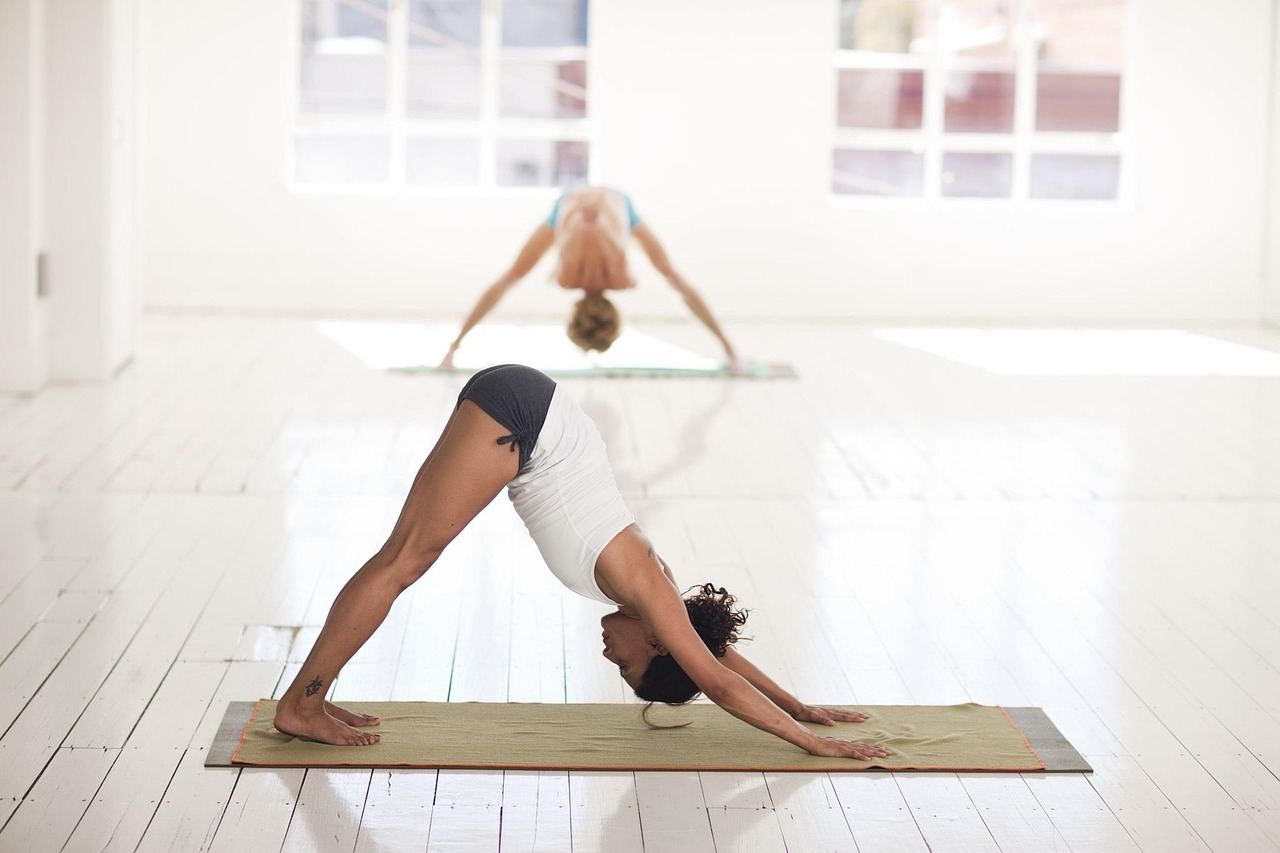
Vinyasa isn't just stretching — its flow mimics a run, pushing your cardio and strength while you master breath control for real-life performance improvements.
Getting started with Vinyasa yoga as a beginner offers a dynamic way to connect movement and breath, with each inhale or exhale triggering the next pose.
No pose stands alone. The sequence is always moving, and it's rarely the same twice.
Hatha yoga holds a pose and lets you breathe in it. Pilates uses equipment to add resistance. Vinyasa does neither — the transitions between poses are the workout.
In Vinyasa Yoga, practitioners perform coordinated sequences of poses, linking each movement with breath. This involves transitions between postures like Mountain Pose, Forward Fold, and Downward-Facing Dog, emphasizing fluidity and core engagement. Sessions typically last 20-50 minutes and include a cooldown of seated stretches and relaxation, demanding sustained attention and focus throughout t…
Vinyasa Yoga fosters a flow state through its rhythmic synchronization of breath and movement, engaging practitioners in a meditative focus that diverts attention from external concerns. The practice encourages incremental skill development and offers concrete feedback through improved strength and flexibility, making progress measurable and motivating.
You think Vinyasa is the yoga class where you stretch a bit and breathe funny. Maybe it's what people do before they get into "real" fitness. You're wrong – and the gap between that assumption and what's actually happening in a Vinyasa class is bigger than you'd expect.
A competitive cyclist picked up Vinyasa to fix hip tightness. Six weeks in, she realized her breathing had become the limiter on hard climbs – and the breath control she'd built in class was the thing that finally moved the needle.
The physical reframe is one thing. What it actually feels like the first time you're in the room, moving through a sequence with no idea what's coming – that's a different conversation entirely.
Watching a Vinyasa class looks like movement set to music – fluid, almost meditative. Then you show up and realize your body has opinions about every single transition.
Those opinions are mostly no.
That's the video. In the room, the experience runs a little differently. Your wrists start complaining around minute ten. Your lungs are two beats behind the cues. Downward dog is not a rest pose, and Warrior Two is longer than it looks.
The one thing worth knowing before you walk in: Vinyasa links breath to movement, and the breath leads. Most beginners chase the shape and completely forget to exhale.
Lost.
Sweaty.
Wondering why your hamstrings are personally offended by you.
Moving slower than the class isn't falling behind – it's the correct way to learn the breath cue before the body cue. This is the exact moment people leave. It's also the moment right before things start clicking – and they always start clicking around week three. The next section covers the mistakes that keep people stuck before that happens.
When to start: Early morning
Duration: 1 hour
Cost to try: $0
Success criteria: If you can move through a 45-minute beginner flow, linking each inhale and exhale to a full pose change and reaching savasana, do session 2.
Vinyasa literally means "breath-synchronized movement," but when the pace picks up, breathing is the first thing beginners abandon.
Pick one cue — inhale lifts, exhale folds — and apply it to every transition until it's automatic before you care about anything else.
Instructors say "take a Down Dog" like it's a break, so beginners go slack there — shoulders dumping, heels forcing toward the floor.
Downward Dog is an active pose, not a timeout — press the floor away with straight arms and let your heels hover if they need to.
The faster pace feels more rewarding on paper. Slow classes look like something you'll graduate out of quickly — but they're where the transitions that matter actually get taught.
Stay in the "all levels" or slow-flow room for your first six weeks. Fast classes assume you already own those transitions.
Everyone else drops low in one smooth move, so beginners fall through their arms fast to match the visual — and quietly trash their shoulders doing it.
Drop your knees first, every time, until you can hold a two-inch hover for three full breaths without your elbows winging out.
Vinyasa is about strength moving through range, not flexibility as a destination — but beginners keep score by whether they can touch the mat yet.
Stop reaching for the floor and start feeling where the stretch actually lives — half the poses you're forcing are already working three inches higher than you think.
Vinyasa yoga happens in yoga studios, gyms, and community centers. Outdoor parks work too, if you're somewhere warm and your teacher is the adventurous type.
When you show up, tell the teacher you're new to vinyasa specifically – not just "new to yoga." That one word gets you explicit breath-to-movement cues, closer attention on your transitions, and modifications before you're halfway through wondering if everyone else is struggling too.
Not all Vinyasa classes are the same. The label covers a wide range of styles – and picking the wrong one early can put you off the whole thing.
Power Yoga is Vinyasa with the volume turned up – faster sequences, more strength work, less emphasis on breath cuing. It borrows heavily from Ashtanga and prioritizes a physical workout over a meditative one.
Best for people who come from a gym background and want yoga to feel like training.
Slow Flow uses the same poses at a slower pace – each transition gets more attention, and you'll hold positions longer than in a standard class.
This is the one beginners should actually start with – not because it's easier, but because you can see what's happening before the next move arrives.
Baptiste Power Vinyasa is a specific branded system developed by Baron Baptiste – heated room, set sequence structure, and a strong motivational coaching style. It's more consistent class-to-class than general Vinyasa, which helps if you track progress.
Expect a hot yoga setup. Factor in a grippy mat – standard mats get slippery fast.
Prana Flow is more creative and music-driven than traditional Vinyasa – teachers treat sequencing almost like choreography. The spiritual framing is heavier here, which some people love and others find distracting.
Best for practitioners who already have the fundamentals and want more expressive movement.
Ashtanga is technically its own style, but Vinyasa descended from it. Some teachers use the terms interchangeably – they're not the same thing.
Ashtanga follows a fixed sequence every class. Vinyasa doesn't. It matters.
Some of the same instincts show up in Restorative Yoga — worth a look if this clicked.
If this resonates, Yin Yoga explores a similar direction.
Most beginners obsess over getting poses right — the arm shape, the knee angle. That's not what Vinyasa is testing.
Vinyasa is testing whether you can breathe on purpose while your body is under load. The skill is breath-initiated movement — every transition starts with the inhale or exhale, not the other way around.
Not breathe while you move.
Not breathe after you move.
The breath cues the movement — like a conductor, not a passenger.
When the breath leads, the flow stops feeling like a series of poses you're rushing between. It becomes one continuous thing. Your nervous system stops treating it like an emergency.
Without it, you hit the same wall every class — heart racing, form collapsing around minute fifteen. Most Vinyasa injuries happen when movement outruns the breath. That gap between breath and movement is the exact moment your body loses structural support. The next section covers where to practice this — and which Vinyasa formats give you enough room to actually feel it working.
Thirty days. Eight sessions. That's the test.
Eight is enough to get past the "I don't know where to put my hands" phase and into the part where you actually feel the practice. Less than that and you're just testing your comfort zone, not the hobby.
If you're already thinking about when you can go back before the eight sessions are up, that's the signal — not loving every pose, but the pull back to the mat even when the class was hard. Start building a consistent weekly schedule and look into a dedicated beginner series.
If you showed up, it was fine, whatever — that indifference usually means you're comparing the reality to a version you imagined. Extend by four sessions and change the instructor or class format. Vinyasa varies more than most people expect, and one teacher's style can quietly kill the whole thing for you.
If you were watching the clock from minute ten, be honest about what specifically bothered you. The movement? The heat? The group setting? Those answers point somewhere useful — maybe it's yoga but not Vinyasa, maybe it's not yoga at all.
You keep pausing on yoga content — not fitness content generally, but specifically the flow, the sequencing, the way poses link together like a physical language you want to learn. That pull toward Vinyasa's particular logic, unprompted, is worth one honest month of your time.
A wrist, shoulder, or elbow injury that flares under load is a real barrier here. Vinyasa's constant weight-bearing through Downward Dog and Chaturanga will work against your body, not with it. A slower, more adaptive style exists for good reason — and it's not a consolation prize.
An unpredictable schedule that can't protect two consistent windows per week is a genuine problem. The flow-based learning curve stalls badly without repetition — you'll reset every session instead of building on the last one.
If total silence and solo focus are non-negotiable, the group-movement, breath-cued-out-loud format of most Vinyasa classes will feel intrusive rather than energizing. That's a structural mismatch — not something to reframe or push through.
If vinyasa yoga feels like too much to commit to right now, browse what to do when you're bored for lower-stakes ideas.
Vinyasa yoga emphasizes continuous movement synchronized with your breath, flowing from one posture to the next in a dynamic sequence—unlike slower styles like Hatha or Yin yoga that hold poses longer. Each vinyasa class is uniquely designed, so the sequence and pace vary, making it more physically challenging and meditative than stationary practices.
No, flexibility develops through consistent practice rather than being a prerequisite. Instructors offer modifications for all levels, allowing beginners to build strength and range of motion safely at their own pace.
Most vinyasa classes run 60–90 minutes, though some studios offer shorter 45-minute sessions or longer 120-minute intensive flows. Beginners often benefit from shorter classes to build familiarity with the pace and breath coordination.
Studio drop-in classes typically cost $15–$25 per session, while monthly unlimited memberships range from $80–$150 depending on location. Many studios offer introductory rates or free trial classes for first-time students.
You'll need a yoga mat, comfortable athletic clothing, and water to stay hydrated. Most studios provide mats, props, and blocks if you don't have your own, though bringing your own ensures comfort and hygiene.
Yes, vinyasa is an excellent cardiovascular and strength-building workout that elevates your heart rate while building lean muscle and endurance. The continuous flowing movements combined with breath work also enhance flexibility, balance, and mental clarity.