BoredomBusted — Find Your Next Favorite Thing To Do
Discover hobbies, activities, places, and ideas that spark joy. Whether you're looking for something creative, active, social, or relaxing, BoredomBusted helps you find your next favorite thing to do.
Browse our hobby guides, things-to-do collections, and place ideas to never be bored again.
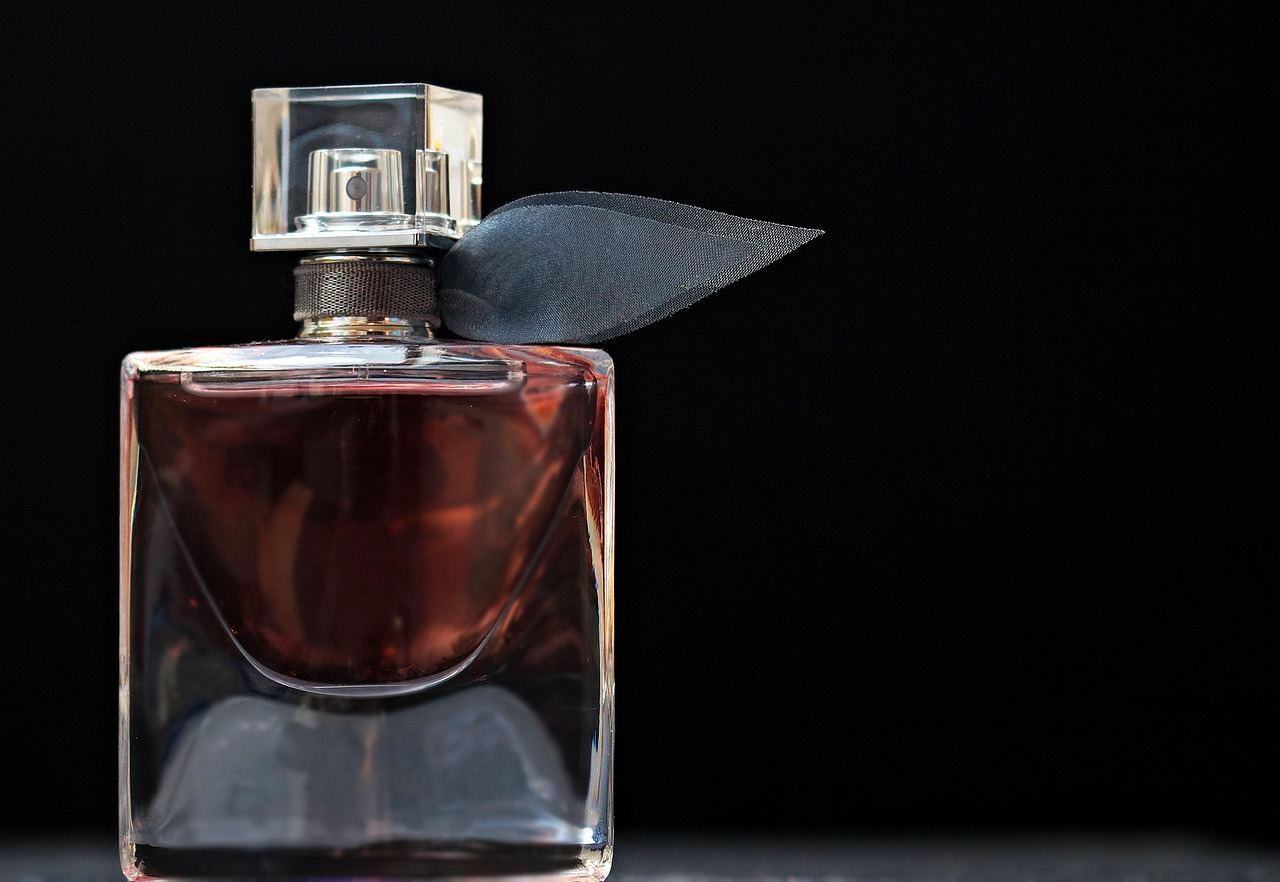
Perfume bottle collecting is less about aesthetics and more like an intense crash course in industrial design and luxury marketing history.
Getting started with perfume bottle collecting as a beginner involves searching antique shops, estate sales, and online listings for glass vessels that once held fragrance. Collect stoppered bottles with ground glass, Art Deco designs, or hand-painted labels still clinging to the glass.
Spotting Lalique marks and identifying bottles from before 1920 requires skill. Shape and color often signal rarity and value.
Most collectors start with anything beautiful and affordable. The obsession begins as they narrow focus to a specific era, maker, or style.
Perfume bottle collecting involves sourcing unique bottles through hands-on searches at flea markets, auctions, and online platforms, documenting acquisitions in detail, meticulously cleaning and preserving them, and curating themed displays that reflect personal aesthetics and stories.
This hobby satisfies the treasure-hunt novelty by providing unpredictable thrills in discovery, offers a skill feedback loop through the refinement of collection techniques and historical knowledge, and builds a sense of accomplishment as collectors complete displays and deepen their understanding of the bottles' narratives.
Perfume bottle collecting isn't about hoarding pretty containers or chasing rare designer labels.
You're actually studying industrial design history, glasswork techniques, and the economics of luxury marketing across a century of cultural shifts.
Each bottle is a tangible record of its time. The stopper shape reveals the era; the glass weight reflects the manufacturer's philosophy. Even the label design shows what consumers valued that decade.
Your first hour is spent peering at bottles under a lamp. Variations in stoppers—like ground glass and spray mechanisms—will surprise you. It strains your eyes more than you expect.
"Perfume bottle" feels like an empty term when a beautiful piece turns out to be a decorative atomizer with no history. That's a bit of a letdown.
Capturing the light through colored glass in photos is tricky. Collectors know that seeing pieces in person is crucial for a reason—they're right.
Pick up a 1920s Czech bottle, with the label and all. Its weight surprises you. That's when you get the allure of collecting objects with no practical use.
When to start: Morning
Duration: 1 hour
Cost to try: $0
Success criteria: If you identified five bottles by style or era and posted a short intro in a perfume bottle forum, do session 2.
Most beginners end up with a shelf of bottles they rarely touch. Not because they chose badly — because they skipped a few steps that experienced collectors take for granted.
A fragrance can smell completely different on your skin than it does on a strip. Beginners buy based on reviews or bottle aesthetics, then find the scent doesn't work for them at all.
Before committing to a full bottle, buy a decant first — sites like Scent Split or Surrender to Chance sell 2–5ml samples of almost any fragrance for a few dollars. Wear it for a full day. Then decide.
The impulse is to just start acquiring. But if you don't know whether you lean toward florals, woods, or orientals, you'll end up with a random pile that doesn't reflect anything.
Spend your first month sampling widely across fragrance families before buying a single full bottle. Fragrantica's fragrance wheel is a useful free reference for mapping where your taste actually sits.
A 100ml bottle is bigger than it looks in a product photo. Ten of them need real shelf space. Twenty need a dedicated display case.
Set a hard limit on bottle count before you start — not after you've run out of room. Many collectors cap themselves at ten to fifteen bottles and rotate rather than stockpile.
Bathroom shelves and windowsills look great for displaying bottles. They also destroy fragrance faster than almost anything else. Heat and UV light break down aromatic compounds over months.
Keep bottles in a cool, dark place — a closet shelf or drawer beats any open display rack. If you want to display them, use a closed cabinet away from windows.
Early enthusiasm is real. So is the regret that follows a ten-bottle haul when you're still figuring out your taste.
One bottle per month is a reasonable pace for the first year. It forces you to actually wear what you own before adding more — and your collection ends up coherent instead of accidental.
The International Perfume Bottle Association (IPBA) is your main hub. They host the annual Perfume Bottles Auction, organized by specialist Ken Leach.
Contact the IPBA at 800-942-0550 or via [email protected] Explore more at https://www.perfumebottlesauction.com/
When you join, introduce yourself and share what drew you to collecting. Ask for tips on authentication and valuation to get started smartly.
Perfume bottle collecting divides into several distinct styles.
Collect bottles from periods like Art Nouveau, Art Deco, or the Victorian era. These eras offer unique aesthetic and craftsmanship details, appealing to fans of design history.
Focus on bottles by famous artists or fashion houses like René Lalique and Chanel. Designer pieces emphasize artistic pedigree and craftsmanship.
Choose bottles based on materials like crystal or techniques like enameling. Czechoslovakian and Bohemian bottles are known for vibrant colors and intricate craftsmanship.
Collect figural bottles shaped like animals or flowers. These pieces are prized for their creativity and aesthetic as decorative objects.
Focus on functional types like atomizers and sprays. These designs reflect a blend of aesthetic beauty and mechanical ingenuity.
Difficulty ranges from low to moderate. You can enjoy from casual appreciation to serious, research-driven collecting.
Antique Collecting lives in the same world — different mechanics, similar appeal.
Understanding the manufacturing techniques, seam patterns, and material compositions ties a bottle to its era. This skill is key to collecting.
It instantly clarifies which bottles are rare finds versus common reproductions. Spotting knowledgeable dealers becomes second nature, preventing the purchase of polished fakes.
Everything else in collecting hinges on this skill. A coherent collection, spotting genuine value, and networking with serious collectors all begin with knowing what you're looking at.
This hobby is for you if you: - You get genuinely excited about the design and craftsmanship of objects, even when you don't use what's inside them - You're willing to spend significant time researching obscure French glassmakers from the 1920s or tracking down a specific Lalique stopper to complete a set - You have space to display collections and don't mind dedicating shelves, cabinets, or entire rooms to bottles that won't earn you money back - You enjoy the hunt more than the destination—the thrill of finding a rare piece at an estate sale matters more to you than the final resting place on your shelf It's probably not for you if: - You need your hobbies to have practical utility or resale value to feel justified spending time and money on them - You prefer active, hands-on hobbies over quieter, research-heavy pursuits like cataloging and condition assessment
When you don't want to commit, things to do when bored is a better starting point.
Perfume bottles gain value based on age, rarity, maker's mark, materials (crystal, porcelain, glass), design uniqueness, and provenance. Bottles from prestigious perfumeries or featuring ornate stoppers and intricate details are particularly sought after. Condition and original packaging also significantly impact collectible worth.
You can start with affordable bottles for $10–$50 each, while rare or antique pieces range from $100 to several thousand dollars. Many collectors build their collections gradually over time, mixing budget finds with occasional premium pieces. Your total investment depends entirely on your goals and available budget.
Antique shops, estate sales, flea markets, and online platforms like eBay and Etsy offer a wide selection for collectors. Specialized perfume bottle dealers and auctions provide access to rarer items, though at premium prices. Online communities and collector groups are valuable resources for sourcing specific bottles and trading with other enthusiasts.
Check for maker's marks, signatures, or hallmarks on the base or stopper, and research the manufacturer's history. Examine the quality of craftsmanship, materials, and any original packaging or documentation. Connecting with experienced collectors or consulting reference guides helps verify authenticity and identify counterfeits.
Store bottles in a cool, dry place away from direct sunlight, which can fade labels and degrade contents. Use display cases or shelving that protects bottles from dust and accidental damage while allowing them to be appreciated. Keep stoppers and caps secure, and avoid stacking bottles to prevent chips or cracks.
No—this hobby is beginner-friendly since you can start at any budget and learn at your own pace. Begin by collecting bottles you genuinely enjoy, then gradually expand your knowledge about design periods, makers, and market values. Online resources and collector communities provide guidance without requiring specialized expertise.