BoredomBusted — Find Your Next Favorite Thing To Do
Discover hobbies, activities, places, and ideas that spark joy. Whether you're looking for something creative, active, social, or relaxing, BoredomBusted helps you find your next favorite thing to do.
Browse our hobby guides, things-to-do collections, and place ideas to never be bored again.
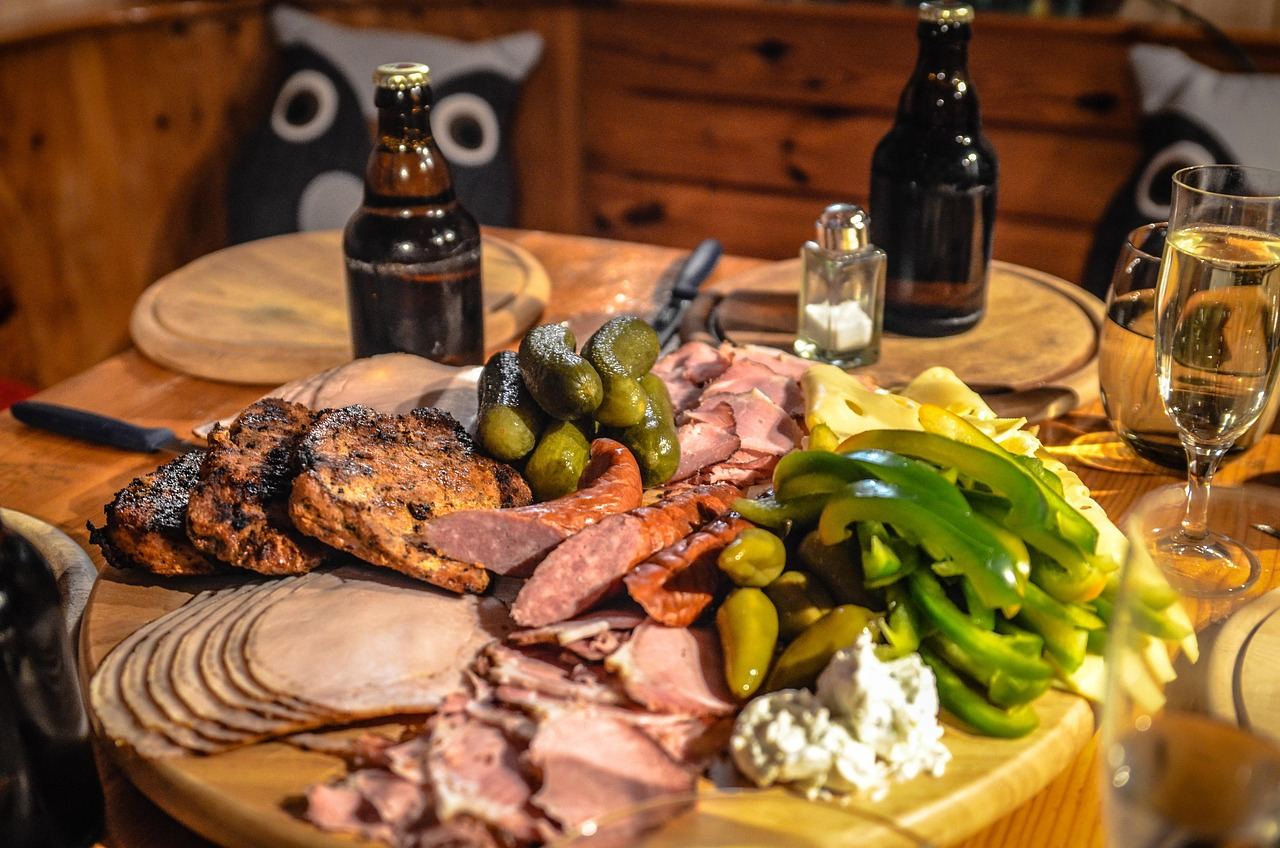
Charcuterie isn't just pretty boards; it's a deep dive into flavor sequencing and ingredient chemistry — a learning journey hidden beneath the surface.
Learning charcuterie as a beginner involves mastering the art of arranging cured meats, cheeses, and fresh fruits to create an impressive display.
This isn't about just arranging snacks; you're making intentional flavor and texture decisions.
Unlike cooking, nothing is heated. The skill lies in curation, balance, and presentation, making it accessible but deceptively challenging.
In charcuterie, you engage in hands-on processes such as selecting quality meats, curing them with specific salts and spices, stuffing casings, and monitoring their aging in controlled environments, all while tasting and iterating on your recipes over weeks or months.
Charcuterie fosters a flow state through skill feedback loops, as you receive immediate tactile responses from the meat's texture and curing progress, driving persistent focus and a rewarding sense of accomplishment from creating premium delicacies.
You think charcuterie is just arranging meat on a board. Maybe some cheese, a few grapes, done in ten minutes while your guests watch.
That's not the hobby. That's the Instagram thumbnail. The real skill is in flavor sequencing—crafting a tasting journey, where each bite transforms the one before it.
Charcuterie is a deep dive into butchery, fermentation, salt-curing, and even regional food history. Most people make three boards before realizing they've started learning five disciplines at once.
A good example: prosciutto and salami might look interchangeable to a novice. But pair prosciutto with a sharp aged cheddar, and the salt fights. Pair it with fresh mozzarella and honey, and the fat and sweet balance it perfectly. That's not luck—
that's understanding how cure levels and fat content interact.
What this all looks like on day one is simpler than the ingredient list implies. Let's get into how you actually start.
The first time you try to create a charcuterie board, you'll notice something odd. Watching the pros makes it look effortless—meats fanned just so, cheese clustered perfectly. Your board looks like a deli bag exploded onto a cutting board.
The gap between polished and panicked isn't skill; it's editing. You see blocky cheese, piled salami, and runaway grapes. This is the part nobody shows.
Initially, the board feels wrong, and you're not sure why. Folding salami, using odd numbers, and starting with anchor pieces is the path forward. You want colors to be thoughtful and the board to look full, not crowded.
The first week, you'll overbuy and underuse, resulting in clutter without substance. By week two, folding techniques transform your presentation entirely.
Color and texture take precedence over flavor during week three, making your boards start to match your expectations. By the fourth week, an invitation to display your creation comes as a pleasant surprise.
Odd numbers make boards pop; odd numbers make them come alive. Your brain instinctively wants symmetry and pairs. Resist it. It's not decoration—is the key to avoiding grids and achieving vibrancy.
When to start: Morning
Duration: 1.5 hours
Cost to try: $25
Success criteria: If you arranged 3 meats, 3 cheeses, and 2 accents on a board with clear spacing and clean slices, do session 2.
Variety seems like the goal, so beginners grab eight different meats. The result? A chaotic board.
Limit it to three meats: bold, mild, and textured. Prosciutto, soppressata, and a pâté can create a better balance than excess.
Seeing 'cured' on the package misleads many to ignore salt needs. Fatty cuts require more salt for safety.
Calculate your cure ratio by weight. Aim for 2.75% salt to meat weight, the trusted start for home curing.
Thinner cuts sound tedious, so many slice thick, ending up with chewy textures that kill contrast.
Freeze a sharp knife for ten minutes. A chilled knife can achieve 1–2mm slices without needing expensive equipment.
When the color looks right, novices think it's done. Serving immediately means uneven salt distribution.
Let it chill uncovered in the fridge for 24 to 48 hours. This bloom process evens out the flavor.
Preparing ahead seems wise, but meats and cheeses degrade if left out too long.
Finish the board 20 minutes before guests arrive. Add meats from the fridge last, allowing cheese to warm without turning greasy.
Charcuterie thrives at home—your kitchen counter is the main stage. This isn't just convenient; it's all about personal creation.
Find local workshops by exploring community event postings or culinary schools offering classes on curing and preservation. They often offer hands-on sessions that elevate your practice.
Start with Facebook Groups by searching "charcuterie + [your city]" or "home curing + [your state]." These groups are active and eager to help troubleshoot.
Meetup.com is another excellent tool. Use keywords like "fermentation," "charcuterie," or "whole animal butchery." You'll find people who share a passion for preserving.
Consider visiting an American Cheese Society chapter or tapping into the Slow Food USA network. They frequently host tastings and events where charcuterie naturally takes center stage.
Eventbrite is a treasure trove of options for "charcuterie classes" or "salumi workshops" nearby. These are often run by professional chefs and keep a vibrant community dynamic alive.
Though no single national body governs home charcuterie in the US, exploring events like the Charcuterie Masters competition or connecting with American Association of Meat Processors can be hard to replace for more serious aspirations.
Be upfront about your beginner status. It's the quickest route to getting in-depth guidance on essentials like salt ratios and food safety.
Whole-muscle curing uses entire cuts like bresaola or coppa.
Perfect for those who like impressive results and precise control.
You'll need a curing chamber or a dedicated fridge, roughly $100–$300.
Fermented sausages like salami or 'nduja are more complex.
Ideal for those who've mastered fresh sausages.
A pH meter, costing $30–$50, is crucial for safety.
Fresh sausage involves no curing, just grinding and seasoning.
The safest choice for beginners.
A grinder and a stuffer will cost $60–$150.
Making pâtés and terrines means baking meat emulsions.
Great for those who love cooking and entertaining.
Just a loaf pan and food processor needed.
Curing pork belly for bacon or pancetta is fast and rewarding.
Beginners can learn real curing here without huge time commitments.
Smoking gear helps, but your oven often suffices.
If you want a related angle, Dessert Making is the natural next stop.
Fermenting is a sibling pursuit and often surfaces the same kind of curiosity.
If the texture of this appeals to you, Canning is built on similar bones.
Most beginners obsess over which meats to buy and how to arrange colors. The board looks busy, not intentional. They can't figure out why.
The one skill is textural triangulation – deliberately placing each element so it contrasts with both of its neighbors. Creamy next to crunchy next to chewy, every time, without exception.
Your board isn't just a list of ingredients. It's an experience. Thinking in textures transforms each bite into an exploration rather than simply eating. Without contrast, even expensive ingredients taste flat.
Try creating 4 charcuterie boards in 30 days, about one each week. This gives you a taste of the learning curve without committing to expensive gear upfront.
If you're already experimenting with component placement, dreaming about flavor combinations at the store, or snapping photos of your work, you're hooked. That's not casual interest.
Expand into themed boards and sourcing new ingredients if you're genuinely invested. You're on your way to owning a collection of cheese knives.
If you're indifferent about the process despite acceptable results, that speaks volumes. You enjoy the final look but not the craft itself.
It's unlikely further attempts will change your mind. It's best to wrap it up and explore another hobby.
Feeling drained by the sourcing, assembling, and cleaning signals a misfit. Some activities just aren't our thing, and that's okay.
The telltale sign? You're in a cheese shop, reading labels on items you'd typically ignore, and picturing them on an unplanned board. That's spontaneous interest, a sure sign you're onto something here.
Looking for something lighter? Our boredom-busters guide is built for exactly that.
True charcuterie involves selecting, curing, and often making preserved meats using specific techniques that develop flavor and texture over time. Store-bought deli meats are mass-produced and lack the artisanal care, regional specificity, and depth of flavor that comes from understanding curing methods, salt ratios, and aging processes.
You can start with just $20–30 for a basic board with quality cured meats and cheeses from a local market. As you develop the hobby, you might invest $50–200+ in specialty items like aged prosciutto, artisanal cheeses, and presentation tools, but beginner-friendly charcuterie boards don't require expensive equipment.
Most home curing projects take 1–4 weeks depending on the type of meat and desired flavor intensity. Simple cures like bresaola can be ready in 2–3 weeks, while traditional prosciutto or guanciale require 6–12 months of proper aging in controlled conditions.
Charcuterie requires genuine skill in flavor pairing, understanding how different cured meats and cheeses complement each other, and knowing the origin and characteristics of regional varieties. Presentation matters, but the real art lies in selecting quality ingredients and creating balanced flavor experiences that showcase variety and craftsmanship.
Home curing requires careful attention to salt content, temperature, humidity, and cleanliness to prevent harmful bacteria growth. For beginners, it's safest to start with dry-cure methods (like bacon or bresaola) rather than fermented cures, and research USDA guidelines or take a course to understand safe curing ratios and storage conditions.
Absolutely—many people enjoy charcuterie as a curated selection and presentation hobby, building knowledge about regional meats, cheese pairings, and board design without ever curing anything. You can develop expertise by sourcing from quality producers, attending tastings, and studying flavor combinations.