BoredomBusted — Find Your Next Favorite Thing To Do
Discover hobbies, activities, places, and ideas that spark joy. Whether you're looking for something creative, active, social, or relaxing, BoredomBusted helps you find your next favorite thing to do.
Browse our hobby guides, things-to-do collections, and place ideas to never be bored again.
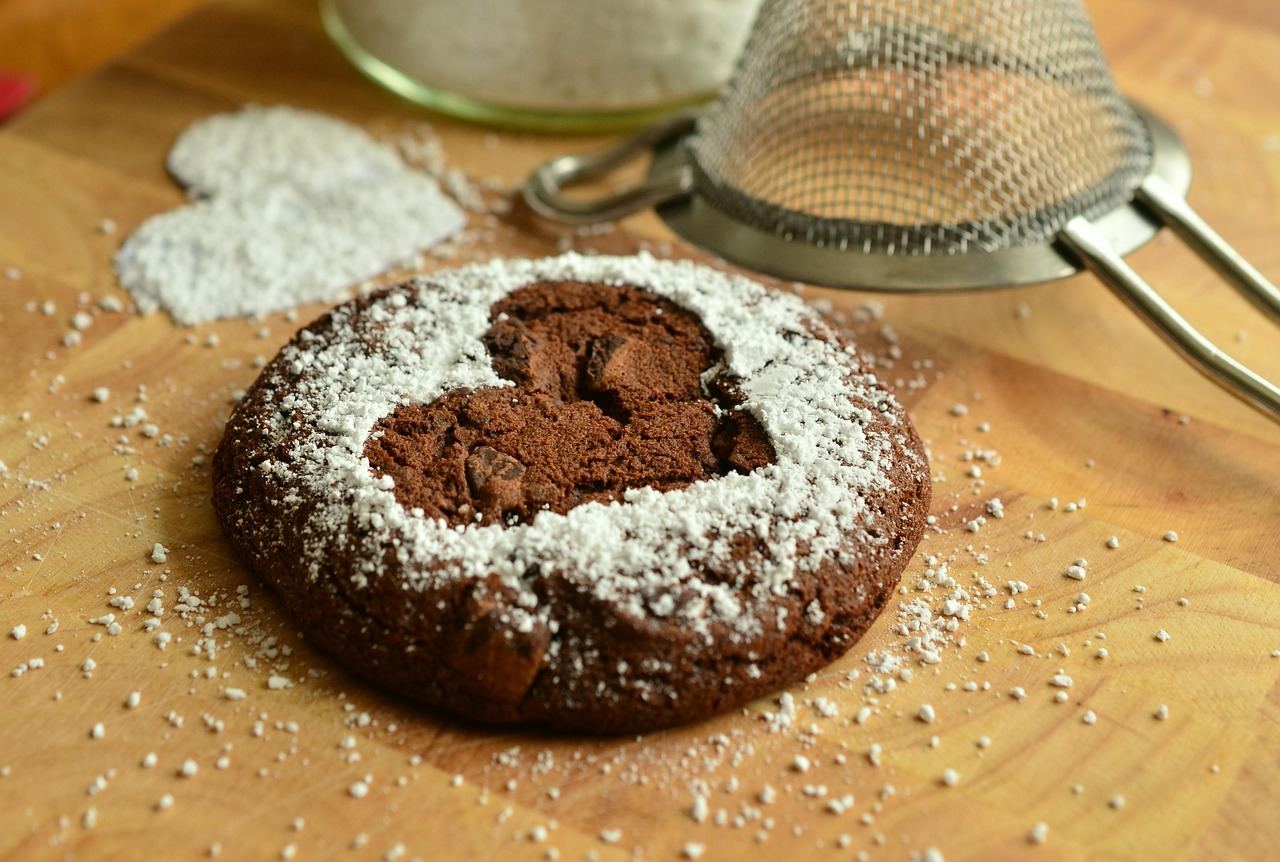
Cookie baking isn't just fun—it's a chemistry lesson; most give up before mastering the science behind chewy vs. crispy.
Getting started with cookie baking as a beginner is a delightful way to create sweetened dough into delicious edible treats.
Experimentation is easy. A batch takes less than an hour, and a mistake only means losing a few ingredients.
Cookie baking blends precision and creativity in ways other cooking doesn't.
In cookie baking, you engage in a hands-on process that includes measuring ingredients like butter and sugar accurately, creaming them in a stand mixer, chilling the dough for optimal texture, and shaping it into uniform balls before baking to golden perfection, often finishing with creative decorations using royal icing and toppings.
Cookie baking fosters a flow state through focused tasks that require attention to detail, offers immediate sensory feedback from perfecting techniques, encourages creative expression during decoration, and provides a sense of accomplishment from transforming raw ingredients into visually appealing treats.
You think cookie baking is just mixing ingredients in a bowl. It's supposed to be easy and forgiving, right?That mindset is why your cookies turn out the same every time — and not in a good way.
Baking is applied chemistry, not magic. Change one thing, like sugar type, and the entire cookie shifts.It's about knowing what changes when. Consistent results come from understanding, not guessing.
Try this: use bread flour instead of all-purpose in your next batch of chocolate chip cookies. They become chewier, taller, more structured.So simple. Yet it teaches you more about gluten development than an hour of reading.
The real fun starts when you ask why, not just if it worked. Now let's dig into the gear and ingredients that help you explore these changes.
Baking cookies seems simple when you watch someone else do it. Flour, butter, oven — done.
Then you try it. Flat as frisbees, rock-hard centers, like the oven has turned against you.
Beginners expect recipes to solve everything, but ovens often lie.
Get an oven thermometer before your first session. A $10 one is fine. Most home ovens run 25–50°F off, and that single variable explains a shocking percentage of beginner failures before any technique is even in question.
When to start: Morning
Duration: 1 hour
Cost to try: $15
Success criteria: if you finished without burning the cookies, do session 2.
Room temperature isn't just a suggestion. Cold butter won't cream properly, causing your cookies to spread into sad, flat discs. Pull the butter out 30–60 minutes before starting. Press your finger in; it should dent without squishing.
The aroma tricks you into thinking they're done. Opening the door can drop the temperature exactly when the structure is setting.
Cookies finish baking on the hot pan after you remove them. If you wait for them to look done in the oven, you've already overcooked them.
Take them out when the edges are set but the centers still look slightly underdone. Let them sit on the pan for five minutes.
Scooping packs the flour tightly, leading to 20–30% more than needed.
Impatience strikes again, leading to cookies that spread quickly and don't set.
Cookie baking is all about your home kitchen. That's your main stage.
Community center kitchens are an option if you're short on space or need better gear. Culinary school open labs also rent time for access to bigger ovens and professional equipment.
Reach out to the International Association of Culinary Professionals (IACP). They connect home and professional bakers and can guide you to local guilds.
Let the instructor know you're starting. A quick heads-up can get you a mentor, an easier recipe, and help with oven timing so your first batch turns out great.
Drop cookies are simple: scoop the dough, drop it on a pan, and bake. No chilling or special tools needed. Perfect for beginners wanting an easy start.
Rolled and cut cookies involve chilling, rolling, and cutting dough into shapes. More steps, potentially more to go wrong, but this is for those who want a creative outlet, not just a snack. Basic tools like a rolling pin and cookie cutters cost about $10–15 total.
Bar cookies like brownies and blondies are baked as a single batch. Slice them up afterward. They're good for when you want cookies without all the scooping.
Sandwich cookies involve pressing two cookies with a filling—like buttercream or jam—between them. Baking is straightforward, but the extra steps make this ideal for experienced bakers seeking a challenge.
Icebox cookies are shaped into a log and refrigerated. Slice off a piece as needed and bake. Ideal for having dough ready anytime without a full baking session.
If you want a related angle, Smoking Foods is the natural next stop.
If you want a related angle, Pastry Baking is the natural next stop.
If you want a related angle, Barbecuing is the natural next stop.
The key skill that transforms your baking is dough literacy. Most beginners obsess over recipes, searching for the perfect one and sticking to it rigidly.
The recipe isn't the issue. It's all about your oven and the dough.
Learn to read your dough before it bakes. Recognizing the look and feel of properly chilled, correctly hydrated dough distinguishes it from dough bound to spread into a greasy puddle.
Touch the dough like an experienced baker, and you'll know the outcome before baking. This skill is your edge.
Once you can identify the texture of dough that's ready versus too warm, you stop blaming the recipe when things go wrong.
Every variable affects the dough. Butter temperature, flour measurement, chill time — they all reveal themselves in the dough. Catch problems before they bake in by learning to feel these signs.
Without this skill, every bake is a gamble.
Commit to 6 sessions of cookie baking over 30 days. That's roughly one and a half each week, giving you enough space to face a failure, recover, and see how you truly feel.
If you're already planning your next batch before the current one cools, the process itself has hooked you. That's a strong signal. Start building a recipe rotation and invest in a quality kitchen scale.
If the experience was just 'fine,' ask yourself if you were genuinely present. Indifference with distraction deserves another shot with focus. If you were attentive but still uninterested, it might be time to move on.
Actively dreading the sessions is telling. Measuring and waiting felt tedious, not meditative. This isn't a beginner problem, but valuable insight about your interests. Better to learn now than later.
You pass a bakery and wonder about their cookie technique. Seeing a cookie photo sparks curiosity about methods, not just appetite. That analytical curiosity is telling you this hobby might really engage you.
If nothing here clicks, our guide to what to do when bored covers shorter, lower-commitment options.
Most cookie recipes take 20–30 minutes total, including 5–10 minutes of prep time and 10–15 minutes of baking. More complex recipes with chilling or multi-step processes may take 45 minutes to over an hour. Your first batch might take slightly longer as you get familiar with the process.
You'll need basic tools: mixing bowls, measuring cups and spoons, a whisk or electric mixer, baking sheets, and an oven. A few optional items like a cookie scoop, parchment paper, and a cooling rack make the process easier and more professional. Most home kitchens already have the essentials to get started.
No prior experience is necessary—cookie baking is one of the most beginner-friendly baking projects. Simple recipes like chocolate chip cookies have forgiving formulas that work even with minor mistakes. As you practice, you'll naturally develop the precision and intuition needed for more advanced techniques.
Flat cookies usually result from warm dough, too much butter, or under-baking. Chill your dough for at least 30 minutes before baking, measure ingredients accurately, and bake until the edges are set but centers are still slightly soft. Using room-temperature ingredients also helps achieve the right texture and spread.
Stock flour, sugar (both white and brown), butter, eggs, vanilla extract, baking soda, salt, and chocolate chips or other mix-ins. These staples form the foundation for dozens of cookie varieties from classic to creative. Once you master these basics, you can experiment with nuts, spices, and specialty ingredients.
Initial ingredients are inexpensive—most recipes cost $3–8 per batch. If you're building a kitchen from scratch, basic equipment like mixing bowls and baking sheets runs $20–40. After that first investment, the cost per batch is minimal, making cookie baking an affordable and rewarding hobby.