BoredomBusted — Find Your Next Favorite Thing To Do
Discover hobbies, activities, places, and ideas that spark joy. Whether you're looking for something creative, active, social, or relaxing, BoredomBusted helps you find your next favorite thing to do.
Browse our hobby guides, things-to-do collections, and place ideas to never be bored again.
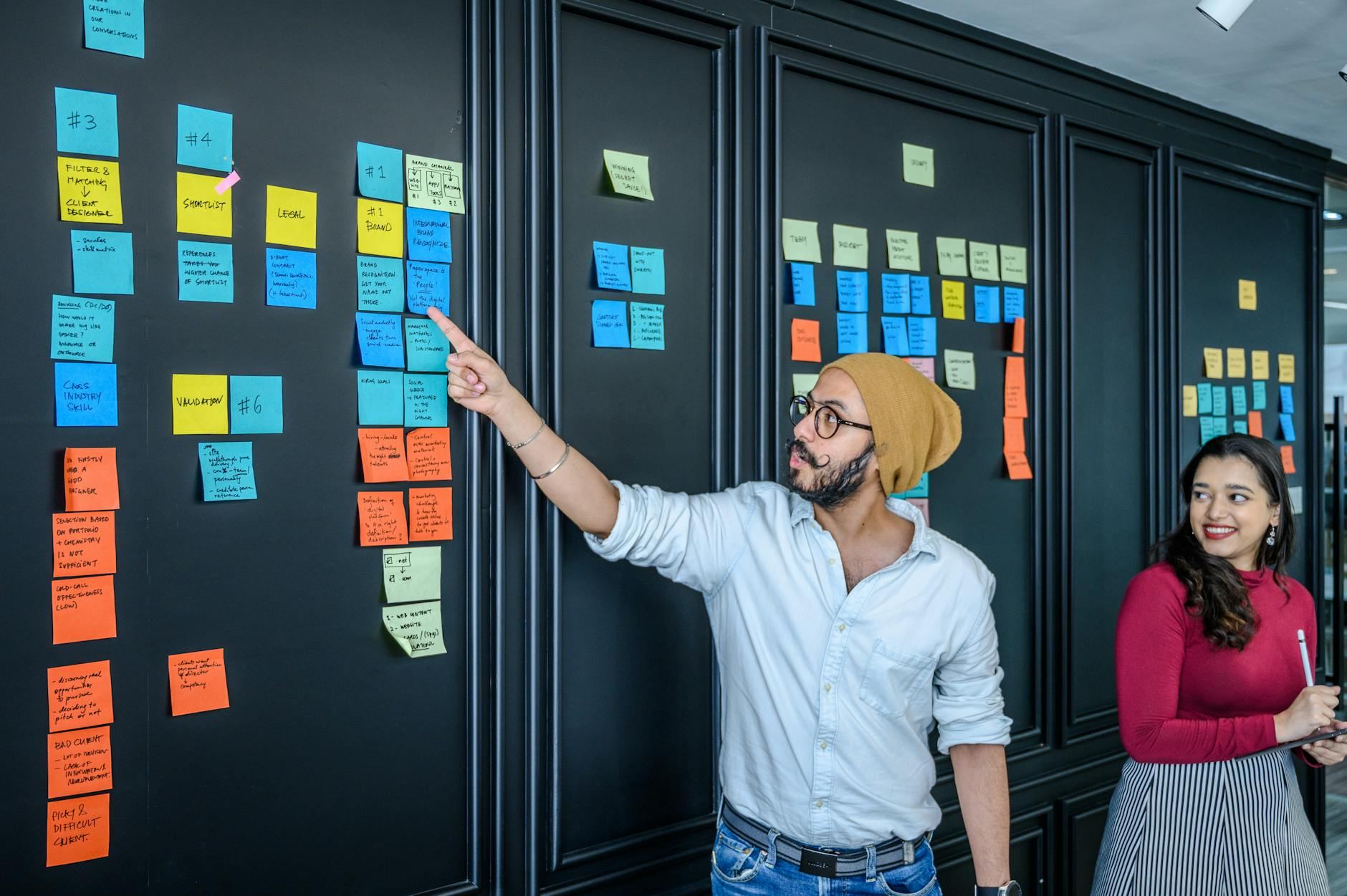
Experience Design isn't about making things pretty—it's behavior architecture, shaping the unnoticed moments that influence feelings and perceptions.
Learning experience design as a beginner is about understanding how to craft impactful real-world moments – events, spaces, or interactions – so people feel something specific and remember it.
You plan every sensory detail with intention, then watch how people actually move through it.
Unlike event planning, the goal isn't logistics. It's the feeling someone carries home.
In Experience Design, you actively create immersive experiences by planning and crafting interactions that engage users through storytelling, user-centered design principles, and psychological insights, often involving sketching, prototyping, and testing ideas in a hands-on manner.
Experience Design fosters a flow state by challenging you to solve complex problems creatively, providing immediate feedback as you iterate on designs, which keeps your mind engaged and offers a sense of accomplishment when you successfully captivate an audience.
You think Experience Design means making things look nice. Maybe some user research sprinkled on top. That assumption is why most designed experiences feel hollow.
Think of it like directing a film, not styling a website. Experience Design is the architecture of attention – it decides what you notice, in what order, and how you feel between those moments.
Most people tweak the touchpoints. Experience Design redefines the spaces in between – the wait, the transitions, the silence after something happens.
Last time a checkout line felt fast? Not shorter, just cleverly designed to engage you while waiting.
That's behavior architecture. It isn't just about aesthetics.
You're already assuming this is mostly a digital field. Get ready to challenge that idea.
Running an experience design session for the first time can be unnerving. There's no effortless flow like the one you see under a seasoned facilitator. Your session feels clunky, like stumbling through a dance you haven't practiced.
Your early sessions won't look smooth, and that's exactly where the learning is.
By contrast, watching experienced facilitators shows that it gets better. They read the room and avoid awkward silences.
Success in facilitation comes from planning over improvisation.
The best facilitators are not winging it. They are precise about every detail—timing, expected outcomes, and who speaks when.
Without clear constraints, sessions can turn into a free-for-all. You need structure to manage the conversation and keep it productive. Next up are the common mistakes new facilitators make that derail the best-laid plans.
When to start: Morning
Duration: 1.5 hours
Cost to try: $0
Success criteria: if you finished without a fully fleshed-out project, do session 2.
Logistics like venue and decor feel crucial to new designers. But this focus misses the emotional impact.Define the event's emotional journey first. Decide how attendees should feel at key moments and use that to guide logistics.
More touchpoints do not mean better experiences. Multiple peaks end up overshadowing each other.Focus on a single memorable moment. Design everything to build up to or wind down from that key event.
Parking lot walks or waiting periods seem unimportant and often go neglected.Intentionally design at least one transition. Use a scent, sound, or visual cue to enhance the overall experience.
Surveys feel complete, but they reflect what people think they should report.Watch people's actions instead. Note where they cluster or avoid; these insights are more revealing than post-event surveys.
It's tempting to plan for a perfect attendee who never disrupts the experience.Test your plans with someone unfamiliar. Their hesitations reveal where redesigns are needed.
Experience design happens wherever people can interact with their surroundings. Museums, corporate offices, and escape rooms are all fair game.
Gather where the practitioners do. Coworking spaces, maker spaces, and community event spaces are the go-to spots.
Say you're new but curious about structured practice. This usually gets you into hands-on exercises rather than sitting through slides.
Service Design looks at the entire journey, considering how a customer navigates through a system over time. It's about understanding and enhancing the overall experience, not just individual touchpoints.
Perfect for those interested in operations and logistics. You're more likely to create service plans over wireframes.
UX Design is all about screens and digital interfaces. It involves creating clean flows and intuitive interactions within virtual spaces.
Ideal for those more at ease behind a laptop. Figma is a popular tool for about $15/month, though you can start with free versions.
Customer Experience (CX) Design aligns closely with business strategy by shaping brand perception through every interaction.
Best for those who love linking design to measurable results. Focus on honing research and synthesis skills—specialist tools aren't essential early on.
Event Experience Design turns experiences into physical, time-bound realities by crafting environments for events that people physically interact with on specific dates.
Great for those who blend creativity with logistics.
Retail and Space Design involves working with architecture and sensory environments to influence how people act in a space. It's about guiding behavior and emotions within physical sites.
For those merging design with spatial behavior. Consider the budget carefully, as projects here involve significant physical builds.
Another variant that pulls from the same roots is Gunsmithing.
If this resonates, Home Improvement explores a similar direction.
Drone Building lives in the same world — different mechanics, similar appeal.
To really grow, stop focusing on perfect execution – like visuals or copy.
The real impact comes from what sticks after the moment ends.
Emotional arc mapping is the secret to this. It's about shaping how someone feels from start to finish. Not just making them feel good in isolation. You need to create a low point to make the peak impactful, and then close with a recovery beat that feels satisfying.
Without emotional arc mapping, moments feel strong alone but lack cohesion, like a playlist where every song scores a 10.
Contrast makes the peak powerful.
Instead of asking if a moment is good, ask how it sets up the next.
Try this: map your designs with three emotional beats – entry, lowest tension, and exit. Check if your exit state differs from the entry. If not, your arc is flat.
Watch a short film, noting every emotional shift and its setup. Reverse-engineer why those transitions work.
Next project, plan your valley before your climax. Create the moment of friction first, then build your peak around resolving it.
Commit to 8 sessions over 30 days. Aim for two weekly. That's enough to move past awkward beginnings without dragging out the decision process.
Experience design is already reshaping your thinking patterns. You mentally overhaul a restaurant's layout while waiting for dinner. You take pictures of poorly designed spaces to learn from them. That's not just enthusiasm.
Launch a small-scale project: update a room, improve an event flow, or redefine a friend's business onboarding.
The sessions felt mediocre. Neither thrilling nor dreadful. This often suggests you're engaging more theoretically than practically.
Try 4 more sessions but switch to real-world challenges. Tackle a broken experience you despise. If nothing changes, you have your answer.
Dreading each session? Feeling numb even when you succeed? That's a clear signal to walk away.
Experience design demands ongoing empathy for what frustrates others. If you didn't care whether the user understood, it's not your fit.
Critiquing a bad design doesn't end at "that's annoying." Your brain digs deeper: who created this, why, and what's the solution?
That curiosity is the essential component of this hobby. Most people move on after venting. If you're stuck on finding the why, take notice.
If nothing here clicks, our guide to what to do when bored covers shorter, lower-commitment options.
Experience design focuses on the entire journey a person takes with a product or service—not just how it looks. It combines psychology, storytelling, and user research to shape emotions and behaviors at every touchpoint, whereas regular design often emphasizes individual elements like layout or graphics.
No, you don't need prior design experience to start. Experience design values empathy, curiosity, and problem-solving skills over technical expertise. Many professionals transition from psychology, marketing, writing, or business backgrounds and bring unique perspectives to the field.
Basic competency typically takes 3–6 months of focused learning and practice. However, becoming proficient in user research, prototyping, and storytelling—the core pillars—usually requires 1–2 years of hands-on work and portfolio development.
Common tools include Figma or Adobe XD for prototyping, Miro for workshops and mapping, survey platforms like Typeform, and analytics tools to understand user behavior. You don't need expensive software to start—many free and affordable options exist for beginners.
Experience design works for both digital and physical environments—museums, retail stores, events, apps, websites, and hospitality spaces all benefit from it. The core principles of user-centered design and storytelling remain the same across mediums.
Start by redesigning a familiar process you interact with regularly—like a coffee shop ordering experience, your commute, or a frustrating app. Map the current journey, identify pain points, and prototype improvements focusing on emotion and usability rather than perfection.