BoredomBusted — Find Your Next Favorite Thing To Do
Discover hobbies, activities, places, and ideas that spark joy. Whether you're looking for something creative, active, social, or relaxing, BoredomBusted helps you find your next favorite thing to do.
Browse our hobby guides, things-to-do collections, and place ideas to never be bored again.
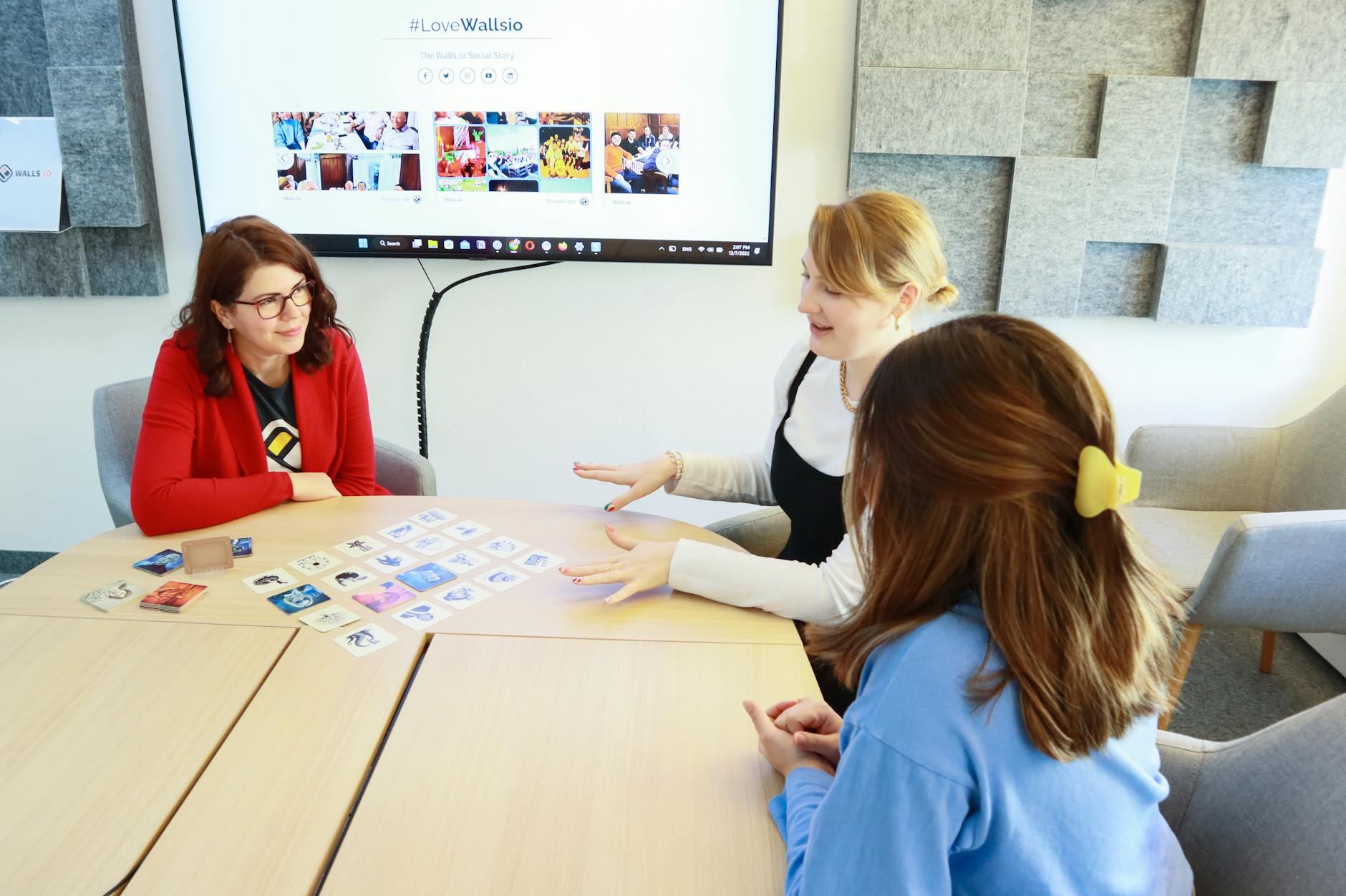
Game design isn't just coding; it's about crafting player choices on paper first, as exemplified by *Magic: The Gathering*'s napkin origins.
Getting started with game design as a beginner involves understanding the fundamental principles that govern engaging and playable experiences.
You control player actions and challenges, crafting how these elements interact.
Unlike drawing or writing, the results are actively tested and refined. Your game is never just observed; it's actively experienced.
In game design, you create and prototype games by brainstorming themes, sketching mechanics, and writing rules in focused bursts. This includes developing core mechanics, iterating on game elements, and playtesting your designs with others or solo, analyzing outcomes and refining concepts based on player feedback.
Game design fosters rapid skill feedback loops, allowing you to test and refine ideas quickly, which maintains engagement and creates a flow state through balancing challenge and skill. The process also satisfies creative expression and provides a sense of accomplishment as you complete prototypes and share them for feedback.
You think game design means making video games. You're picturing a programmer somewhere, energy drink in hand, coding for hours. Your assumption? That's game design in a nutshell.
That's not this – and the gap between that image and what game design actually is explains why most people never try it.
Game design is about systems and decisions. You're engineering the moment a player chooses something, then crafting what that choice feels like. Art, code, and music are just the skin. The decisions? That's the skeleton. A skeleton can exist without skin
Most great game design work happens in a notebook, not software. The tools are almost incidental to the thinking.
Richard Garfield designed Magic: The Gathering with paper napkins and index cards. No engine. No team. Just testing rules to see if choices felt fair or interesting.
Ever wondered why a game felt satisfying? If yes, you're already closer than you think.
Ready to see what a real design session looks like? That's what's coming next.
Game design starts with a daunting blank page. Excitement turns into confusion as ideas morph into mechanics that don't quite fit.
Execution isn't the hard part. You begin with excitement, convinced your idea is solid, only to end up with conflicting mechanics and no clear path.
Week one feels like throwing ideas at a wall. Most crumble during playtesting. Week two is problem-solving overload; fixing one element reveals more issues.
By week three, your game either undergoes a complete overhaul or becomes so focused it barely resembles your initial concept. Surprisingly, this is progress. In week four, small victories emerge. You get one loop working and grasp why design is about iteration, not inspiration.
It's easy to feel defeated when your game isn't fun yet or too complex for others to test. But this is part of the process.
Before diving in, try summarizing your game's core loop: "The player does X, causing Y, leading back to X." If you can't, rethink your structure. Next, we'll explore common pitfalls that keep designs from forming.
When to start: Morning
Duration: 1.5 hours
Cost to try: $0
Success criteria: if you finished without fully developing a concept, do session 2.
Many think the entire game must be designed to test if it works. Not true. Start smaller.
Build a 20-minute prototype using just index cards or dice. Play it with one person before expanding your design documentation.
Long rulebooks might capture your vision, but don't guarantee understanding.
Run a blind playtest. Give someone your rules without any context and let their questions guide where rules need clarity.
Many beginners zero in on the win without considering the journey.
Describe a typical turn in plain English. More than three sentences, or if it sounds dull, means the gameplay needs work.
Spreadsheets are fun for number crunching, not creating fun.
Secure three playtests with positive feedback on your core loop before making balance adjustments.
Saying "it's a game about pirates" doesn't captivate anyone's interest enough for hours.
Pitch your game through conflict. What do players want, what stops them, and what tough choice do they make every turn?
Game design starts solo but thrives in groups. Sharing ideas strengthens concepts.
Makerspaces and board game cafés host events for game testing and design feedback.
Meetup.com is your first stop for playtest groups. Search for "tabletop game design" or "board game design [your city]" to find sessions.
For those eyeing larger circles, the Game Manufacturers Association at gama.org lists industry and regional meetups.
Tell designers you need playtesters for your first game – this practically guarantees a session invite.
Design with cardboard, dice, and markers. No tech needed.
Prototype costs are low and playtests are social.Ideal for those learning design logic without coding.
Develop full games using engines like Unity or Godot.
Be prepared for technical challenges and time investment. Perfect for programmers or those eager to learn.
Create story-driven RPGs, crafting rules that shape a narrative.
Great for writers or TTRPG fans creating their own worlds.
Tackle game jams with limited time and a specific theme.
Perfect for beginners needing a nudge to complete projects.
Focus on single mechanics or puzzle challenges without broader systems.
Great for exploring player psychology without full game complexity.
Some of the same instincts show up in Miniature Wargaming — worth a look if this clicked.
If this resonates, Game Development explores a similar direction.
Reading player behavior as design data is crucial. It's not about asking "is this fun?" but watching what players actually do. Observe where they pause, where they rush, and where they ignore the mechanic you love most. This is a direct read on whether your design is communicating effectively.
When you master this, you stop defending your design and start interrogating it. That's when you truly start iterating and making progress. Without this skill, you'll just keep patching symptoms – making things harder, easier, or faster – while the real problem goes unnoticed.
Broken feedback loops feel like bad luck. They're not.
Prototype a simplified version with index cards and dice. Physical playtesting reveals confusion faster than digital builds because there's no UI to mask the issues.
Commit to 8 sessions over 30 days. Aim for roughly two sessions per week to keep momentum.
Consider what happens if you're already thinking about mechanics and rules between sessions. You're commuting, but imagining tweaks or scribbling ideas on whatever's handy. That's not forced enthusiasm; it's genuine engagement. Start learning the vocabulary: core loops, player agency, feedback systems. You are onto something real.
If you've completed your sessions but feel indifferent, that's telling. Maybe the act of making isn't as appealing as the experience of playing. Some love games but dislike designing them. Trying a digital format if you've worked tabletop, or vice versa, might be an option—once.
Clock-watching during sessions? The relief when they're over is a clear signal. Designing games demands comfort with ambiguity and unfinished projects. If that discomfort feels oppressive rather than intriguing, this probably isn't your hobby.
Notice this: you play any game, and your mind immediately questions how its rules function or imagines improvements. Not just 'fun,' but 'this mechanic creates pressure cleverly.' That reverse-engineering instinct is the essence of this hobby.
Sometimes you just need something for the next ten minutes — that's what things to do when bored is for.
You don't need specialized skills—just creativity, problem-solving ability, and curiosity. Most designers learn programming, art, or narrative writing on the job, but you can start by prototyping tabletop games or using beginner-friendly tools like Unity or Unreal Engine that offer free versions for learning.
A simple game prototype can take 2–4 weeks, while a full indie game typically takes 6 months to 2 years depending on scope and team size. Professional AAA games take 3–7 years with large teams, but you'll see playable results much earlier in the development cycle.
Popular free and affordable tools include Unity, Unreal Engine, Godot (game engines), and Twine (for narrative games). For design documentation, most teams use spreadsheets and Figma; for art, Aseprite and Blender; and for sound, Audacity or FMOD.
Yes—many tools like Construct, GameMaker, and Unreal's Blueprint system let you create games visually without writing code. You can also focus on game design roles like level design, narrative design, or systems design that don't require programming.
You can start for free using open-source engines like Godot or Unity's free tier. Beyond that, costs depend on your needs—asset stores, premium plugins, and art software range from $10–50/month, but many successful indie games launch with zero budget.
Fun comes from clear goals, meaningful feedback, balanced challenge, and player agency—the feeling of meaningful choice. Testing with real players reveals what's engaging; focus on core mechanics first, then layer in story and aesthetics once the gameplay loop feels compelling.