BoredomBusted — Find Your Next Favorite Thing To Do
Discover hobbies, activities, places, and ideas that spark joy. Whether you're looking for something creative, active, social, or relaxing, BoredomBusted helps you find your next favorite thing to do.
Browse our hobby guides, things-to-do collections, and place ideas to never be bored again.
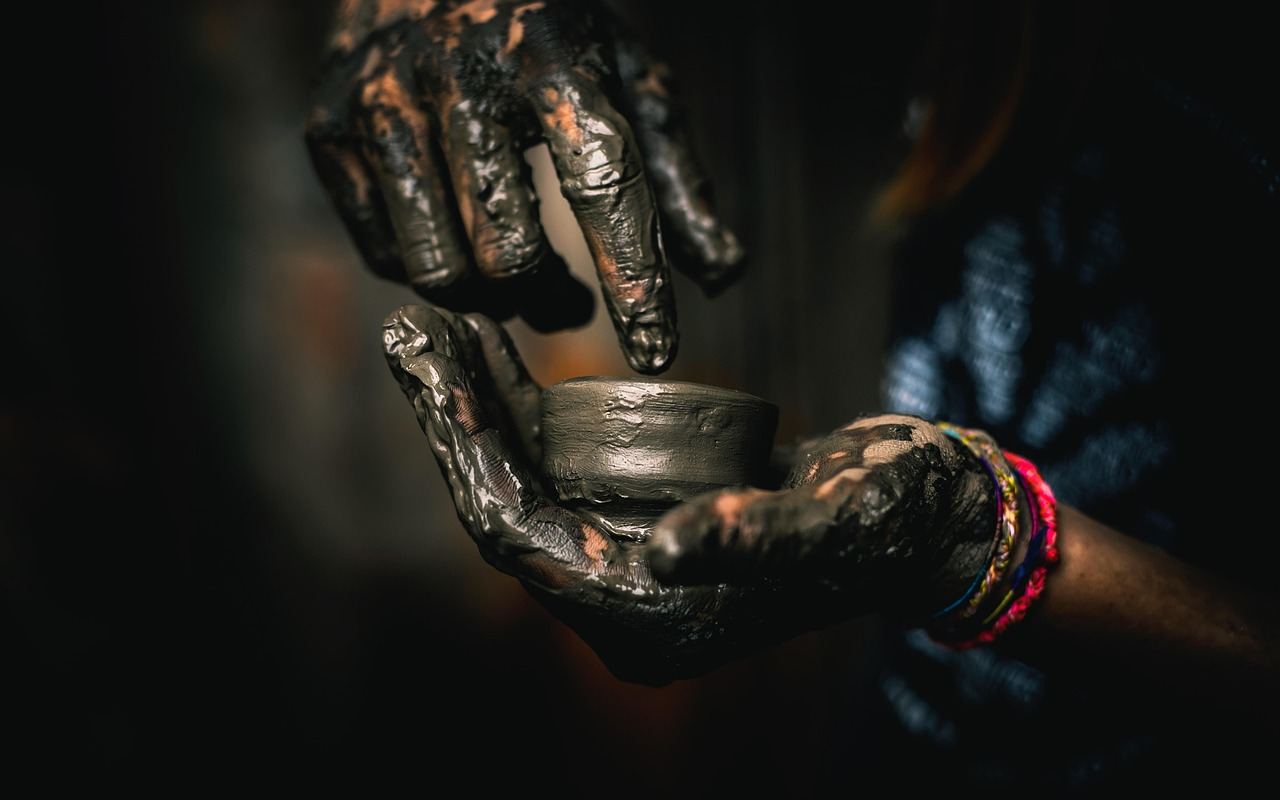
Crafting isn’t just for kids or retirees; it’s a creative workout that strengthens vital problem-solving skills in a digital age.
Getting started with hands-on skills as a beginner opens up a world of creativity through practical crafts like woodworking, pottery, or metalworking.
These hobbies engage your creativity and improve your dexterity, resulting in beautiful, tangible projects that display your personal touch.
In Hands-On Skills, you engage in tactile processes like selecting, measuring, and manipulating materials—whether it’s knitting yarn into a scarf, shaping clay on a pottery wheel, or assembling model kits. The hobby involves repetitive, precise actions that lead to the creation of functional or decorative items, often completed in solo or small-group settings at home.
Hands-On Skills induce a flow state through focused, skill-demanding actions that absorb your attention, while the instant feedback from crafting provides rapid progress markers that sustain motivation. This combination fosters creative expression, a sense of accomplishment from tangible outcomes, and the novelty of exploring new techniques, all helping to combat boredom effectively.
You might think crafts are for kids making popsicle stick houses, or gentle hobbies for retirees filling their days.
Picture someone like Talia. She's a tech exec by day, but finds her clarity in crafting at night.Her creations aren't just art — they're exercises in problem solving and stress relief.
This isn't just hot glue and yarn.
Crafting makes you engage creatively and think critically — a perfect escape from screens and emails.
Ready to explore deeper?
Your first session will likely feel physically awkward in a way you didn't anticipate. Knitting needles slip. Clay collapses. A model kit piece snaps off before it even reaches the frame. The gap between what your hands want to do and what they actually do is the defining experience of week one — and nobody warns you about how wide that gap is. Your fingers haven't built the muscle memory yet, and your brain is burning through focus just to keep up with the basics.
The part that catches most beginners off guard is how slow the feedback loop feels at first. You're putting in real effort and producing something that looks nothing like the example. That's not a sign you're bad at it — that's what learning a physical skill actually looks like before the repetitions stack up. Push through the first two or three sessions before deciding whether it's clicking for you.
Somewhere around session three or four, something small shifts. A stitch holds its tension. A clay wall stays even. A joint fits flush without forcing it. That one small win does more for your motivation than any tutorial ever could — because it came from your hands, not someone else's. The progress markers in hands-on crafts are fast and physical, which is exactly what makes them so absorbing once you get past the initial friction.
What you're building in those early sessions isn't a finished project — it's a foundation of instinct your hands will rely on for everything that follows. The frustration is part of the process, not a detour around it. Before you get there, though, it helps to know which early mistakes are slowing most beginners down.
When to start: Morning
Duration: 1.5 hours
Cost to try: $15
Success criteria: If you assembled the kit into a stable, sanded piece that stands flat on a table and has no loose joints, do session 2.
Browsing hands-on hobbies feels exciting — pottery, knitting, woodworking, model kits all look rewarding. So beginners sample everything and master nothing. Without a single focus, your hands never build the muscle memory that makes a craft click.
Pick one craft and stick with it for at least 30 days. Depth in one skill will teach you more about crafting than breadth across five.
A full supply haul feels like preparation. It's usually procrastination in disguise. Most beginners overspend on materials they don't yet know how to use, then feel pressure to justify the cost before they've made a single mistake worth learning from.
Start with the cheapest viable materials for your first three to five projects. Upgrade only when you know exactly what's holding your work back.
Measuring, tensioning, sanding, centering — none of it feels creative. So beginners skip it and jump straight to a project. The result looks off and they can't figure out why. The frustration hits fast, and a lot of people quietly quit here.
Every craft has a handful of foundational mechanics that carry every project you'll ever make. Spend your first sessions drilling the basic technique in isolation — not building something finished. The payoff shows up fast once you do.
Social media and tutorial videos are full of polished results from people with hundreds of hours of practice. Beginners compare their first attempt to that and assume they're bad at this. The gap feels permanent when it's actually just time.
Your only useful benchmark is your last project, not someone else's best one. Take photos of everything you make so the progression becomes visible to you.
Hands-on crafts feel unforgiving because mistakes are physical and visible. So beginners over-research, re-watch tutorials, and plan excessively before touching materials. The problem is that the tactile feedback you need to improve only comes from actually doing it.
Comfort comes from repetition, not from preparation. Set a rule: one video or one read-through max, then your hands touch the materials. Imperfect action builds skill faster than perfect planning.
Reddit is one of the best starting points. Head to r/crafts, r/pottery, r/woodworking, or r/knitting depending on your specific focus — each has hundreds of thousands of active members sharing projects and giving honest feedback.
For in-person connection, look for a local makerspace or community studio. Makerspaces are shared workshops with tools you can't easily own yourself — lathes, kilns, laser cutters. Search Makerspaces.com or Fab Lab Network to find one near you.
Craft supply chains like JOANN and Michaels run regular in-store workshops. Local ceramic studios and pottery co-ops almost always offer drop-in wheel nights or beginner class series. Eventbrite is the fastest way to find one-off craft nights, maker fairs, and skill-swap meetups in your city.
Online, Ravelry is the dedicated hub for knitting and crochet communities. The American Craft Council connects makers across disciplines and lists regional shows. Facebook Groups — search your craft plus your city — still run active local chapters where people organize swap meets and critique sessions.
Woodworking and metalworking sit at the heavier end of hands-on skills. You're cutting, joining, and finishing materials into objects that will outlast the weekend. This is the path for people who want to make something permanent.
The learning curve is real — joinery, tool safety, and material properties all take time. But the payoff is a shelf, a bench, or a blade you actually use every day.
Pottery and clay sculpting are as tactile as it gets. There's no screen, no keyboard — just your hands, a lump of material, and whatever form you can pull from it. The process itself is the point, not just the finished bowl.
It's deeply meditative. Beginners often find the flow state hits faster here than almost anywhere else in the craft world.
Knitting, crocheting, and textile work turn raw fiber into scarves, sweaters, and bags you'll actually wear. The repetitive motion is the hook — it's rhythmic enough to feel effortless but precise enough to keep your brain engaged. People who like a portable hobby that travels well tend to love this path.
Startup costs are low. A pair of needles and a skein of yarn is all you need to start producing something real within hours.
Model building, miniature painting, and electronics assembly reward patience and a steady hand. Every detail matters. This suits people who get satisfaction from getting tiny things exactly right.
Progress is slow and deliberate — and that's the appeal. An evening spent on one component of a model kit feels complete on its own terms.
Leatherworking, bookbinding, and mixed-media crafts give you enormous room to experiment. You're combining materials, tools, and techniques in ways that rarely repeat. Creatives who get bored doing the same thing twice tend to gravitate here.
These crafts also age well as hobbies. The more skills you layer in, the more interesting each new project becomes.
Candle making, soap crafting, and resin art move fast. You can start and finish a project in an afternoon. This is the entry point for people who need early wins to stay motivated.
The techniques are accessible, the materials are cheap, and the results are immediately shareable — which makes them a natural first step into hands-on skills.
If this resonates, Poetry Reading explores a similar direction.
If the texture of this appeals to you, Fabric Dyeing is built on similar bones.
Another variant that pulls from the same roots is Cabinetry.
The skill that separates people who keep improving from people who stall is reading material feedback in real time.
Every material talks back. Clay tells you when it's too wet. Wood grain tells you which direction to cut. Yarn tension tells you whether your hands are relaxed or anxious. Most beginners ignore this feedback — they follow the instructions and hope the result matches the picture. Intermediate crafters stop and listen to what the material is doing, then adjust before things go wrong.
This is where the real loop kicks in. You make a move. The material responds. You correct. That back-and-forth is what creates the flow state crafting is known for — not the finished product, but the constant micro-decisions along the way. The crafters who plateau are the ones still treating each project like a checklist instead of a conversation.
Once you start noticing what the material is telling you, your hands catch up faster than you'd expect. That's exactly where the next section picks up — the specific skills and techniques that train this instinct fastest.
Give yourself four sessions over two weeks — roughly every three or four days — and pay attention to what your body and brain do, not what you think you should feel.
You sit down to knit a few rows or shape a small piece of clay and suddenly an hour has vanished. That loss of time is the clearest signal this hobby is working on you.
If you reach this point, go narrow fast. Pick one craft — pottery, woodworking, model kits — and follow it seriously. Depth is where hands-on skills pay off.
You finish each session feeling fine but not eager to start the next one. That usually means the craft you chose doesn't match the way your hands want to work — not that hands-on skills are wrong for you.
Before walking away, switch the material. If you've been working with fiber, try wood or clay. The tactile difference alone can flip the experience.
Each session feels like a chore you're enduring. The repetitive actions feel tedious rather than meditative, and the finished object doesn't excite you. That's a real signal — your brain craves novelty or competition more than quiet, tactile focus.
Something faster-paced and outcome-driven — like strategy games, cooking challenges, or photography — will likely hold your attention far better.
If you catch yourself browsing tools, yarns, or materials at 11pm when you meant to go to sleep, the hobby has already claimed you. That involuntary late-night rabbit hole isn't distraction — it's genuine fit.
Begin with accessible crafts like hand lettering, basic woodworking, or pottery that don't require expensive equipment or prior experience. These foundational skills build coordination and confidence while producing satisfying results within weeks, making them ideal entry points for most beginners.
Starting costs range from $20–$100 depending on the skill you choose. Basic sketching requires minimal investment, while woodworking or ceramics may need $75–$150 for quality starter tools, though many community centers offer shared workshops to reduce expenses.
Most people notice visible progress within 2–4 weeks of consistent practice, typically 3–5 hours per week. Measurable improvement in coordination and technique appears after 2–3 months, though initial results can be encouraging even sooner.
A small dedicated corner with a table or workbench is sufficient for most hand skills like sewing, painting, or crafting. For messier activities like pottery, ensure good ventilation and a wipeable surface—even a kitchen table works if you protect it with a mat or cloth.
Yes—hands-on crafting reduces stress, improves focus, and provides a sense of accomplishment through tangible results. The meditative rhythm of repetitive skill work combined with creative expression makes it excellent for mental wellbeing and mindfulness.
Your essential starter kit depends on the skill, but typically includes basic hand tools (scissors, knife, ruler), materials (paper, clay, or wood scraps), and a comfortable workspace. Many online communities and local classes provide detailed beginner supply lists tailored to specific skills.