BoredomBusted — Find Your Next Favorite Thing To Do
Discover hobbies, activities, places, and ideas that spark joy. Whether you're looking for something creative, active, social, or relaxing, BoredomBusted helps you find your next favorite thing to do.
Browse our hobby guides, things-to-do collections, and place ideas to never be bored again.
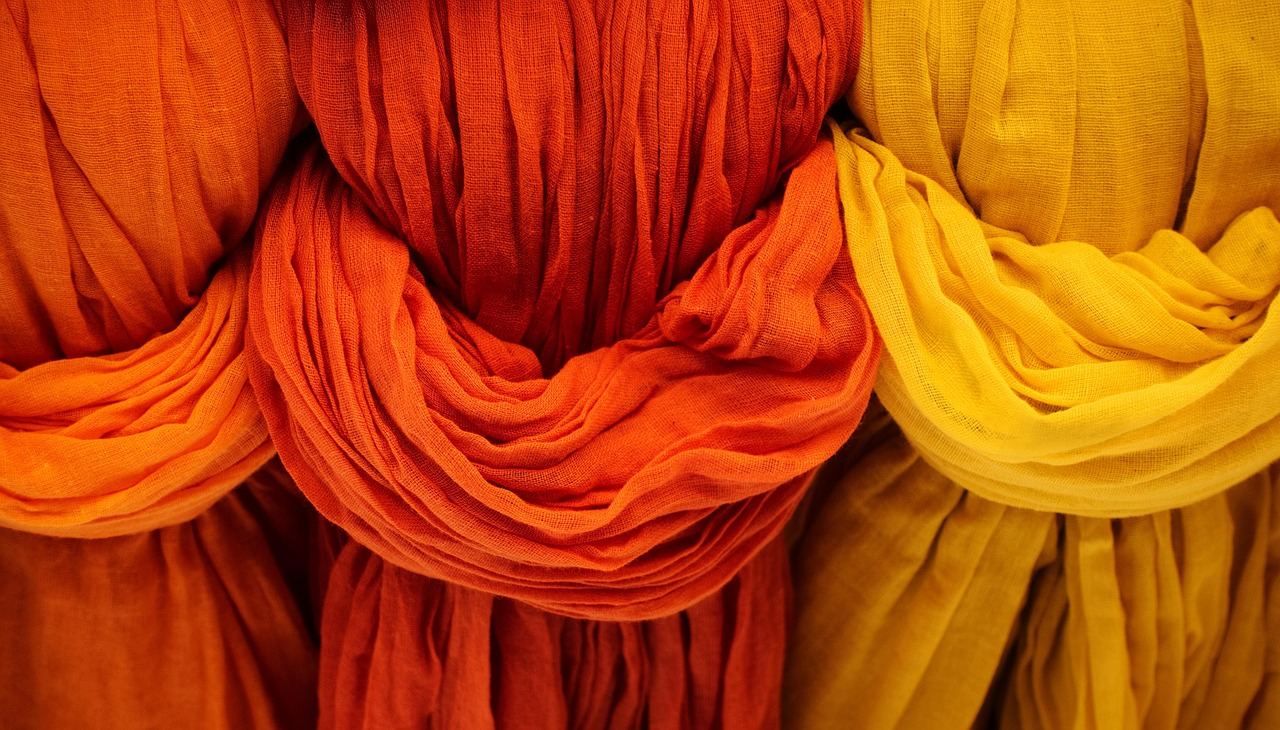
Dyeing fabric isn't just tie-dyeing — it's a chemistry lesson where mastering pH and dye temperature turns chaotic splashes into repeatable, precise art.
Getting started with fabric dyeing as a beginner opens up a world of creativity by allowing you to change a textile's color using various dyes and natural materials.
The dye bonds chemically to the fabric's fibers – which is what separates it from painting or printing, where color sits on the surface and fades faster.
You're not decorating fabric. You're changing it at the fiber level.
In fabric dyeing, you prepare fabrics like cotton or silk, select dyes, and apply techniques such as tie-dye or batik, physically manipulating the material through folding, binding, and dye application to create unique patterns. The process involves mixing dyes, controlling immersion times, and setting colors by rinsing and heat-fixing the final pieces, allowing you to iterate and refine your des…
Fabric dyeing fosters a flow state through the balancing act of dye concentration and immersion time, offering immediate visual feedback that compels ongoing engagement. The unpredictable chemical interactions provide a creative outlet for self-expression, while the iterative nature of mastering techniques builds a sense of accomplishment and community connection through shared experiences and tr…
To you, fabric dyeing means simple tie-dye with rubber bands and a shirt you don't mind ruining.
Color is about chemistry, not guesswork. Fiber types, water pH, and dye temperatures matter more than artistic instinct. Once you grasp this, outcomes become intentional rather than accidental.
Techniques range from shibori (a 1,300-year-old Japanese resist method) to gradient dyeing, often overlooked because they go beyond basics.
Natural dyeing with plants reveals hues synthetic dyes can't match. Watching indigo oxidize in real time is a marvel, not just a pour-and-rinse task.
A home dyer using fiber-reactive dye can create a repeatable ombre on cotton. It's not done by eye.
It's achieved through precise control of dye concentration and timing.
Understanding fabric composition is the first step to these outcomes. Missing this step means missing the key that changes everything.
Starting to tie-dye or do an indigo dip feels like uncovering colors in a puzzle. You prep everything with excitement. Dye mixed, fabric soaked, rubber bands tight.But the first attempt rarely matches the daydream.
The reality hits hard. Muddy browns replace the expected teal. Colors bleed past borders. Your creation resembles a chaotic fever dream. Accidentally dyed towels prove the chaos is real.
A messy start doesn't mean failure. It signals the crucial learning phase about fiber type, water temperature, and dye concentration. A pile of shirts you can't wear yet.
Pre-wash everything in hot water without fabric softener.
Softener leaves an invisible coating that blocks dye absorption. Instead of vibrant colors, you'll end up with pale, uneven fabric, assuming you did something wrong.
When to start: Morning
Duration: 2 hours
Cost to try: $15
Success criteria: if you finished without dyeing your hands or clothes, do session 2.
Fiber reactive dyes need an alkaline environment. Skipping the soda ash pre-soak leaves your dye job vulnerable.
Soak your fabric in a soda ash solution for 20 minutes before dyeing. Use 1 cup of soda ash per gallon of warm water, and don't rinse it out before applying dye.
Dry fabric grabs dye unevenly, creating harsh blotches instead of smooth gradients.
Wet the fabric thoroughly, then wring it out to damp before applying the dye.
Reaching for a cotton-blend shirt might seem like a good idea. But, high polyester content means your dye will barely stick.
Check the label first. Choose 100% cotton, linen, rayon, or silk for vivid and lasting colors.
An hour might seem sufficient, but it's not.
Fiber reactive dye needs 24 hours at room temperature to fully bond. Pull it early and you'll lose half the color in the first wash.
Hot-to-cold is the move. Starting with cold water locks unfixed dye into the fibers and muddies your final color.
Fabric dyeing needs a carefree space. A backyard, garage, or community art studio works best. Textile arts centers or makerspace dye labs are gold mines. They offer ventilation, deep sinks, and ready-to-use equipment.
Mention you're new to dyeing and need help identifying your fabric. This sparks offers for fabric checks and perhaps a loan of gloves or tips that save you future frustrations.
Classic folding, binding, and scrunching keeps dye from reaching every spot evenly. Manipulate the cloth, and that's your design. Great for complete beginners because mistakes look intentional, offering early forgiveness. Fiber reactive dyes and rubber bands are your main costs, keeping startup under $30.
Japanese-style folding, clamping, and stitching creates geometric designs with indigo dye. Perfect for those who crave structure and love the washed-out blue look. Love detail and clean lines? Love this.
Lower fabric bit by bit into dye, creating a fade from deep to light. No tying or binding, just a simple dip. Best for someone looking for a sleek result without dealing with complicated techniques.
Extract color from plants, rust, and food instead of synthetic dyes. This method is ideal for those who prioritize sustainability or enjoy dye chemistry over patterning. Avoid this if you just want quick, predictable results.
Ice on top of fabric with powdered dye delivers shifting colors as ice melts. Exciting if you enjoyed tie-dye but want a modern twist. The unpredictable outcome is either thrilling or frustrating, depending on your style.
If this resonates, Wire Sculpture explores a similar direction.
Some of the same instincts show up in Cabinetry — worth a look if this clicked.
A close neighbor worth considering: Clay Sculpture.
Most beginners obsess over dye brands and color ratios – endlessly tweaking the recipe.
The real variable they're ignoring is fiber saturation before the dye ever touches the fabric.
Reading wet fabric is the true skill – knowing, by look and feel, whether your material has absorbed enough moisture to accept dye evenly or whether it's going to resist and blotch. Without this skill, you'll keep blaming the dye brand, the water temperature, the timing – everything except the actual culprit.
Colors stop coming out patchy when you master this skill. Only thoroughly saturated fabric yields even results, while dry pockets resist dye at the molecular level.
Understanding wet fabric leads to lasting results. Next, explore when this skill is a game-changer and when it's less critical.
Plan for 4 sessions spread over 30 days. Aim for one session a week. The time between sessions matters: it lets you gauge your interest genuinely.
If you're eager for more before the fabric is even dry, you're drawn to the method as much as the result. That's not just excitement—it's a match with the careful pace and detail-driven nature of dyeing. Dive deeper by assembling your own dye kit and focusing on one specific technique.
Feeling indifferent is common when the process is just a task. There's a difference between liking the end product and really enjoying creating it. If that's your feeling, consider experimenting with one more technique before deciding. But if there's no spark, it might be time to move on.
If you're actively turned off by the mess or the waiting game, that's key data. It suggests that fabric dyeing doesn't align with your preferences. No tool or gadget will change that fundamental mismatch—it's fine to acknowledge that reality and look elsewhere.
The real signal is catching yourself intrigued by the colors of everyday fabrics. Whether it's a well-worn jacket or a gradient tote bag, that curiosity shows you're thinking like a dyer already.
For a wider menu of options, see our list of hobbies.
When you don't want to commit, things to do when bored is a better starting point.
Basic fabric dyeing can start affordably with a few essential items: dyes ($5–$20), white fabric ($10–$30), and common household items like a pot and salt. A beginner starter kit ranges from $25–$60. Once you have supplies, the cost per project drops significantly, making it economical as a long-term hobby.
Synthetic dyes offer vibrant, consistent colors that are easier to control and work with on various fabrics, while natural dyes come from plants, insects, and minerals, producing softer, more muted tones with less predictability. Natural dyes often require longer processing times and special mordants, but appeal to those seeking eco-friendly or artisanal results. Both methods create beautiful results; your choice depends on desired colors, time commitment, and environmental preference.
Most dyeing projects take 1–3 hours from start to finish, though actual time varies by method and dye type. Some techniques like tie-dye or direct application can be completed in under an hour, while vat dyeing may require extended soaking or heating times. After dyeing, fabric typically needs 24 hours to cure and set the color fully.
No—you can start with common kitchen items like a stainless steel pot, tongs, a thermometer, and measuring spoons. Dedicated dyers often invest in a dedicated pot, a heat source, and measuring equipment to avoid cross-contamination with food items. Most other tools like rubber bands, rubber gloves, and drying racks are inexpensive or already available at home.
Fabric dyeing is beginner-friendly and has a forgiving learning curve—even imperfect results create unique, wearable pieces. Basic techniques like tie-dye or low-water immersion dyeing require minimal technical skill, while more advanced methods like vat or reactive dyeing take practice but are very learnable. Most beginners succeed on their first attempt and improve rapidly with repetition.
Natural fibers like cotton, wool, silk, and linen absorb dye most reliably and produce the richest colors, making them ideal for beginners. Synthetic fabrics like polyester are harder to dye and may require specialized dyes or high temperatures. A mix of fabric types helps you discover what you prefer—cotton is the most forgiving and cost-effective starting point.