BoredomBusted — Find Your Next Favorite Thing To Do
Discover hobbies, activities, places, and ideas that spark joy. Whether you're looking for something creative, active, social, or relaxing, BoredomBusted helps you find your next favorite thing to do.
Browse our hobby guides, things-to-do collections, and place ideas to never be bored again.
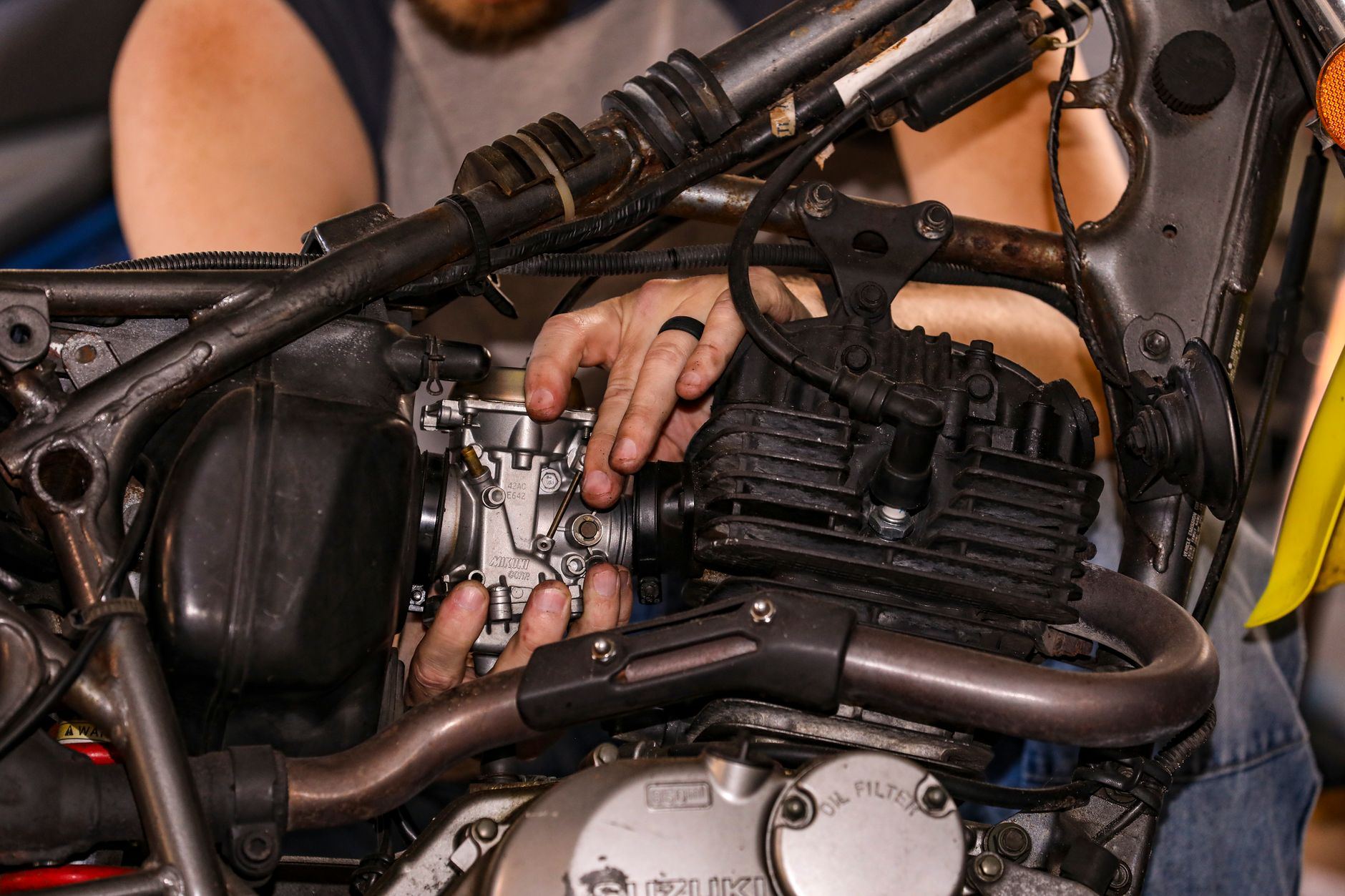
Motorcycle repair isn't just for gearheads; it's a hands-on way to build diagnostic skills that quickly translate to cars and home appliances.
Getting started with motorcycle repair as a beginner requires a keen eye for detail and a willingness to learn. From oil changes to full engine rebuilds, there's no room to hide a sloppy fix.
Everything is exposed and compact. You're forced to understand each system completely.
The bike will tell you if you got it right—or not.
Motorcycle repair involves hands-on tasks such as disassembling, cleaning, adjusting, and reassembling bike components, using tools like wrenches and lifts to perform maintenance, oil changes, and troubleshooting electrical issues while consulting manuals for guidance.
This hobby creates immediate skill feedback loops, allowing you to experience tangible results, such as a bike that runs smoothly after repairs, fostering a sense of accomplishment and flow through focused, hands-on mechanical tasks that demand precision and problem-solving.
You think this hobby is all about getting your hands dirty and knowing what a torque wrench is. It's a garage full of tools and a bike in pieces, meant for those who grew up with engines.
That's a myth. The truth is, this could be the most practical mechanical skill you'll ever learn.
Motorcycles are small, self-contained puzzles. Every action shows you an immediate result, making them ideal for learning diagnosis.
Cars can hide issues; motorcycles reveal them instantly.
Spend a few months on motorcycle electrics, and you'll easily grasp car engines, generators, and even some home appliances.
Communities like ADVrider welcome beginners, treating questions as opportunities, not bothers.
Imagine a 2003 Honda CB500 with a flat tire and a rough idle.
It's basically a DIY guide. Repairs are well-documented, parts are cheap, and the result? Immediate feedback.
No guesswork, no delays. The bike either runs or it doesn't.
You're probably wondering what you actually need to get started.
That list is shorter than you think.
Your first attempt won't mimic those polished YouTube tutorials. Expect mystery noises and bolts that refuse to budge. Different tabs pull you in different directions, and grease smudges your phone screen in the process. But that mess is where the learning lies.
Expect your first session to be chaotic: a jumble of finding the right socket and getting parts stuck. It's all part of becoming familiar with your tools and workspace.
You'll guess at bolt sizes and probably break something you just fixed. That's how connections make themselves known — by the linkage of missteps and solutions.
That magical point when a three-hour grind turns into a ninety-minute achievement is on the horizon, and recognizing that progress makes it all worthwhile. Still, you must start with the right tools at hand.
Get the exact service manual for your vehicle's year. It's not just paper — it's your guide to avoiding stripped threads and misplaced torque settings.
Stripped fasteners, wrong parts, lost hours on YouTube — it's frustrating. But this frustration is shared by everyone who eventually gets it right. The journey from 'impossible' to routine takes about six weeks of tinkering, breaking, and adjusting.
Next, let's explore the mistakes that keep you in that frustrating phase longer than necessary.
When to start: Early morning
Duration: 1.5 hours
Cost to try: $40
Success criteria: if you finished without resolving all issues, do session 2.
Draining cold oil leaves it thick and clinging inside the engine. Not warming up means you're leaving contaminants behind.
Run the bike for 2–3 minutes before draining. Warm oil flows better and carries out dirt.
Your 'snug' might not be tight enough, or too tight, risking damage like a stripped thread.
Buy a click-style torque wrench and use the service manual. Match torque specs to your bike's model, not a generic guide.
Changes like altitude and exhaust updates affect fueling. Yet beginners often blame the stock jet without considering other factors.
Before ordering jets, note your elevation and modifications. Use a jetting calculator for your carb model to guide you.
Air sits trapped in the master cylinder. After an hour focusing on the caliper, you realize you're tackling the wrong problem.
Tilt the master cylinder level and crack the bleed nipple first. Let the air out of the reservoir before moving to the caliper.
Old gaskets feel like they fit until they're under heat and pressure. Then you're tearing down the engine again in weeks.
Order a full gasket kit before you start disassembly. Avoid temptation to reuse any old seals.
Motorcycle repair unfolds in three key spots: your own garage, a shared workspace, or maker spaces / workshops. Vocational training centers are another option, often opening their bays to hobbyists on evenings or weekends.
Visit a local independent bike shop and ask about community wrench sessions. They know the local scene better than big chains and can connect you with the right people.
Walk in with this approach: "I'm new to wrenching and eager to learn – is there anything I can help with or observe tonight?" This line shows curiosity and assures experienced wrenchers that you're ready to learn.
Motorcycle repair comes in different flavors. Choose wrong, and you'll be stuck with useless tools.
Bring old, pre-1980s bikes back to life with carburetor magic and simple mechanics.
Sourcing your parts can be the real challenge—expect to search junkyards and forums instead of fast Amazon orders. Great for those who love digging for details.
Budget for rare pieces—they might just cost more than the bike itself.
Work on bikes driven by ECUs, sensors, and software. Major upfront cost is a diagnostic tool, running you $300 or more.
It's ideal for tech enthusiasts wanting insight into their current ride.
Without a scanner, you'll just be guessing—a fast track to wasting money.
Not about just fixing—this is tuning for speed. Think suspension tweaks, jetting carbs, and dyno tuning.
Perfect for mechanics who chase lap times, not reliability.
Expect a spike in gear costs—a single dyno session alone is $150–$300.
Simple but demanding, two-strokes need frequent rebuilds, unlike their four-stroke cousins.
Beginner-friendly choice—few parts, low-cost mistakes, and instant feedback.
Perfect with small dirt bikes and old mopeds. A rebuild kit costs just $30–$80.
This is metalwork, welding, and design—it's beyond regular repair jobs.
It's for those who've nailed the basics and want to be creative, not practical.
Definitely don't start here. Seriously.
For something adjacent, see Drone Building.
Raspberry Pi Projects lives in the same world — different mechanics, similar appeal.
Readers who enjoy this often gravitate toward Arduino Projects next.
Most beginners spend their first year collecting tools and memorizing torque specs.
That's not the bottleneck – reading why the symptom exists is.
The one skill is causal tracing: following a symptom backward through the system until you find the actual source, not just the location where the problem shows up.
A bike that won't idle isn't an idle problem – it's a fuel, air, or ignition problem that expresses itself at idle, and knowing the difference is everything.
With it, you stop replacing parts and start fixing bikes. Your fixes actually hold the second time.
Without it, you'll replace a carburetor and feel relieved, but then see the symptom return. That's because the real cause, like a cracked intake boot letting in unmetered air, never got addressed.
Commit to 6 sessions over 30 days. That's about one to two sessions per week and enough time to see if motorcycle repair truly interests you.
Motorcycle repair can be daunting at first.The initial sessions will likely be confusing as you're getting familiar with parts. The true test of interest often appears by the fourth or fifth session.
If you're looking up torque specs late at night or watching teardown videos without needing to, embrace it. That's passion, not forced effort. Start with a proper toolkit and select a project with a clear goal.
If each session ended fine but faded from your mind, that's key information. Explore a specific aspect of repair that interested you instead of extending indefinitely. Vague hopes for increased interest over time won't change that.
If the thought of returning to it felt dreadful, take note. It's not about overcoming a steep learning curve. It's simply a bad match. Recognizing this now saves unnecessary frustration.
Thinking about fixing broken motorcycles even if you don't own one yet? That's a clear signal that repairing bikes genuinely fascinates you. If you haven't felt this curiosity, it's unlikely repairing will create it.
For ideas that take five minutes instead of five weeks, see things to do when you're bored.
You'll need basic hand tools like wrenches, screwdrivers, pliers, and a socket set to begin, plus a workshop manual specific to your bike model. As you progress, you may invest in specialty tools like compression testers or timing lights, but beginners can start with a standard toolkit costing $100–$300. A workbench or flat surface and proper lighting are equally important for safe, effective repairs.
Most people can grasp fundamental skills like oil changes, filter replacements, and brake adjustments within a few weeks of regular practice. Understanding engine diagnostics and more complex repairs typically takes 3–6 months of hands-on experience. The timeline depends on your mechanical background and how frequently you practice.
No—many riders start with zero mechanical knowledge and learn through practice, online resources, and community forums. However, comfort with basic problem-solving and patience with troubleshooting helps significantly. Starting with simple maintenance tasks before tackling engine work is the best approach for beginners.
Routine maintenance includes scheduled tasks like oil changes, chain lubrication, and filter replacements to prevent problems. Repair work addresses issues that have already appeared, such as diagnosing engine misfires or fixing electrical problems. Mastering maintenance first gives you the foundation to handle repairs confidently.
Yes—a single-car garage or covered driveway is sufficient for most repair work, though you'll want good ventilation and adequate lighting. A sturdy workbench and bike stand are essential for safety and access. Keep your space organized to avoid losing small parts during disassembly.
Labor typically costs $75–$150+ per hour at professional shops, so DIY repairs can save hundreds of dollars on major work like top-end rebuilds or carburetor cleanings. Routine maintenance saves $20–$100 per job depending on the task. Your savings grow significantly as your skills improve and you tackle more complex repairs yourself.