BoredomBusted — Find Your Next Favorite Thing To Do
Discover hobbies, activities, places, and ideas that spark joy. Whether you're looking for something creative, active, social, or relaxing, BoredomBusted helps you find your next favorite thing to do.
Browse our hobby guides, things-to-do collections, and place ideas to never be bored again.
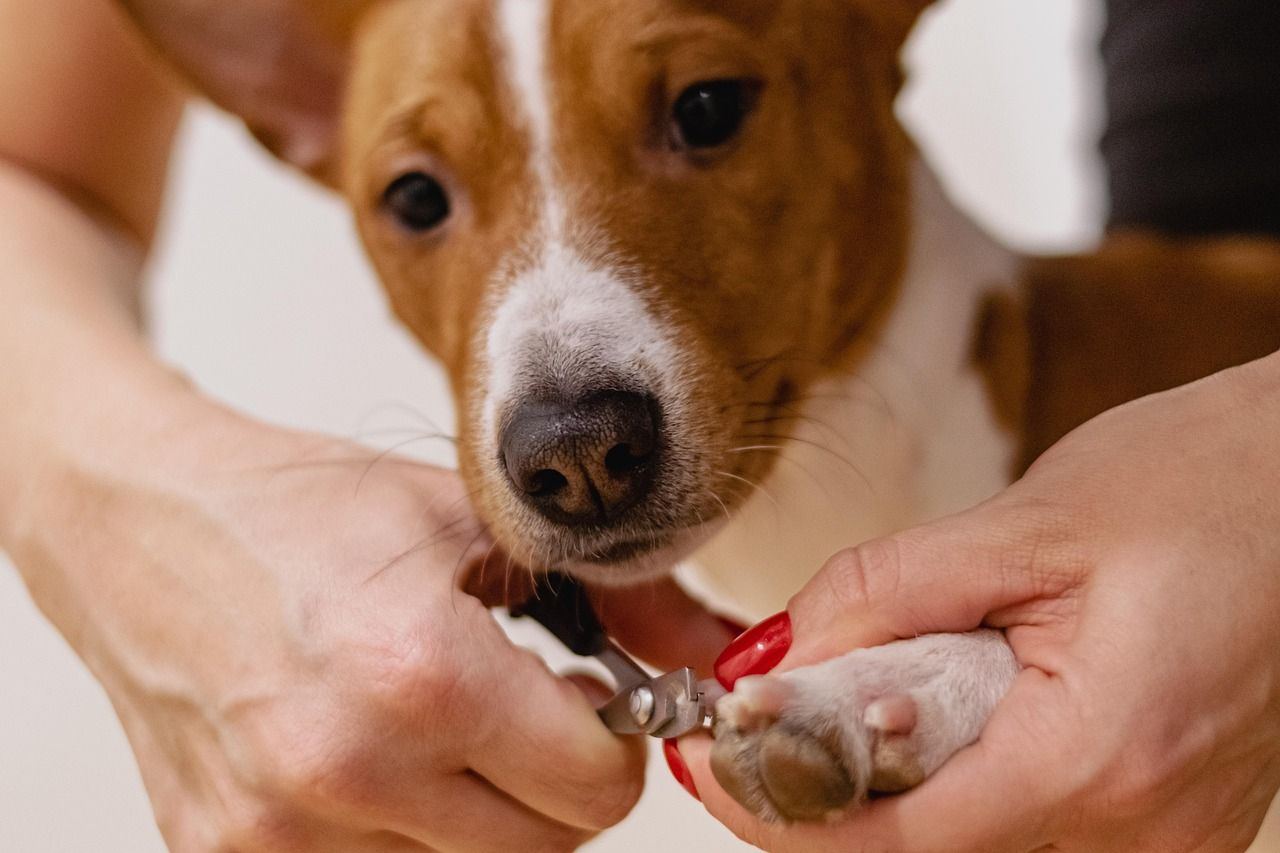
Pet grooming isn’t just about making pets look good — it fosters a flow state through focus-intensive tasks that transform both pet and groomer.
Getting started with pet grooming as a beginner involves understanding the essentials of maintaining your pet's coat and hygiene effectively at home.
You work through a routine – brushing, bathing, trimming, cleaning – using purpose-built tools suited to your pet's breed and coat type.
Unlike general pet care, grooming builds a repeatable skill set that changes the animal's health and comfort, not just their appearance.
Pet grooming involves hands-on maintenance of your pet's coat, nails, ears, and teeth through activities like brushing, trimming, and bathing, along with creative styling such as sculpting fur into designs or adding color. This hobby combines practical care routines with artistic expression, allowing you to manage your pet's hygiene and appearance while bonding with them during the process.
Pet grooming engages you in a flow state through repetitive, tactile tasks that require focus, providing immediate feedback as you transform your pet's appearance. This hobby fosters a sense of accomplishment as you see visible results, and it offers opportunities for creative expression and social belonging within pet enthusiast communities.
You probably believe pet grooming is just about giving a bath and a trim. Add a brush if your dog sheds a lot.
That mindset makes it feel like a chore instead of a skill worth mastering.
Think grooming is just basic care? It's actually your pet's first health check.
You find health issues with your hands, not at the vet. Matting, skin irritation, ear odors—your fingers discover it all.
Using the right tools is crucial. The wrong brush on a double-coated dog doesn't just fail; it damages the coat for months.
You assume a cooperative dog at nail-trimming time is just lucky, right?
Tolerant dogs are trained, one session at a time. That calm attitude took deliberate patience and practice.
Three weeks without grooming a doodle mix is more serious than just a messy look.
Matts form, pulling painfully at the skin. You're left with no choice but a full shave, waiting months for regrowth.
That's not neglect—it's not realizing the task at hand.
Ready to start? The gear you need is surprisingly minimal.
Grooming videos make it look like the dog just sits there. Your dog will not just sit there.
Holding clippers near a moving animal is a bigger leap than watching a tutorial. Your dog squirms, fur flies, and suddenly one ear is clipped while the other isn't. Sweat forms as you struggle to manage what felt simple in the video.
You'll spend the first week just getting the dog used to the clippers. Trust-building is where the process truly begins, and it often gets overlooked in tutorials.
By the second week, you'll notice uneven results. One side of your dog's coat may be noticeably shorter. This is part of the learning curve.
The third week often brings more understanding from your dog. They start anticipating what's coming. Whether they cooperate or avoid depends on those early trust-building days.
Week four is when a specific skill usually clicks. Maybe the nail filing or precise scissor work around the face stops feeling random. The routine starts to make sense.
Introduce the clippers slowly to build trust before your first session. Turn them on, rest them gently against your dog's back, and reward them. This step sets the foundation for smoother sessions later.
When to start: Morning
Duration: 1 hour
Cost to try: $20
Success criteria: if you finished without causing your pet distress, do session 2.
Wet fur tangles quickly, creating a knotted mess if you wash before brushing. It's a beginner's mistake many make without realizing the consequences.
Run a slicker brush and detangling comb through the coat completely before water touches your pet.
Human clippers can't handle the thick, dense coats of many dogs. They overheat, snag, and make the grooming process an unpleasant experience for your pet.
Buy pet-specific clippers rated for your dog's coat type – heavy-coated breeds need a higher-torque motor.
The 'quick' – a blood vessel within the nail – is difficult to see, especially in dark nails. Beginners often cut too much, too quickly, driven by impatience.
Take off just the hooked tip at a 45-degree angle, then file. You can always cut more if needed, but never less.
Leaving moisture in the ear canal can quickly lead to infections, often unnoticed until the dog shows discomfort.
After bathing, hold a dry cotton ball at the ear opening to wick away moisture, avoiding insertion into the canal.
When a pet squirms, squeezing tighter is often the instinct. But this just raises their anxiety and makes future sessions tougher.
Use one hand to guide, not hold – offer a treat and pause to show that staying calm leads to a break, not squirming.
Pet grooming often starts at home, whether in your bathroom or backyard. A simple grooming table in the garage works too.
Ready for more? Dog shows, pet supply stores, and animal shelters provide hands-on experience with other people's pets.
Start by joining a local Facebook Group for "pet grooming students [your city]" or "dog grooming apprentice [state]." These groups welcome newcomers.
To find a mentor, visit nationaldoggroomers.com. The National Dog Groomers Association of America (NDGAA) connects you with certified groomers who accept mentees.
Meetup.com is another resource—search for "pet care" or "dog grooming" events nearby.
Reach out to local shelters about volunteer grooming programs. Most need help and are willing to train.
Tell potential mentors, "I'm learning – I'm happy to work slowly under supervision and I won't touch anything I haven't been shown."
This reassures them about liability concerns, showing you're serious about learning.
This is the baseline: brushing, bathing, trimming nails, and cleaning ears, all on your own. It needs no professional skills, just patience and the right tools for your pet's coat type. Ideal for beginners who want to save money and bond with their pet. A basic starter kit costs $30–$80 and covers most small-to-medium dogs or cats.
Breeds like Poodles, Shih Tzus, and Doodles demand structured cuts following specific patterns. This level of grooming is about technique beyond basic maintenance. Perfect for owners who want to avoid $80–$150 salon visits. The learning curve is steeper, and you'll need thinning shears and a sturdy grooming table.
Hand-stripping involves pulling out the dead coat by hand to preserve the texture. Clippers can damage the coat of breeds like wire-coated terriers and spaniels. Essential for owners of wire-coated breeds, not a general skill for everyone.
Grooming for show or competition means meeting a breed standard. This is part technique, part artistry, and demands obsessive detail work. Suited for those already deep into dog showing. You'll need professional-grade tools and mentorship from a handler.
Cats require distinct handling compared to dogs due to sensitivity and behavior. Best for cat owners who want to manage shedding or matting on their own. Use a deshedding tool and keep sessions brief — cats set their own limits.
If you want a related angle, Reflective Journaling is the natural next stop.
Box Breathing is a sibling pursuit and often surfaces the same kind of curiosity.
Some of the same instincts show up in Gratitude Journaling — worth a look if this clicked.
Coat tension awareness is the skill that sets experts apart. Most beginners focus too much on technique, like perfect scissor angles or smooth brush strokes. What's often overlooked is understanding how much resistance the skin and fur offer before acting. Tension awareness is about feeling this in real time, preventing you from nicking skin or yanking instead of easing mats loose.
Every grooming error—clipper irritation, brush burn, scissor cuts—happens from using the wrong force on skin that isn't ready. When you read tension accurately, you work with the coat instead of against it, and the dog feels the difference. Without this awareness, even with perfect tool mastery, every grooming ends with a frazzled pet and uneven results.
Use your fingertips to perform a pre-groom skin check—lightly press across the dog's body to understand where the skin moves freely and where it doesn't. Practice the "pinch and lift" method for mats. Pinch above the tangle and lift; if the skin rises too, the mat needs gentle hand work, not force. After grooming, note where the dog flinched – this tension map shows where your awareness slipped.
Commit to 6 grooming sessions over 30 days, approximately once or twice weekly. This repetition helps smooth out initial awkwardness while allowing for reflection between sessions. Grooming demands patience to overcome early frustrations.
If you're eagerly plotting the next grooming session or catching yourself watching grooming videos non-stop, something has gripped you. Observing dogs' coats on walks and mentally noting their care suggests it's time to get serious. It's worth investing more time and resources to deepen your skills.
Six sessions done and you're ambivalent? Grooming might seem like another checkbox on your to-do list. Try working with different dog breeds to find one that fits your pacing before ruling it out completely.
If each session left you tense and drained, recognize that it's simply not for you. Grooming isn't appealing to everyone; it's best to move on to something else without regret.
That itch to understand the process behind grooming videos is the one sign you shouldn't ignore. When you're not just satisfied but also curious about the techniques, you're onto something meaningful.
For a wider menu of options, see our list of hobbies.
For quicker fixes, see our roundup of things to do when you're bored.
Grooming frequency depends on your pet's coat type—short-haired pets need brushing 1–2 times weekly, while long-haired breeds require daily attention to prevent matting. Baths are typically needed every 4–12 weeks, but this varies based on activity level and skin condition.
Essential tools include brushes or combs suited to your pet's coat type, nail clippers, a slicker brush or undercoat rake, and pet-safe shampoo. You may also want grooming scissors, a grooming table, and a dryer, depending on your pet's size and coat complexity.
Basic grooming like brushing and bathing is manageable for beginners with proper technique and patience, but tasks like nail trimming and hand-stripping require practice to master safely. Many people start with simple tasks and progress to advanced techniques, or use a professional groomer initially.
A basic bath and brush-out typically takes 30 minutes to 2 hours depending on coat type and pet size. Full grooming including nail trimming, ear cleaning, and styling can take 2–4 hours for long-haired or large breeds.
Basic grooming supplies cost $30–$100 to start, covering essential brushes, shampoo, and nail clippers. If you invest in a grooming table and professional-grade dryer, expect $150–$400, though these are optional for casual home grooming.
Yes—regular grooming detects skin issues, parasites, and lumps early, reduces ear infections and dental problems, and improves circulation through brushing. It also prevents painful matting and reduces shedding, contributing to your pet's overall comfort and well-being.