BoredomBusted — Find Your Next Favorite Thing To Do
Discover hobbies, activities, places, and ideas that spark joy. Whether you're looking for something creative, active, social, or relaxing, BoredomBusted helps you find your next favorite thing to do.
Browse our hobby guides, things-to-do collections, and place ideas to never be bored again.
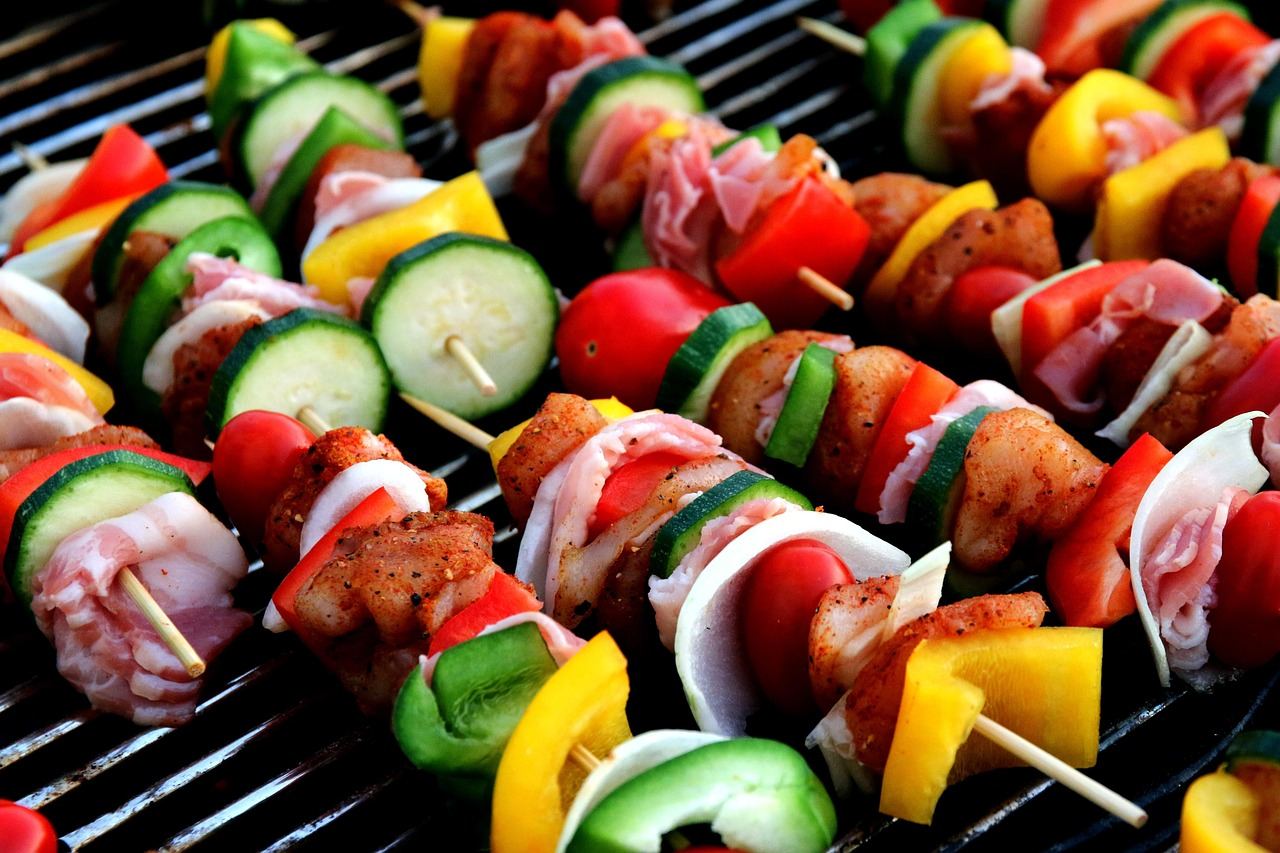
Smoking food isn't just about heat and smoke—it's a complex dance of chemistry, timing, and wood choice that transforms tough cuts into mouthwatering delicacies.
Getting started with smoking foods as a beginner is an exciting way to enhance the flavors of meat, fish, or vegetables. This is done by cooking with low heat and wood smoke for several hours.
The smoke penetrates deeply while slow heat breaks down tough proteins. It creates flavor and texture no oven can replicate.
Smoking is a patience game compared to grilling. Grilling is fast and hot, while smoking is a slower, more rewarding process.
In smoking foods, you engage in a low-temperature cooking process that involves controlling fire and temperature, selecting and preparing ingredients like meats and vegetables, and actively managing smoke production while experimenting with flavor combinations.
This hobby fosters a flow state through skill mastery by challenging you to control various cooking variables, providing a sense of accomplishment as you transform ordinary ingredients into flavorful dishes, and encouraging creative experimentation.
You think smoking food is about leaving meat near heat with some wood chips. Maybe you'll use a thermometer for good measure.
That assumption is why most first-timers end up with edible results, often puzzled about why it worked.
A brisket smoked with oak at 225°F for 12 hours isn't just beef with smoke.
It's a creation built by time, chemistry, and early morning decisions.
That's the knowledge that keeps people returning to smoking.
And the next burning question is: What do you actually need to get started without overbuying?
Watching a YouTube pitmaster effortlessly pull apart a perfect brisket makes it seem like patience and wood smoke do all the work. But what they don't show is the hours of uncertainty where the temperature seems like it's lying to you.
Trusting the process feels impossible when there's no feedback. You're staring at a temperature gauge, wondering if it's stuck.
There's excitement over smoke rings and a mistaken belief that brisket is a simple matter of setting it once. The word 'stall' has yet to enter your vocabulary. Undeterred, brisket is on your shopping list.
By now, you're obsessed with thermometer placement and wary of cooks under six hours. Just hearing 'stall' is enough to make you groan. Brisket remains on the list, but now you're more cautious.
Your wood is for flavor, not heat. Beginners often overdo it, using triple the amount needed. This insight saves you from meals that taste like a campfire.
Too much smoke, and four hours in, you're questioning why you even bought the smoker. That feeling of frustration? It's part of the learning process. Barbecue doesn't grade you until it's over, but you're closer to mastery than you realize.
When to start: Morning
Duration: 1.5 hours
Cost to try: $20
Success criteria: if you finished without burning your food, do session 2.
The aromas are tempting, but each peek causes the chamber temperature to drop, adding 15+ minutes to your cook. **Avoid opening the lid until you're at least 70% through the estimated cook time.** Use a timer to help resist the urge.
It's tempting to increase the heat if the meat seems to stall around hour three, but exceeding 225–250°F will give you a dry, tough exterior and an undercooked center. Stick to your target temperature. If falling behind, wrap the meat in butcher paper, not foil, to help it cook evenly.
More smoke doesn't mean more flavor—it means bitter, ashtray-like meat. Add wood chunks only at the beginning and once more during the first hour. After that, the meat absorbs nothing new, leading to a surface coated in creosote.
The temperature plateau at 160–170°F is normal. Panicking and adjusting settings won't help. Research the stall phase for your cut beforehand, recognize it, and resist changes—it's merely evaporative cooling, with the meat still cooking inside.
Pulling meat straight off the smoker wastes juices on the cutting board. **Let your cook rest in a cooler wrapped in butcher paper for at least 30 minutes.** A brisket can retain heat for up to two hours, enhancing texture and flavor.
Most beginners start smoking meats in their own backyard. A simple outdoor setup is where nearly everyone begins.
Community gardens and shared spaces often welcome apartment dwellers. Check for guidelines on charcoal or pellet smokers before lighting up.
Join Facebook groups named like "BBQ competition [your state]" or "backyard smokers [your city]." That's where local pit crews organize.
The Kansas City Barbeque Society's website (kcbs.us) lists events and clubs by region. Pop in to find gatherings where everyone is welcome, even beginners.
Meetup.com is a goldmine for "BBQ," "smoking," and "pit masters." Smaller groups here host informal cooking get-togethers.
Find regional associations like the Lone Star Barbecue Society in Texas. These host main events for serious hobbyists.
Just show up and say you're new. You'll likely end up with a plate of BBQ, technique tips, and maybe even the chance to handle the tongs.
Cold smoking keeps temperatures below 90\u00b0F, adding flavor without cooking. It means presuming full responsibility for food safety, and usually involves curing or pre-cooking.
Ideal for those ready to expand beyond hot smoking. Tackle cheese, salmon, or charcuterie with a separate cold smoke generator, ranging from $30 to $150.
This is the go-to when people talk about smoking. Low heat over time for a fully cooked outcome.
Best for beginners who want immediate results without a food science degree. You can enjoy what you make on day one.
Pellet grills feed wood pellets automatically, keeping temperatures steady without constant attention.
Perfect for those who value results over the craft process. A consistent choice for $400–$1,000+, it demands an upfront investment.
Offset smoking involves a separate firebox and manual airflow management, offering a unique smoky flavor.
Great for those craving the hands-on craft journey. Expect to tend the fire for hours. Entry-level offsets cost $300–$600.
Just set your temperature, add wood chips, and let it work. It's easy and stress-free.
Most forgiving for beginners wanting to learn flavors first. The flavor is good, though milder than wood-burning methods.
Another variant that pulls from the same roots is Pastry Baking.
If this resonates, Cookie Baking explores a similar direction.
Most beginners obsess over wood choice and rub recipes – swapping applewood for cherry, tweaking spice ratios – while their cook temperatures swing 50°F in either direction. The wood flavor is irrelevant if your fire management is chaos.
Mastering your fire isn't about recipes; it's about reading the flames. Spot a temperature rise 10–15 minutes before it peaks, and you control the cook.
Your smoker communicates through airflow sound, smoke color, and charcoal behavior. Instead of reacting to the thermometer, listen to these cues. Successful pitmasters respond to what's causing the temperature changes, not just the numbers.
Anticipating a temperature spike means adjusting vents or moving logs before it affects your meat. Your bark stays crisp, and your meat stays tender. Without this ability, every barbecue session feels like a rescue mission.
Try four smoke sessions over 30 days. Space them out to one per week, using a different protein each time.
If you can't wait to start the next session before the current one finishes, you're hooked. It's not about perfect food – that's rare early on. It's about being engrossed in the process for hours. Next, you should get a dedicated thermometer, keep a cook log, and explore one technique deeply.
If the sessions leave you feeling indifferent, that's telling too. It likely shows you wanted results without enjoying the process. Consider doing a short, intense cook next to see if quicker tasks are more your speed.
If the experience felt like a chore, that's an important signal. Some people enjoy the idea more than the execution. Take that seriously and perhaps look into quicker cooking hobbies instead.
The real sign of a fit? Dreaming about smoker setups and researching wood types at all hours. That eagerness often appears before you've even started.
When you don't want to commit, things to do when bored is a better starting point.
You'll need a smoker (which can range from a simple barrel smoker under $100 to a premium model), wood chips or pellets, a meat thermometer, and basic grilling tools. Many beginners start with an affordable offset or bullet smoker, which are reliable and forgiving for learning the fundamentals.
Smoking times vary greatly depending on the cut and type of meat. A brisket typically takes 12–16 hours, ribs 5–6 hours, and chicken 3–4 hours. The general rule is low and slow: maintaining a smoker temperature of 225–250°F allows smoke to penetrate deeply while meat cooks through.
Smoking is easier than many think—it's about managing temperature and patience rather than complex techniques. Most beginners can produce delicious results on their first or second attempt by following basic guidelines like maintaining consistent heat and using quality wood.
Popular smoking woods include hickory (strong, smoky flavor), oak (mild, versatile), apple and cherry (sweet, fruity notes), and mesquite (intense, bold taste). Different woods pair better with different meats: hickory works well with pork, while milder woods complement fish and poultry.
A basic setup costs $150–$400 for a decent entry-level smoker, plus $30–$50 for initial tools and supplies. Wood chips are inexpensive (usually $5–$15 per bag), and the hobby becomes very affordable once you're set up, especially compared to restaurant barbecue prices.
Absolutely—you can smoke fish, cheese, vegetables, nuts, and even desserts like brownies for unique flavor profiles. Cold smoking (at temperatures below 90°F) is ideal for cheeses and fish, while hot smoking works great for vegetables and tofu.