BoredomBusted — Find Your Next Favorite Thing To Do
Discover hobbies, activities, places, and ideas that spark joy. Whether you're looking for something creative, active, social, or relaxing, BoredomBusted helps you find your next favorite thing to do.
Browse our hobby guides, things-to-do collections, and place ideas to never be bored again.
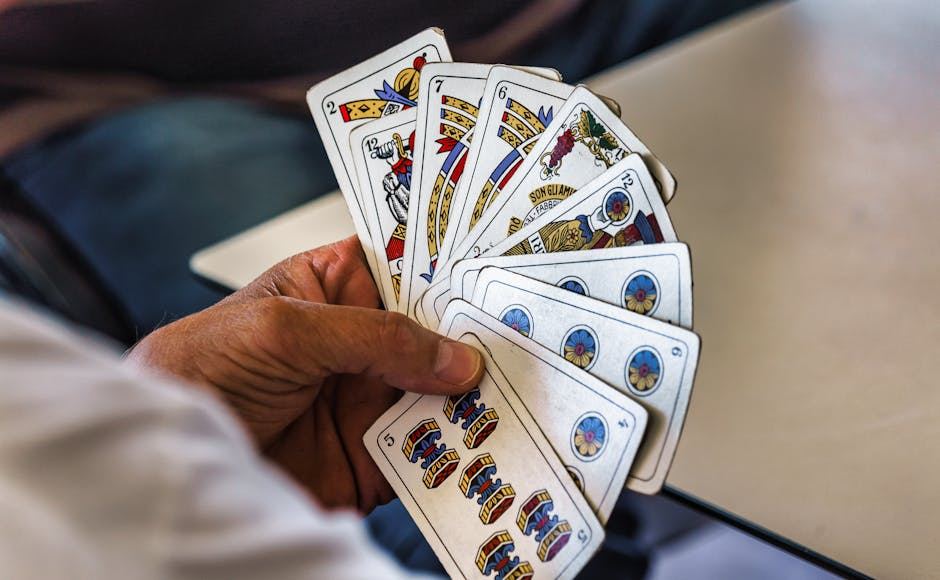
Explore the captivating world of Pinochle, a strategic card game blending skill and luck. This guide covers essential rules, strategies, and skills, making it perfect for both seasoned players and newcomers. Dive in and elevate your card game experience with Pinochle!
Pinochle is a trick-taking card game typically played with two to four players. It originated in Europe in the mid-19th century and has since gained popularity worldwide. The game is played with a 48-card deck, consisting of two copies each of the 9, 10, Jack, Queen, King, and Ace cards from all four suits. The objective of the game is to score points by forming certain card combinations and winning tricks.
Getting started with Pinochle involves understanding its basic rules and strategies. Pinochle is a trick-taking card game typically played with two to four players, using a 48-card deck that consists of two copies of each card from 9 through Ace.
The game is divided into three phases : the bid, the meld, and the play .
The objective is to score points through winning tricks and forming certain combinations of cards , called melds .
As a beginner, it's crucial to learn the point values of different cards and melds, as well as strategies for bidding and playing.
Although the game might seem complex at first, with practice, you will get better at estimating the potential value of your hand and making strategic decisions to outscore your opponents.
Step 1: Gather your players. Pinochle can be played with two, three, or four players. In a four-player game, players form two teams of two.
Step 2: Prepare your deck. A Pinochle deck consists of 48 cards. You can create this deck by combining two standard 52-card decks and removing all cards from 2 to 8.
Step 3: Deal the cards. Each player is dealt 12 cards in batches of three.
Step 4: Begin the bidding process. Starting from the dealer's left, each player gets a chance to bid or pass. The player who bids the highest becomes the "bidder".
Step 5: Play the game. The bidder leads the first trick, and gameplay continues clockwise. Players must follow suit if possible, and the highest card of the lead suit wins the trick.
Step 6: Score the game. Points are scored for card combinations and tricks won. The game ends when a player or team reaches a predetermined score, usually 1,000 points.
To play Pinochle, you'll need the following equipment:
A Pinochle Deck: This is a 48-card deck consisting of two copies each of the 9, 10, Jack, Queen, King, and Ace cards from all four suits. Find beginner Pinochle decks on Amazon.
A Scorepad: This is used to keep track of points scored by each player or team. Find scorepads on Amazon .
Pencils: These are used to record scores. Find pencils on Amazon .
Pinochle is not just a game of chance; it's a game that requires and develops several important skills:
Pinochle is not merely a game of chance; it demands and cultivates a range of crucial skills. This classic card game necessitates strategic thinking, as players must plan their moves ahead of time and adapt to the changing dynamics of the game.
It also sharpens memory skills, as remembering previously played cards can give you a significant advantage. Moreover, Pinochle fosters communication and teamwork, particularly in partnership versions of the game, where collaboration is key to winning.
It encourages critical thinking and decision-making skills as well, as players must continually assess the value of their cards and decide the best course of action.
Strategic Thinking: Players must plan their moves carefully, considering both the cards in their hand and the potential cards in their opponents' hands.
Memory: Remembering which cards have been played can give players a significant advantage.
Mathematical Skills: Scoring in Pinochle involves adding and subtracting points, helping to sharpen mathematical skills.
Teamwork: In a four-player game, players must work with their partner to win tricks and score points.
Playing Pinochle offers several benefits:
Social Interaction: Pinochle is a social game that encourages interaction and camaraderie among players.
Mental Exercise: The strategic and memory aspects of Pinochle provide a good mental workout.
Entertainment: Above all, Pinochle is a fun and engaging game that can provide hours of entertainment.
While Pinochle is a rewarding game, it can also be challenging for beginners. Here are some common challenges and tips to overcome them:
Challenge: Remembering which cards have been played. Tip: Try to visualize the cards as they are played and keep a mental tally of each suit.
Challenge: Developing a winning strategy. Tip: Practice makes perfect. The more you play, the better you'll understand the game and develop effective strategies.
Challenge: Keeping track of scores. Tip: Use a scorepad and pencil to record scores after each hand.
Pinochle is a classic card game that offers a unique blend of strategy, skill, and social interaction. Whether you're playing with friends or family, at a party or on a quiet evening at home, Pinochle provides a challenging and entertaining experience. So why not grab a deck of cards, gather your players, and start a game of Pinochle today?
Pinochle is a trick-taking card game played with a 48-card deck (removing cards 2–8) that emphasizes melds and combinations for scoring. Unlike games like Poker that rely on hand rankings, Pinochle rewards strategic bidding, memory, and careful card management across multiple rounds. It's typically played with 2–4 players and combines luck with significant skill elements.
A standard game of Pinochle takes between 30 minutes to an hour, depending on the number of players and their experience level. Beginners may need 60–90 minutes as they learn bidding and melding strategies. Most casual play sessions involve multiple hands, making it an ideal activity for a casual evening.
You only need a Pinochle deck (48 cards) and a way to keep score—paper and pencil work perfectly. A dedicated scorepad designed for Pinochle can make tracking points easier, but it's not required. No other special equipment is necessary to start playing.
Pinochle has a moderate learning curve—the basic rules are straightforward, but mastering bidding, melds, and play strategy takes practice. Most people can grasp the fundamentals in one or two games, though developing competitive skill requires playing multiple hands. Starting with simplified house rules and watching experienced players helps beginners pick it up faster.
Single-deck Pinochle uses the standard 48-card deck and typically accommodates 2–4 players with faster gameplay. Double-deck Pinochle uses 96 cards (two decks combined) and is designed for 4–6 players with more complex scoring and longer game duration. Double-deck adds more opportunities for melds and higher point values overall.
Memory is crucial in Pinochle—tracking which cards have been played helps you make strategic bids and avoid losing tricks to cards already discarded. Strong players mentally note high-value cards and opponent patterns to predict remaining plays. While beginners can play casually without perfect memory, developing this skill significantly improves your competitive edge.