BoredomBusted — Find Your Next Favorite Thing To Do
Discover hobbies, activities, places, and ideas that spark joy. Whether you're looking for something creative, active, social, or relaxing, BoredomBusted helps you find your next favorite thing to do.
Browse our hobby guides, things-to-do collections, and place ideas to never be bored again.
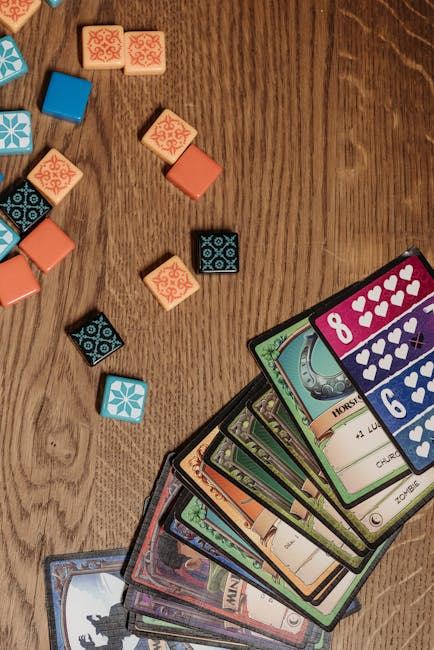
War is one of those card games that almost everyone has played at least once — usually on a rainy afternoon with nothing else going on.
The standard version is simple. Almost too simple. Flip a card, see who wins, repeat for forty-five minutes.
But here's the thing: the basic game is just the starting point. There are at least eight variations of War worth knowing, and several of them are genuinely more fun than the original. Whether you're looking to kill an hour, entertain a group, or find something new to do with a deck of cards, one of these versions fits.
A person in a white sweater holds cards, with a reflective surface underneath in a dimly lit setting.
---
Before getting into the variations, here's the short version of standard War for anyone who needs a refresher.
Split a 52-card deck evenly between two players, face down. Each player flips their top card simultaneously — highest card wins both cards. Ties trigger a "war": each player places three cards face down, then one face up. Highest face-up card wins the whole pile. First player to collect every card wins.
That's it. No strategy, no decisions, pure luck. Which is exactly why the variations exist — [INTERNAL LINK: how to play war card game] if you need the full breakdown.
---
Four Ace playing cards in various suits on a green felt surface.
Egyptian War — sometimes called Egyptian Ratscrew — takes the basic War format and adds something the original completely lacks: skill.
The setup is the same as standard War. Players split the deck and flip cards one at a time. The difference kicks in the moment someone plays a Royal Card.
How the Royal Card Rule Works
When a player flips a Royal Card, the other player has a limited number of chances to flip a Royal Card of their own. If they fail, the player who played the Royal Card wins the entire pile.
If the opponent does flip a Royal Card within their allotted chances, the roles reverse — now the first player has to respond with their own Royal Card using the same rules.
The chain keeps going until someone fails to produce a Royal Card in time. That player loses the pile.
Why It's More Interesting Than Standard War
Standard War gives you zero decisions. Egyptian War gives you tension on every Royal Card — watching your opponent burn through their chances, hoping they come up empty.
It's still luck-based at its core, but the swings feel earned rather than random.
Good for: Two players who find standard War too passive and want something with genuine momentum. Works especially well on a slow afternoon when you want a card game that actually holds your attention — not just something to stare at while you flip cards.
---
Three playing cards featuring the Jack, Queen, and King of Spades, arranged on a black background.
Standard War is a two-player game by design, but it scales up cleanly. If you've got a group and nothing to do, this is one of the easiest ways to turn a deck of cards into an activity for everyone.
How It Works
The rules are nearly identical to the standard game. Deal the full deck as evenly as possible between all players — any leftover cards go to the center as a starting pot. Everyone flips their top card simultaneously, and the highest card wins the full pile.
The key difference is how ties work.
How Ties Work with More Players
If that triggers another tie, repeat until someone wins the pile outright
This makes multi-player wars chaotic in the best way. A single round can wipe out a third of someone's deck or double it in one go.
Good for: Groups of three or four with a slow evening and nowhere to be. Scales the chaos up proportionally — more players means bigger swings and longer games. Bring snacks.
---
A scattered assortment of playing cards featuring hearts, spades, and a joker card, emphasizing card game themes.
Steal War is the most strategically interesting variation on this list. It keeps the luck element of standard War but layers in actual decisions — specifically, when to steal your opponent's pile and when to hold back.
It also finally gives the Jokers something to do.
How It Works
Deal the deck evenly between two players as normal. Jokers are included and treated as the highest card in the game — higher than Aces.
The core difference from standard War: you're not playing one card at a time. Each round, both players play four cards simultaneously.
The Capture Pile Mechanic
This is where Steal War separates itself from every other variation.
Why the Steal Changes Everything
In standard War you're a spectator. In Steal War you're making a real call every single round — play safe and build your capture pile, or go for the steal and risk your card on one move.
A well-timed steal can flip the entire game in one round. A mistimed one hands your opponent a pile they didn't earn.
Good for: Two players who want something meatier than a luck-based flip-fest. Great for a bored afternoon when you want a card game with actual momentum shifts — without learning a complicated new game from scratch.
---
A person shuffles playing cards, featuring hearts and spades, on a wooden table.
Reverse War — sometimes called Peace — is the simplest variation on this list. One rule change, and the entire game flips.
Lowest card wins.
That's it. Everything else plays exactly like standard War. Deal the deck evenly, flip one card each round, collect the pile. Ties still trigger a war. The only difference is that a 2 beats an Ace every single time.
Why One Rule Change Matters More Than It Sounds
In standard War, high cards are everything. You flip an Ace and you feel good. You flip a 2 and you're dead in the water.
Reverse War rewires that instinct completely. The cards you've been conditioned to dread are suddenly your best assets. A hand full of low cards — the ones that feel like a losing deck in standard War — becomes a dominant position.
It sounds minor. The first time you flip a 2 and win the round, it doesn't feel minor at all.
The War Rule in Reverse
Ties still trigger a war, but the same logic applies — three cards face down, one face up, and the lowest face-up card wins the pile. If you're used to hoping for Kings and Aces during a war, you'll need to recalibrate fast.
Good for: Anyone who's played standard War enough times that it feels stale. Takes about thirty seconds to explain to someone who already knows the original — which makes it perfect for a bored night when you want something different without the overhead of learning a new game entirely.
---
A person holds up a Two of Hearts card in front of a red background while grasping white flowers.
Addition War is the most family-friendly variation on this list. It takes the single-card flip of standard War and doubles it — which sounds simple, but changes the feel of the game more than you'd expect.
Each round, both players flip two cards instead of one. Add the values together. Highest total wins the pile.
How the Math Works
Card values follow standard rankings — numbered cards are face value, Jack is 11, Queen is 12, King is 13, Ace is 14. Flip a 7 and a Queen, your total is 19. Opponent flips a King and a 4, their total is 17. You win the round and collect all four cards.
Ties still trigger a war — same rules as standard War, except everyone flips two cards face up at the end instead of one.
Why It Works Better Than Standard War in a Group
Standard War with kids has one problem: the game moves faster than their attention spans. Addition War fixes that by giving younger players something to actively do each round — add two numbers, call out the total, see who wins.
It's a genuinely sneaky way to make arithmetic feel like part of the game rather than homework.
That said, it's not only a kids' game. Two adults playing Addition War will find the higher card totals create bigger swings round to round, and the two-card flips mean wars are rarer but more dramatic when they happen.
Good for: Families with kids who are learning basic math, or any group looking for a slightly meatier version of standard War without adding complicated rules. One of the best options for a slow afternoon when you've got a mixed-age group and one deck of cards.
---
A young man holds playing cards in front of his face, with various card designs visible in a circular arrangement.
Every variation so far has kept the turn-based rhythm of standard War intact. Speed War throws that out entirely.
There are no turns. There is no waiting. You just go.
How It Works
Deal the deck evenly between two players, face down. Both players flip cards onto a central pile as fast as physically possible — no waiting for your opponent, no alternating, no pausing to see who won the last flip.
The only rule that carries over from standard War: highest card wins the pile. The difference is that you're both racing to flip cards simultaneously, and whoever is moving faster controls the pace of the game.
When both players flip the same value card at the same time, standard war rules kick in briefly — three cards face down, one face up, highest card wins — then it's back to full speed.
Why Speed Changes the Entire Feel
Standard War is passive. You could play it half asleep and it wouldn't affect the outcome.
Speed War demands your full attention for every second it's running. Your hands are moving constantly. You're watching your pile, watching your opponent's pile, and reacting in real time.
It's loud. It's chaotic. Cards end up everywhere.
That's the point.
Good for: Anyone who finds standard War too slow or too passive — which is most people after the first few minutes. Best played at a table with enough space for things to get messy. Perfect for a bored afternoon when you need something with actual energy to it, not just something to pass the time.
---
A spread of playing cards and dice on a wooden table for a card game variation discussion.
Every other variation on this list works with a standard deck at your kitchen table. Casino War is the one you'll encounter at an actual casino — though you can absolutely recreate it at home with a few simple rules.
It's also the purest form of War that exists. One card each. Highest card wins. That's the entire game.
How It Works
A player places a bet and is dealt one card face up. The dealer — or in a home game, whoever is playing the house — deals themselves one card as well. Highest card wins the round. Winner collects the bet.
Card rankings follow standard War rules. Suits don't matter.
What Happens When Cards Tie
Ties are where Casino War gets interesting. When a player matches the dealer's card, they have two options:
Surrender: The player forfeits half their bet and moves on to the next round. Low risk, low reward — you're cutting your losses and moving on.
Go to War: The player matches their original bet, doubling what's on the table. Three cards are dealt face down, then one face up to each player. Highest face-up card wins the entire pot.
The tie decision is the only real choice in Casino War, which is exactly why casinos love it. The house edge is small but consistent, and the game moves fast enough that it adds up.
Playing Casino War at Home
Without actual money on the table, use chips, candy, or a point system to keep score. The betting mechanic is what makes this variation worth playing — without something at stake, it's just standard War with fewer cards.
Good for: Groups who want to add a stakes element to a casual card game without learning poker. Also genuinely useful to understand before visiting a casino — it's one of the few table games where you can learn everything you need to know in under five minutes. Perfect for a bored evening when you want something with a little more edge to it.
---
A scattered arrangement of playing cards featuring a prominent Joker card amidst hearts, spades, and diamonds.
Once you know the individual variations, the next logical move is combining them. Most of these rules layer cleanly on top of each other — and a few combinations create something genuinely more interesting than either variation alone.
Here are four combos worth trying the next time boredom hits and you want to shake things up.
Reverse + Addition War: Lowest Total Wins
Flip two cards each round and add the values together — but lowest total wins instead of highest. This one sounds simple until you're actually playing it and realize every instinct you have about good cards is wrong. A pair of Aces is suddenly a disaster. Two 2s is a dream hand.
Good for: Groups who've played both variations separately and want a fresh challenge without learning anything new.
Egyptian + Three Player War: Royal Chain Chaos
Take the Royal Card mechanic from Egyptian War and apply it to a three or four player game. When a Royal Card hits the table, every player at the table has to respond — not just the player who flipped it. The chain reactions get complicated fast, and the piles that build up during a royal standoff can be game-changing.
Good for: Larger groups on a slow night who want something with more tension than standard multiplayer War.
Steal + Speed War: Controlled Chaos
This is the most chaotic combination on the list. No turns, no waiting, and a capture pile mechanic running simultaneously. Cards will end up everywhere. Disputes about whose card landed first will happen. Someone will knock over a pile.
Fair warning: this one works best with people who find chaos fun rather than frustrating. Set some ground rules before you start — specifically around what counts as a valid steal when both players are moving at full speed.
Good for: Two players who want maximum energy out of a card game and aren't precious about keeping things tidy.
Reverse + Casino War: Flip the House
Play Casino War as normal — one card each, place your bets — but lowest card wins instead of highest. It completely inverts the betting strategy during ties. Surrendering on a high card suddenly makes sense. Going to war on a 2 feels like a power move.
Good for: A home game night where you want the Casino War betting mechanic but with a twist that keeps everyone guessing.
---
A gamer using dual monitors, one showing
Not every bored afternoon comes with a deck of cards nearby. These sites let you play War directly in your browser with no download required.
War is one of those card games that almost everyone has played at least once — usually on a rainy afternoon with nothing else going on.
The standard version is simple. Almost too simple. Flip a card, see who wins, repeat for forty-five minutes.
But here's the thing: the basic game is just the starting point. There are at least eight variations of War worth knowing, and several of them are genuinely more fun than the original. Whether you're looking to kill an hour, entertain a group, or find something new to do with a deck of cards, one of these versions fits.
---
War requires only a standard 52-card deck and two players. You don't need any special equipment, scorecards, or setup—just shuffle the deck and you're ready to start. It's one of the simplest card games to play with minimal preparation.
A typical game of War lasts 5–15 minutes, though it can vary depending on how the cards are distributed and which variations you're playing. Some rounds may end faster if one player quickly accumulates most of the deck, while others might stretch longer if the lead keeps changing.
Yes, War is extremely easy to learn—most players pick up the rules in under a minute. Each round simply compares card values, and the higher card wins; the only additional rule is how to handle ties (a "war"). It's perfect for beginners and children.
Variations add strategic twists, like allowing players to choose which cards to play instead of always going top-of-deck, or introducing special rules for face cards. These modifications increase engagement and reduce pure luck, making the game more fun for experienced players who find the original repetitive.
While War is traditionally a two-player game, it can be adapted for 3+ players by adjusting the tie rules so multiple players can compete in each round. However, the game becomes less strategic and more chaotic with more players, so it works best as designed with just two.
The classic version with a simple tie rule (where the higher card in a "war" wins the pile) is best for beginners since it requires no additional learning. Once players are comfortable with the basic mechanics, they can experiment with variations like card selection or special face card rules to add complexity.