BoredomBusted — Find Your Next Favorite Thing To Do
Discover hobbies, activities, places, and ideas that spark joy. Whether you're looking for something creative, active, social, or relaxing, BoredomBusted helps you find your next favorite thing to do.
Browse our hobby guides, things-to-do collections, and place ideas to never be bored again.
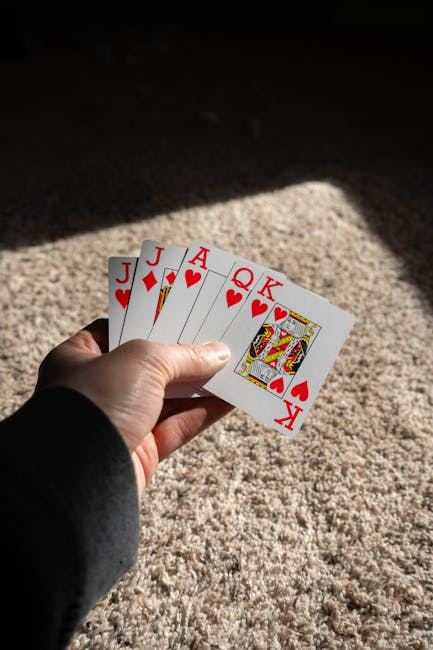
Discover the exciting world of Euchre in this ultimate guide, perfect for all skill levels! Learn the rules, strategies, and benefits of this classic trick-taking card game, designed to enhance your strategic thinking and provide endless fun with friends and family.
Euchre looks simple. Twenty-four cards, four players, first team to ten points wins. People assume they can pick it up in twenty minutes and be competitive by the second game.
They are wrong in the best possible way. Euchre rewards players who understand the invisible logic running under every hand — and punishes players who don't with a loss called getting euchred, which is as embarrassing as it sounds.
Most card games give you the same hierarchy every hand. In Euchre, the trump suit reshuffles the entire power structure of the deck — and it does so in a way most beginners don't expect.
Three things define every hand of Euchre:
Trump hierarchy. The Jack of the trump suit (the Right Bower) is the highest card in the game. The Jack of the same-color suit (the Left Bower) becomes the second-highest — and actually switches teams, becoming part of the trump suit for that hand. New players consistently forget this.
Bidding risk. The team that names trump must win three of five tricks or lose points instead of gaining them. Calling trump confidently with a weak hand is the fastest way to lose a game.
Partnership communication. You can't talk strategy mid-hand, so everything is read through card selection and play sequence. Good partners develop a shared language without saying a word.
Euchre is usually learned sitting at someone's kitchen table. Here's the actual sequence of a first game:
The deal. The dealer gives each player five cards from a trimmed 24-card deck (nines through Aces). The next card is flipped face up — this is the proposed trump suit.
The first bid round. Starting left of the dealer, each player says "pick it up" to accept the flipped suit as trump, or "pass." If someone picks it up, the dealer takes that card and discards one. If all four pass, the card is turned down.
The second bid round. Players can now name any suit except the one that was turned down. If everyone passes again, the hand is thrown in and redealt — this rarely happens but causes significant social embarrassment.
Playing tricks. The player left of the dealer leads first. Everyone must follow suit if they can. Highest card of the led suit wins unless someone plays trump, in which case highest trump wins. The Left Bower follows trump suit rules, not its face-suit rules — this trips everyone up their first ten games.
Scoring. Win 3 or 4 tricks as the makers: 1 point. Win all 5 tricks (a march): 2 points. Get euchred (fail to win 3 tricks): opponents get 2 points. Go alone and win all 5: 4 points. First to 10 wins.
Here is the single insight that separates competent Euchre players from beginners who lose and don't know why: the Left Bower doesn't belong to its printed suit anymore.
If hearts are trump, the Jack of hearts is the highest card in the game. But the Jack of diamonds — the same-color suit — becomes the second-highest card and is now legally a heart for the entire hand. A player who leads diamonds cannot force someone to play the Jack of diamonds if they're holding it. It's trump, not a diamond anymore.
This matters enormously in two situations. First, when counting how many trump cards are in play — there are effectively nine trump cards per hand, not five as beginners assume, which changes the entire math of whether you can safely call trump. Second, when deciding whether to go alone: a hand with both Bowers and two Aces is nearly unbeatable, but a hand with one Bower and scattered off-suit cards is a trap.
Experienced players count Bowers and trump before they do anything else. That mental accounting happens in about two seconds for veterans. It takes most beginners thirty games to make it automatic.
Euchre is one of the cheapest hobbies in existence. The main cost is your time.
If you have a standard 52-card deck, remove the 2s through 8s and you're playing Euchre tonight. Free apps like VIP Euchre and Euchre 3D let you play solo against bots or online opponents on your phone for nothing.
A dedicated Euchre deck runs about $5 to $8 and comes pre-trimmed with only the 24 cards you need, often with a score tracker included. A nicer card table cover or felt mat is another $10 and makes four-hour sessions noticeably more comfortable.
Local bar leagues and charity Euchre tournaments charge entry fees from $5 to $25 per person, often with cash prizes. Serious tournament players sometimes travel for regional competitions, which adds travel costs — but the entry fees stay in the same low range.
Euchre has almost no gear overhead, but there are still a few things worth prioritizing and a few things that are genuinely unnecessary.
A dedicated Euchre deck ($5-8). The pre-trimmed deck eliminates setup confusion and usually includes a score card. Worth it immediately if you plan to host games.
A score-keeping method. A small notepad works fine. Some groups use the traditional two-card method (using a 4 and 6 from the removed cards as score trackers). Either works.
Premium card sets and custom decks. Beautiful, sure. Necessary, no. Wait until you know you'll play regularly before spending $20+ on specialty cards.
Euchre strategy books. They exist and some are useful, but thirty real games with experienced players will teach you more than any book. Play first, read later if you're still hungry for improvement.
Euchre has no single canonical ruleset. What's standard in Ohio is a house rule in Michigan and possibly illegal in a Pennsylvania bar league. This matters because sitting down at a new table without asking about local rules is a fast way to start an argument.
The biggest variations to ask about before your first hand: Does "stick the dealer" apply (forcing the dealer to name trump if everyone else passes)? Are Jokers included as the top trump cards? Is a "lone hand" worth 4 points or just 2? Can you order up your partner? Does a loner require the partner to sit out automatically?
Ask before you sit down. A thirty-second conversation about house rules prevents a thirty-minute dispute at point nine.
Euchre is heavily regional — if you're in the Midwest, games find you. Everywhere else, you have to look. Here's how to find a good one:
Check local bars and VFW halls. Euchre leagues run out of bars and community halls throughout the Midwest. Search "Euchre league [your city]" and something almost always comes up.
Search Meetup.com for card game groups. General card game meetups often include Euchre nights, especially in areas with Midwestern transplant populations.
Look for charity Euchre tournaments. Churches, firehouses, and community organizations run Euchre fundraisers constantly in Euchre-dense regions. These are beginner-friendly and a natural entry point.
Play online first to build confidence. Apps like VIP Euchre have active multiplayer communities. Playing fifty online hands before showing up to a live game means you won't slow things down learning basics at the table.
Host your own. If you can find three other people curious about the game, just host. The barrier is a single deck of cards and a kitchen table. You don't need to find a community — you can start one.
If Euchre isn't clicking, browse the full hobbies list for other card and strategy games worth trying.
Euchre has a genuine subculture, especially online. The r/Euchre subreddit is active with strategy debates, rule clarification arguments, and people venting about partners who ordered them up holding a nine and a ten.
VIP Euchre and Euchre 3D both have in-app chat communities. The skill range is wide, which is useful — you'll find players at every level willing to explain why they made a specific call.
In-person, the social texture of Euchre is closer to poker night than board game night — casual, competitive, and often tied to a regular time and place that people protect fiercely. Finding a good regular game means finding a standing Friday night commitment. That's the real prize.
Give it thirty games before you decide. That's enough hands to move past the mechanical confusion and into the actual game.
After 10 games: You should be handling the Left Bower correctly without being reminded, and your bid decisions should be based on card count rather than vibes.
After 20 games: You should feel the pull of partnership instinct — knowing when to lead trump to help your partner versus holding it for later. You should also have a strong opinion about at least one house rule.
After 30 games: You should be reading your opponents' tendencies and adjusting your play accordingly. If you're not, you're probably playing on autopilot — slow down and pay attention to what winners are doing differently.
Stop if the partnership dependency frustrates you more than it engages you. Euchre's whole identity is the two-against-two dynamic. If you'd rather just play your own hand, solo trick-taking games like Hearts or Spades will suit you better.
Keep going if you find yourself mentally replaying hands after the game ends — wondering whether calling trump on that hand was right, or whether leading the Left Bower in trick two was the mistake. That post-game second-guessing is how Euchre gets its hooks into you.
Bridge guide — If Euchre's bidding structure clicks for you, Bridge is the deep-end version of the same concept.
Pinochle guide — Another trick-taking game with a trimmed deck and a trump hierarchy. Euchre players often take to Pinochle quickly.
Spades guide — Partnership trick-taking with a fixed trump suit. A natural next game if you like Euchre's team dynamic but want a full 52-card experience.
Cribbage guide — If you want a two-player card game with equally cult-like regional devotion, Cribbage is the one.
2-player card games list — Can't always find four players? Here are the best card games built for two.
A standard game of Euchre takes about 30–45 minutes, depending on the number of players and skill level. Beginners may take slightly longer as they learn card combinations and strategy. Most groups play multiple rounds in a single session for added entertainment.
Euchre is best played with 4 players divided into 2 teams, though variations exist for 2 or 3 players. The 4-player team format is the most popular and creates the best competitive balance. You'll need a standard 24-card deck (9s through Aces) to play.
Euchre is relatively easy to learn compared to other trick-taking games—most people pick up the basic rules in 10–15 minutes. The real challenge comes from mastering strategy and card reading, which improve with practice. It's an excellent choice for players transitioning from simpler card games.
Euchre uses only 24 cards and has a trump suit that changes each hand, creating more dynamic strategy than Spades. The calling mechanism (deciding which suit is trump) adds a risk-reward element unique to Euchre. Both are trick-taking games, but Euchre moves faster and requires more adaptability.
You only need a standard 52-card deck and a way to score (paper and pencil work perfectly). Some players use a Euchre scorecard or app for tracking points, but these are optional. A flat playing surface and 4 chairs are all you need to get started.
Key beginner strategies include understanding trump power, tracking which cards have been played, and recognizing when to "order up" the trump card. Learning to read your partner's plays and avoiding risky calls early on will improve your win rate significantly. Practice helps you develop the card memory and prediction skills that separate casual players from competitive ones.