BoredomBusted — Find Your Next Favorite Thing To Do
Discover hobbies, activities, places, and ideas that spark joy. Whether you're looking for something creative, active, social, or relaxing, BoredomBusted helps you find your next favorite thing to do.
Browse our hobby guides, things-to-do collections, and place ideas to never be bored again.
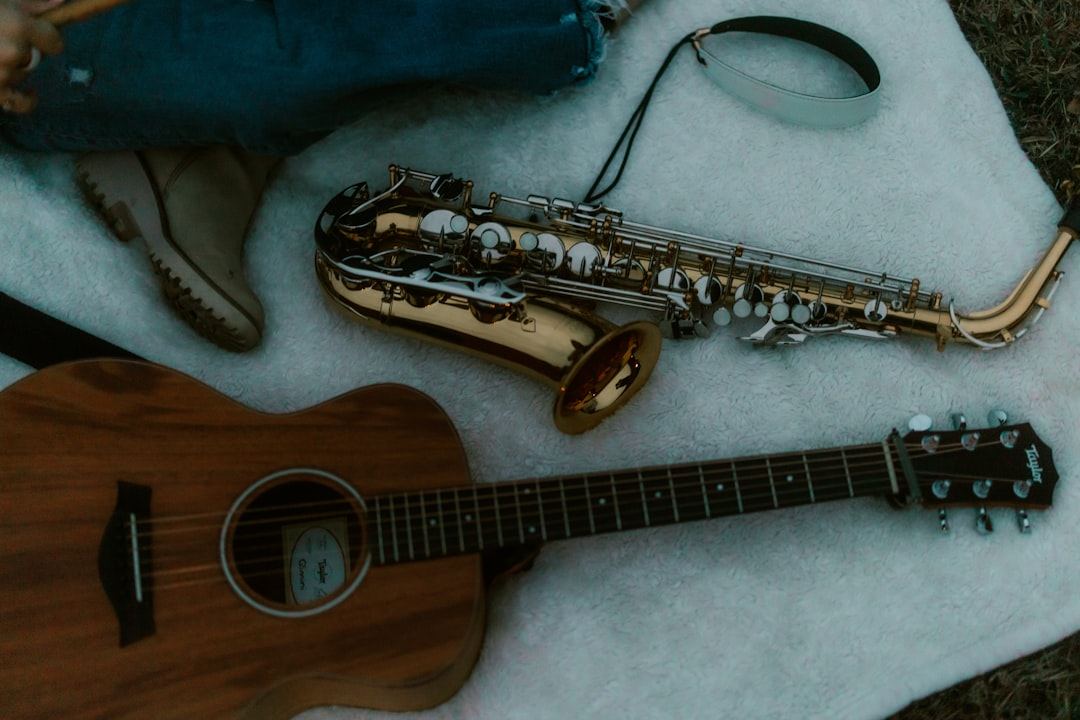
Most people choose an instrument the wrong way. They pick what looks cool, what their friend plays, or what they vaguely remember from school.
Then they quit two months in and blame themselves.
The problem is almost never talent or natural musical ability.
It's fit and motivation.
Wrong instrument, right person — and the whole thing falls apart.
This guide covers every instrument worth knowing, organized by family, with honest notes on difficulty, cost, and who each one is actually for. Run your choice through these five questions before buying anything:
---
Percussion is where most beginners find their footing, and for good reason. You can make a real sound on a drum within minutes of picking it up. No embouchure to develop. No bow technique. No frets to memorize. You hit it, it sounds like something.
That immediacy makes percussion the most forgiving entry point in music — but don't mistake easy entry for low ceiling. The best drummers in the world are still learning.
⭐ Easy Entry
A drum kit is the backbone of nearly every band genre — rock, jazz, funk, hip-hop, country. You keep the beat. Everyone else follows.
Basic beats are learnable in weeks. Playing along with real songs comes within a few months. The challenge isn't producing sound — it's coordinating all four limbs independently, which takes time to wire.
The main barrier is practical: drums are loud and large. Acoustic kits in apartments are a non-starter. Electronic kits through headphones solve the noise problem, though they feel different underfoot.
Best for: People who love rhythm, want to play in bands, and have space — or a good electronic kit.
Learning curve: Easy entry, years to master.
Entry cost: $300–$600 acoustic; $400–$800 electronic.
---
⭐ Easy Entry
Bongos, congas, djembe, tambourine, shakers, cajon. Instruments you play with your hands — no mallets, no setup.
You can sit around a campfire with a djembe and sound decent in an hour.
These instruments rarely headline a band, but they make every musical situation more fun — and they're cheap, portable, and social.
Best for: Casual players, people who want music to be low-pressure and social.
Learning curve: Immediate.
Entry cost: $30–$150.
---
⭐ Easy Entry
A small handheld instrument with metal tines you pluck with your thumbs. Soft, melodic, meditative.
The tines are labeled, the layout is intuitive, and you can play recognizable melodies within an hour. It's not a performance instrument — but for solo enjoyment and relaxation, nothing at this price point comes close.
Best for: People who want melody without the learning curve, introverts, anyone wanting something portable and quiet.
Learning curve: Immediate.
Entry cost: $15–$50.
---
🟡 Moderate Entry
Wooden bars struck with mallets, laid out like a piano keyboard. Xylophones are brighter and smaller; marimbas are larger with resonator tubes that give them a warmer, fuller sound.
Both play melodies and chords — not just rhythm. If you want percussion that lets you play actual songs rather than just keep time, these are it. The layout mirrors a piano, so music theory transfers directly.
Best for: People drawn to melodic percussion, anyone who wants pitched playing without a keyboard.
Learning curve: Moderate — similar to early piano.
Entry cost: $100–$400 for a starter xylophone; marimbas run higher.
---
🟡 Moderate Entry
Vibraphones have metal bars with rotating vanes that create a warm vibrato — a jazz staple. Glockenspiels have bright, ringing metal bars you'd recognize from orchestras and marching bands.
More specialized than xylophone. If you've ever heard a jazz vibraphone solo and felt something, that's your signal.
Best for: Jazz enthusiasts, players who've already learned mallet basics.
Learning curve: Moderate.
Entry cost: Vibraphones $500+; glockenspiels $50–$200.
---
🟡 Moderate Entry
Large kettle drums struck with mallets, found almost exclusively in orchestras. Unlike most drums, timpani are tuned — you adjust pitch with a foot pedal.
Timpani isn't a beginner's first instrument, but it's the natural landing spot for percussionists moving into orchestral settings. When timpani enters, everyone in the room feels it.
Best for: Percussionists looking to move into classical settings.
Learning curve: Moderate — straightforward mechanics, pitch awareness adds complexity.
Entry cost: Typically borrowed through school or orchestra; purchasing runs $500–$2,000+.
---
String instruments produce sound by vibrating strings — plucked, strummed, or bowed. It's the largest instrument family, and it spans the widest difficulty range of any group.
The easy end is where most people start their musical life. Good reason for that.
⭐ Easy Entry
Four nylon strings. Small body. Gentle on fingers. You can strum your first real song in under an hour — not a simplified version, an actual song.
The learning ecosystem is overwhelming in the best way: YouTube tutorials, apps, chord charts, beginner communities. The instrument is also cheap enough that buying one to try isn't a real financial risk.
The limitation is range. Ukulele lives in a bright, cheerful register — not going to cover metal or jazz. For folk, pop, and singer-songwriter styles, it's a genuine instrument. Not a toy.
Best for: Complete beginners who want fast results, kids and adults equally.
Learning curve: Immediate. Basic songs in days, full chord vocabulary in weeks.
Entry cost: $50–$150.
---
⭐ Easy Entry
The most popular instrument in the world, and for good reason. Acoustic guitar works across virtually every genre — folk, rock, pop, country, blues, classical. The song library available to a basic guitarist is enormous from month one.
The first two weeks are the hardest. Fingertips hurt. Chord transitions are slow. F chord humbles everyone. Push past that wall and the instrument opens up fast.
The online learning ecosystem for guitar is the best of any instrument. Whatever you want to learn is probably already on YouTube, free.
Best for: People who want versatility, singers who want accompaniment, anyone who loves multiple genres.
Learning curve: Easy entry with a two-week friction period. Real competency in 2–3 months.
Entry cost: $150–$300. Don't buy under $100 — the action will punish you.
---
⭐ Easy Entry
Same fundamentals as acoustic — same chords, same scales, same theory. Thinner strings and lower action make electric slightly easier on the fingers early on.
The tradeoff: you need an amp, cable, and a plan for volume. Through headphones, electric guitar is apartment-friendly. If your heroes play electric, start electric. Don't force yourself onto acoustic because it seems more legitimate.
Best for: Rock, blues, metal, and funk lovers.
Learning curve: Easy — same as acoustic, arguably slightly gentler.
Entry cost: $200–$400 for guitar and starter amp.
---
⭐ Easy Entry
Bass gets undersold constantly.
Bass players are in higher demand than guitarists in most bands — because fewer people play it, and the learning curve is genuinely gentler.
Four strings instead of six. Rhythm-focused rather than melody-focused. You're learning fewer finger positions while developing groove and timing that makes you immediately valuable in any band.
Best for: Rhythm-oriented people, anyone who wants to be in a band fast.
Learning curve: Easy. Basic lines in weeks.
Entry cost: $200–$400 for bass and amp.
---
🟡 Moderate Entry
Five or six strings with a bright, percussive attack that's unmistakably its own thing. Home territory is folk, bluegrass, and Americana — though modern players push it into unexpected places.
Steeper early curve than guitar but a faster payoff in its home genres. If you love bluegrass and want to sound like you belong in it, no other instrument gets you there.
Best for: Folk and bluegrass lovers who want a distinctive sound.
Learning curve: Moderate — 2–3 months to basic competency.
Entry cost: $200–$500.
---
🟡 Moderate Entry
Eight strings in four pairs, played like a small guitar but tuned differently. Produces a bright, punchy sound that cuts through any mix. Lives in bluegrass and folk, but also shows up in rock, classical, and world music.
The paired strings mean you're pressing two strings per note, which requires more finger pressure than guitar. It's not hard — but it punishes sloppy technique more than a ukulele does.
Best for: Bluegrass and folk players who want something more distinctive than guitar.
Learning curve: Moderate — similar to guitar but less forgiving of imprecise fretting.
Entry cost: $150–$400.
---
🟡 Moderate Entry
47 strings on a full concert harp, though beginner lever harps run smaller. The sound is immediately recognizable — ethereal, resonant, nothing else like it.
More accessible than its reputation suggests. You can produce beautiful sounds relatively quickly because you're plucking individual strings, not developing embouchure or bow technique. The complexity comes later, in pedal technique and advanced repertoire. Space and cost are the real barriers.
Best for: People genuinely drawn to the sound, patient learners with space and budget.
Learning curve: Moderate entry, significant investment to advance.
Entry cost: $500–$1,500 for a beginner lever harp.
---
Some instruments make you work before they reward you. These three are the most demanding in the string family — and the most rewarding for people willing to push through the rough early months.
No frets. No physical guides. Just your ear, your fingers, and a lot of patience.
🔴 Challenging Entry
Violin is one of the most beautiful instruments in existence. It's also one of the most unforgiving to learn.
No frets means no guidance for finger placement. Every note requires your ear to tell your fingers where to land — and early on, your ear isn't fast enough. Bow technique adds another layer: producing clean tone takes months of dedicated practice. Early violin sounds like something you'd rather not hear in your home.
That phase ends. It always ends. But you have to commit to getting through it.
The payoff is enormous. Violin has one of the deepest repertoires in music — classical, folk, jazz, bluegrass. Orchestras always need violin. The instrument scales from beginner to virtuoso with no ceiling in sight.
If you're not prepared to sound rough for at least six months, violin will break you. If you are — it might be the best decision you ever make.
Best for: Patient learners, classical music lovers, people drawn to folk or fiddle traditions.
Learning curve: Challenging. 6–12 months before basic competency.
Entry cost: $300–$800 for a playable beginner outfit. Don't buy cheap — a $75 violin will damage your technique.
---
🔴 Challenging Entry
Everything true of violin applies here — no frets, bow technique required, ear-dependent intonation. The difference is register and size. Cello lives in a deeper, warmer tonal range that many players find more emotionally resonant than violin's higher voice.
You play cello seated, instrument between your knees. Larger size means larger finger stretches — occasionally challenging for smaller hands early on, rarely prohibitive with good technique.
Cello has a reputation among musicians as the instrument people fall in love with unexpectedly. Solo Bach cello suites are among the most moving pieces ever written for any instrument.
Best for: People drawn to deep, resonant sound; classical music lovers who want something less common than violin.
Learning curve: Challenging — similar timeline to violin.
Entry cost: $400–$1,000 for a playable beginner outfit.
---
🔴 Challenging Entry
Classical guitar shares the same basic shape as acoustic guitar but plays almost nothing like it. Nylon strings instead of steel. Wider neck. Fingerstyle technique only — no picks. Formal instruction is essentially required to develop correct posture and hand position.
If you come in expecting acoustic guitar with a different vibe, you'll be confused. Classical guitar is its own discipline — its own technique system, its own repertoire, its own learning path.
The payoff is a level of musical precision that few instruments match. Classical guitarists read full notation, play melody and bass lines simultaneously, and develop finger independence that transfers to any instrument.
This is the hardest version of guitar. People who say guitar is easy have not tried classical.
Best for: Detail-oriented learners who want formal technique, classical music lovers.
Learning curve: Challenging. Expect 4–6 months before basic pieces sound musical.
Entry cost: $200–$500. Lessons are mandatory — budget for them.
---
If you want to start playing music fast, ukulele, acoustic guitar, and bass are where you go. If you want the most rewarding instrument you'll ever play and you're willing to earn it — violin or cello. Just don't start either without knowing what you're signing up for.
---
Wind instruments produce sound by vibrating air — your breath creates the vibration, the instrument shapes it into pitch. Simple concept. Wildly different execution depending on the instrument.
This family has the biggest difficulty spread of any group. The easiest instrument on this entire list lives here. So does one of the hardest.
⭐ Easiest Instrument on This List
Fits in your pocket. Costs $15. You can play a recognizable melody within an hour of picking one up.
Blow through a hole, you get a note. Draw air back through the same hole, you get a different note. That's the whole mechanic. No hand position to develop, no embouchure to learn, no technique barrier between you and actual music.
The limitation: a standard diatonic harmonica is tuned to one key, which limits what you can play without bending notes — a technique that takes time. Chromatic harmonicas solve this but cost more.
Best for: Absolute beginners, blues and folk lovers, anyone who wants music with minimal investment.
Learning curve: Immediate. Basic melodies in hours.
Entry cost: $15–$50. The Hohner Special 20 is the standard beginner recommendation.
---
⭐ Easy Entry
Everyone's first wind instrument — and more useful than its reputation suggests.
The recorder sounds bad when beginners play it because everyone learns it simultaneously in school with no individual attention. The instrument isn't the problem. Proper breath control and finger technique produce genuinely musical results.
More importantly, recorder teaches fundamentals that transfer directly to flute, clarinet, and other wind instruments. Think of it as wind instrument training wheels that actually work.
Best for: Kids and adults who want wind instrument basics cheaply before committing to something expensive.
Learning curve: Easy.
Entry cost: $10–$30.
---
🟡 Moderate Entry
Saxophone is the most accessible of the serious wind instruments. Tone production is more forgiving than clarinet or flute — you can make a decent sound relatively quickly without perfect embouchure.
Central to jazz and shows up everywhere from rock to classical. The learning path is well-established, teachers are easy to find, and online resources are solid.
Intonation — playing reliably in tune — is the ongoing challenge. Your ear and embouchure do the work together, not frets or physical guides.
Best for: Jazz lovers, people who want a serious wind instrument without the brutal early curve of brass or oboe.
Learning curve: Moderate — decent sounds in weeks, real competency in 3–6 months.
Entry cost: $500–$1,200 for a playable beginner alto. Renting first is worth considering.
---
🟡 Moderate Entry
Bright, clear, and capable of extraordinary expressiveness. Massive repertoire spanning classical, folk, jazz, and contemporary music.
The early challenge is specific: producing a focused tone requires precise mouth position — the embouchure is different from any other wind instrument and takes weeks of consistent practice. Early flute sounds airy and thin until that clicks. Once it does, progress accelerates quickly.
Best for: People drawn to high, bright sounds, classical and folk music lovers.
Learning curve: Moderate to challenging — tone production takes weeks to develop.
Entry cost: $400–$800. Lessons strongly recommended early on.
---
🟡 Moderate Entry
Single reed instrument with a warm, versatile tone across classical, jazz, klezmer, and band music. The learning path is well-supported — school band programs have built infrastructure around clarinet for decades.
Reed maintenance adds a small ongoing cost and learning curve. Embouchure is specific but learnable with instruction. Clarinet rewards methodical learners — the technique is precise, the progress is measurable.
Best for: Detail-oriented learners, anyone wanting to join a band or orchestra.
Learning curve: Moderate to challenging — 3–5 months to basic competency.
Entry cost: $400–$900. Renting through a school program is a smart first step.
---
🟡 Moderate Entry
The slide mechanism is both its most unusual feature and — surprisingly — part of what makes it approachable. There are no valves to memorize. Seven slide positions, and the physics are intuitive.
The challenge is pitch accuracy. Without fixed positions, your ear and muscle memory land the notes. It takes time to wire. Jazz trombone in particular is deeply expressive.
Best for: Jazz and classical lovers, people drawn to brass without valve mechanics.
Learning curve: Moderate to challenging.
Entry cost: $400–$800.
---
🟡 Moderate Entry
The largest brass instrument, playing the lowest register. The foundation of every brass ensemble — when tuba enters, you feel it physically.
The mechanics are more manageable than trumpet or French horn — the embouchure, while requiring development, is less finicky than higher brass instruments. The main barrier is size.
Tuba players are in genuine demand because so few people play it. Picking it up practically guarantees you a spot in any ensemble.
Best for: People who love deep resonant sound, anyone who wants guaranteed band placement.
Learning curve: Moderate.
Entry cost: $1,000–$2,500. School rental programs are the practical starting point.
---
🔴 Challenging Entry
Bright, penetrating, and central to jazz, classical, and brass band music. One of the most recognizable sounds in music.
Also genuinely hard to start. The embouchure is sensitive and takes months to develop consistently. Early trumpet sounds are often thin, airy, or simply wrong. There's no shortcut through that phase.
Push past it and trumpet opens up fast. The instrument is portable, versatile across genres, and has some of the most exciting repertoire in music.
Best for: Jazz and brass lovers willing to push through a difficult early period. Committed learners only.
Learning curve: Challenging — 3–6 months before reliable basic competency.
Entry cost: $400–$900. Lessons are mandatory early on.
---
🔴 Challenging Entry
Double reed instrument with one of the most distinctive sounds in classical music — warm, expressive, slightly haunting. Orchestras tune to the oboe. That tells you something about its role.
Among the hardest instruments to learn. The double reed is finicky, requires maintenance, and early tone production is genuinely difficult. Squeaking is common for months. Finding a good teacher is non-negotiable.
Best for: Serious classical musicians, deeply patient learners.
Learning curve: Very challenging — 6–12 months before basic competency.
Entry cost: $1,000–$2,500.
---
🔴 Challenging Entry
French horn has the well-earned reputation of being the hardest instrument to learn. The embouchure is extraordinarily sensitive — small errors produce obviously wrong notes, and there's nowhere to hide.
Most players need a year or more before they sound consistently musical. The instrument requires a teacher, consistent practice, and genuine commitment to a long learning arc.
The reward is a sound unlike anything else — warm, full, and capable of both delicate passages and overwhelming power.
Best for: Highly committed learners, classical music devotees who specifically love the sound.
Learning curve: Very challenging — the hardest embouchure development of any instrument.
Entry cost: $1,200–$3,000.
---
🔴 Challenging Entry
A small flute playing an octave higher. Piercing, bright, unmistakable in an orchestra or marching band.
Piccolo is rarely a first instrument — most players come from flute. The smaller size amplifies every embouchure error, making it less forgiving than flute. Start with flute first.
Best for: Flute players looking to expand.
Learning curve: Challenging — assumes flute foundation.
Entry cost: $400–$800.
---
Keyboard instruments have one advantage no other family can match: the layout is visual and logical. Notes go left to right, low to high, in a pattern that repeats every twelve keys. You can see music theory happening in front of you — something guitar, violin, and wind instruments simply don't offer.
That makes keyboards uniquely good for understanding how music works, not just how to play it.
⭐ Easy Entry
The practical starting point for anyone curious about piano-style playing. Smaller than a piano, significantly cheaper, apartment-friendly through headphones.
Basic melodies are playable within days. The layout is immediately intuitive — you can find notes by sight before you've learned anything formal.
The tradeoff is feel. Unweighted keys don't respond the way a real piano does. For casual players that's fine — but if you eventually want to advance, it matters.
Best for: Beginners who want piano-style learning without cost or space commitment, music theory learners, producers and songwriters.
Learning curve: Easy. Basic songs in weeks.
Entry cost: $100–$300. Spend a little more for weighted or semi-weighted keys if you're serious.
---
⭐ Easy Entry
Synthesizers produce sound electronically — oscillators, filters, effects — rather than acoustic vibration. The range of sounds is essentially unlimited.
Playing a synth is accessible from day one. What separates synth from keyboard is the creative dimension. You're not just playing notes — you're designing sound. That appeals to a specific kind of person: experimental, production-minded, drawn to electronic music.
Start simple — one synth, learn what it does fully, then expand.
Best for: Electronic music lovers, producers, experimental musicians drawn to sound design as much as performance.
Learning curve: Easy entry for playing; moderate to learn sound design deeply.
Entry cost: $150–$500.
---
⭐ Easy Entry
Drum machines trigger pre-programmed or custom drum sounds electronically. Loopers record short passages and repeat them, letting a solo musician build layered arrangements in real time.
Neither is a traditional instrument — but both are legitimate musical tools with real creative ceilings. If you're making electronic music or performing solo with layered sound, these aren't optional — they're essential.
Best for: Electronic producers, solo performers building beats or layered arrangements.
Learning curve: Easy — intuitive interfaces, deep creative potential.
Entry cost: $100–$300.
---
🟡 Moderate Entry
Piano is different from every other instrument on this list in one specific way: it teaches music itself, not just how to play one instrument.
The visual layout makes scales, chords, intervals, and harmony immediately apparent. Reading music is standard from early lessons. Both hands learn independent roles — melody and harmony simultaneously — which builds musical thinking that transfers to every other instrument.
Basic songs are playable within weeks. Left and right hand independence takes real time to develop. Mastery takes years — the repertoire is so vast and technically demanding that concert pianists practice for decades.
Music teachers recommend piano as a foundation before anything else more than any other instrument. That's not coincidence.
If you want to understand music deeply — not just play songs — piano teaches it.
The practical barriers are real. A quality upright piano is expensive and large. Digital pianos solve both problems: weighted keys, pedal response, and headphone capability make them a legitimate substitute for home practice.
Best for: Anyone who wants deep music theory understanding, methodical learners, people who want an instrument for life, parents choosing a first instrument for children.
Learning curve: Moderate entry, extraordinary ceiling. Basic songs in weeks, real mastery takes years.
Entry cost: $500–$1,500 for a quality digital piano with weighted keys. Acoustic uprights start around $2,000 used.
---
Every instrument on this list requires you to go buy something. This one you already own.
⭐ Easy Entry
Everyone can produce sound with their voice. That's not the same as singing well — but it means the barrier to starting is genuinely zero. No purchase required. No setup. You can begin today.
The learning curve is unusual compared to every other instrument here. Some people have significant natural aptitude. Most don't. But almost everyone can improve substantially with practice and instruction. The gap between your natural starting point and what you can develop is larger than most people expect.
The social dimension of singing is unlike any other instrument. Singing with other people — in a choir, a band, around a table — is one of the most immediately bonding musical experiences there is.
Lessons accelerate progress significantly, especially early. Bad vocal habits are easy to develop and harder to unlearn. A few sessions with a good teacher early on saves months of reinforcing wrong technique.
Best for: Anyone who wants music with zero equipment investment, people who want the most social instrument possible.
Learning curve: Easy entry, highly variable ceiling depending on natural aptitude and instruction.
Entry cost: Free to start. Lessons $30–$80/hour.
---
Not every instrument fits a standard category. These are the ones worth knowing about — instruments with sounds and mechanics unlike anything else on this list.
None of these are beginner recommendations. But if one makes you stop and watch a video, that reaction is worth following.
An instrument you play without touching it. Two antennas — one controls pitch, one controls volume — respond to the position of your hands in the electromagnetic field around them. You move through space. The instrument responds.
The theremin produces an eerie, singing tone you'd recognize instantly from classic science fiction soundtracks. It's genuinely difficult to play well — pitch control without physical contact requires extraordinary ear-hand coordination. But there's no other instrument like it, and the learning floor is low enough to start experimenting immediately.
Entry cost: $100–$400 for a playable beginner theremin.
---
A string instrument played with a hand-cranked wheel that bows the strings continuously. Keys pressed against the strings change pitch. It sounds medieval because it is — the instrument dates to the 11th century and produces a droning, layered sound unlike anything electric or modern.
Hurdy-gurdy has a dedicated and passionate player community. Learning resources exist but are harder to find than mainstream instruments. If you've ever heard one and felt something pull at you, that feeling tends not to go away.
Entry cost: $500–$2,000 depending on quality.
---
A convex steel instrument played with the hands, producing warm, melodic tones with natural reverb. Invented in Switzerland in 2000, it has developed a devoted following in meditative and world music circles.
The playing technique is accessible — you're striking a tuned steel surface with your hands, not managing a bow or embouchure. The barrier isn't learning; it's cost and availability. Quality hang drums are expensive and the best makers have long waiting lists.
Cheaper alternatives — tongue drums and steel tongue drums — exist at $50–$200 and scratch a similar itch without the wait or price.
Entry cost: $1,500–$3,000+ for a quality instrument.
---
Rotating glass bowls played with wet fingers. The friction produces an ethereal, singing tone that Mozart composed for and Benjamin Franklin helped invent a version of.
The sound sits somewhere between a choir and a wine glass — pure, glassy, and deeply unusual. Finding a teacher is genuinely difficult, and playable instruments are rare. This is a curiosity worth knowing exists rather than a practical recommendation — but if it pulls at you, the rabbit hole is deep and rewarding.
Entry cost: $500–$2,000+ for a playable instrument.
---
An African hand drum capable of producing an extraordinary range of tones — bass, tone, and slap — from a single instrument. More expressive range than most Western percussion instruments, and deeply rooted in West African musical tradition.
The learning floor is low, the ceiling is high, and you'll have company on the way up. Community drum circles exist in most cities, and the community around it is consistently welcoming to newcomers.
Entry cost: $80–$300 for a quality djembe.
---
You've read the whole list. If you're still deciding, use this.
Sound decent within days:
Harmonica · Kalimba · Hand Percussion · Ukulele · Singing
Sound decent within weeks:
Electronic Keyboard · Acoustic Guitar · Electric Guitar · Bass Guitar · Drums
Prepared to wait 3–6 months:
Saxophone · Clarinet · Flute · Trumpet · Banjo · Mandolin
Committed to a long game (6–12+ months):
Violin · Cello · French Horn · Oboe · Classical Guitar
Rock / Blues / Metal: Electric Guitar · Bass Guitar · Drums · Keyboard
Jazz: Saxophone · Trumpet · Piano · Drums · Trombone
Classical: Piano · Violin · Cello · Flute · Clarinet · French Horn
Folk / Bluegrass / Americana: Acoustic Guitar · Banjo · Mandolin · Harmonica · Fiddle
Electronic / Experimental: Synthesizer · Drum Machine · Theremin
Pop / Singer-Songwriter: Acoustic Guitar · Ukulele · Piano · Singing
Small space / apartment: Ukulele · Harmonica · Keyboard (headphones) · Electric Guitar (headphones) · Kalimba
Want to join a band fast: Bass Guitar · Drums · Rhythm Guitar · Tuba
Want to join an orchestra: Violin · Cello · Flute · Clarinet · Trumpet · French Horn
Prefer solo practice: Guitar · Piano · Ukulele · Harmonica · Kalimba
Want to understand music theory: Piano · Guitar · Saxophone
---
Don't buy the cheapest version of anything on this list. A $40 guitar with bad action is harder to play than a $200 one. A $75 violin will actively damage your technique. Spend enough to get something that works.
For anything marked "strongly recommended" in the rent column — rent for 3–6 months before buying. These instruments are expensive, require significant commitment, and deserve a real trial before you own one. Most music stores and school programs offer rental agreements that credit toward purchase.
---
Most people who want to learn an instrument never start. Not because they lack talent or time — because the decision stays abstract. They research instead of playing.
Pick the instrument that kept coming back to you while reading. Not the impressive one. Not the one your friend plays. The one that made you stop and watch a video.
Spend 30 days with it. Fifteen to twenty minutes daily — not three-hour weekend sessions. Daily.
At the end of 30 days, one of three things will be true:
You're hooked. Something clicked. You learned a real song, riff, or beat — and you want more. This is the most common outcome with easy-entry instruments. Keep going.
You're making progress but it's harder than expected. That's not a signal to quit. That's just what month one feels like on anything worth learning. Give it another 30 days before deciding anything.
You genuinely don't enjoy the process. Not the difficulty — the process itself. The way the instrument feels, the sounds it makes, the kind of practice it requires. That's useful information. The instrument is wrong, not you. Pick a different one and run the test again.
There's one signal that predicts dropout more reliably than anything else: you're practicing but you've stopped listening to music in that genre. The instrument should pull you deeper into the music you love — not away from it.
If that's happening, revisit your genre fit before investing more time.
Instruments like ukulele, percussion (drums), and recorder are the most beginner-friendly options because they produce pleasant sounds within days and require minimal music theory to start. The ukulele especially is popular because four strings and simple chord shapes let you play songs within weeks, making it ideal if you want quick wins and motivation to keep practicing.
Entry-level instruments range from $50–$200 for beginner-friendly options like ukuleles and acoustic guitars, while budget violin and keyboard options start around $100–$150. Professional-grade instruments cost significantly more, but you don't need to invest heavily upfront — quality beginner instruments will serve you well for 1–2 years before you might consider upgrading.
Most beginners can play a simple recognizable tune within 2–4 weeks on instruments like ukulele, keyboard, or acoustic guitar with consistent practice. Wind instruments like recorder or harmonica may take 3–6 weeks, while instruments requiring more finger coordination like violin or piano typically take 6–8 weeks to reach that milestone.
Portable instruments like ukulele, kalimba, harmonica, and keyboard take up minimal space and are perfect for apartments or shared living situations. If you want a full-sized instrument, digital pianos with weighted keys offer traditional piano experiences in a compact footprint, and classical guitars are more space-efficient than acoustic or electric counterparts.
No — adults of any age can learn instruments successfully, though your progress timeline and goals may differ from younger learners. Adults often learn faster in some ways due to discipline and focused practice, though muscle memory and finger flexibility may develop more slowly than in children.
Melodic instruments (like guitar, piano, violin) require learning pitch recognition and music theory basics to play in tune. Percussion instruments (like drums, timpani) focus on rhythm, timing, and coordination between hands and feet, making them ideal if you naturally gravitate toward beats rather than melodies.