BoredomBusted — Find Your Next Favorite Thing To Do
Discover hobbies, activities, places, and ideas that spark joy. Whether you're looking for something creative, active, social, or relaxing, BoredomBusted helps you find your next favorite thing to do.
Browse our hobby guides, things-to-do collections, and place ideas to never be bored again.
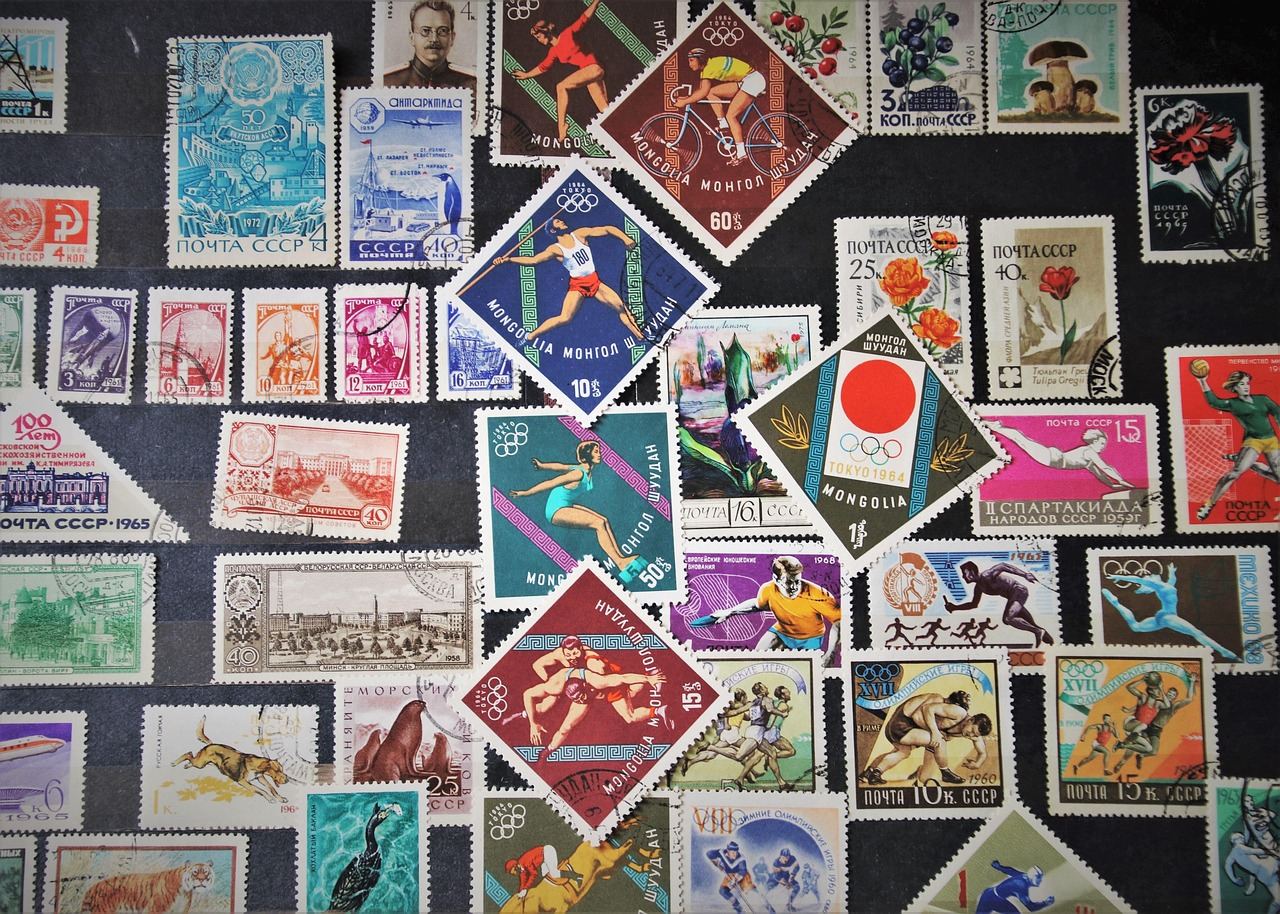
Postal history collecting isn't just about stamps; it's about uncovering real stories from the past that connect you to pivotal moments in history.
Getting started with postal history collecting as a beginner offers a fascinating glimpse into the intricate world of stamps, envelopes, and postal markings that tell the story of how mail traveled – routes, rates, censorship, war, and human movement.
Unlike stamp collecting, the cover (the whole envelope) matters more than any single stamp because the story lives in the combination of markings, not the perforations.
In postal history collecting, participants research, acquire, and curate postal covers, which involves examining details like postmarks, routes, and historical significance. Collectors source unique items from auctions or estate sales, catalog them by theme, and document their findings, often referencing postal directories to uncover the stories behind each cover. This hands-on approach emphasize…
Postal history collecting fosters a flow state through immersive research, where tracing a cover’s journey and deciphering postmarks requires deep focus. It provides incremental skill feedback, as collectors refine their expertise and celebrate milestones in their collections, while also offering social belonging through community ties with fellow enthusiasts. The novelty of discovering the uniqu…
You think this is a hobby for people who sort rubber bands by decade and argue about perforations on internet forums.
Stamps in plastic sleeves. Magnifying glasses. Quiet rooms.
That's the image – and it's almost completely wrong.
A stamped envelope from 1943 isn't a stamp. It's a document. It might show wartime censorship markings, a soldier's APO address, or ink smeared by a censor's glove. The stamp is just the ticket in.
Postal history collectors read routes, not just postmarks – a cover routed through three countries tells you something a history book summarizes in a paragraph. You're holding the actual friction of the moment.
The research is addictive in a way that's hard to explain until you're three hours deep. You pulled one thread about a rural postmaster in 1889 and now you know things about that county that aren't on Wikipedia.
A cover sold at auction in 2021 – a Confederate States mourning envelope – went for over $10,000. Not because of the stamp, but because of where it was postmarked, when it was sent, and what that timing meant in the final weeks of the war.
The stamp was incidental. The story was everything.
The next question is what this actually costs to start – and the answer will surprise you.
Picking out a gem from a dealer's box seems so easy when you watch someone do it. They slide past dozens of covers, then suddenly, a crisp 1847 folded letter emerges. You see the exciting find, not the forty covers they ignored.
Abbreviations look like a foreign language and postmarks often require a reference book. Expect prices all over the map and second-guess your initial buys.
Week one feels like a gamble. You purchase a cover that's appealing, but you're unsure about the price. Research follows, not precedes, the purchase.
By week two, you realize the breadth of "postal history" and the need to focus. Without choosing a specific interest — a country, route, or era — you risk accumulating random items.
Week three brings clarity. Postage rate tables start making sense, shifting your perception of both ignored and favored covers.
In week four, you encounter a cover that tells a complete story. Origin, route, rate, destination all align, and understanding it feels different than reading about it.
It's not about stamps; it's about deciphering historical mail. This skill takes time to develop, but once it clicks, the hobby becomes rewarding.
Before your first session, familiarize yourself with manuscript rate markings and printed handstamps. Dealers talk fast, and identifying these can prevent you from nodding through valuable information.
When to start: Morning
Duration: 1 hour
Cost to try: $15
Success criteria: If you identify each envelope’s country, date, and postmark, and log one matching historical fact for all 5, do session 2.
Stamps may catch your eye, but the real tale is in the postmark. Many new collectors ignore it, missing crucial details.
The cancel shares the date, origin, and route of the mail.Spend 10 minutes learning to read postmarks to unlock these stories.
Beginners often mistake all old mail for genuine artifacts. This happens because dealers don't always distinguish philatelic covers. These were created for collectors, not mailed in daily life.
Look for telltale signs: exact franking, addresses to dealers or P.O. boxes, absence of return addresses.
Collecting from one country seems organized, but lacks depth. You end up with pieces you can't fully appreciate or assign value to.
Concentrate on a mail route or period, like domestic mail from 1851–1860, to build informed expertise.
Standard photo albums ruin covers over time. Plastic sleeves release chemicals, yellowing or damaging the paper.
Go for acid-free, PVC-free polyester sleeves designed for philatelic or archival use right from the start.
Seeing only the front of a cover misses crucial information. Beginners don't check the back for transit marks or endorsements.
Always examine the reverse side to discover valuable backstamps that may uncover historical significance.
Postal history collecting happens mostly at home, but the real excitement is at stamp shows, philatelic exhibitions, antique fairs, and society meeting rooms.
Start with the American Philatelic Society dealer and club locator. Their website, americanphilatelic.org, lets you filter by "postal history" instead of general "stamp collecting."
Tell the room you're new and specifically interested in postal history. This distinction will connect you with the right people immediately.
Expect to leave with valuable contacts, a lending stack, and tips on buying your first covers—better than any online guide.
Before the invention of adhesive stamps in the 1840s, letters featured manuscript or handstamp rates. These are among the rarest and most historically rich pieces.Ideal for those who prioritize history over philatelic value. Prices range from $10–30 for common pieces, but colonial-era examples can rapidly escalate in value.
These letters were opened and resealed by military or government censors during WWI, WWII, or the Cold War. The resulting tape, stamps, and markings offer stories that typical mail can't.Perfect for collectors drawn to wartime events or political intrigue. WWII examples are affordable and accessible, making it an easy start for beginners.
Recoveries from plane crashes, shipwrecks, or train disasters usually include explanation labels. These are inherently rare due to their survival from disasters.Ideal for those wanting high drama with low volume. Prices start at $50–100 for even less significant incidents.
Mail posted aboard ships gets canceled at the next port. The appeal is in the routing – what path it took and what ship carried it.Great for geography and maritime history enthusiasts
These commemorative covers from inaugural airmail flights often feature cachets and pilot signatures. Although many exist, resulting in low value, they're a low-cost entry point for beginners, just ensure you check scarcity before purchasing.
If the texture of this appeals to you, Thematic Stamp Collecting is built on similar bones.
Genealogy is a sibling pursuit and often surfaces the same kind of curiosity.
In postal history collecting, the key is reconstructing mail routes.
Most beginners focus on rare stamps—condition, catalog value, famous issues.
Route reconstruction reveals how mail traveled between sender and recipient. Every marking and backstamp tells a part of the story.
Think practically: which postal treaty applied, what do the rate and manuscript markings indicate, and does the sequence of postmarks align with the claimed route?
With route reconstruction, you buy with confidence.
You'll spot covers that genuinely tell a compelling journey, distinguishing the rare from the ordinary.
Imagine finding a cover with a detour through a forwarding office during a treaty dispute.
It's worth ten times more than a clean envelope if you can decipher the route.
Thirty days and six sessions. That's the test: tackle postal history twice a week for one month, gradually moving beyond sorting envelopes to discovering the story behind one piece.
If you consistently found reasons to return to your collection, that's the hobby pulling you in. Consider narrowing your focus to a specific route, era, or country instead of accumulating randomly.
If you participated without much excitement, notice what you were dealing with. Feeling indifferent toward generic covers is typical, but if a unique piece with history doesn't intrigue you, it might be time to stop.
If researching felt tedious and collecting felt cluttered, recognize that this hobby suits those captivated by historical papers. Without that interest, you're left with costly piles and confusion.
Curiosity about context—like reading old letters online just for interest—is key. If you've never felt pulled to find out why a rate changed or which hands touched it, six sessions won't spark that engagement.
Looking for something lighter? Our boredom-busters guide is built for exactly that.
Postal history collecting involves acquiring and studying stamps, postmarks, envelopes, and other mail artifacts to learn about communication and culture throughout history. You can start by purchasing affordable vintage postcards and letters from online marketplaces, local antique shops, or stamp dealers, then gradually organize them by era, region, or theme as you develop your collecting interests.
You can begin collecting postal history for under $50 by purchasing mixed lots of old letters and postcards from estate sales or online auctions. As your interest grows, you might invest in storage supplies (albums, folders) and higher-value pieces, but the hobby accommodates any budget—from casual browsing to serious collecting.
Value depends on rarity, age, historical significance, condition, and the quality of the stamp or postmark. A letter bearing an unusual or early stamp, sent during an important historical event, or displaying a rare postal marking can be worth significantly more than a common piece from the same era.
Basic archival supplies—acid-free folders, sleeves, and storage boxes—help protect your collection from damage and deterioration. While specialized equipment like magnifying glasses and stamp mounts can enhance your collecting experience, you can start with simple organization tools and upgrade as your collection grows.
You can grasp fundamental concepts within a few weeks of casual reading and collection browsing, but deepening your knowledge about specific regions, eras, or postal systems is an ongoing journey. Many collectors spend years developing expertise, which is part of the hobby's appeal.
Yes, you can research, purchase, and catalog items entirely online through auction sites, dealer websites, and digital archives. However, many collectors enjoy the tactile experience of visiting antique shops and estate sales, which adds another dimension to the hobby and sometimes yields better deals.