BoredomBusted — Find Your Next Favorite Thing To Do
Discover hobbies, activities, places, and ideas that spark joy. Whether you're looking for something creative, active, social, or relaxing, BoredomBusted helps you find your next favorite thing to do.
Browse our hobby guides, things-to-do collections, and place ideas to never be bored again.
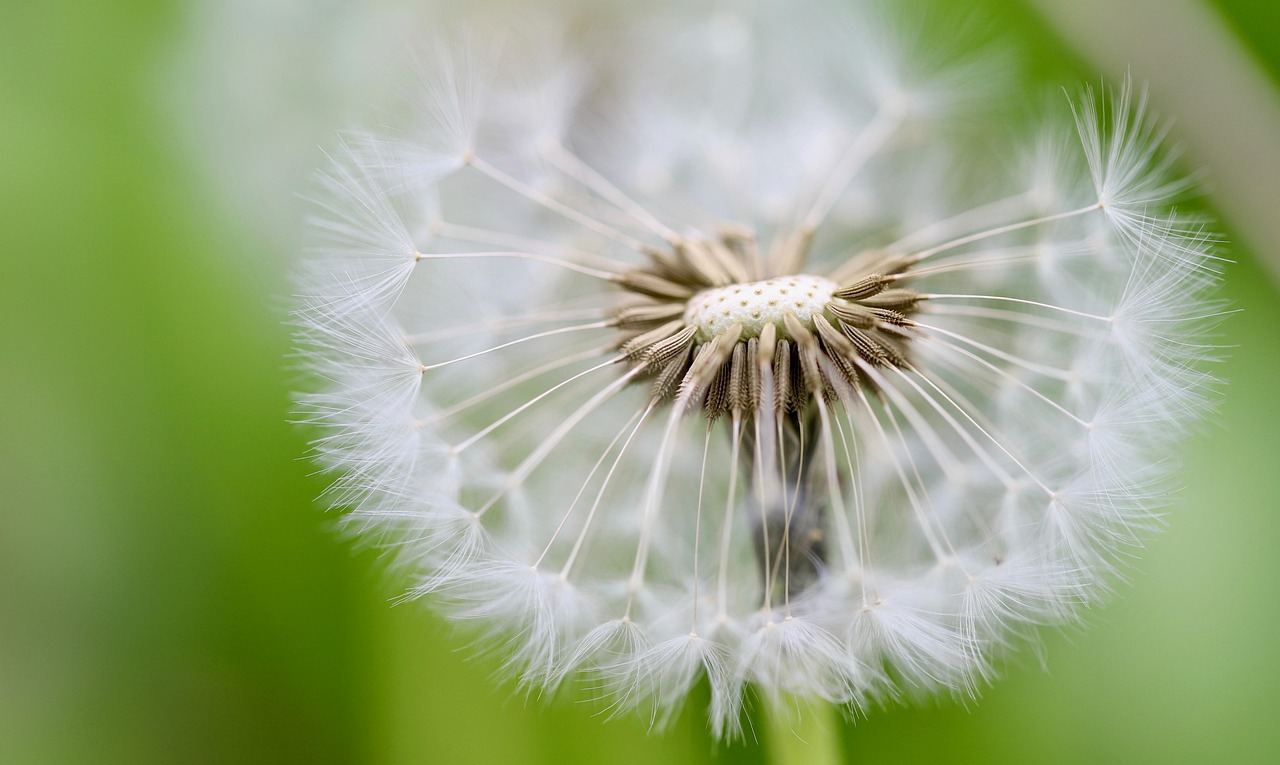
Seed saving isn’t just about preservation — it’s a multi-step ritual that cultivates flow and creativity in your gardening process.
Getting started with seed saving as a beginner involves collecting seeds from your healthiest plants and preparing them for storage until the next growing season.
You harvest, dry, and store seeds before the plant dies – then replant them the following year.
Unlike gardening broadly, the focus is on selection and continuity: you're actively shaping future plants, not just growing what someone else bred.
In seed saving, you engage in seasonal tasks like selecting ripe plants, harvesting seeds, processing and drying them, and meticulously storing them in labeled containers. This involves hands-on activities such as snipping flower heads, shelling pods, fermenting wet seeds, and organizing your collection in cool, dark places for future planting.
Seed saving induces a flow state through intricate, multi-step rituals that require focused attention, while providing immediate feedback on your successes with visual cues. The sense of accomplishment grows from nurturing plants over time, as you transform single crops into abundant yields, fostering creativity in selecting and preserving plant traits.
You think seed saving is just not throwing away the seeds. Scoop them out, let them dry on a paper towel, done. But that assumption is costing you a garden full of plants that look right but produce nothing worth eating.
Seed saving is selective breeding on a personal scale – every time you choose which plant to save from, you're nudging that variety toward your specific soil, your climate, your taste.
The "dry and store" part is maybe 10% of the skill – the real work is knowing which individual plant deserves to become next year's crop, and why.
Open-pollinated vs. hybrid isn't just trivia – save seeds from the wrong tomato and you'll grow something completely unpredictable, not a copy of what you loved.
Picture a gardener in Vermont saving seeds from her earliest-ripening tomato plant every year. By year four, her tomatoes ripened two weeks earlier than her neighbors' store-bought plants, under the same conditions. She hadn't bought a special variety. She'd made one.
That selection process is a skill – and like any skill, it has a starting point that's simpler than you'd expect.
Watching seed harvesting videos feels peaceful. Hands moving quietly, seeds organized in paper envelopes. But your first go? A mushy tomato, three wet paper towels, and the feeling you might not be doing this right.
The romance is gone. What you expected has turned into fermenting jars, seeds that won't sprout evenly, and zucchinis you forgot to pick in time.
The process begins confusingly. Tomatoes come first. Then you wonder if three days of staring at a moldy-looking jar is normal. It is. When dry seeds like peppers come next, you start a notes document you'll never look at again.
Your test batch sprouts unevenly. Now you're guessing: were the seeds bad, was the soil too cold, or did you dry them wrong? This state of not knowing what's working will continue until you realize each crop needs its own tailored approach.
Everything seems like it's in chaos, but that changes once you start to see each plant as its own unique project. Wet-processed seeds like tomatoes and squash need a few days of fermentation. Skipping this step means your stored seeds might rot without you realizing until it's too late next spring.
When to start: Early morning
Duration: 1 hour
Cost to try: $0
Success criteria: If you filled at least 3 labeled paper envelopes with mature seeds and logged each plant’s name and harvest date, do session 2.
Hybrids dominate garden centers, yet the packaging rarely warns you that these seeds won't breed true. If you see F1 on the label, the seeds are a genetic roll of the dice. Go for open-pollinated or heirloom varieties. They'll produce consistent results year after year.
Seeds can look ready while the fruit still isn't past its prime. They need to reach full maturity on the plant. Wait until fruits are beyond eating and start drying or fermenting naturally.
Seeds often feel dry before they truly are, leaving deadly moisture trapped inside. Spread them on a labeled paper plate, and let them sit in a warm, airy spot for a few weeks before sealing.
Ziplock bags may breathe, allowing moisture to seep through.
Moisture leads to rotting and reduced germination rates over winter.
Use small glass jars with tight lids, include a silica gel packet, and store in a cool, dark space. Consistency beats perfection.
Different zucchini varieties planted close together will cross-pollinate. It won't be obvious until next season's strange offspring appear. Isolate varieties by spacing them or staggering growth cycles. Consider hand-pollinating and covering blossoms to prevent insect access.
You can save seeds wherever you grow your plants. A community garden plot, a home garden, or just a corner of an allotment works.
No special setup is needed—just regular access to the same plants all season.
Contact your county cooperative extension office. They host workshops and might know of unlisted local events.
Start with a simple introduction like, "I'm new and learning the ropes." You'll usually leave with easy seeds to practice on, guidance on harvest timing, and an invite to the next swap event.
Most start by saving seeds from their garden. Knowing the variants helps you avoid an approach that doesn't suit you.
Saving seeds from open-pollinated varieties ensures they breed true to the parent plant. Great for beginners wanting a reliable process. Requires just envelopes and a dry storage space.
Heirloom saving uses open-pollinated methods but adds a historical touch, with varieties over 50 years old. Ideal for those who value legacy and stories. It's the same process but involves higher upfront costs for quality heirloom seeds.
Isolation growing prevents cross-pollination by separating plants. Unnecessary for single varieties, but essential when multiple types are side by side. Building isolation cages involves some material cost.
Contributing to a seed library means saving seeds for donation and trade. Great for those who need external deadlines to stay motivated. Most libraries guide you on standards without extra cost.
Wet-process seed saving involves fermenting vegetables like tomatoes and cucumbers to strip the gel coat. Consider it a separate skill set. Three days in water completes the task, but beginners often overlook it.
If this resonates, Beekeeping explores a similar direction.
Readers who enjoy this often gravitate toward Animal Tracking next.
Kayak Fishing is a sibling pursuit and often surfaces the same kind of curiosity.
Most beginners focus on drying time and storage. The real challenge is picking the right plants to save.
The crucial skill is selecting the best plants before harvest. Walk your garden mid-season to tag the healthiest and earliest-maturing plants. Ignore the rest when it's time to save seeds.
Selecting early lets you save genetics from top performers, not just those that happen to survive. Skip this and you might end up saving genetics of plants that fruited late or didn't handle stress well. Ever wonder why your seeds don't outperform store-bought ones? This is why.
Tagging plants at their peak is key. Use a visible marker like a ribbon or stake as soon as you identify a plant worth saving.
Log each tagged plant with the date, reasons for tagging, and the trait you're focusing on.
Start with one variety to see the difference in saved seed offspring next spring.
Spend 30 days with 4 dedicated sessions, roughly one per week. This schedule aligns with seed harvesting, processing, drying, and storing—the exact cycle.
Reading seed catalogs late at night, or caring deeply about seed dryness indicates genuine interest. The process's slow pace didn't bore you but intrigued you. Consider planning your next year specifically for seed saving instead of merely using leftovers.
Tasks were done without excitement or dread—just tasks. This hints you might prefer growing to seed saving. Trying a season focused on rare or heirloom plants could clarify your interest. If nothing changes, that's a valid conclusion too.
Drying racks seemed like clutter, and tracking seeds felt tedious. This isn't about discipline—it's about compatibility. Accept it for what it is, and pivot to what genuinely interests you.
Saving just one packet as an afterthought, then repeatedly wondering about its viability months later, suggests the waiting builds anticipation, not frustration. That's when you know it fits.
Want broader ideas first? Our list of hobbies gives you the lay of the land.
When you don't want to commit, things to do when bored is a better starting point.
Heirloom seeds breed true to type, meaning saved seeds will grow plants identical to their parents—perfect for beginners. Hybrid seeds produce unpredictable offspring, so saving them is generally not worthwhile. Start with heirloom varieties to ensure your saved seeds produce reliable results.
Most vegetable seeds remain viable for 3–5 years when stored properly in a cool, dry place. Longer-lived seeds like beans and peas can last 5–8 years, while shorter-lived seeds like carrots and onions may only last 2–3 years. Check viability by performing a germination test before planting old seeds.
You'll need basic supplies: paper bags or envelopes for storage, a drying area (like a warm shelf), labels for organization, and optionally a humidity/temperature monitor. Most seed savers keep seeds in a cool basement or refrigerator to extend longevity—no expensive equipment required.
Harvesting mature seeds takes just minutes per plant once they're ready. The main time investment is the drying period, which happens passively over 2–4 weeks without active work. Annual maintenance like labeling and checking storage conditions is minimal if you organize a simple system.
Yes, absolutely—that's the beauty of seed saving. You can harvest seeds from tomatoes, peppers, beans, lettuce, and most vegetables in your garden. Just allow a few plants to mature fully and go to seed rather than harvesting them early for eating.
Not at all—seed saving is beginner-friendly and forgiving. Tomatoes and beans are especially easy since you simply let them dry on the plant, collect them, and store them. Start with one or two crops to build confidence before expanding to more delicate varieties.