BoredomBusted — Find Your Next Favorite Thing To Do
Discover hobbies, activities, places, and ideas that spark joy. Whether you're looking for something creative, active, social, or relaxing, BoredomBusted helps you find your next favorite thing to do.
Browse our hobby guides, things-to-do collections, and place ideas to never be bored again.
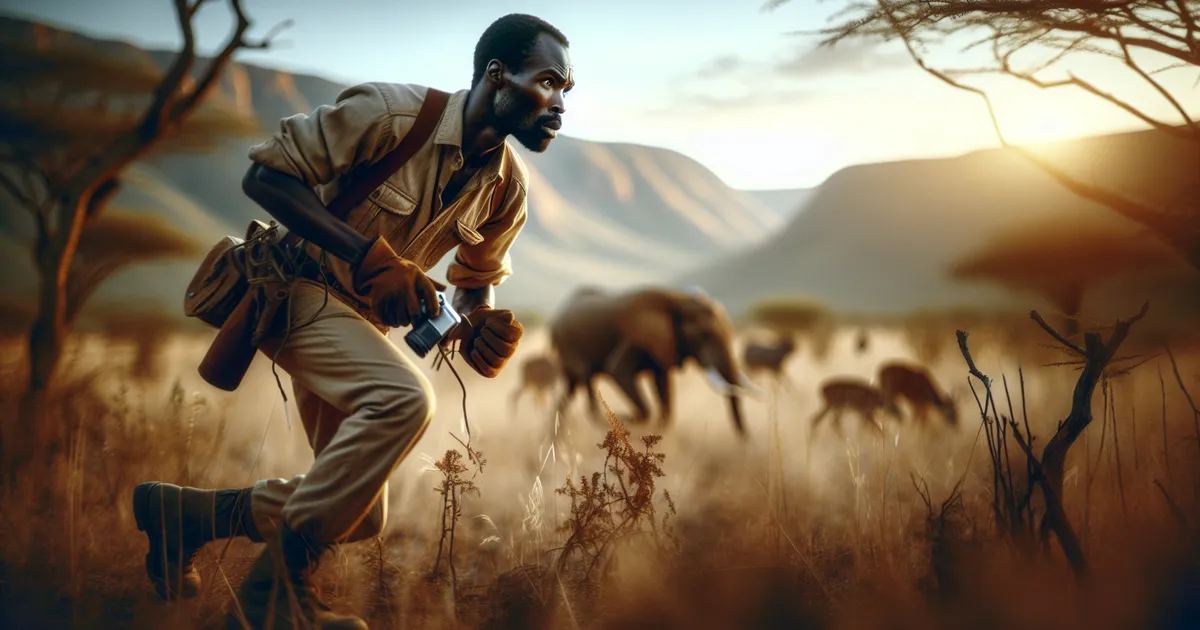
Animal tracking isn't just about footprints — it’s a story unfolding in the mud, where each mark reveals an animal's secrets and choices in real-time.
Getting started with animal tracking as a beginner involves learning to read physical evidence like footprints and scat to identify which animals have passed through an area and reconstruct their behavior.
Unlike wildlife photography or birdwatching, you're not waiting for animals to appear; you're piecing together a story they left behind without knowing it.
In animal tracking, enthusiasts venture into natural settings to search for and analyze physical signs of wildlife, such as footprints and scat, closely examining these clues to identify species and understand their behaviors. They measure track dimensions, observe patterns, and may document findings through sketches or photographs, immersing themselves in the landscape while maintaining stealth …
Animal tracking engages participants in a flow state through skill feedback loops, where the immediate recognition of animal tracks and signs provides rapid, intrinsic reinforcement, enhancing awareness and immersion. As practitioners solve the puzzles of wildlife behavior and timing, they build expertise and experience a sense of mastery, preventing feelings of routine and creating a deep connec…
You think animal tracking is about finding footprints and guessing what walked by. Maybe it's a survival skill, maybe it's something rangers do — either way, it's not really a hobby.
Tracking decodes an animal's decision-making — every mark in the ground tells you how it moves through the world. Slope, wind, and sun exposure start popping out of terrain you used to walk straight past.
Animal tracking is also one of the only hobbies where your phone stays in your pocket the whole time. Your eyes do the work. That's where the engagement lives.
A red fox crosses a muddy trail at 6am. The print isn't just proof the fox existed — the depth of the heel tells you it was trotting, not fleeing. The direction it veered tells you where the wind was coming from.
Fifteen minutes. One set of tracks. A small, true story reconstructed from mud. The instinct to build those stories becomes addictive fast — and it starts the moment you correctly read your first print.
Tracking seems peaceful and simple when you watch it online. The reality is different. You find yourself staring at the ground, unsure if you're seeing a track or just an indentation where a stick fell.
Feeling lost doesn't mean you're failing. It's a sign you're in the real experience, not the curated version.
At first, you'll crouch over potential prints with no idea what animal left them — or even if they're tracks at all. That gap between what you expected from videos and what you're actually experiencing is the learning curve. Nobody warns you about it.
The real work happens in the hours when you see nothing. Your brain is building a search image — learning what doesn't count so it can start recognizing what does. That frustrating emptiness is the training.
When you do spot a clear print, the thrill is real. But photograph it immediately — with a ruler or your hand for scale next to it. A photo without scale is nearly worthless when you try to identify the species later. The next section covers the mistakes that keep beginners stuck in that frustrating phase far longer than necessary.
When to start: Early morning
Duration: 1.5 hours
Cost to try: $0
Success criteria: if you finished without identifying at least one animal track or sign, do session 2.
Photos seem sufficient until you're puzzled between a coyote and a dog track at home.
Use a ruler or coin for scale in every track photo. Size details can differentiate species when shapes fail.
Fixating on one perfect print misses the larger picture. The pattern reveals gait, speed, and behavior.
Step back to capture at least 10 prints. Stride and straddle measurements are crucial before identifying species.
Tracks fade quickly in soft mud or snow. Poor light flattens them further, killing contrast on the faintest impressions.
Go within two hours of sunrise for the best visibility. Low, angled light highlights even the faintest tracks.
In suburbia, tracks get labeled raccoon by default. That snap ID skips opossums, feral cats, and a dozen other possibilities sharing the same habitat.
Force yourself to name three potential species before committing to one. Then eliminate options by comparing toe count, claw marks, and heel shapes in a field guide.
Snow feels like the easy mode of tracking, so beginners wait months for it. That gap kills the repetition that actually builds the skill.
Muddy stream banks and dusty trails hold prints just as well as snow. Track those spots regularly year-round and you'll accumulate far more practice hours than the snow-only approach ever allows.
Animal tracking works in most wild terrain — national forests, state parks, wildlife refuges, and local nature preserves all deliver. You don't need remote wilderness. A county nature preserve twenty minutes away will have mud, snow, or soft soil with stories in it.
Start with the CyberTracker network — it's the fastest route to a qualified mentor. Their evaluator map lists certified trackers by state, and those people are embedded in local tracking communities. One email to a CyberTracker evaluator near you can open up field sessions, informal study groups, and gear advice.
Wilderness Awareness School affiliates and tracker schools run regular community events, including free introductory walks. Check their event calendars before paying for anything. Meetup.com is also worth a search — try "nature tracking" or "wildlife tracking" plus your city for small regional groups doing regular outings.
Facebook Groups fill the gaps between organized events. Search "animal tracking [your region]" and you'll find people posting fresh finds, flagging locations, and swapping ID questions. Tell any group you're a beginner — experts engage harder when they know you're new, not less.
This is reading prints, scat, trails, and disturbed vegetation. It's the foundation everything else builds on.
No meaningful gear cost beyond a field guide and perhaps a ruler. The best entry point for newcomers.
Motion-triggered cameras along trails or near water sources capture footage automatically. The animals do the work, but you still need to read the landscape well enough to place the camera right.
Entry-level trail cameras run $40–$80 and suit those who prefer hard evidence over field inference.
Winter tracks are clean, deep, and easy to read. Snow compresses a season's worth of practice into a few cold mornings — serious trackers consistently credit winter conditions for rapid skill development.
No extra gear required. Dress for the cold and go.
Identifying animals by calls, movement sounds, and ultrasonic bat activity. It overlaps heavily with birding, but the learning curve is steep without a trained ear and real patience for audio work.
Hold off on this variant until you're hooked. Bat detectors and quality mics add up fast.
The same skills apply in parks, greenbelts, and neighborhoods. Urban mud holds raccoon, fox, and coyote prints just as clearly as any backcountry trail — and you can practice any morning before work.
No travel required. This is where most city-based trackers find their footing.
Readers who enjoy this often gravitate toward Bonsai next.
If the texture of this appeals to you, Beekeeping is built on similar bones.
For something adjacent, see Seed Saving.
Most beginners get sidetracked by memorizing track shapes like deer hoofs and raccoon hands. This approach plateaus quickly because animals rarely leave perfect prints.
The real skill is reading gait patterns – the rhythm and spacing of a trail, not individual prints.
Animals have predictable patterns: diagonal walkers, bounders, gallopers, and waddlers. Recognizing these patterns, even in minimal disturbances, lets you identify likely animals before seeing a clear print.
With gait reading, you stop relying on perfect tracks. A partial smudge in leaf litter becomes valuable; spacing reveals the maker.
Missing this skill leaves you dependent on single prints and guessing when conditions aren't ideal.
The tracker who can read gaits works in snow, dry dust, wet sand, and deep grass. Everyone else only tracks on perfect mud days.
Commit to 6 sessions over 30 days – roughly one outing per week, with a gap week built in.
Tracking benefits from repetition and varies by season. You'll get different conditions that change what's visible in the field.
You're stopping mid-trail to observe details others miss. This isn't luck – your brain is rewiring toward noticing. Dig into a field guide for your area and start a track journal to deepen your knowledge.
If the outings felt neutral, it might be because you lacked guidance. Consider joining a guided outing or local naturalist group for more structure. One session with them is eye-opening compared to going it alone.
Counting down the time? Mud, patience, slow movement, uncertain answers are part of the entire experience. If it felt like drudgery, that's a clear sign to explore other hobbies.
You're watching videos of track identification at midnight, not for a trip or gear – just absorbing someone explain why a heel pad means white-tailed deer, not coyote. That curiosity signals you're on the right track.
Not ready to pick a hobby yet? The boredom busters page has smaller things to try first.
You can start with just a notebook and camera to document tracks and signs. As you progress, consider investing in a tracking guide specific to your region, a hand lens for close inspection, and comfortable hiking boots. Most beginners find that binoculars and weather-appropriate clothing are equally valuable for extended outdoor observation.
You can recognize common tracks in your area within a few weeks of regular practice, though mastering subtle distinctions takes several months. Progress depends on your local wildlife variety and how often you get outdoors—consistent weekend outings will accelerate learning faster than occasional trips.
Yes, tracking is generally safe when you stay alert to your surroundings and follow basic wilderness safety practices. Avoid tracking during dark hours, be aware of predators in your region, inform someone of your location, and stick to marked trails when starting out.
Your trackable wildlife depends entirely on your geographic location—look for a regional guide or contact local wildlife agencies to learn which species live near you. Urban and suburban areas often have raccoons, squirrels, and birds, while forests host deer, foxes, and bears depending on the region.
Animal tracking costs almost nothing to start—you can begin with items you already own like a notebook and phone camera. Essential investments like regional tracking guides ($15–30), binoculars ($50–150), and field gear spread the cost over time, making it one of the most budget-friendly outdoor hobbies.
Winter is ideal because snow reveals tracks clearly, making identification easier for beginners. However, spring and fall offer good tracking conditions too, while summer can be challenging since vegetation covers signs and dry ground doesn't hold prints as well.