BoredomBusted — Find Your Next Favorite Thing To Do
Discover hobbies, activities, places, and ideas that spark joy. Whether you're looking for something creative, active, social, or relaxing, BoredomBusted helps you find your next favorite thing to do.
Browse our hobby guides, things-to-do collections, and place ideas to never be bored again.
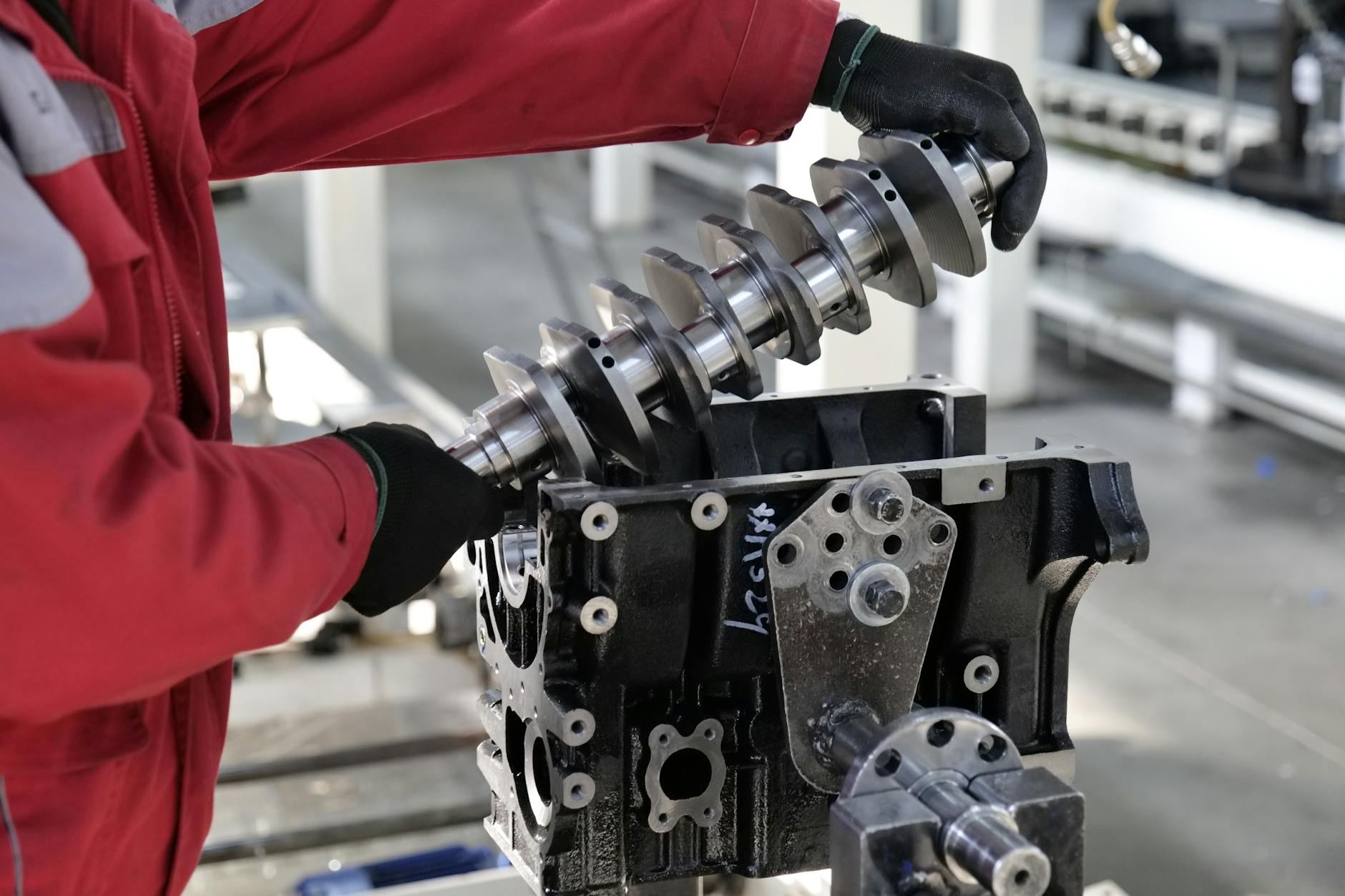
Engine rebuilding isn't just for mechanics with huge shops; it's a classroom for systematic thinking and understanding how every engine tells a story.
Getting started with engine rebuilding as a beginner involves understanding the fundamentals of disassembling an engine, assessing wear, and determining which parts need replacement or machining.
The engine is the project itself, not just a step to getting a car running.
Engine rebuilding involves disassembling an internal combustion engine, inspecting and cleaning components, precision machining parts, and then reassembling everything with new gaskets and seals, often requiring detailed planning, systematic organization of parts, and the use of specialized tools.
This hobby induces a flow state through intense focus on sequential challenges, provides immediate skill feedback from tangible progress, and fosters a sense of accomplishment by transforming a neglected engine into a functional machine, all while offering creative expression and social belonging within the rebuilding community.
You think engine rebuilding is a mechanic's job. Something reserved for those with a lift, a workshop, and years of experience.
That assumption is costing you one of the most satisfying skills a person can build in a garage.
Engine rebuilding is a diagnostic education – every worn part tells you a story about how an engine lived, and you learn to read it like a language most people never pick up.
The real skill isn't muscle or machinery – it's systematic thinking, the ability to follow a sequence without shortcuts, which transfers to every mechanical problem you'll ever face.
You're not just fixing metal – you're building a mental model of how controlled explosions become forward motion, and that model changes how you see every car you'll ever drive.
A guy named Marcus rebuilt a 1978 Toyota 2TC engine on a folding table in a rented storage unit. No lift. No air tools. Just a torque wrench, a factory service manual, and three weekends. That engine still runs.
The tools stopped being barriers years ago – and they're simpler than you're already assuming.
Hands deep in grease, the engine doesn't resemble the neat YouTube tutorials. Your wrench doesn't feel right and things aren't lining up.
Torque specifications might seem like just numbers at first, but you'll soon realize they carry weight. A skipped step throws the whole build off. Each gasket is unique, each sequence crucial. This isn't something you figure out on the fly; it's learned through mistakes.
Week one looks like a scavenger hunt. You're hunting for tools more than touching the engine. By week two, something defies the manual and claims a full session of troubleshooting.
In week three, your first correct assembly feels like a victory. By week four, you're consulting the manual first. The shift from confusion to understanding is noticeable, a payoff for persistence.
After hours of frustration, many feel they've picked the wrong project. But this is where real skill develops, speeding up each future rebuild. Always buy the OEM service manual specific to your engine, not a generic guide.
When to start: Early morning
Duration: 2 hours
Cost to try: $50
Success criteria: if you finished without damaging any parts, do session 2.
Torquing main and rod bearings without measuring clearances first feels like saving time – it's actually how you build an engine that knocks on first startup.
TTY bolts stretch once and are done. Beginners reuse them because they look fine and seem expensive to replace.
Different metals react differently to chemicals. A cleaner safe for aluminum can pit or corrode iron, and vice versa.
The oil pump doesn't prime fast enough to protect bearings and cam lobes on the very first crank. Those first few seconds without lubrication cause more wear than thousands of miles of normal use.
Piston rings come with a default gap that assumes a standard bore. **A slightly worn or overbored cylinder will push that gap outside spec and kill compression.**
You don't need a special facility to rebuild an engine. A home garage, community makerspace, or vocational workshop all work fine. Just make sure you have a flat surface and good lighting. More space than you expect will come in handy.
Introduce yourself as a beginner eager to learn real teardown and assembly. Experienced rebuilders are usually keen to teach and hand over tools, looking for someone to pass their skills onto.
Restoring back to factory settings with no performance gains. This path ensures reliability and a correctly functioning engine.
Ideal for those who simply need a running vehicle
Parts costs often range from $500–$1,500 depending on size and condition.
Teardown leads to upgrade – pistons, rods, bearings, compression all get boosted. The engine is reassembled faster, stronger, and meaner.
For those who want more than stock performance.
Expect parts costs to double or triple a stock rebuild easily.
Every measurement hits the exact spec center rather than just 'acceptable.' It's detailed, slow, and the result is the most consistent engine possible.
For experienced builders seeking peak performance, especially in racing.
Precision tools like micrometers, bore gauges, and plastigage are necessary investments.
Diesel engines layer in complexity with stricter tolerances and heavier components. Injection systems add challenges.
Great for those confident in mechanical skills and familiar with diesels.
Injector testing and fuel system work may need extra shop visits.
Smaller engines mean a lower-cost, less intimidating experience.
Best for beginners aiming to build foundational skills before moving on to full automotive engines.
A full small engine teardown kit may cost under $200, making trial and error manageable.
Home Improvement lives in the same world — different mechanics, similar appeal.
If this resonates, Raspberry Pi Projects explores a similar direction.
If this resonates, Robotics explores a similar direction.
Sequence awareness distinguishes skilled mechanics. Beginners often dive into torque specs and tools, but the magic comes from understanding the order of assembly steps and their purpose.
Reading assembly logic isn't about knowing where each bolt goes. It's about grasping why the oil groove on a bearing cap must face the crank journal or how a misplaced part could lead to an engine knocking much later. This insight prevents costly mistakes and unnecessary do-overs.
When you understand assembly logic, substitutions that appear harmless won't lead to failures down the road. A reversed thrust washer might look correct at first glance but fails under pressure. This skill prevents the headache of rebuilding an engine a second time when everything seemed fine.
Once you master this, your confidence grows because you understand the engine's language. Next, uncover how mechanical intuition ties everything together.
Commit to 4 sessions over 30 days. Each session should last 2–3 hours minimum. Anything less and you're just cleaning bolts without context.
If engine rebuilding grabs you, you'll feel it immediately. You're watching teardown videos for fun at 11pm, researching the next engine family. This signals mechanical intuition worth developing. Start sourcing a complete project engine instead of practicing on partials.
If you feel indifferent, that's tolerance, not enthusiasm. Try an additional two sessions if you're curious, but overall disinterest usually means the fantasy is better than the reality.
If you dreaded showing up, that's your answer. Fasteners feeling like personal attacks and stress over bolt specs aren't part of the learning curve. It's feedback that this isn't for you.
The true sign: you linger around engines at a junkyard or disassemble small engines out of curiosity. That itch for combustion mechanics signals genuine interest more than any quiz.
Looking for something different? The hobbies list is the easiest way to scan what else is on the table.
A complete engine rebuild typically takes 40–80 hours depending on the engine size and complexity, though some can take longer if unexpected damage is discovered. For beginners working in a home garage, expect 2–4 months of part-time work. Professional shops usually complete rebuilds in 1–2 weeks.
You'll need basic hand tools (wrenches, sockets, screwdrivers), a torque wrench, engine hoist, workbench, and specialized tools like valve spring compressors and ring installers depending on your engine type. A clean, organized workspace and a repair manual for your specific engine are equally important. Many tools can be borrowed or rented from auto parts stores if you're just starting out.
Engine rebuilding requires patience, mechanical aptitude, and attention to detail, but it's achievable for motivated beginners with access to quality resources and support. The hardest part is understanding tolerances, knowing when components are damaged beyond repair, and keeping track of hundreds of small parts. Starting with a simpler engine and following a detailed manual significantly increases your chances of success.
DIY engine rebuilds typically cost $500–$2,500 in parts and fluids, depending on engine size and how many components need replacement. This is significantly less than professional rebuilds ($3,000–$10,000+), but doesn't include tool investments if you're starting from scratch. Factor in the cost of renting specialized tools if you don't own them already.
A rebuild involves disassembling the entire engine, replacing wear parts like pistons and gaskets, and reassembling it to factory specifications, typically for high-mileage engines. An overhaul is less extensive and focuses on restoring specific failed components without rebuilding the entire engine. A rebuild provides a more complete restoration and longer engine life.
Yes, you can rebuild an engine at home if you have adequate space, ventilation, and a secure, organized workspace to keep parts clean and organized. You'll need access to a reliable source of compressed air, proper lighting, and ideally a lift or hoist to safely work on heavy components. However, some tasks like pressure testing or final dyno testing may require professional equipment.