BoredomBusted — Find Your Next Favorite Thing To Do
Discover hobbies, activities, places, and ideas that spark joy. Whether you're looking for something creative, active, social, or relaxing, BoredomBusted helps you find your next favorite thing to do.
Browse our hobby guides, things-to-do collections, and place ideas to never be bored again.
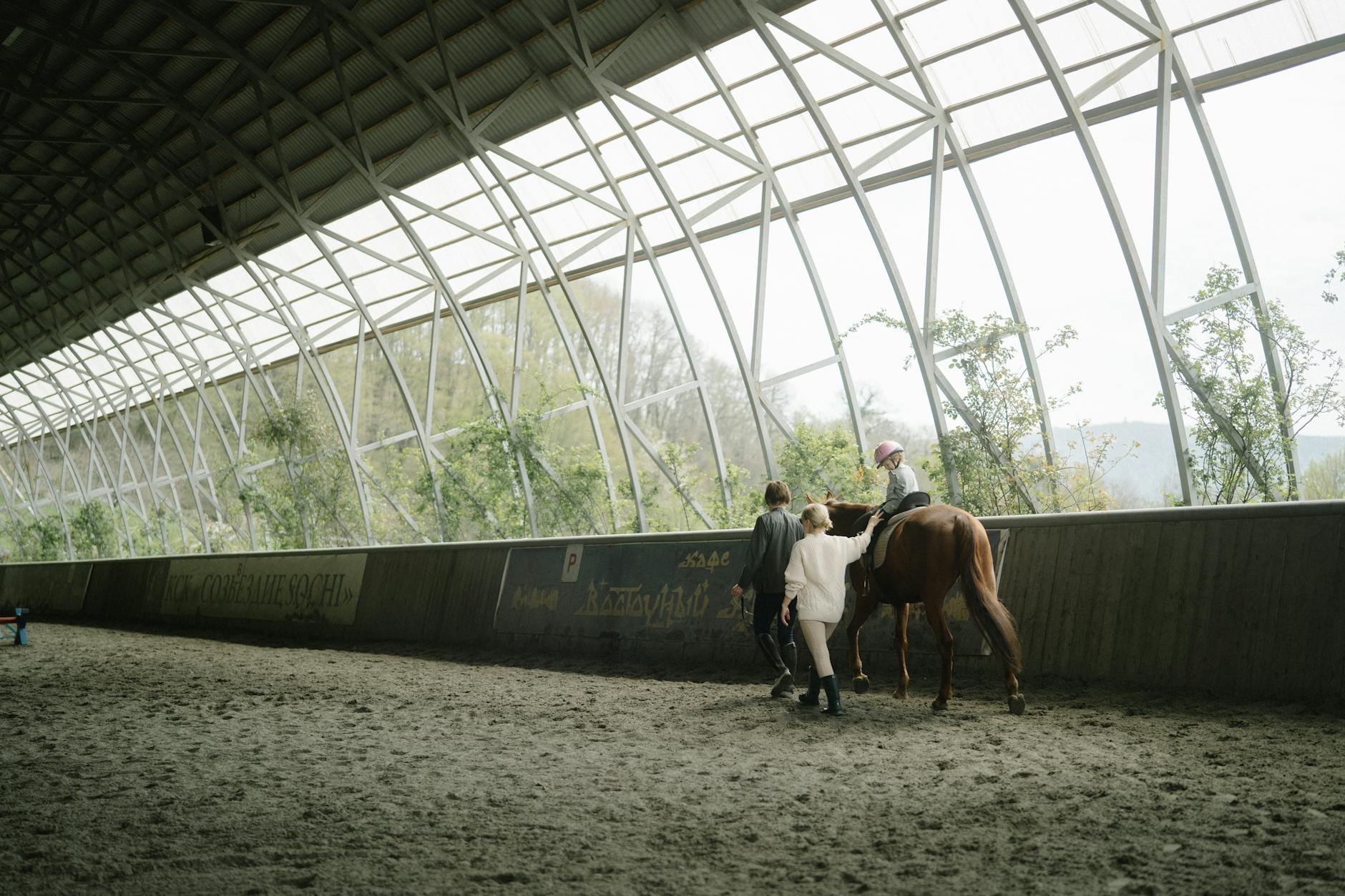
Equestrian sports rely on dialogue over dominance—mastery comes from the horse's choice to cooperate, not your control.
Learning horseback riding as a beginner involves mastering the art of directing a thousand-pound animal with subtle shifts. That's the allure of horseback riding. You control the horse with just weight and pressure.
Equestrian sports offer variety. Jump courses, intricate dressage that mimics dance, and countryside races keep riders on their toes.
Years of practice forge a rider's skills. Balance, timing, and communication are essential to move smoothly with the horse.
In equestrian sports, hobbyists mount and ride horses, focusing on physical actions like maintaining balance, using subtle cues with their legs and hands, and adapting to the horse's movements to execute various gaits and maneuvers, often engaging in sessions that include grooming and cooldown walks.
Equestrian sports create a flow state by requiring intense focus on timing and balance between rider and horse, while skill feedback loops from the horse’s real-time responses enhance motivation and a sense of accomplishment through mastery of techniques like pelvic control and shock absorption.
Equestrian sports aren't about control through dominance. They're about building trust with a 1,200-pound partner. Every gesture counts. Every shift in weight makes a difference.
Precision is essential. Your horse senses your tension, timing, and balance with incredible sensitivity.
Mastery means the horse chooses cooperation. It's not about enforcing compliance.
You'll start your session figuring out how to tack up. The saddle feels awkwardly heavy, and the straps are a puzzle. Halfway through, your instructor might quietly fix some of your early attempts. Next thing you know, you're up on the horse.
Being on the horse is an unexpected experience. You're higher up than you imagined, and the horse's movements are more dynamic than you'd think, even during a walk. Your legs might tremble from holding on too tightly.
The horse will halt suddenly, catching you off guard. That moment of being ignored quickly turns to self-awareness about how little control you really have right now.
A 30-minute walk is unexpectedly demanding on your muscles. Your inner thighs will likely ache, but there's a quiet satisfaction in syncing with the horse's rhythm. It's like having a conversation where you finally stop and listen.
When to start: Morning
Duration: 2 hours
Cost to try: $50 - $100
Success criteria: If you can mount, hold a balanced seat, and complete a short guided ride while keeping steady rein contact, do session 2.
Most early riding frustrations trace back to the same handful of physical habits. Fix these five and your horse will feel like a different animal.
A tight, fisted grip kills sensitivity before you even ask for anything. Hold the reins like you're gently cradling two small cups. Thread them between your pinky and ring fingers — that positioning gives you far more feel on the bit.
Leaning forward is a balance reflex — your body is trying to catch itself. But it throws your weight onto the forehand and makes steering harder. Sit back and stack ear, shoulder, hip, and heel into one vertical line. That alignment keeps you centered no matter what the horse does underneath you.
Horses read your body constantly. A stiff rider creates a stiff horse — it's a feedback loop that gets worse the more anxious you feel. Take a deep breath, drop your shoulders, and actually smile — it physically releases jaw and neck tension. Your horse will soften almost immediately when you do.
Gripping with your legs feels like security, but to the horse it reads as a constant "go" signal. Then when you actually want to move forward, there's nothing left to say. Use soft, quiet leg contact as your default — squeeze only when you mean it. That contrast is what makes your aids clear.
Beginners either freeze their hands or let the reins slide completely — both break contact with the bit. Follow your horse's head movement with your hands and elbows, not your whole upper body. That way you stay in consistent contact without pulling or going loose.
Florida stands out as a major equestrian hub. Ocala, known as the 'Horse Capital of the World,' boasts over 2,000 horse farms. Meanwhile, Wellington hosts the Winter Equestrian Festival and Global Dressage Festival. Both feature premier venues like the World Equestrian Center and HITS Ocala Winter Circuit.
The Carolinas offer Aiken, titled the 'Polo Capital of the World,' and Tryon with its International Equestrian Center. Both are excellent alternatives to Florida's pricier scene.
Lexington, Kentucky, provides a rich thoroughbred racing and breeding culture at the recognized Kentucky Horse Park.
Virginia, particularly in Loudoun County and Middleburg, is known for fox hunting and steeplechase events, offering a taste of historic horse country.
Start by finding riding lessons and boarding options. This gets your foot in the door.
Ask about groups specific to dressage, jumping, eventing, or polo to match your interests.
Explore local trails and attend community events and horse shows to build your network.
Unfortunately, there's limited information available about online equestrian spaces like subreddits or Discord servers. For these, a specific search outside the provided resources is necessary.
Dressage is often referred to as "horse ballet". It demands harmony between horse and rider through precise movements. Ideal for those who appreciate elegance and control.
Show jumping involves navigating a course of obstacles efficiently. Success requires speed and accuracy. Best for thrill-seekers who thrive on adrenaline.
Eventing is an "equestrian triathlon" with dressage, cross-country, and show jumping phases. The top pick for those craving diversity and challenge.
Cross-country requires navigating natural obstacles over fields and woods. Great for those who enjoy open landscapes and outdoor thrills.
Endurance riding tests long-distance stamina over tough courses. Perfect for those with a strong sense of pacing and adventure.
Readers who enjoy this often gravitate toward Rugby next.
Paintball lives in the same world — different mechanics, similar appeal.
Another variant that pulls from the same roots is Jet Skiing.
Reading and responding to the horse's weight shifts is crucial.
Most riders focus on hands and legs. Yet your seat is the primary communication channel. Learn to feel when the horse is balanced or braced. Notice shifts forward or back.
Adjust your position as needed.
This turns riding into an intuitive experience, not a battle of conflicting cues.
Try three riding sessions over the next month. Spread them out to see if the novelty sticks or fades.
If you're thinking about the next session before this one ends, you're hooked. Horses aren't just a hobby; they're a passion. Start looking into upgrading your gear or booking more lessons.
If the sessions felt like a chore, it might not be for you. Before deciding, try a different instructor or style of riding. Sometimes a change in approach makes a big difference.
If you dread the idea of being around horses, that's a strong signal. It's totally fine to explore other interests that align better with your lifestyle or comfort level.
The one sign you shouldn't ignore is looking up riding techniques or horse care tips late at night. That's how you know it's more than a passing interest.
Equestrian Sports is a deeper commitment than most boredom cures — for lighter options, check things to do when bored.
Initial costs typically range from $1,000–$3,000 for basic gear (helmet, boots, riding clothes, and gloves), plus ongoing expenses like riding lessons ($40–$100 per hour) and stable fees ($200–$600+ monthly depending on location). Many beginners start by taking lessons at a riding facility before investing in their own equipment.
Most children can begin basic riding between ages 4–6, though formal instruction typically works best from age 7 onwards when coordination and focus improve. Adults of any age can start equestrian sports—many facilities offer beginner programs specifically designed for adult riders.
Basic riding competency typically takes 6–12 months of consistent lessons (1–2 times per week), though developing advanced skills like jumping or dressage requires 2–3+ years of dedicated practice. Progress depends on individual athleticism, practice frequency, and natural aptitude.
The primary disciplines include English riding (jumping, dressage, eventing), Western riding (barrel racing, roping), and recreational trail riding. Each has different techniques, equipment, and skill requirements depending on your interests and goals.
Like any sport involving animals, there are risks of falls and injuries, but proper training, quality equipment (especially helmets), and experienced instruction significantly reduce hazards. Most injuries are preventable through adherence to safety protocols and gradual skill progression.
Essential gear includes an ASTM-certified riding helmet, boots with a heel, riding pants or jeans, and gloves. Additional items like a saddle, bridle, and other tack are typically provided by riding facilities for beginners, so you can start without buying everything upfront.