BoredomBusted — Find Your Next Favorite Thing To Do
Discover hobbies, activities, places, and ideas that spark joy. Whether you're looking for something creative, active, social, or relaxing, BoredomBusted helps you find your next favorite thing to do.
Browse our hobby guides, things-to-do collections, and place ideas to never be bored again.
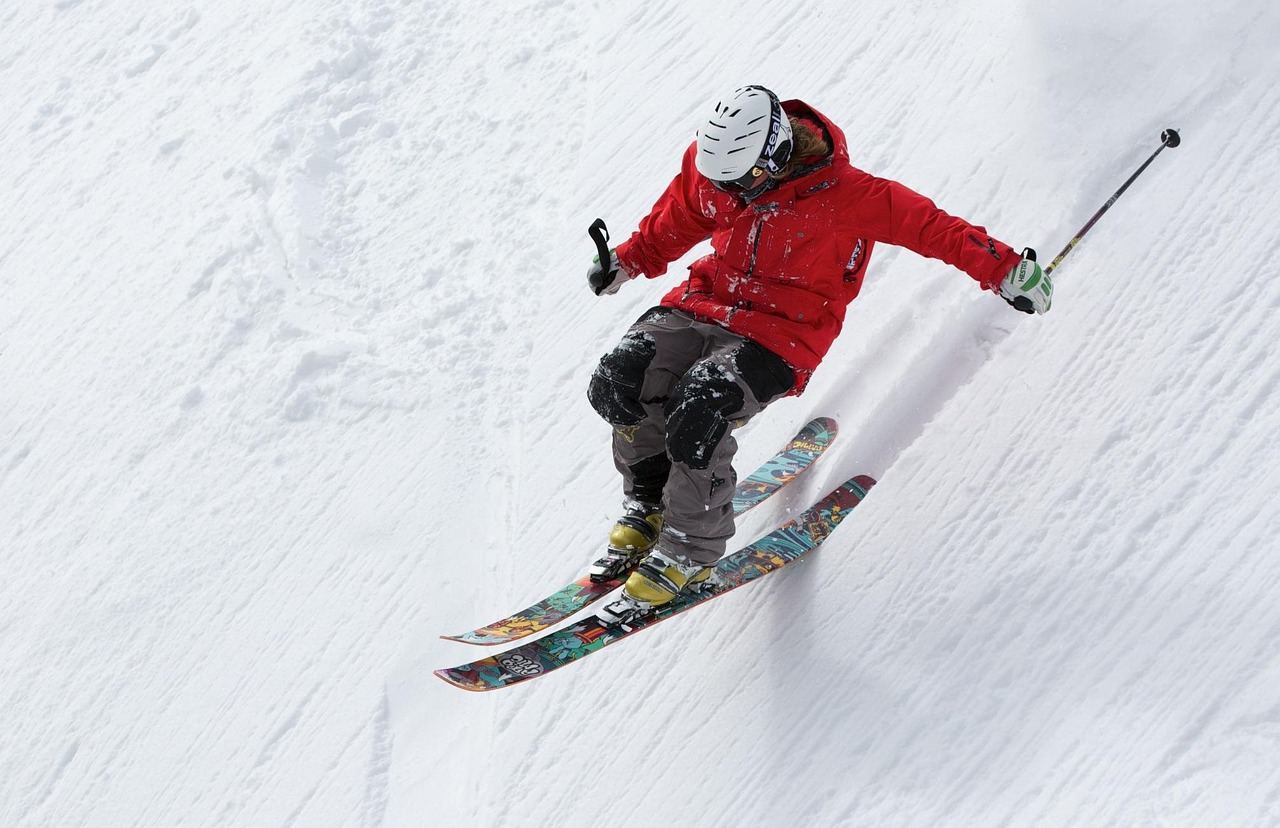
Most quit skiing after one try, thinking 'not falling' is the goal—but it’s about mastering edges and reading the mountain's ever-changing puzzle.
Getting started with alpine skiing as a beginner involves learning to navigate snow-covered slopes on fixed-heel skis, using body weight and edge control to carve turns and manage speed.
Unlike cross-country skiing, you're not powering yourself forward – gravity does the work, and technique determines whether that's thrilling or terrifying.
In Alpine Skiing, you ride chairlifts to reach the top of groomed slopes, then descend while executing linked parallel turns by edging your skis and shifting your weight to carve arcs through the snow, adjusting your body position and rhythmically planting poles for balance throughout various terrain.
Alpine skiing induces a flow state through high-speed spatial anticipation and precise edge control, enabling you to experience total immersion as you match your skill to the dynamic slope conditions, while immediate feedback from your performance fosters a sense of accomplishment and mastery absent in static activities.
Alpine skiing looks like an expensive hobby for people who enjoy going fast and looking good doing it. You tried it once, rented stiff boots that wrecked your shins, and decided it wasn't for you.
That read is almost universal among people who quit after one trip. And it misses what skiing actually is.
Skiing is a movement puzzle that resets every run. Balance, edge angle, terrain reading — the mountain keeps changing the question, and you're constantly answering it with your body.
Most beginners plateau at "not falling" and assume that's the game. It isn't. Past that threshold is where you start choosing lines, reading snow texture, and negotiating with physics in real time.
Not falling. Controlling speed. Picking a line. Those are three completely different skills — and most casual skiers never make it past the first one because nobody tells them the second exists.
A skier with three intense weekends looks nothing like someone with ten casual days spread over five years. The difference almost always traces back to one conversation with an instructor who explained what the edges actually do. That single reframe — edges grip, they don't just slow you down — changes how every subsequent run feels.
Your first day on snow sets the trend for everything after it. What that day looks like, and how to structure it, is where we're headed next.
Alpine skiing doesn't feel graceful at first. Your skis feel like two separate animals with no interest in cooperation, and your feet — normally reliable — become the least trustworthy part of your body. The dominant sensation is mild, constant surprise — at how fast the slope feels, at how loud the snow is underfoot, at how much effort it takes to do almost nothing.
The thing beginners don't expect is the lean-back reflex. When the slope tilts and speed builds, your instincts tell you to sit back — and leaning back is exactly what destroys your edge control and sends you sliding where you didn't intend to go. Keeping weight forward feels counterintuitive for the first several sessions, which is why so many beginners plateau early without knowing why.
Early sessions are mostly snowplow and falling — sometimes both at once. The snowplow stops being a desperate scramble around session three or four, once your legs start trusting the edges. Linked turns feel genuinely thrilling the first time they work, not because you've mastered anything, but because the mountain stopped feeling like something happening to you.
Blue runs become imaginable around week four — still intimidating, but no longer absurd. Your legs will ache in places you didn't know were muscles. The gap between 'ordeal' and 'enjoyable' is closer than it looks from the bottom of the slope, but a handful of specific mistakes keep beginners stuck on the wrong side of it longer than necessary.
When to start: Early morning
Duration: 2 hours
Cost to try: $100
Success criteria: If you finished without falling more than three times, do session 2.
Speed feels risky, so your body instinctively shifts weight onto your heels. That lean makes you faster and harder to stop.
Press your shins into the front of your boots and keep your weight over the balls of your feet. Every turn starts from that forward position.
Rental shops size boots like sneakers, and most beginners accept whatever feels roomy. Comfort and control are not the same thing in ski boots.
Ask for boots a full size smaller than your street shoes, then buckle all four clips snugly before you clip into your bindings. Loose boots turn your legs into suggestion, not input.
Turns feel uncertain, so beginners rotate their shoulders into the hill to feel more in control. That rotation pulls your edges off the snow exactly when you need them most.
Keep your upper body facing downhill the entire time — turns happen through your knees and ankles, not your torso. If your jacket zipper is pointing down the mountain, you're in the right position.
Most beginners either ignore poles entirely or drop them somewhere behind their hips. Both habits break the rhythm that links one turn into the next.
Plant each pole just ahead of your boot tip as you finish a turn, not during it. That single touch triggers the transition and keeps your tempo consistent.
Overconfidence after a good green run pushes beginners onto blacks before their technique holds up under pressure. Survival mode on a hard run burns bad habits in fast.
Stay on groomed blues until you can link ten clean, controlled turns without thinking about it. That threshold — not boredom — is the signal to move up.
You don't need a huge mountain to start skiing. A small local hill with a rope tow can cover everything you need for the first season.
When you arrive, say you're a first-time skier needing a beginner lesson. It ensures you start on the bunny slope with gear that fits and an instructor who matches your level.
Jumping into skiing alone can be discouraging. Connect with others to make sure you enjoy your first experience.
Groomed runs are machine-smoothed and marked by difficulty color. Perfect for beginners learning their edges. Just a lift ticket needed, no extra gear.
Moguls are bumpy, ungroomed terrains formed by skier traffic. Quick, precise turns are vital here. Your knees will feel it, and beginners often struggle.
Off-piste skiing takes you to unmarked, wild terrains. It's serious business. Avalanche gear adds $500–$1,000+ to your setup.
Recreational ski racing offers timed gates at many resorts. Great for honing technique and a reality check on your form. No new gear needed.
Telemark skiing involves a free-heel binding and lunging turns. It's more physical than alpine, demanding unique gear from day one.
Readers who enjoy this often gravitate toward Backcountry Skiing next.
Readers who enjoy this often gravitate toward Freestyle Skiing next.
Most beginners spend their first season chasing edge grip — pushing harder into the hill, fighting for control. The grip was never the problem.
The skill that actually separates improving skiers from plateauing ones is fore-aft balance — specifically, driving constant pressure through the ball of your front foot the moment each turn begins. Not leaning back. Not muscling the edge. Actively pushing your shin into the front of your boot as the turn initiates.
Weight drifts back. The ski tip rises. The turn skids sideways. When your weight is forward at turn initiation, the ski's shovel engages the snow and carves the arc without you fighting for it — you stop muscling through turns and start guiding them, which is what every drill and technique after this point assumes you can do.
Without it, you'll skid every turn, burn out your legs by noon, and hit a ceiling that more runs alone won't break. The next section covers the specific terrain and drill progressions where you can ingrain this feeling fast.
Four sessions over 30 days. That's your test — one trip per week if you can manage it, or spread across the month with enough time between to reflect rather than just react.
If you're already planning your next trip before you've left the mountain, that's not novelty wearing off — that's the sport. Book another session and look at a mid-season pass before the window closes.
If you enjoyed yourself but aren't craving more, try one additional trip before writing it off. Some people need a run where things click before the pull shows up.
If you were watching the clock and dreading the next run, that's a clean answer. The mix of cold, speed, and instability isn't for everyone, and disliking it isn't a problem to fix.
The sign you shouldn't ignore: if you're watching ski edging videos at midnight with no trip planned, the hobby already has you.
Chronic knee instability or a history of ACL tears puts you in a high joint-load sport. A physio's clearance tells you the injury is healed — it doesn't tell you skiing is smart. Assess honestly before you invest.
If you're more than a few hours from a ski area or can only go once a year, skills won't accumulate fast enough to make the learning curve feel worth it. Logistics kill motivation before the sport gets a real chance.
If prolonged exposure to harsh cold genuinely affects your concentration or mood, no amount of enthusiasm for skiing overrides spending hours in conditions that wear you down. That's not a gear problem — it's a real constraint.
Alpine skiing uses fixed-heel ski bindings and involves downhill racing on groomed slopes, focusing on speed and carving technique. Unlike cross-country or freestyle skiing, alpine skiing prioritizes conquering vertical terrain with controlled turns at higher speeds on marked runs.
Most beginners master fundamental skills like controlled turns and stopping within 3–5 days of lessons on beginner slopes. Becoming proficient enough to handle intermediate terrain typically takes 2–3 weeks of consistent practice.
Initial setup costs range from $400–$800 for used equipment (skis, boots, poles) or $1,200–$2,000 for new gear. Add $50–$150 per day for lift tickets and $50–$100 per hour for lessons, making your first season investment $1,500–$3,000.
Alpine skiing has a moderate learning curve—most beginners can navigate green runs safely within their first day with instruction. The sport becomes more challenging as you progress to steeper slopes, but proper lessons and gradual progression make it accessible to most age groups and fitness levels.
Essential gear includes skis, boots, bindings, poles, helmet, goggles, and appropriate winter clothing (jacket, pants, gloves, base layers). You can rent most equipment at ski resorts for $25–$60 per day while you learn if you prefer to avoid upfront purchases.
Early winter (November–December) offers fewer crowds and lower prices, while January–February provides the most consistent snow conditions. Midweek visits are ideal for beginners seeking calmer slopes and more instructor availability.