BoredomBusted — Find Your Next Favorite Thing To Do
Discover hobbies, activities, places, and ideas that spark joy. Whether you're looking for something creative, active, social, or relaxing, BoredomBusted helps you find your next favorite thing to do.
Browse our hobby guides, things-to-do collections, and place ideas to never be bored again.
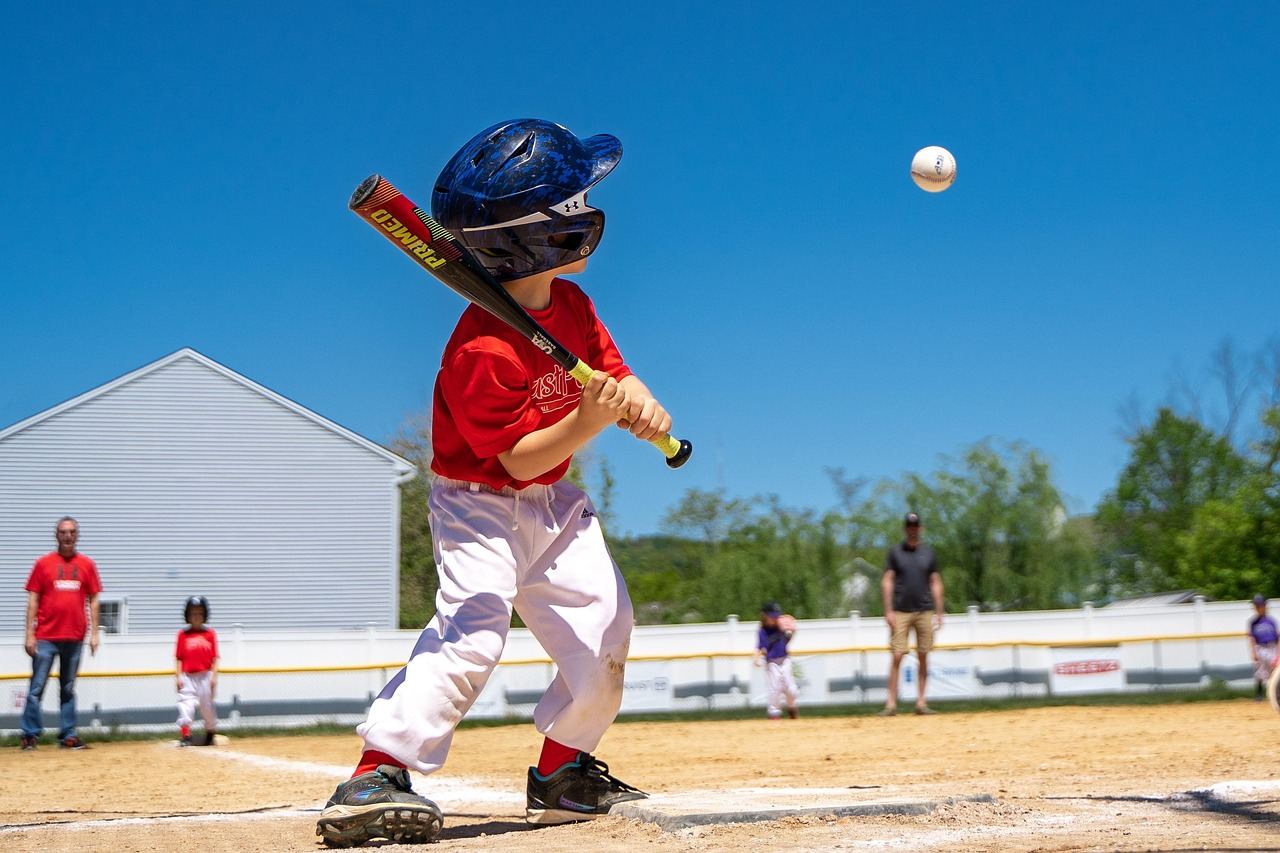
Baseball isn't just for athletes—it's a game where mental strategy and teamwork can triumph over sheer athleticism.
Getting started with baseball as a beginner offers a fantastic blend of strategy, skill, and athleticism that makes it an engaging team sport.
Players take turns batting and fielding, aiming to score runs and outsmart the opposing team.
Whether played casually in a park or competitively in a league, baseball fosters camaraderie and physical fitness.
In baseball, hobbyists engage in skill-specific drills such as bullpen pitching, hitting in batting cages, and fielding groundballs, often simulating game scenarios to enhance teamwork and endurance. Practitioners warm up physically, utilize equipment like bats and balls, and maintain fitness through strength training, preparing for extended practice sessions and competitions.
Baseball combats boredom through immediate skill feedback loops from drills, which provide measurable progress and foster a flow state as participants engage in progressively challenging activities. This structure creates a sense of accomplishment and social belonging, as teammates work together on drills, enhancing their connection and motivation to improve.
You think baseball is only for those with top-tier athletic abilities.
The sport demands physical effort. But skill and strategy carry just as much weight. Look at Craig Counsell — not the most athletic player on any roster, but his ability to read the game made him a standout manager and player across a 16-year career.
Quick thinking.
Smart plays.
Knowing when to bunt instead of swing.
These consistently outshine raw power — and the players who master the mental side of the game often outlast the pure athletes by years.
Baseball rewards the cerebral player as much as the physical one. That changes what you actually need to get started.
Your first time in a batting cage is humbling in a very specific way. The ball comes in, your hands move, and you swing through air. Again. Your grip feels wrong, your timing is off, and your shoulders are already tense before the next pitch loads. **The gap between knowing what a good swing looks like and actually producing one is physical — it lives in your muscles, not your head. That gap is the first thing baseball teaches you.
The part most beginners don't expect is how much the sport slows down once you step onto a field. Between pitches, between at-bats, between innings — there's a lot of standing, waiting, thinking. Then a grounder shoots toward you and everything happens at once. Baseball is a game of short, intense bursts separated by stretches that demand mental focus, not physical effort. New players burn out trying to stay physically amped the whole time. The mental stamina is harder to train than the throwing arm.
Early fielding drills will also expose something your ego won't love. Groundballs bounce differently every single time. Your footwork will be late. You'll field one cleanly and feel great, then boot the next three. Consistency in baseball takes longer to build than competence — you'll have flashes of good play weeks before you can do it reliably. That's normal, and it's actually what keeps the sport interesting.
The feedback loop does kick in. A clean throw from shortstop to first, a hit that actually jumps off the bat — those moments arrive faster than you think, and they're addictive. The tricky part is getting there without picking up habits that quietly hold you back for months. That's where most beginners lose time — and it's exactly what the next section covers.
When to start: Morning
Duration: 1.5 hours
Cost to try: $20
Success criteria: If you can make 10 clean catches in a row and land 3 of 5 tosses chest-high to your partner, do session 2.
Most beginners want to jump straight into a game. It feels more fun than running drills alone. But games move fast, and if your mechanics aren't there yet, you'll repeat the same errors under pressure — and they'll stick.
Spend your first weeks in a batting cage and on a fielding drill — not in a nine-inning game. Isolated repetition is how your body learns what to do when the game situation stops giving you time to think.
A bad grip is invisible to the beginner holding it. It feels natural because it's what you defaulted to. But a tight, palm-heavy grip kills bat speed and sends vibration straight up your hands on off-center contact.
Align your door-knocking knuckles — not your palms — along the bat handle. It feels awkward for about a week. Then it feels like the only way to swing. Getting this right early saves months of unlearning later.
Beginners fixate on arm strength. Coaches fixate on feet. There's a reason for that disconnect — bad footwork makes every throw harder and every fielding play messier, regardless of how strong your arm is.
When fielding groundballs, focus on getting your body behind the ball first — glove second. Players who master positioning early make the game look easy. Players who skip it spend years fighting avoidable errors.
Baseball practice sessions run long. Bullpen work, fielding repetitions, batting rounds — your shoulder, elbow, and lower back are taking far more load than a casual game suggests. Beginners who skip warm-ups feel fine in week one and pay for it in week three.
A ten-minute dynamic warm-up — arm circles, hip rotations, light jogging — extends how long you can practice without soreness derailing your schedule. Consistency compounds. Injuries reset it.
Beginners want to try everything — pitch one day, catch the next, play shortstop the day after. The variety feels productive. It rarely is. Each position has its own mechanics, reads, and decision patterns.
Pick one position for your first season and get genuinely competent at it before spreading out. Depth in one role builds the instincts that transfer everywhere else. Breadth too early builds nothing.
Start with Reddit. r/baseball and r/Homeplate are where hobbyists, rec league players, and serious amateurs talk shop daily. Ask a question about batting mechanics or local leagues and you'll get real answers fast.
For finding games in person, search USA Baseball's affiliated league finder or your local Parks and Recreation department's adult softball and baseball leagues. Most cities run recreational leagues for adults at all skill levels — no tryout, just sign up.
Local batting cage facilities and indoor training centers are underrated social hubs. Regulars at batting cages talk, trade tips, and often recruit for open roster spots. Show up consistently and you'll get plugged in without having to search.
Community baseball diamonds on weekend mornings almost always have informal pickup games running. Meetup.com also lists organized baseball and softball groups in most metro areas — search "baseball" with your city and filter for recurring events.
Recreational pickup baseball is the lowest-barrier entry point. You show up to a park, bring a glove, and work with whoever is there.
This format is best for people who want the game without the scheduling commitment of a full league. It keeps things loose and social.
Adult amateur leagues run through parks and recreation departments, local clubs, and sometimes employer-sponsored teams. You get a real schedule, real opponents, and real stakes.
This suits anyone who needs external structure and deadlines to stay motivated. The season format also gives your practice sessions a clear purpose.
Solo skill training — batting cages, bullpen sessions, fielding drills — lets you isolate exactly what needs work. You control the pace and the reps.
This is the format that produces the fastest measurable improvement, especially for players who already know where their weaknesses are.
Softball and slow-pitch variants strip away some of baseball's complexity and speed. The ball is larger, the pitching is underhand, and the learning curve flattens out considerably.
It draws a huge crowd of recreational adult players because the emphasis shifts from raw athleticism to reading the field and hitting smart. A good entry point if the full game feels overwhelming at first.
Youth and community coaching puts you on the other side of the drills. You design practice plans, spot mechanical problems, and build team chemistry from the ground up.
This path works especially well for former players who get more satisfaction from teaching the game than playing it. The strategic side of baseball runs deep here.
If this resonates, Cricket explores a similar direction.
Motorsports is a sibling pursuit and often surfaces the same kind of curiosity.
The skill that separates improving players from those who plateau is pitch recognition — the ability to identify what a pitch is and where it's going within the first 20 feet of its release.
Most beginners focus on their swing mechanics. That makes sense — a bat in your hands feels like the obvious place to start. But a perfect swing means nothing if you're committed to the wrong pitch. You cannot out-mechanics a bad read. The swing decision happens before the swing itself.
This is why batting cage reps alone have a ceiling. The cage trains your hands and your timing — but it doesn't train your eyes. Pitch recognition is built by studying release points, watching spin, and logging mental reps on what a curveball looks like out of a pitcher's hand versus a fastball. Players who develop this skill don't just hit better — they make faster, calmer decisions across every at-bat.
The good news: this is a trainable skill, not a natural gift. It compounds fast once you know how to practice it deliberately. The next section covers what that practice actually looks like at each stage of the game.
Commit to 4 sessions over the next 30 days — a batting cage visit, a fielding drill with a friend, a casual pickup game, and one structured team practice. That's enough real contact with the sport to stop guessing.
You're hooked. The mental loop — thinking through your stance, second-guessing a pitch selection, wanting one more round in the cage — is the clearest signal this sport has its hooks in you. Find a local recreational league and get on a roster. The jump from solo drills to real game situations is where the progress accelerates fast.
That's not a red flag — but it's worth being honest about what you actually enjoyed. If the social side was the draw, a team environment with regular players you know will change the experience entirely. Try joining a casual league where the same group shows up every week before writing it off.
That's real information. Baseball is a slow-burn sport — if the pacing genuinely drained you rather than calmed you, the structure probably isn't a fit. Something with continuous movement and faster feedback loops — basketball, tennis, or even ultimate frisbee — will likely land better.
You caught yourself browsing batting gloves or checking field availability before your second session was even scheduled. That unprompted pull toward gear and logistics — before anyone told you to — is the hobby telling you something.
If baseball feels like too much to commit to right now, browse what to do when you're bored for lower-stakes ideas.
Most beginners can learn fundamental skills like hitting, throwing, and catching within 4–6 weeks of regular practice. However, developing competitive proficiency typically takes 6–12 months of consistent training. The timeline depends on your starting fitness level, practice frequency, and access to coaching.
Essential gear includes a glove, bat, cleats, and a helmet for safety. Many beginners start with basic equipment under $100 total, though quality gloves and bats can cost more. Most leagues or parks can recommend starter packages or used equipment options if you're budget-conscious.
Baseball is learnable for anyone regardless of athletic experience—it's more about technique than raw athleticism. Starting in an adult recreational league or beginner-friendly program removes pressure to perform and lets you progress at your own pace. Many players without athletic backgrounds become competent and enjoy the sport within their first season.
Initial equipment investment ranges from $50–$300, and league fees typically run $50–$200 per season depending on the level and location. After your first season, costs mainly cover registration and occasional gear replacements, making it relatively affordable compared to other sports.
Yes—adult recreational leagues exist specifically for beginners and casual players of all ages. These leagues prioritize fun and community over competition, making them ideal entry points. Many adults start in their 30s, 40s, or beyond and find fulfilling friendships through the sport.
Recreational play typically requires 2–4 hours per week during the season, usually 1–2 games plus optional practice. Competitive play demands more frequent practice and games, but you control your intensity level. Most hobby players commit to one season at a time, allowing flexibility.