BoredomBusted — Find Your Next Favorite Thing To Do
Discover hobbies, activities, places, and ideas that spark joy. Whether you're looking for something creative, active, social, or relaxing, BoredomBusted helps you find your next favorite thing to do.
Browse our hobby guides, things-to-do collections, and place ideas to never be bored again.
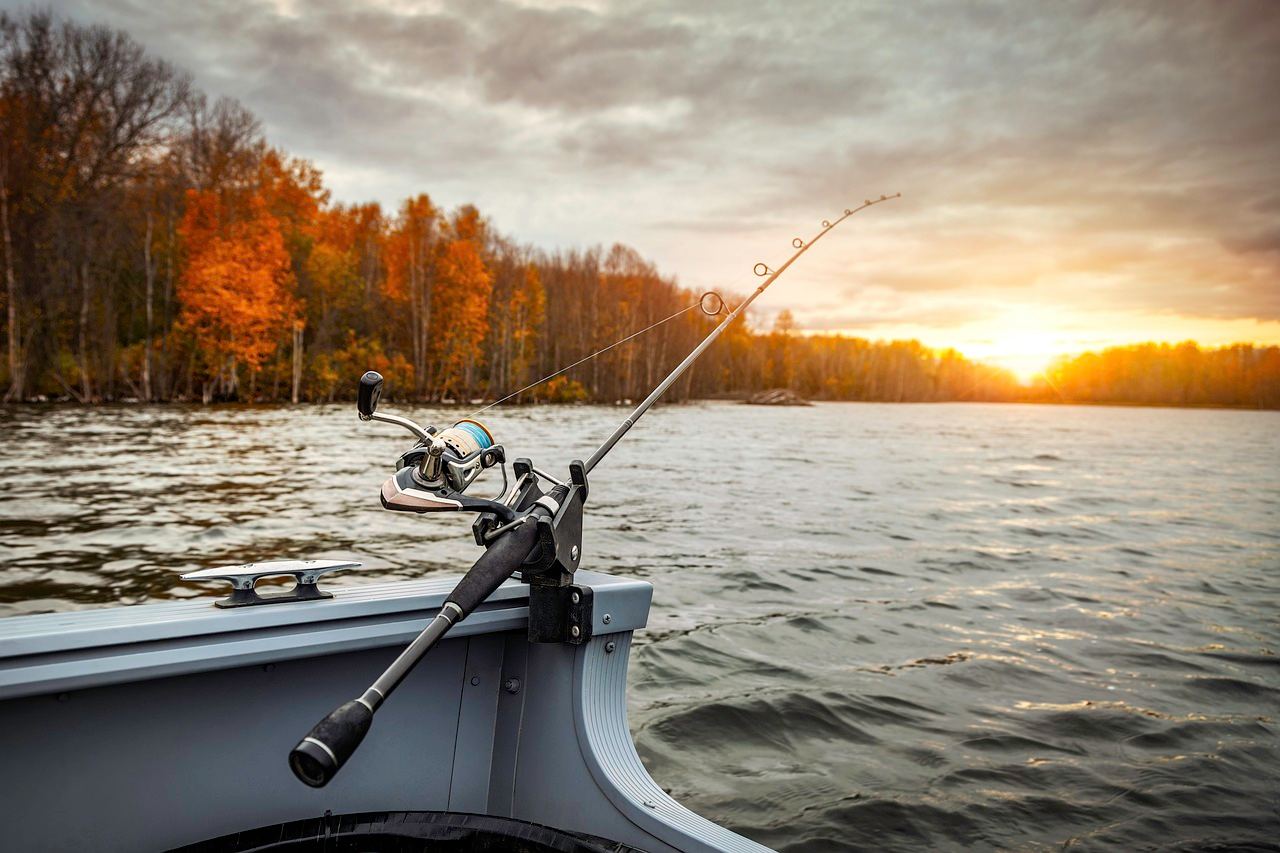
Bass fishing isn’t about patience — it’s mastering behavioral patterns and precise techniques that can turn a slow day into a successful haul.
If you are getting started with bass fishing as a beginner, you'll find it to be an exhilarating pursuit. You pursue largemouth, smallmouth, or spotted bass using artificial lures, live bait, or soft plastics.
You're constantly adjusting and on the move. Instead of waiting, you read the water and alter your technique to trigger strikes.
Bass fishing involves selecting and using various lures or baits to catch bass in lakes, rivers, and ponds. Hobbyists actively observe bass behavior, choose ambush spots, and cast with precision while adjusting techniques based on environmental factors. They analyze patterns, mark waypoints, and refine their skills through repetitive practice, all while immersed in nature during outings that can …
Bass fishing offers persistent accomplishment through skill feedback loops, where anglers refine casting techniques and decode bass behavior. This creates a flow state through total immersion in environmental puzzles, balancing challenge with skill and fostering creative problem-solving. Social connections formed during fishing trips enhance enjoyment, while seasonal variations provide fresh chal…
You think bass fishing means lounging in a chair, casting a line, and hoping for a bite. Toss a worm out, reel it in, enjoy the day. That's just hanging out by the water.
Bass are ambush predators with patterns that shift by season, time of day, and water temperature. Reading those shifts is the true skill — and it takes months to see it clearly.
Your lure choice, retrieval speed, and casting location all affect your catch. Precision trumps patience.
Most beginners come up empty not from bad luck, but from weak hookset timing and line management. Those two skills get overlooked more than any expensive rod ever will.
Picture fishing the same lake twice, same conditions, same lures. First trip: a small catch. Second trip, you know the bass are holding near the submerged brush line before sunlight hits. Four catches in forty minutes. The lake didn't change — your read of it did.
The gear that makes all that possible is simpler and cheaper than almost every beginner expects — and the next section breaks down exactly what you actually need to start.
Reality sinks in when you're standing at the water's edge. The silence stretches on. You wonder if any fish are actually out there. It's just you, the rod, and the hope that your line is in the right place.
Much of your first session is spent resetting. Cast, snag, pull. Maybe something bites, or maybe it's just weeds again. It's in these moments that learning the feel of your gear really takes shape.
By the third round, something starts to change. You begin to notice the subtle clues of a strike versus a snag. Confidence grows as your casts become more purposeful. Each attempt is an opportunity to refine.
The difference between frustration and success is smaller than it seems. Next, we tackle the common mistakes that halt your progress.
When to start: Early morning
Duration: 2 hours
Cost to try: $20
Success criteria: if you finished without catching a fish, do session 2.
Bass don't suspend in open water. They hug docks, rocks, and weed edges — and most beginners cast straight at the feature, which means the lure spends one second in the zone before it's gone.
Cast parallel to structure instead. A parallel cast keeps your lure in the strike zone for the entire retrieve, not just the two feet closest to the dock post.
The instinct is to keep the lure moving — faster feels more active, more enticing. But bass are ambush predators. A fast-moving lure clears their window before they commit.
Slow your retrieve to what feels almost uncomfortably slow. Then go slower still — most beginners who think they're retrieving slowly are still twice as fast as they should be.
Bass caught shallow at 6 a.m. have usually moved by 10. Light drives them deeper as the morning goes on, and staying at the depth that worked two hours ago is fishing an empty shelf.
Track the pattern: shallow at sunrise, mid-depth by mid-morning, deeper at noon. Match your lure weight and type to where bass actually hold right now, not where you found them at first light.
The rod tip dips and your arm fires — it's reflexive. But that first dip is usually a bass mouthing the bait, not committing to it. Setting early pulls the lure away before the hook has anything to catch.
Wait for the line to tighten or move sideways. That lateral movement means the bass has turned — now the hook has a corner of the mouth to find.
After several blank casts, most beginners move spots. Sometimes that's right. But if the structure looks good and the depth is correct, the fish may just be ignoring what you're throwing.
Exhaust your presentation options before you leave a productive-looking spot: swap colors, change retrieve speed, try a different lure profile. Moving too soon is how beginners abandon fish that were one tweak away from biting.
Bass fishing spots include lakes, reservoirs, rivers, and ponds. Any place with warm, slow-moving or still freshwater works.
Backyard farm ponds and local park lakes aren\u2019t just for beginners. They\u2019re good starting points with real catch potential.
At a club meeting, introduce yourself as new and eager to learn. Ask if anyone will take you out as a co-angler.
Being a co-angler gets you on a boat with an experienced angler. You fish while they manage the setup and costs.
Tournament bass fishing puts you on the same water as other anglers on the same day. Heaviest live catch wins. The pressure changes how you fish — and that's the whole point.
Entry fees run from $20 at local club events up to thousands at pro-level circuits. Best for anglers who already know the basics and want a reason to get serious.
Bank fishing means casting from a shoreline, dock, or pier. No boat, no trailer, no slip fee. A $50 rod-and-reel combo with some soft plastics is genuinely all you need to start catching bass.
Your range is limited compared to a boat, but plenty of bass hold near accessible structure. It's the lowest-friction entry point in the hobby.
A fishing kayak gets you into coves and structure that bank fishing can't reach. Kayaks run $400–$1,200 — a fraction of what a bass boat, trailer, and slip fee will cost you.
Good fit for anglers who've outgrown the bank but aren't ready to commit to full boat ownership.
Bass feed aggressively after dark, especially in summer when daytime heat shuts down the bite. Tactics shift hard — slower retrieves, topwater lures, and a lot of listening instead of looking.
Night fishing rewards anglers who already know their spots well. Reading unfamiliar water in the dark is genuinely difficult.
Bass hit harder and forgive more mistakes than trout. The casting mechanics carry over, but lure selection and retrieve style are a genuine departure from trout fishing.
Best for experienced fly anglers looking to stretch their skills without starting from scratch.
If this resonates, Carp Fishing explores a similar direction.
If you want a related angle, Deep Sea Fishing is the natural next stop.
Catfishing lives in the same world — different mechanics, similar appeal.
The skill is reading your retrieve cadence — matching the speed, rhythm, and pauses of your lure to what the water is actually telling you.
Bass don't strike because the bait looks alive. They strike because it moves like something that's about to escape.
Developing this sense makes you stop fishing water and start fishing behavior. You feel when a bass is merely curious versus when it's ready to commit.
Random. Inconsistent. Unlucky. Inconsistency isn't bad luck — it's a cadence pattern you haven't learned to read yet.
The fastest way to internalize this is constraint. Fish one lure — like a Texas-rigged soft plastic — for an entire session, and vary only the cadence.
Four sessions over a month. Space them out — a calm morning, a windy afternoon, conditions that don't cooperate. That spread is what gives you real data.
If you're mentally planning your next trip before this one ends, that's not restlessness — that's the hobby working on you. The next move is a quality rod and a date already on the calendar, not more research.
If the four sessions felt flat, go out once more with someone who knows the specific water you've been fishing. Local knowledge changes the experience enough to give you a cleaner read on whether the hobby is the problem or the conditions were.
If you were watching the clock and willing the session to end, that's a straight answer. Bass fishing runs on patience interrupted by bursts of action — that specific rhythm doesn't suit everyone, and disliking it isn't something to push through.
You're deep in tackle forums at midnight or replaying a retrieve in your head on the drive home. That involuntary pull toward the puzzle of it — without anyone prompting you — is the clearest sign this one has legs.
Still looking for something to do? Browse things to do when bored for more ideas.
You can start bass fishing with a beginner-friendly setup for $100–$300, including a spinning rod, reel, and basic tackle. As you progress, you may invest in specialized gear like electronics or premium lures, but these are optional and not necessary when learning the fundamentals.
Soft plastic worms, crankbaits, and spinnerbaits are versatile lures that work well for beginners because they're forgiving and effective in various conditions. The best lure depends on water clarity, depth, and season, so experimenting with a few different types helps you learn what works in your local waters.
You can catch your first bass within a few outings by learning basic casting and where bass typically hide, but developing solid technique takes months of practice. Understanding seasonal patterns and water conditions comes with experience over multiple seasons.
Bass fishing is beginner-friendly because bass are responsive to many techniques and widely available in lakes and rivers across North America. While patience and practice improve your success rate, you don't need advanced skills to enjoy your first fishing trips.
Yes, bass thrive in both environments, though they behave differently in each—river bass tend to hold near current breaks, while lake bass school in deeper water or vegetation. Learning to read both habitat types expands your fishing opportunities and challenges.
At minimum, you'll need a rod, reel, line, hooks or lures, and a tackle box to store your gear. A fishing license (required in most places), a net, and a small cooler to store your catch round out a basic setup.