BoredomBusted — Find Your Next Favorite Thing To Do
Discover hobbies, activities, places, and ideas that spark joy. Whether you're looking for something creative, active, social, or relaxing, BoredomBusted helps you find your next favorite thing to do.
Browse our hobby guides, things-to-do collections, and place ideas to never be bored again.
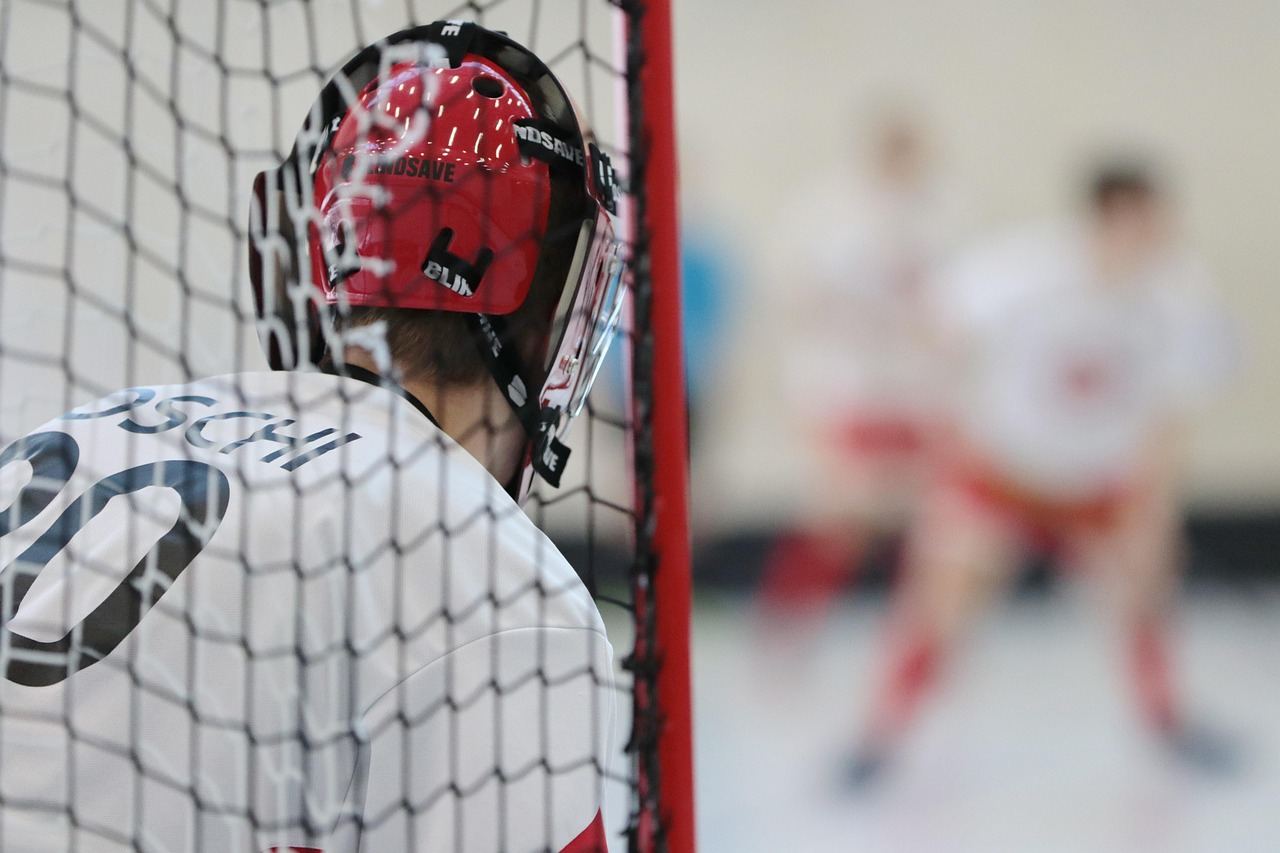
Floorball isn't just a gym class game; it's an elite sport with faster-paced action than basketball, demanding advanced stick skills and endurance.
Getting started with floorball as a beginner is an exciting way to engage in a fast-paced indoor team sport that emphasizes skill and teamwork. Floorball is an indoor team sport played with lightweight plastic sticks and a perforated ball on a hard court.
Five field players and a goalkeeper per side take shifts trying to score in small goals.
Unlike floor hockey, it bans physical contact entirely – which makes speed and stick skill matter far more than size.
In floorball, participants engage in hands-on stick-and-ball manipulation through drills, strength circuits, and movement exercises that mimic game scenarios, focusing on skills like dribbling, agility, and core stability while using minimal equipment for solo practice or group play.
Floorball fosters a flow state as rapid agility drills and skill challenges match your abilities, providing immediate feedback that enhances both skill and enjoyment; this dynamic setup prevents monotony and encourages ongoing engagement through creative expression and personal achievement.
You think floorball is just hockey for those who can't afford ice time. A diluted version for school gyms and kids cut from the real team.
That assumption is costing you a genuinely fast, technical sport.
Floorball is one of the fastest field sports you can play recreationally. Elite matches average more possessions per minute than basketball, and even casual games get chaotic quickly. The stick skills required aren't simpler than ice hockey – they're different, demanding wrist control and low-body coordination that takes real time to develop. Organized floorball exists in over 80 countries, with a World Championship that draws packed arenas. This isn't a gym class filler. It has a legitimate competitive structure.
A first-time player at a casual Stockholm club night described being completely gassed by minute six – not because they were unfit, but because the game never stops moving.
No icing. No offsides stoppages every thirty seconds. Just continuous, end-to-end chaos that demands you keep up or get left behind.
The entry point looks low, but the ceiling is higher than expected. So how do you get started? The next part reveals what you need.
At first, holding the floorball stick feels like trying to write with your non-dominant hand. It's clumsy and awkward.
Expect the ball to go anywhere but where you aim. Your hands fight with the stick, and your feet struggle to dance with the game instead of flailing.
By the second week, static passing drills begin to make sense. Then, a running opponent makes them fall apart in an instant.
Week three arrives, and it's less about fighting the stick. You find yourself moving more smoothly, passing feels less forced.Your grip no longer rivals a vice.
As the fourth week winds down, you'll experience a fleeting moment where it all aligns. Something clicks. This is the moment that fuels your desire to keep playing.
Staying low and flat feels unnatural at first. Unlike hockey, floorball demands this posture. Beginners often miss this until weeks later.
From awkward beginnings to mechanical drills, to a glimpse of flow. The tricky part is convincing your body to embrace the new patterns.
Next, let's dive into the common missteps beginners make along the way.
When to start: Morning
Duration: 1 hour
Cost to try: $5
Success criteria: If you complete 30 clean forehand-backhand dribble exchanges and 10 accurate passes to a partner without losing control, do session 2.
New players grip near the blade because it feels controlled. It isn't — it just cuts your shooting power and passing range before you've touched the ball twice.
Drop your lower hand to within 20–30 cm of the blade end. Let the shaft flex and do the work — that's where the power actually comes from.
The ball moves, your eyes follow — it's instinct. But defenders read that gaze and cut off your passes before you've decided to make them.
Train yourself to pick a spot two meters ahead of the ball and use peripheral vision for the rest.
Floorball looks like a full-speed game at all times. Beginners believe that, go flat out from the first whistle, and are gasping by minute five.
Walk the zones you don't own — conserve energy there, then explode when the transition actually happens.
Any gym shoe technically fits the floor, so most beginners don't think twice. Then they slide through cuts and lose half a second on every change of direction.
Get a court shoe with a herringbone sole — it grips sport hall flooring without locking your ankle on pivots.
Beginners position their feet for where the ball is right now — not where it needs to be when they strike. The timing never lines up, and the shot goes wide or misses entirely.
Take one extra step to get laterally behind the ball's path before you load the shot.
Floorball is played in sports halls and community rec centers. Any flat indoor surface works, like school gyms or church halls.
Start with the International Floorball Federation's club finder at floorball.org. It links to national member associations by country, making it a treasure trove for beginners.
Search your city paired with "floorball club" or "floorball league." Active clubs often have Facebook groups or Meetup pages listing practice schedules.
For US clubs, visit USA Floorball at usafloorball.org. UK players should check Floorball UK, while Canadian enthusiasts have Floorball Canada for local resources. These national directories are maintained and more accurate.
Meetup.com often hosts listings for casual games in cities lacking structured clubs.
Here's what to say when you arrive: "I'm new, never played – what do I need to know before the first drill?" Expect a stick recommendation, a quick rules explanation, and likely someone offering to stay by your side.
Not every version of floorball needs a full team, a rink, or serious commitment. Pick the one that matches what you actually have available.
This is the full game – five field players plus a goalkeeper, played on an enclosed rink with boards. It's what most clubs run. Worth learning if you want to play competitively. Great for anyone ready to join a league or club team.
Played outdoors or in a gym with smaller teams and no boards usually. No goalkeeper, faster pace, more frequent touches. Perfect for beginners who want more ball time. No rink needed, which cuts cost to near zero.
Popular in Switzerland and parts of Europe. Uses slightly different rules and a heavier ball. Core skills transfer. Ideal for anyone in a region where this is the dominant format.
Played from wheelchairs with adapted rules on movement and contact. Stick skills stay central. Great for players needing a seated adaptation without losing the competitive structure.
No rules, no rink, just sticks and a ball. Perfect in a driveway or gym. Best for kids, families, or anyone wanting to play without the overhead of organized sport. Honestly, this is where most people start.
Futsal is a sibling pursuit and often surfaces the same kind of curiosity.
Indoor Soccer lives in the same world — different mechanics, similar appeal.
Most beginners obsess over stick handling – spinning, flicking, trying to look like they know what they're doing. The real bottleneck is reading the floor, not controlling the ball.
The one skill: off-ball positioning based on passing lanes, not proximity to the ball. This means actively scanning two seconds ahead, identifying where a gap will open, and moving there before your teammate looks up – not chasing the play after it happens.
When you nail this, the game slows down. Passes arrive with space to receive them, and your team suddenly looks coordinated even if nobody's technically brilliant.
Without it, you're always half a second late – crowding teammates, killing angles, forcing bad decisions under pressure. Technical skill won't fix that. More reps won't fix that. Only this does.
Commit to 8 sessions over 30 days, aiming for roughly twice a week. This schedule gets you past the "this stick feels weird" phase and into actual gameplay. This is when floorball either grabs you or it doesn't.
If you're already annoyed when a session gets canceled, that's the signal. You're not just going through the motions; you're investing in something. The next step is finding a club league or regular pickup group for social structure.
Indifference after 8 sessions means the sport fits your body but not your brain. Don't extend on hope. You likely need something with more individual expression, like skating or racket sports.
If you were counting down the minutes to leave, that's real data. Floorball is fast, chaotic, and relies heavily on teamwork. If that combination felt draining every time, trust that feeling. Not every activity suits everyone.
Watching highlight clips or pickup footage between sessions without studying is a sign you're genuinely hooked. Floorball players often find it's something they didn't expect to care about.
Without access to a club or group nearby, the sport stagnates. Consistent opponents are crucial, as solo training only takes you so far.
Chronic knee or ankle instability makes floorball challenging, due to the lateral cuts and quick pivots on hard court. It's better to recognize this as a mismatch than a challenge to overcome.
If your schedule changes weekly and you can't commit to regular sessions, the sport might not suit you. Inconsistent play means more waiting around than participating.
Plenty of people land on floorball after browsing the full hobbies list — that's a fine place to start, too.
Floorball is a deeper commitment than most boredom cures — for lighter options, check things to do when bored.
You'll need a floorball stick (lightweight and inexpensive), comfortable indoor shoes with good grip, and appropriate athletic clothing. Most clubs provide sticks for beginners, so you can start without buying equipment. As you progress, you might invest in your own stick and protective gear like shin guards and a helmet.
Most recreational floorball clubs charge between $50–$150 per month for league play, though some community programs and drop-in sessions cost less. Initial equipment investment (if needed) typically runs $30–$100 for a basic stick and shoes. Check local clubs for beginners' packages and trial sessions that may be free or discounted.
No—floorball is beginner-friendly and easier to pick up than hockey or soccer because the rules are simpler and the pace allows newcomers to develop skills quickly. Within a few sessions, most beginners understand basic positioning and can participate in games. The sport emphasizes fun and teamwork over individual skill level.
A standard competitive match runs 45–60 minutes with three 15–20 minute periods, plus breaks between periods. Recreational games and practice sessions are often shorter, ranging from 30–45 minutes depending on the league or club.
The main skills are basic stick handling, passing, shooting accuracy, and positional awareness—all of which are taught to beginners. Good cardiovascular fitness and agility help, but floorball accommodates various fitness levels since teams rotate players frequently. Most importantly, you need willingness to learn and communicate with teammates.
Yes—floorball has recreational leagues and drop-in sessions specifically for beginners and casual players of all fitness levels. The frequent substitutions and team-oriented nature mean you're never pressured to perform at an elite level. Many players join purely for fun, fitness, and social connection rather than competitive play.