BoredomBusted — Find Your Next Favorite Thing To Do
Discover hobbies, activities, places, and ideas that spark joy. Whether you're looking for something creative, active, social, or relaxing, BoredomBusted helps you find your next favorite thing to do.
Browse our hobby guides, things-to-do collections, and place ideas to never be bored again.
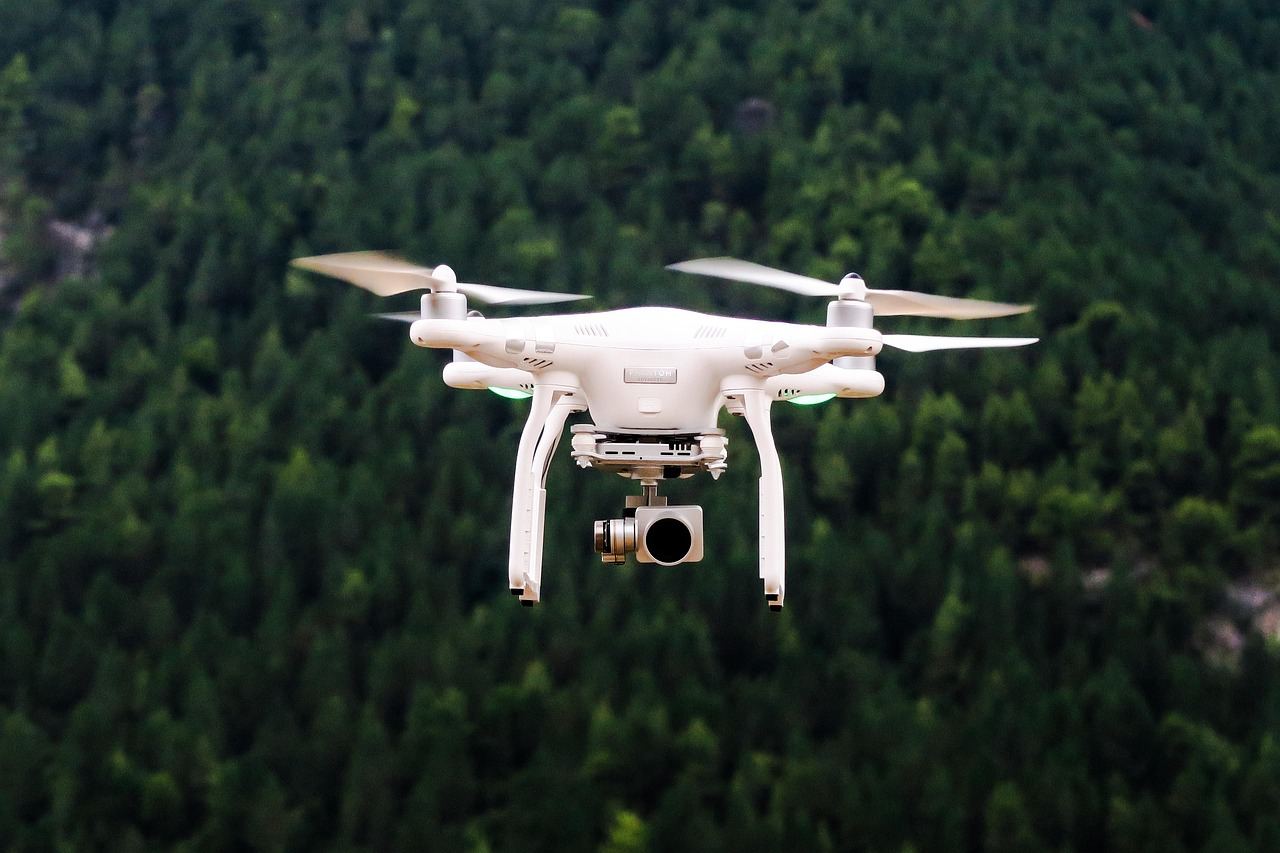
Flying drones isn't just for the wealthy—it's a skill-building adventure that can redefine your perspective on movement and community in unexpected ways.
Getting started with flying drones as a beginner involves learning to pilot unmanned aerial vehicles, ranging from palm-sized toys to feature-rich camera-equipped quads, through a radio controller or app.
You're managing real physics: throttle, orientation, wind, battery — not just pointing a camera at the sky.
Unlike RC planes, drones hover, hold position, and shoot stabilized footage, which is why the skill ceiling drops fast but never disappears.
In drone flying, hobbyists operate remote-controlled multirotor drones, performing precise maneuvers such as takeoff, hovering, and navigating complex paths, including figure-8s and orbits, while adjusting altitude and yaw to avoid obstacles. They practice skills in open spaces like parks or backyards, gradually increasing complexity from stabilizing hover to executing custom obstacle courses, al…
Drone flying induces a flow state as pilots face progressively challenging tasks that match their skill levels, fostering deep concentration and intrinsic satisfaction. Instant feedback from the drone's responsive movements reinforces mastery through trial and error, while creative opportunities in aerial videography and social connections with fellow enthusiasts combat monotony and evoke a sense…
You think flying drones is a rich guy's toy hobby – press a button, watch it go, get bored in a week.
That's keeping you on the sidelines. It's why most people who'd actually love this never start.
Consider a warehouse worker in Ohio who started flying to photograph job sites on weekends.Eighteen months later he was doing commercial aerial surveys.The drone didn't change – his eye did.
Next up, we're diving into the gear you'll need to start your journey.
Drone footage looks serene and smooth. Your first flight will look more like a confused robot.
Crashes happen because your brain can't keep up. It's not usually the weather or tech failings.
In the first week, expect to crash quickly—maybe into something embarrassing, like your car. By week two, you'll realize overcorrecting was the culprit. Your thumbs were the issue, not the drone. Jump to week three, and hovering gets boring, signaling you're ready to fly. In week four, pre-planning shots means this isn't just a toy anymore.
Start in "beginner mode" and limit speed. This setup is smarter than it sounds.
The early chaos will feel ugly and disorienting. But it's addictive. One day it clicks. It's not easier flying; it's your brain finally mapping the space. All the earlier chaos was just part of the learning price. Up next, we'll cover the mistakes to avoid that keep the chaos lingering longer than needed.
When to start: Morning
Duration: 1.5 hours
Cost to try: $0
Success criteria: If you finished without crashing the drone, do session 2.
Everyone wants that slick cinematic drone after watching YouTube videos, but it's a mistake for beginners.
Master hovering with a sub-$100 brushed micro drone first. Hold a stationary hover for 60 seconds before upgrading to a camera drone.
GPS mode makes flying seem easy by correcting mistakes, but it hides poor technique.
Practice in Atti mode in an open area. It'll help you learn true control without the GPS assist.
Beginners often ignore the wind, focusing only on rain. A 15 mph gust can end your flight.
Throw some dry grass before flight to check wind speed. Wait until you have over 10 hours in calm air if it's too windy.
Many skip recalibrating their compass after a drive, leading to navigation issues.
Calibrate your compass after traveling more than 20 miles. It just takes 90 seconds and prevents flyaways.
When your drone drifts, it's natural to yank on the controls, worsening the drift.
Use a simulator like Liftoff or Velocidrone. Train yourself to let go of the sticks under pressure so neutrality becomes second nature.
Choose your flying spots wisely. Stick to open fields, parks with verified airspace clearance, and dedicated RC flying clubs with designated zones.
Avoid areas with crowds or power lines.
Choosing the wrong location is costly. You risk fines or even drone confiscation.
Tell them it's your first time flying. Being upfront earns you guidance and a space away from experienced fliers. They'll explain local airspace rules you won't find online.
Fly through a headset and experience the race from your drone's perspective. This fast-paced pursuit requires skill and presents challenges almost every flight. Compete if you thrive on speed and don't mind frequent hardware fixes.
Expect to spend $300–600 getting started, including simulator practice.
Freestyle FPV is all about performing stunning tricks and flows. It may look easy online, but mastery takes time. Ideal for those who value creativity and captivating footage over speed.
Gear shares features with racing FPV, making it simple to switch between the two.
Think cinematic drones with stabilized footage, perfect for capturing real-world locations. DJI Mini series stands out for ease of use and global legality, offering stunning shots with minimal effort. Great for travelers and filmmakers.
Budget starts at $300 for entry-level, but more for pro image quality.
Micro or Tiny Whoops are perfect for indoor flying. Tiny, crash-friendly, and affordable, they offer a great way to develop skills without major risks. Perfect for newbies or those lacking outdoor space.
A decent setup costs $50–100, making it an easy entry point.
Long-range fixed-wing FPV combines elements of drones and remote-control planes. They glide gracefully, covering extensive distances on a single battery. If you've mastered basic flying and want to explore beyond multirotors, this is your arena.
The smaller community and complex setup make it a challenge for enthusiasts.
Another variant that pulls from the same roots is Fossil Collecting.
Some of the same instincts show up in Scuba Diving — worth a look if this clicked.
Wilderness Survival lives in the same world — different mechanics, similar appeal.
Most newcomers focus on getting smoother stick movements—better thumb control, gentler actions. This isn't what's holding them back.
Spatial orientation is the real challenge.
Recognizing your drone's nose direction is crucial. It's not about where it's heading, but where it's pointed. You have to adjust instantly when it spins.
Flying toward yourself requires a quick mental switch. When the drone turns right, your left stick needs to reverse. This automatic adjustment, known as
orientation awareness, is the game-changing skill.
Without this awareness, you're just reacting. Every turn scrambles your controls, causing hesitation.
Pilots who master this progress rapidly in months, while others take much longer.
Smooth flying, quick recovery from gusts, precise control—it's all about developing this mental model.
Start by practicing on the ground. Hover three feet up, spin the drone 180°, and act as if you're piloting it from the inside forward position.
Fly in a fixed square both ways—clockwise and counterclockwise—until both feel identical. Your mind should adapt naturally over time.
Try a bright marker on one prop to stop guessing the orientation visually. Your brain needs to recognize it instantly from any angle.
Six sessions over 30 days. Aim for a regular pace to let your skills develop gradually.
If flying feels effortless and you're already planning your next flights, it's a sign you've found your groove. It's more than just having fun; you're connecting with how your mind works. Your next move? Start researching your second drone.
If those sessions left you at a crossroads, not fully engaged, that's a clue. Flying might not be the key interest, but elements like aerial photography or FPV racing might fascinate you. Give it a spin with a goal in mind for three more sessions to decide your next step.
If each session felt like a chore, dragging yourself out there signals disinterest. The activity isn't flawed; it's just not the right one for you. Recognize that and move on.
Finding yourself analyzing drone footage on YouTube late at night? That's your curiosity peeking through, showing a true connection to this hobby.
Entry-level drones range from $300–$800, while professional-grade models cost $1,000–$3,000+. Your initial investment should also budget for spare batteries, propellers, a carrying case, and optional accessories like filters or upgraded controllers. Start with a beginner-friendly model to learn the basics before upgrading.
In most countries, recreational drone flying requires basic registration and compliance with local airspace rules. The FAA in the US requires Part 107 certification for commercial use, but recreational pilots typically need only a knowledge test. Check your local regulations before your first flight, as rules vary significantly by region.
Basic flight control skills take 2–4 weeks of regular practice, while smooth aerial photography takes 2–3 months. Mastering advanced techniques like cinematic shots and complex maneuvers requires 6+ months of consistent practice. Most beginners can safely navigate and capture decent footage within their first month.
Consumer drones prioritize ease of use with automated flight modes and built-in stability, while professional drones offer superior camera sensors, longer flight times, and manual control options. Professional models handle harsh weather better and produce broadcast-quality footage, but require more skill to operate. Your choice depends on whether you want casual aerial photography or production-level results.
Most consumer drones fly for 20–30 minutes per battery, while high-end models can reach 40+ minutes. Flight time decreases significantly in windy conditions, with aggressive flying, or carrying heavier payloads. Most enthusiasts purchase 2–3 extra batteries to maximize their flying sessions.
Modern drones have automated features like GPS stabilization and obstacle avoidance that make them beginner-friendly, though the learning curve varies. Most people can execute basic flights and captures within their first session, but mastering smooth, intentional shots takes weeks of practice. Start in open spaces away from obstacles to build confidence before attempting complex maneuvers.