BoredomBusted — Find Your Next Favorite Thing To Do
Discover hobbies, activities, places, and ideas that spark joy. Whether you're looking for something creative, active, social, or relaxing, BoredomBusted helps you find your next favorite thing to do.
Browse our hobby guides, things-to-do collections, and place ideas to never be bored again.
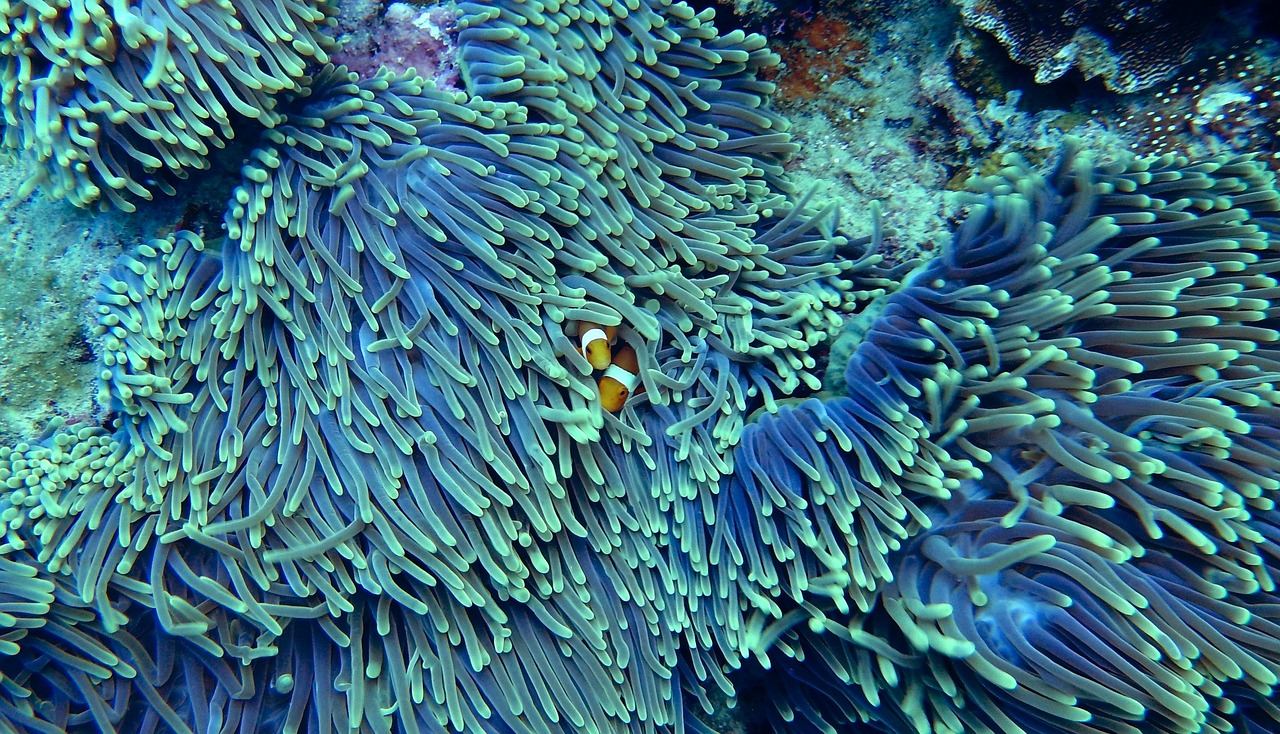
Scuba diving isn't just about the underwater sights; it's the challenge of buoyancy and skill mastery that unlocks a powerful flow state.
Learning scuba diving as a beginner opens up a whole new world beneath the waves, allowing you to explore underwater environments like never before. Scuba diving puts you underwater for extended periods using a tank of compressed air strapped to your back.
A regulator converts that high-pressure air into something breathable on demand.
Unlike snorkeling, you're not surface-bound – you move through the water column freely, spending real time at depth, which changes everything about what you can see and do.
Scuba diving involves descending underwater with a self-contained breathing apparatus (SCUBA) to explore marine environments, where participants manage buoyancy and propulsion, perform safety drills, and engage in 360° awareness of their surroundings while observing sea life and underwater features.
Scuba diving induces a flow state through the precise challenges of buoyancy and propulsion, offering immediate feedback on skills like mask-clearing and regulator retrieval that foster a sense of accomplishment and confidence, while the novelty of underwater exploration engages attention and reduces self-consciousness.
You think scuba diving is an extreme sport. Something for adrenaline junkies and ex-military guys with fancy wetsuits and nothing to prove.
It's not. It's one of the most meditative, low-impact hobbies on the planet – and that's what most people never find out.
Scuba isn't about thrill – it's about suspension. Underwater, you're neutrally buoyant, weightless, moving slower than you do on a Sunday walk. The closest comparison isn't skydiving. It's floating in a sensory experience that shuts your brain up for 45 minutes.
Diving is all about going slow. Observation, not achievement, is the goal. There's no finish line or stopwatch. You're simply watching a hawksbill turtle ignore your existence.
The mental reset is the actual product. Divers consistently report that the forced breathing rhythm – slow in, slow out – functions like a structured mindfulness practice, except the backdrop is a coral reef instead of a meditation app.
A recreational diver in the Florida Keys described her first open-water dive like this: she spent the entire descent convinced she was doing something wrong, then hit the sandy bottom at 30 feet and just... stopped thinking. For the first time in months.
That's not an accident. The environment does the work for you – and the certification process is specifically designed to get you there safely.
Speaking of which – that certification is probably where your next assumption lives.
Scuba diving looks serene when you watch videos – effortless and silent. In reality, your first pool session feels chaotic. It's more like wrestling a vacuum cleaner while forgetting to breathe. Nothing quite matches the expectation.
The gear feels clumsy and heavy. There's a constant effort to stay balanced. You'll find that nothing feels automatic yet. Breathing underwater is a skill your body isn't used to, and it shows. Clumsiness isn't failure; it's part of learning.
A common surprise before session one: equalizing your ears is crucial. You pinch your nose and blow gently, and do this as you descend. First-timers often wait too long. Discomfort at three meters isn't a problem with you – it's just the timing of the technique.
By the end of week four, things start to click. You're no longer consumed by equipment woes and begin appreciating the surroundings. The gap between frustration and enjoyment is smaller than it seems at first. Next, let's explore common mistakes that can trip you up on this journey.
When to start: Early morning
Duration: 2 hours
Cost to try: $50
Success criteria: If you hover neutrally at eye level for 30 seconds in shallow water, do session 2.
Beginners often don't feel the pressure change immediately. They wait until the discomfort hits to equalize. By then, ear damage can already start.
Equalize before you feel anything — every meter down.
Holding your breath underwater spikes air consumption. It stresses your lungs during ascent.
When sinking or rising unexpectedly, many kick harder to fix it. This wastes air and stirs up silt.
When divers are anxious, they tend to look down. This tilts your body and can damage coral with your fins.
Keep your chin up and your eyes forward. Your fins will follow.
Rental masks often don't fit well, leading to constant leaking. This isn't a technique issue—it's a fit issue.
Invest in your own mask and fins after your first checkout dive. Fit transforms your experience.
Scuba diving venues include swimming pools, open water lakes, quarries, coastal dive sites, and dive centers with training tanks. For a deeper experience, local dive shops are key players; they are more than just retail stores.
Tell the dive shop staff or club organizer you're a beginner needing certification. This one simple step often gets you into a Discover Scuba session — a pool intro to underwater breathing before committing to a full course.
This is the baseline – open water, depths to 40m, no decompression stops required. Most certifications like PADI Open Water and SSI cover these basics.
Best for anyone starting out, full stop.
Going below 40m introduces new challenges and wonders. Wrecks, walls, and deep-sea species await where sunlight fades. Best for certified divers who've logged real time and want to explore further beneath the waves. Expect to spend an extra $200–400 for the necessary specialty course.
The gear matches recreational diving, but you're exploring sunken spaces. Navigate ships, planes, and structures. Some wrecks allow penetration diving, which needs extra training. Best for divers who want history and exploration over reef scenery.
Night diving transforms the ocean with a torchlight. Discover bioluminescence, meet nocturnal creatures, and deal with unexpected challenges of spatial awareness. Best for certified divers comfortable with their buoyancy in daylight first. Gear cost is minimal – a decent dive torch runs $50–150.
Freediving is tank-free diving on a single breath, altering techniques, mindset, and equipment. It's its own discipline, not an upgrade to scuba. Best for divers drawn to minimalism or swimmers who find scuba gear claustrophobic.
A close neighbor worth considering: Technical Diving.
Shelter Building lives in the same world — different mechanics, similar appeal.
Stop focusing on gear or sites. What changes everything in diving is how you breathe.
Use your lungs as a ballast tank. A slow inhale brings a gentle rise, a controlled exhale lowers you. Internalize this, and you won't be fighting the water.
Nail this skill, and your air tank will last. Panic kicks and constant BCD adjustments eat through air fast. Without breath control, dives turn into chaotic up-and-downs, leaving you exhausted and the environment disturbed.
Only once breathing becomes second nature can you truly explore other skills like navigation or photography.
Sign up for a PADI Discover Scuba or Open Water intro course, completing 3 pool or confined-water sessions within 30 days. This number is important: one session to get past gear panic, another to feel breathing underwater, and a final one to see if that feeling stays with you.
If you're already booking dive trips in your mind, the hobby has its hook in you. It's not just about having fun; it's about daydreaming of the depths when you're on dry land. Your next step is the full Open Water certification—seize it now rather than waiting for some imaginary, perfect moment.
Feeling indifferent, like you could take it or leave it, is your answer about this hobby. Scuba involves ongoing costs and effort, and mild interest doesn't cut it. You might try a single ocean dive just to check, but face up to what you're really hoping to feel.
If you actively didn't want to continue by the second session, that's a clear sign. Skip the idea that it's just nerves—dreading the water is about you and scuba. Ignoring this feeling means wasting money on something that won't change.
Watching underwater videos that stop you mid-scroll is more than a random pause. Shipwrecks, coral walls, open blue waters—if these captivate you unexpectedly, it's not just idle curiosity. One pool session may reveal if that pull is truly there.
Certain medical conditions, like uncontrolled asthma, heart issues, or ear and sinus problems, make diving unsafe. Completing a dive medical form isn't just red tape; it's crucial to check before you dive into any expenses.
You need either a nearby dive site worth visiting or the budget to travel to one. A closer look reveals that many give up if the only option is a quarry you'd visit once.
Scuba requires patience for methodical gear setups and strict safety protocols. If these feel less like necessary steps and more like barriers, the persistent structure of this activity will wear on you.
Not ready to pick a hobby yet? The boredom busters page has smaller things to try first.
Most recreational scuba certifications take 3–4 days to complete and include classroom instruction, confined water training, and open water dives. You'll need to pass written exams and demonstrate essential skills like clearing water from your mask and controlling buoyancy underwater.
You can begin basic scuba training at age 10 with a Junior Certification, though most operators recommend waiting until age 12–15 for open water certification. Younger divers train with modified depth limits and parental supervision until they reach adult certification age.
Basic open water certification typically ranges from $300–$500, depending on your location and instructor. Additional costs include equipment rental or purchase, which can add $100–$300 per dive, plus travel and accommodation to dive sites.
You don't need to be an expert swimmer, but basic swimming ability and comfort in water are important for safety. Most training courses assess your comfort level early on and teach proper diving techniques that differ from surface swimming.
Conditions like heart disease, lung problems, epilepsy, and uncontrolled diabetes can make diving unsafe due to pressure changes and oxygen use. You'll complete a health questionnaire before certification, and your instructor may require medical clearance from a diving medicine doctor.
Recreational beginners are certified to dive to a maximum depth of 40 feet (12 meters) with their basic open water certification. This depth limit protects you from nitrogen narcosis and allows safe bottom times while you build skills and experience.