BoredomBusted — Find Your Next Favorite Thing To Do
Discover hobbies, activities, places, and ideas that spark joy. Whether you're looking for something creative, active, social, or relaxing, BoredomBusted helps you find your next favorite thing to do.
Browse our hobby guides, things-to-do collections, and place ideas to never be bored again.
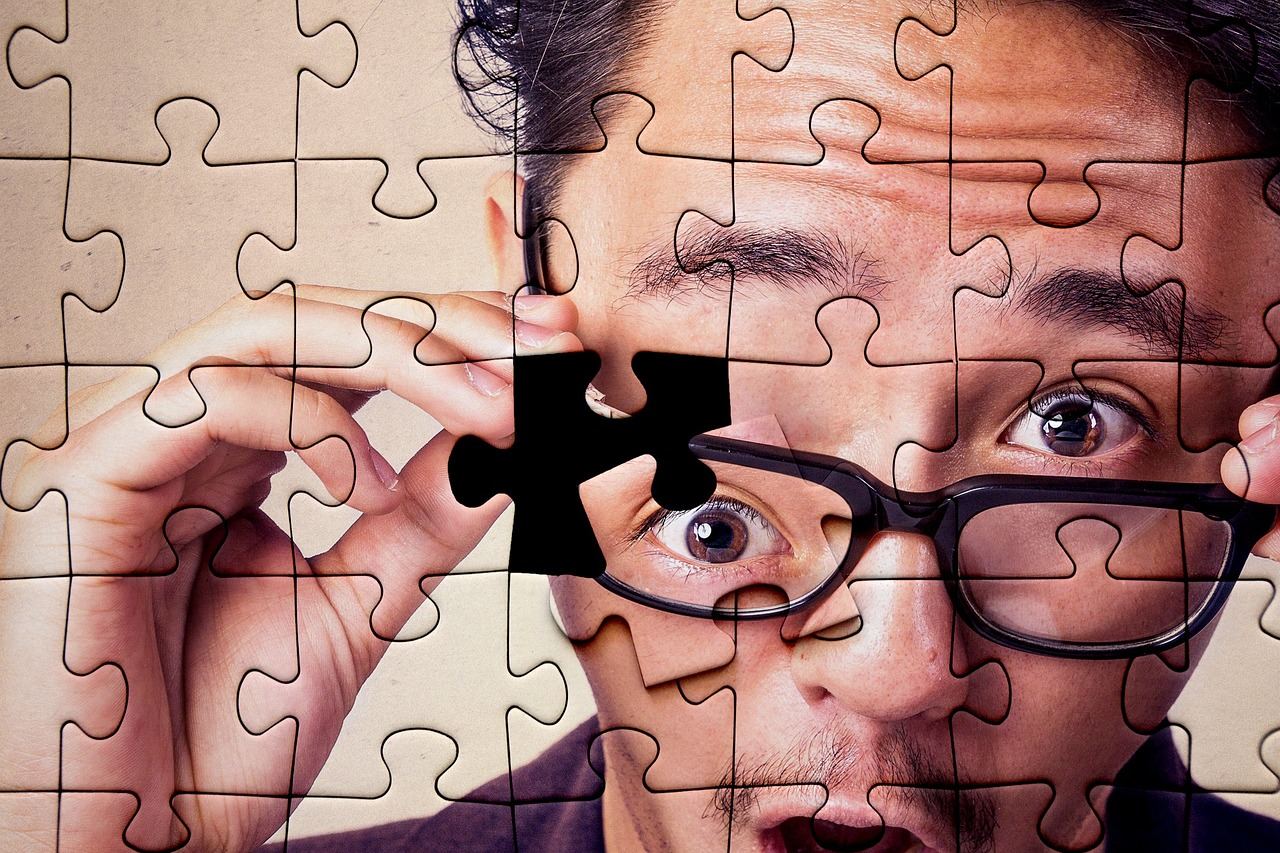
Jigsaw puzzles aren't just relaxing; they demand real strategy and cognitive skills, making a 1,000-piece puzzle a serious test of your problem-solving abilities.
If you are getting started with jigsaw puzzles as a beginner, you'll find that this engaging hobby is all about patience and observation. Jigsaw puzzles are a tactile assembly hobby where you reconstruct a pre-cut image by fitting uniquely shaped pieces together.
Unlike coloring or model kits, there's no instruction sequence – the challenge is entirely self-directed pattern recognition, making it as meditative or competitive as you want it to be.
In jigsaw puzzles, individuals select a puzzle based on piece count, sort pieces by edges and colors, and progressively fit pieces together, using visual scanning and hand-eye coordination until the complete image is revealed.
Jigsaw puzzles induce a meditative flow state through focused piece-searching and fitting, while providing a sense of accomplishment as each piece is placed, enhancing problem-solving skills and fostering social connections within puzzle communities.
You think jigsaw puzzles are for rainy Sundays with your grandmother. Simply a passive activity. Something to do while half-watching TV.
That assumption is why many people quit after one hour of frustration.
Jigsaw puzzles sharpen visual-spatial reasoning. This is the skill surgeons and architects use, and it becomes noticeably challenging beyond 500 pieces. A documented flow state emerges specifically during puzzling. The difficulty demands focus, yet is structured to keep rewarding you — a rare find in low-cost hobbies.
Strategy matters more than luck. Color sorting, edge logic, and pattern recognition separate the beginners from the skilled. Most people skip this, assuming it's all luck and patience.
A 1,000-piece puzzle of a cloudy sky isn't just a relaxing weekend project. For seasoned puzzlers, it's a problem-solving challenge, with almost no visual shortcuts to rely on.
The tools, the setup, the first real session — these are where the divide forms.
The gap between "I tried it once" and "I do this regularly" opens here.
Watching someone complete a puzzle online feels meditative. Hands glide, soft music plays. Pieces click as if they always belonged.
Your first session won't be that picture.
Expect to stare at a pile of 500 identical blue pieces. You'll turn an edge piece nine times before admitting defeat. The box photo won't help, and your table will feel too small. After forty minutes, quitting seems tempting.
Why Sorting is key: before you do anything else, sort by color and then sort some more. Begin with edge pieces; once familiar, piece shapes sort themselves. You'll lose track of time.
Before your first session, remember to organize into more piles than seems necessary. Edge pieces, plus at least five color or pattern groups, before placing anything.
Most beginners dump the box and start hunting. It seems productive, but it adds an hour per puzzle until corrected.
When to start: Early morning
Duration: 1 hour
Cost to try: $10
Success criteria: If you finished without completing the puzzle, do session 2.
The center looks interesting, but it's the hardest place to anchor anything. Sort edge pieces first and build the border before touching any interior section.
A small photo at an angle is useless for detail work. Prop the lid vertically behind your workspace or use a high-resolution scan on a tablet to zoom into problem areas.
Shape sorting feels logical until every piece looks wrong. Sort pieces into small bowls by dominant color before placing any on the board.
Dinner happens, and pieces get scattered. Use a dedicated puzzle mat or felt so you can roll it up without losing progress.
1,000 pieces feel achievable until everything looks identical. Start with 300–500 pieces and an image with high color contrast to finish something first.
Most people do jigsaw puzzles at home. You might use a dedicated table or a hobby space that stays undisturbed. However, don't overlook some board game cafés and community centers. They can host puzzle nights or have communal puzzles available for anyone to join.
Start with Facebook groups. Look up "jigsaw puzzle swap [your city]" or "puzzle club [your state]" to find active communities.
Find casual puzzle nights on Meetup.com by searching "puzzle" and filtering by location.
Local libraries are a surprisingly good source for puzzles. Check their event calendars for exchanges and timed puzzle nights.
For those keen on competitive solving, the World Jigsaw Puzzle Federation (WJPF) offers a directory at worldjigsawpuzzle.org. They list affiliated clubs and sanctioned competitions.
Introduce yourself to group leaders as a newcomer and ask for puzzle recommendations. This often leads to borrowing a puzzle, sitting with someone patient, and learning about the best brands.
3D puzzles let you build structures like buildings or globes that stand upright. Pieces interlock to form something physical, which can be incredibly satisfying—or not, if you prefer puzzles that lie flat.
Choose this if you want a model as the end result. Costs range from $20 to $60, reflecting the more complex nature.
Double-sided puzzles feature images on both sides, creating uncertainty. That unknown adds difficulty, making it an intriguing puzzle for those bored with 1,000-piece options.
Ideal for puzzlers who find standard challenges too easy
Gradient or no-reference puzzles offer no box image. Instead, you contend with subtle color shifts and hundreds of identical-looking pieces. Definitely not for the faint-hearted.
Perfect for seasoned vets seeking a fierce challenge
Wooden puzzles have laser-cut pieces with unique designs like animals or letters. After using one, cardboard puzzles might feel lacking.
Great for puzzle enthusiasts seeking enduring keepsakes. Expect prices from $50 to over $150, justified by durability.
Collaborative puzzles can go up to 40,000 pieces, meant for shared experiences over weeks. The journey takes center stage as you tackle this challenge together.
Ideal for families or groups that want a lasting project
If this resonates, Mandala Coloring explores a similar direction.
A close neighbor worth considering: Strings.
Readers who enjoy this often gravitate toward Adult Coloring Books next.
Most beginners get stuck when they focus on colors and images, searching for "the blue piece" or "the part with the flower."
The real skill lies in reading piece geometry – identifying a piece by its tab-and-blank profile before considering its image.
Picture this: each piece has a distinct silhouette. Count the tabs, notice the blanks, and see which sides are straight.
Train yourself to see that shape first, image second, and you're sorting at half the time.
Once you master reading shapes quickly, your approach transforms. You pick up a piece, recognize its profile, and immediately know where it fits.
Without this skill, reacting to color means every uniform area becomes a challenge.
The puzzle doesn't get easier – your process gets sharper, and that's what separates a 3-hour solve from a 6-hour one.
Sort your puzzle by piece profile first: four tabs, four blanks, two-and-two, and edge pieces.
Do this before you look at the image at all.
Pick up a random piece and describe its shape out loud before checking the picture.
Force the geometry habit early, before your brain defaults to color-matching.
Tackle a 100-piece section of a solid-color area like the sky or ocean. With no image to rely on, shape-reading becomes your primary tool, sharpening your skills effectively.
Six puzzle sessions over one month. Spread them out to give each session its own focus.
If you find yourself puzzling way past your planned time, you're not just enjoying it – it's become a real hobby. Start exploring 500-piece puzzles with themes you personally enjoy. Let your interest guide you.
When you finish each puzzle without feeling anything, there's a gap in interest or difficulty. Before you walk away, try two extra sessions with a puzzle that captures your attention more strongly. The right puzzle makes a difference.
If you felt restless or annoyed, puzzling might not align with your need for dynamic or quicker-paced activities. It's okay to recognize that it isn't right for you. Look for hobbies with faster feedback and more movement.
The sure sign you're into it appears when you find yourself puzzling at a friend's house without planning to. If you're sorting edge pieces long after saying you'd stop, your interest is real.
Completion time varies widely depending on piece count and your experience level. A 500-piece puzzle typically takes 5–10 hours, while 1,000+ piece puzzles can take 20–40 hours or more. Beginners should expect to spend longer than experienced puzzlers on the same puzzle.
No prior experience is necessary—jigsaw puzzles are designed for all skill levels. Starting with lower piece counts (300–500 pieces) helps you learn sorting strategies and build confidence before moving to more complex puzzles with smaller pieces or intricate images.
Jigsaw puzzles typically range from $10–$40 depending on piece count, brand, and image quality. Budget puzzles start around $8–$15, while premium brands with unique designs can cost $30–$50 or more per puzzle.
You need a flat, clean work surface—a table, puzzle board, or designated area where you can leave the puzzle undisturbed between sessions. Good lighting and keeping the box or an image reference nearby helps you identify pieces and track progress.
Yes, jigsaw puzzles strengthen visual-spatial reasoning, pattern recognition, and patience—cognitive skills that transfer to everyday problem-solving. Regular puzzling also improves focus and memory as you develop strategies for organizing and identifying pieces.
Cut quality refers to how precisely pieces are shaped—premium puzzles have tighter, more unique cuts that make pieces harder to misfit. Piece shape varies too: standard jigsaw cuts feature interlocking tabs, while some specialty puzzles have irregular or whimsical shapes for added difficulty.