BoredomBusted — Find Your Next Favorite Thing To Do
Discover hobbies, activities, places, and ideas that spark joy. Whether you're looking for something creative, active, social, or relaxing, BoredomBusted helps you find your next favorite thing to do.
Browse our hobby guides, things-to-do collections, and place ideas to never be bored again.
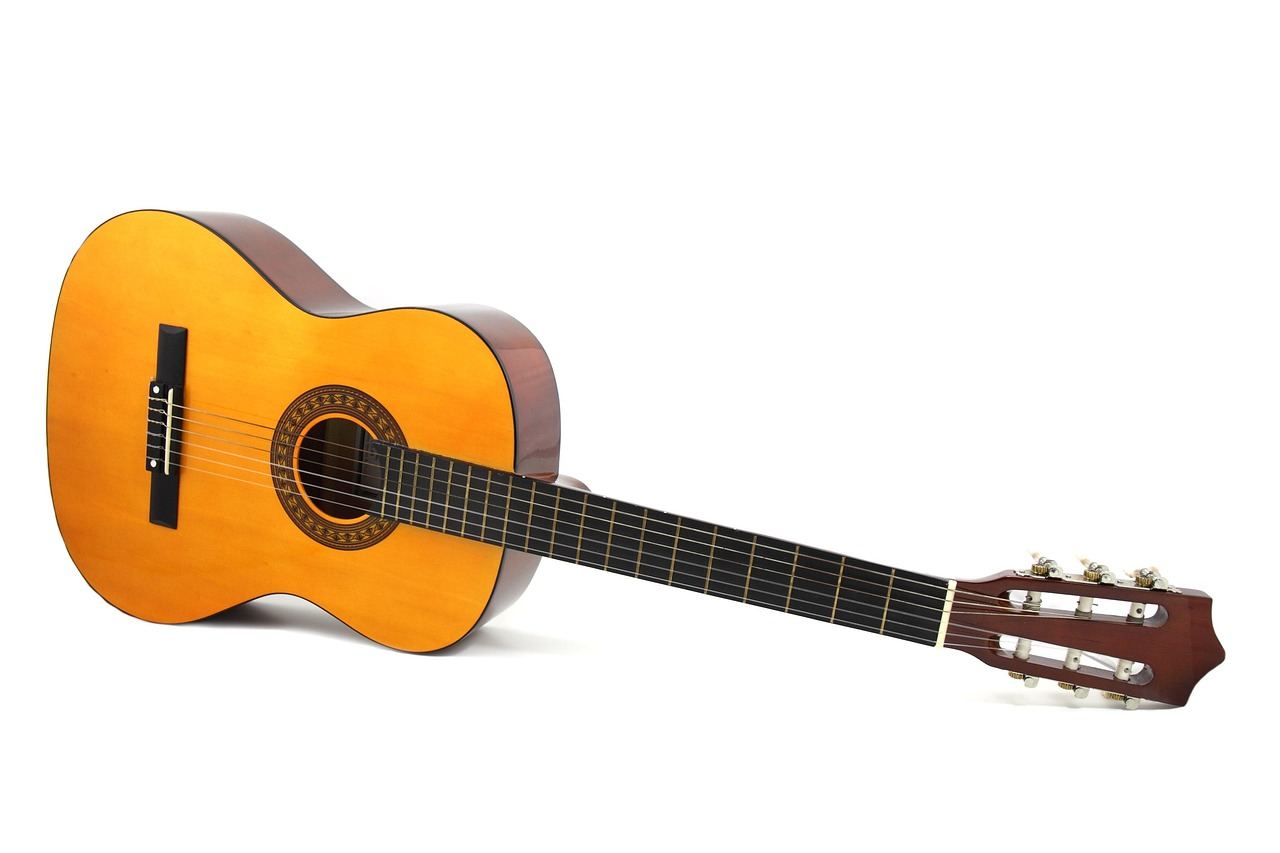
Strings aren't just about violins; every instrument offers a unique path to resonance, with skills transferring surprisingly between them.
Learning string figures as a beginner is a fascinating way to create intricate patterns and designs using just a simple loop of string.
You manipulate the loop through a sequence of moves – lifts, twists, passes – to form recognizable shapes.
Unlike cat's cradle (which needs a partner), most string figures are a solo practice you can learn anywhere, with nothing but your hands.
In Strings, practitioners manipulate threads to create intricate patterns or textiles, involving activities such as knotting, weaving, or stringing beads, which require focus and dexterity to transform simple materials into visually striking art pieces.
This hobby fosters a flow state through its repetitive and engaging tasks, allowing practitioners to immerse themselves in the creative process while receiving immediate visual feedback on their progress, leading to a satisfying sense of accomplishment.
You think strings means a violin in a velvet case, a childhood lesson you quit, or a gift you simply weren't born with.
That's the whole misconception right there – strings isn't a single instrument. It's an entire physical language you can enter from dozens of doors.
The string family runs from the bone-dry pluck of a ukulele to the sustained ache of a cello. You're not choosing one sound — you're choosing a relationship with resonance, and that relationship looks different depending on which instrument you pick up first.
Most people assume strings requires reading music from day one. You can go six months building real skill on muscle memory, ear training, and pattern recognition before a single note on a staff matters.
Technique also transfers further than most beginners expect. Learn left-hand fretting on a guitar and you've already started your brain's map for mandolin, bass, and violin fingering — they're dialects of the same conversation.
A beginner who picks up a steel-string acoustic and learns three chord shapes in week one is already making something that sounds like music. A classical-track student won't touch that feeling for months.
That gap. Between assumption and first sound. Between what you pictured and what actually happens. It's why the first real session catches nearly everyone off guard — and why the next section is entirely about what to expect when you actually sit down and play.
Watching someone play strings — violin, guitar, ukulele, doesn't matter — looks fluid. Like breathing. Your first session will feel like the opposite of that.
Your fingers won't do what you tell them. The sound that comes out will be somewhere between a muted thud and a cat making a bad decision. The note you wanted is technically in the room — just not on the instrument.
The thing that catches most beginners off guard isn't the difficulty — it's the fingertip soreness. Calluses are the whole game in the first few weeks, and you build them by playing through soreness, not by resting. Discomfort here isn't a sign something's wrong — it's how your body physically prepares to play.
By week three or four, something small clicks — one chord, one transition — and your ear will already be ahead of your hands. That gap is frustrating, but it's actually a sign of progress. The next section covers the mistakes that keep people stuck in the frustrating half longer than they need to be.
When to start: Morning
Duration: 1.5 hours
Cost to try: $20
Success criteria: If you finished a small string pattern with even tension and a hidden knot tail, do session 2.
New players often stick with the strings their guitar comes with, assuming it's universally suitable.
Opt for a lighter gauge in your first six months to reduce finger fatigue and help build calluses without pain.
Muscle memory isn't established early on, leading to overcompensating with excessive force. This causes sharp intonation.
Press just enough to avoid buzzing, then back off a little. You'll get a clearer sound and less strain.
Rookies learn chords as stagnant shapes. But the skill lies in transitioning smoothly.
Always practice chords as transitions by linking each to the chords before and after in songs.
Beginners often overlook that the fretting hand also mutes unplayed strings, not just presses notes.
Lightly rest your fretting fingers against adjacent strings to prevent unwanted noise when strumming.
Old strings lose their quality long before breaking, leading to dull tones and instability.
Replace strings every 6–8 weeks of regular use, or whenever they sound lifeless.
Strings practice happens wherever you have a few square feet and something to anchor to – living rooms, garages, parks, and dedicated music studios or community centers all work.
Most serious players eventually gravitate toward rehearsal spaces or open jams, but none of that is required to start.
Walk in and say exactly this: "I'm a beginner and I'm not sure what level I'm at yet – what do you recommend?"
That one sentence typically gets you a skills check, a recommended session or section, and someone who'll actually show you where to stand.
Two people pass a shared loop back and forth, building increasingly complex figures together.
It removes the solo frustration loop – if you mess up, your partner catches it. Best for kids or anyone who learns better with a second set of hands involved.
This is the standard starting point – one person, one loop, working through figures like the Cup and Saucer or Jacob's Ladder.
Most tutorials default to this, which makes it the easiest variant to find learning material for. Start here.
These are culturally specific figure traditions with their own canon of shapes, stories, and techniques – some requiring moves you won't find in Western tutorials.
The figures are often more complex and the process is tied to oral storytelling, which changes the whole feel. Best for people who want depth over novelty.
Instead of figures, you're producing actual flat woven bands using fingers as the loom.
It's a different skill set – closer to textile craft than string tricks – but the entry cost is identical. Best for anyone who finds static figures too fleeting and wants something to keep at the end.
Yes, this is a competitive circuit – the International String Figure Association runs it.
Judged on complexity, execution, and originality.
Only relevant once you've exhausted everything else, but good to know the ceiling exists.
If this resonates, Adult Coloring Books explores a similar direction.
Mandala Coloring lives in the same world — different mechanics, similar appeal.
Readers who enjoy this often gravitate toward Knitting next.
Most beginners obsess over learning more chords, more scales, more songs – but repertoire size is the wrong scoreboard.
The real ceiling is almost always left-hand finger independence. The skill is controlled individual finger pressure – the ability to press each fretting finger down cleanly without the adjacent fingers tensing, lifting, or collapsing.
It sounds obvious until you watch your ring finger go rigid every time your pinky moves.
Once your fingers stop fighting each other, chord transitions stop sounding muddy at the moment of change – that's where 90% of beginner "mistakes" actually live.
Without it, you can practice a chord progression for months and still sound hesitant, because the problem isn't memory, it's motor control your brain hasn't wired yet.
Eight sessions over 30 days, around twice a week. This pushes past the initial struggles and lets you truly experience playing.
You find yourself eager for the next session. Not from instant skill, but because something about playing resonates with you. Maybe it's a chord that sounds right or the moments of silence between notes. If this describes you, invest in a slightly better instrument and consider lessons for the next 60 days.
Showing up felt like just going through the motions. You didn't dislike it, but nothing about it sparked joy. Before quitting, explore a different instrument within the string family. Sometimes swapping a steel-string for a ukulele can ignite a passion for strings.
If each session felt unwelcome and relief came only when it was done, take that seriously. It's not about the difficulty; it's about the lack of pull. Accept this feeling as valuable information, not defeat.
The one sign you shouldn't ignore is when you pause to watch how players use their hands, not just listen. That mechanical curiosity is often the signal of a true connection to the craft.
Not sure strings is for you? The full hobby list covers everything else worth considering.
For quicker fixes, see our roundup of things to do when you're bored.
You'll need strings or yarn in various colors, a basic loom or frame, and simple tools like scissors and a weaving needle. Most beginners start with affordable starter kits available online or at craft stores that include everything needed to create your first pieces.
Simple projects can be finished in 1–2 hours, while more intricate patterns typically take 3–8 hours depending on complexity and size. As you gain experience, you'll develop faster technique and pattern recognition.
No, string crafting has a very gentle learning curve and is accessible to all skill levels. Basic techniques like wrapping, knotting, and weaving can be learned within your first session, and mistakes are easily fixable.
You can begin with a budget of $15–$50 for a basic starter kit that includes yarn, a loom, and tools. Higher-end supplies or specialty materials cost more, but initial investment is minimal compared to many hobbies.
Yes, the repetitive, rhythmic nature of weaving and knotting creates a naturally calming, focus-driven experience similar to meditation. Many practitioners report reduced stress and improved mindfulness while working on string projects.
String arts extend to macramé wall hangings, string paintings, wrapped sculptures, fiber tapestries, and decorative knots. The possibilities are endless—you can create functional items, home décor, jewelry, or purely artistic pieces.