BoredomBusted — Find Your Next Favorite Thing To Do
Discover hobbies, activities, places, and ideas that spark joy. Whether you're looking for something creative, active, social, or relaxing, BoredomBusted helps you find your next favorite thing to do.
Browse our hobby guides, things-to-do collections, and place ideas to never be bored again.
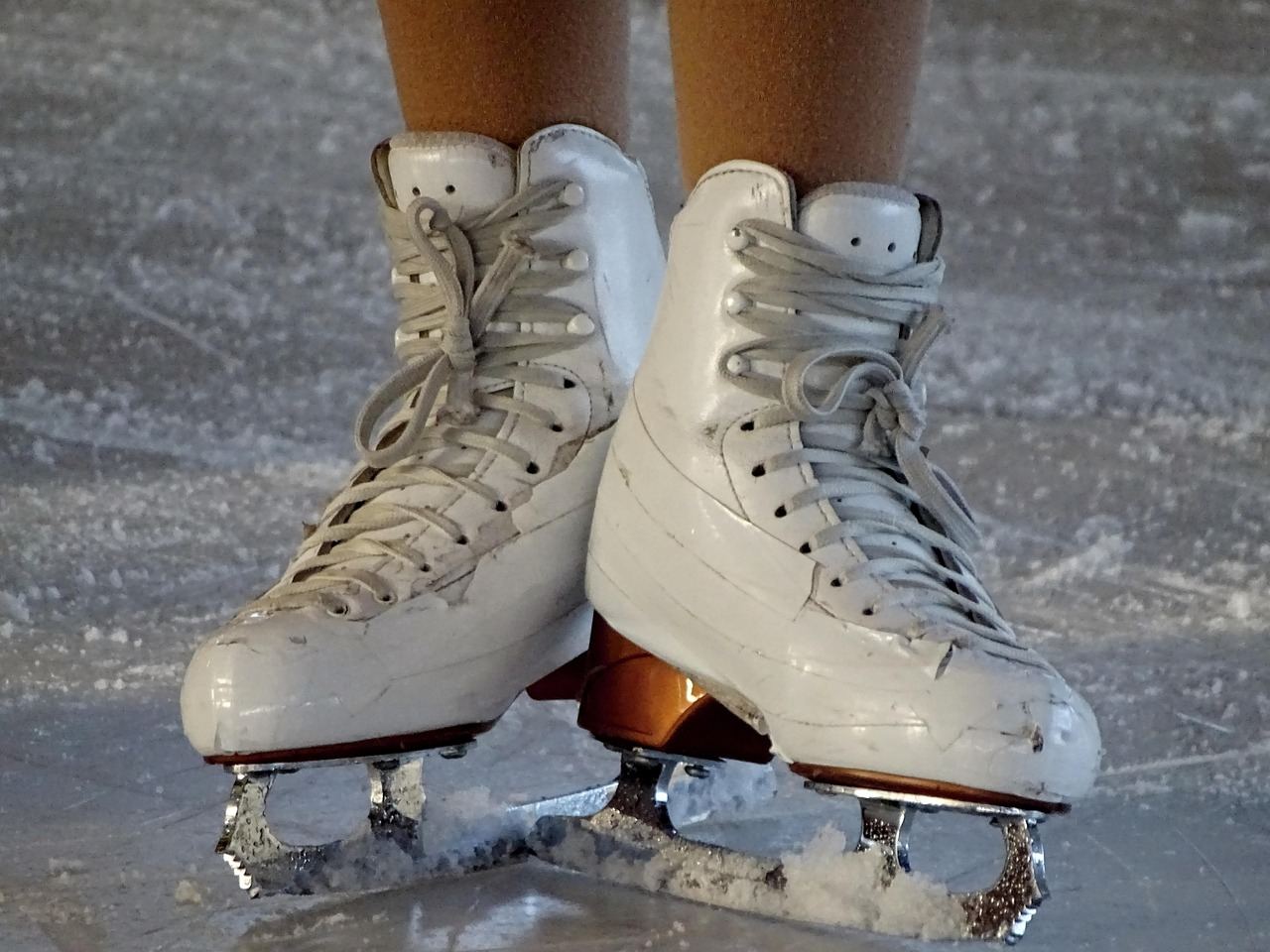
Ice skating isn't about speed or tricks—it's really about mastering balance and control, making falls a vital part of learning rather than failure.
Learning ice skating as a beginner offers a unique chance to glide gracefully across the ice while mastering essential balance and technique. It's about balancing grace and a dash of daring, as you elegantly—or clumsily—navigate the ice. It's open to everyone, not just figure skaters or hockey players.
The basics involve pushing off with one foot and gliding on the other, alternating to keep moving. Picture a kind of flowing dance, arms outstretched for balance. Not an athlete? No worries—basic skills come quickly.
Ice skating uses your core for balance and your legs for motion. It's essentially a full-body workout, but feels effortless, thanks to the cool breeze and the thrill of gliding.
Some think ice skating means freezing temperatures, but that's a myth. While rinks are cool, wearing proper layers keeps you comfortable and warm, and the activity keeps the chill at bay.
Mastering ice skating is a mix of movement and balance that offers exercise and fun. It's about the joy in the journey, not just the destination.
Ice skating involves gliding on ice using skates, allowing you to perform a variety of movements from basic glides to complex spins and jumps. It's often done in rinks or on frozen natural bodies of water.
Ice skating engages both your body and mind, requiring coordination and balance, which can distract from everyday worries. The challenge of improving skills provides a rewarding sense of progress.
You probably think ice skating is all about speed and tricks, just like rollerblading on ice. That can scare off newcomers who believe they need to whirl like acrobats or race like speed demons. But it's really about balance and control, not just dashing or daring moves.
Falling isn't failure; it's just part of learning. Every tumble teaches you your limits and how to tweak your technique. Skaters learn to fall safely, usually on their side or rear.
You might think ice skating is just recreational or for hockey, but it's also a workout. It boosts heart health, builds muscle, and improves coordination. Plus, it's a social event perfect for family and friends.
Ice skating is about feeling a rhythm and flow. You learn to trust yourself and find balance between effort and ease.
Your first week on ice skates teeters between excitement and awkwardness. The rink appears vast, and the ice feels treacherously slippery. It's common to spend time walking gingerly on the ice, holding the side rails, getting used to the new sensation.
By week two, balance starts forming. The cold air feels refreshing as you leave the walls behind and attempt tentative glides. You get the basic rhythm of push and glide, hesitant but there.
Week three is a hurdle. Trying to combine fluid motions can lead to frustration. Falls happen, leaving you slightly discouraged, but also show the value of core strength and posture.
The fourth week brings confidence. You're gliding more, and the rink transforms from intimidating to inviting. Feeling the ice under your blades becomes important, sharpening your control.
Ice skating is about progress, not perfection. Every session offers small victories, whether mastering glides or learning to stop smoothly.
When to start: Any afternoon
Duration: 1 hour
Cost to try: $20
Success criteria: Schedule a second session if you can glide comfortably without holding onto the rail.
Beginners often fixate on their feet while skating. It's a natural instinct. You want to see your feet to feel more in control. But this habit throws off your balance. Keep your head up and look ahead to glide more smoothly.
Feeling stiff because you're scared of falling? This tension can actually make you fall more. Your body can't move naturally when rigid. Relax and bend your knees slightly. It helps you absorb unexpected movements.
New skaters worry that moving their arms will unbalance them. So they keep them tight to their sides. However, leaving your arms down makes balancing harder. Extend your arms to your sides. It helps you stay steady and glide better.
Thinking you can smoothly roll to a stop? That often ends with a crash into the rink wall. You need a plan. Learn stopping techniques like the snowplow or T-stop. They'll prevent embarrassing collisions.
Is foot pain causing skating problems? Ill-fitting skates might be the issue. They can cause blisters and limit movement control. Ensure your skates fit snugly. They should provide support without pinching.
Start at your local ice rink. These spots frequently offer classes and open skate sessions.
Use Google Maps or Yelp to find rinks nearby.
Check Facebook and Instagram for local skating clubs and events. Search and join groups to meet other skaters.
Meetup.com provides ice skating meetups for all skill levels. This is a chance to make connections face-to-face.
For structured learning, enroll in classes. The U.S. Figure Skating Association offers lessons from certified instructors and links you to a wider skating community.
Figure skating blends dance and athletics. It emphasizes grace, with performers executing jumps, spins, and intricate footwork. Ideal for those who love artistic expression.
Hockey skating is about speed and quick direction changes. It's more aggressive and dynamic than figure skating. Perfect for team sport enthusiasts.
Speed skating focuses on velocity and endurance. Racers strive for the fastest times with efficient technique. Great for thrill-seekers and competitors.
Recreational skating is about enjoyment, not skill. It's relaxed and unstructured, focusing on fun. Best for those seeking a casual, social pastime.
Ice dancing combines figure skating with ballroom elegance. It focuses on rhythm and partnership. Perfect for those who value coordination and teamwork.
Some of the same instincts show up in Golf — worth a look if this clicked.
Some of the same instincts show up in Sport Climbing — worth a look if this clicked.
Climbing lives in the same world — different mechanics, similar appeal.
Balance is the core of ice skating. Without mastering it, smooth gliding and even basic maneuvers become difficult. You can't execute techniques effectively if your weight isn't distributed correctly.
Learn to balance and the rest becomes easier. Poor balance means wobbly strides and frequent falls. Maintain good posture, and you'll feel confident and in control.
Try the 'one-foot glide' to improve your balance. Push off with one foot and glide on the other as long as possible. This boosts your confidence in maintaining stability.
Another effective drill is practicing 'scissors.' Stand still and push your feet out and in to form a V-shape with your blades. This focuses on weight distribution and engages your core.
Off the ice, incorporate yoga or use a balance board to develop your core. These exercises improve your overall stability and translate into better on-ice balance.
Attend six ice skating sessions over a month. This schedule helps you move beyond initial awkwardness and experience what the activity is really like.
If you find yourself excited about each new session, congratulations. You might love the glide, the skill-building, and the camaraderie. You're probably on your way to adopting ice skating as a hobby. Consider focusing on improving techniques and exploring different skating venues.
If you enjoyed the sessions but aren't drawn to continue, that's fair. You've gained a new experience and enriched your life perspective. Try incorporating other physical activities to see if another sticks.
Finding the sessions uncomfortable or frustrating is a clue. The cold might be too much, or the balance could feel too challenging. It's likely time to seek another activity that aligns better with your preferences.
Discovering ice skating is truly your thing if you're checking rink schedules or watching skating videos late into the night.
For ideas that take five minutes instead of five weeks, see things to do when you're bored.
Initial costs can be moderate, with skate rentals typically around $10 per session and rink fees varying. Owning personal skates ranges from $50 to $200.
Start with a pair of skates, which you can rent or purchase. Comfortable and warm clothing is essential, along with protective gear like gloves and a helmet for beginners.
Casual skaters can enjoy the sport with just 1–2 hours per week, while those seeking improvement should aim for 3–5 hours weekly.
Ice skating can be challenging initially due to balance and coordination, but most beginners see improvement quickly with regular practice.
Beginners often worry about falling and maintaining balance. Starting with lessons can help build confidence and technique.
Absolutely, beginners are welcome at most rinks, and many offer lessons to help newcomers get started safely.