BoredomBusted — Find Your Next Favorite Thing To Do
Discover hobbies, activities, places, and ideas that spark joy. Whether you're looking for something creative, active, social, or relaxing, BoredomBusted helps you find your next favorite thing to do.
Browse our hobby guides, things-to-do collections, and place ideas to never be bored again.
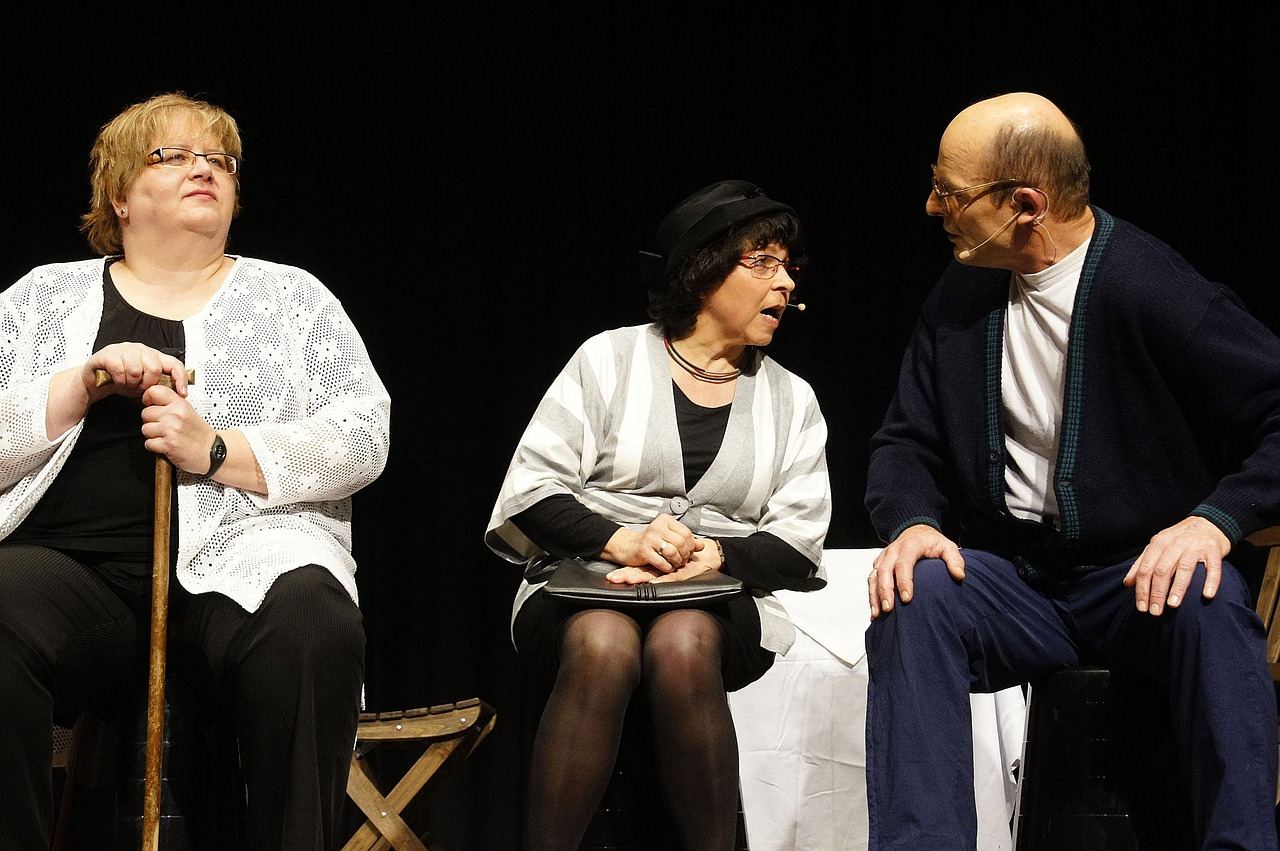
Improv isn't about being funny; it's about mastering the art of listening, where presence trumps punchlines and transforms your real-life conversations.
Learning improv acting as a beginner is an exhilarating journey that encourages spontaneity and creativity in unscripted performances. Scenes are built in real time from audience suggestions or player choices.
No memorized lines, no safety net – every moment is invented on the spot.
Unlike sketch or theater, there's no script to fall back on, which means the skill you're building is how to think, not what to say.
In improv acting, you engage in spontaneous scene creation through collaborative games, such as building narratives one word at a time, embodying characters with exaggerated physicality, and switching roles on cue. You might mime actions, create character backstories, or interact with others' movements, all while responding to immediate cues in a dynamic and playful environment.
Improv acting induces a flow state through escalating physical commitment and real-time feedback from peers, which fosters social belonging and creative expression. This hobby allows for instant validation during performances, satisfying your need for accomplishment while also reducing self-imposed pressure to be perfect.
You think improv is about being funny. You picture a theater kid yelling YES AND while someone mimes driving a car. The reality is quite different.
Derek, a software engineer, expected to fail his improv class because he "wasn't funny." By week three, his instructor said he was the best listener there. Derek hadn't realized listening was a skill to excel at.
Freezing up in front of strangers might worry you. We'll tackle that next.
Improvisation feels like a jumble of ideas that never fully land. You might think you're failing amidst the chaos, but you're actually building the groundwork. This uncomfortable phase is where beginners start.
The desire to pack up and leave is strongest in session two. You're still figuring things out. Performance, instead of playful interaction, is dominating. Yet, hanging in there is where the magic happens. That awkwardness signals the birth of real improv skills.
In the beginning, accepting your partner's offers feels counterintuitive. You'll want to correct or steer the scene elsewhere. However, your job is to embrace this habit of agreement. Training yourself to say 'yes, and' without hesitation is key.
Initially, just focus on affirming what your partner initiates. Despite instincts that scream otherwise, surrender to the process. Next, we'll discuss mistakes that prevent people from moving past these early hurdles.
When to start: Morning
Duration: 1 hour
Cost to try: $0
Success criteria: If you can keep a 10-minute Yes, And scene going while each partner adds at least one clear detail before your turn, do session 2.
New improvisers think the goal is jokes, so they chase punchlines and skip the scene underneath them.
Say the honest, grounded thing your character would actually say – the laugh will follow the truth, not the other way around.
When someone gives you something unexpected, you might instinctively correct or dodge it. You're often three moves ahead in your mind, looking to steer the scene your way.
Say "yes, and" literally out loud during your practice sessions. Drill it until acceptance becomes second nature and feels faster than deflection.
Beginners often obsess over funny situations or locations, ignoring the emotional connection between characters.
Decide how your character feels about their scene partner in the first ten seconds. Let this relationship drive your performance.
Silence feels like failure, leading beginners to drown scenes in monologues and explanations.
Instead of explaining, take physical action. Move toward your partner or interact with an imaginary object, letting your actions speak volumes.
Asking "where are we?" feels collaborative but leaves the burden on your partner to develop the scene.
Declare something concrete. Try "I can't believe it's been three years since we left Ohio." Now both of you have a starting point to build on.
Improv thrives in comedy clubs, black-box theaters, and community arts centers. Check local venues to see where shows or classes are happening.
Type "improv classes [your city]" into Google. Add "drop-in" to find beginner-friendly options that allow you to test the waters.
The big names like iO Theater, Second City, and Upright Citizens Brigade host many training centers. Their websites list affiliate schools, making it easier to find connected centers in various cities.
Meetup.com is a goldmine for casual improv. Search "improv" to find local jam sessions and beginner nights not always advertised on formal platforms.
Facebook Groups can help you find active troupes in your area. Look for "[your city] improv" to discover audition notices, jam sessions, and free workshops.
Introduce yourself as a complete beginner to the organizer or instructor. This often redirects you to a level-one drop-in or free intro workshop, ensuring you avoid accidentally joining an intermediate group and feeling out of depth.
Not all improv is the same room doing the same thing. Here's what actually exists and who each format is for.
Short-form improv focuses on structured games with rules. Think Whose Line Is It Anyway. Each scene has a constraint—like a genre, a limitation, or a point system. It's the easiest entry point because the rules offer beginners a safety net. Most beginner drop-in classes start with this format.
Long-form improv involves one scene or a series of connected scenes with no fixed game structure. It relies on relationships and listening. No external scaffold exists, making it more challenging. Ideal for those who've done short-form and found it too restrictive. The Harold is the most common structure here.
Theatrical improv focuses on emotional honesty rather than punchlines. Best for actors wanting spontaneity without the comedic pressure. It's more like devised theater. Classes can be pricier if linked to a theater conservatory.
In musical improv, scenes are sung, often with a live pianist or backing track. Comfort with singing is crucial, as the musical aspect can be more challenging than the improv. It's a specialized path rather than an entry point.
Corporate or applied improv shifts the focus to skills like communication and leadership, offering workshops instead of performance training. There's no stage or audience, just exercises to improve listening and adaptability. Ideal for those wanting skills without performing.
A close neighbor worth considering: Baton Twirling.
A close neighbor worth considering: Puppetry.
Stand-Up Comedy lives in the same world — different mechanics, similar appeal.
Most beginners spend their first year trying to be funnier. That's the wrong target – and it's exactly why their scenes feel forced.
The difference comes from active acceptance. It's not just saying 'yes, and' but treating your partner's offer as an unexpected gift. Build on it without mentally editing their ideas.
Imagine hearing 'you're my long-lost brother' and feeling genuine surprise. That's different from thinking 'okay, brother scene.' It's about letting the moment land before you speak.
Without acceptance, scenes are just back-and-forth idea pitches. It's mechanical. Genuine acceptance makes reactions the comedy itself. The audience laughs because they witness something real between two people.
Planned jokes can't compete with a genuine response you weren't expecting.
Four sessions over 30 days, one each week. This natural cadence reflects a true trial without feeling forced.
If you're already excited about signing up for the next class before this one even ends, that's enthusiasm, not just participation. You're enjoying the rhythm and the energy. The next step is signing up for the next level or joining a more frequent group.
If you attend and don't think about it until the next class, that suggests mild disinterest. It's worth continuing to eight sessions if you're unsure, but be honest: this might not be your creative calling.
If you dread going, check the time constantly, and feel relief when it's over, that's clarity, not failure. It means improv doesn't connect with you. This is just an indication that another creative outlet might suit you better.
The one sign you shouldn't ignore? You find yourself adding character voices or finishing others' sentences in daily situations. That's the budding instinct for improv. If it's happening naturally, you're in the right place.
When you're ready to compare options, the hobbies list lays out every direction we cover.
For quicker fixes, see our roundup of things to do when you're bored.
Improv is unscripted, spontaneous performance where actors create scenes, characters, and dialogue on the spot based on audience suggestions or prompts. Rather than following a script, improvisers work together collaboratively to build comedy, drama, or surreal scenarios in real time.
No prior acting experience is needed to begin improv. Most beginner classes teach you the fundamental principles—like "yes, and" and active listening—from the ground up. What matters most is your willingness to be vulnerable, take risks, and collaborate with others.
You'll feel noticeably more comfortable after 4–8 weeks of regular practice, but meaningful skill development typically takes 3–6 months of consistent training. Like any performance art, the more you practice and perform, the faster you'll build confidence and comedic instincts.
Beginner improv classes typically range from $100–$300 for 4–6 week sessions, with drop-in classes costing $15–$25 per session. Some community centers and universities offer more affordable options, while intensive workshops or private coaching can cost $500 or more.
While comedy is common, improv can also explore drama, storytelling, and character development. The primary goal is collaborative, authentic storytelling—laughter often follows naturally, but the focus is on building trust and creating meaningful moments with your scene partners.
Your first class will focus on icebreaker games, breathing exercises, and low-pressure exercises to help you relax and understand core improv principles. You'll likely do some group games, maybe act out a simple scene, and leave feeling energized rather than judged—most classes are incredibly supportive environments.